Engineered to comply with Ghana Standards Authority (GSA) guidelines and optimized for ECG power supply stability.
An In-Depth Whitepaper on Municipal Lighting Performance in West Africa's Rapidly Growing Cities
Ghana is undergoing one of the fastest rates of urbanization in Sub-Saharan Africa. With metropolitan areas like Greater Accra, Kumasi, Tamale, and the coastal hub of Takoradi expanding rapidly, the demand for sustainable, resilient, and high-efficiency public infrastructure is at an all-time high. Municipalities, real estate developers, and utility providers are increasingly turning to advanced light-emitting diode (LED) urban luminaires to replace legacy high-pressure sodium (HPS) and metal halide (MH) fixtures.
However, the West African lighting market presents a unique set of challenges that off-the-shelf LED products from global manufacturers often fail to survive. Designing and supplying urban luminaires for Ghana requires deep engineering expertise. The local conditions mandate robust defense mechanisms against severe electrical fluctuations, intense ambient temperatures, high atmospheric relative humidity (averaging 75% to 95%), and the high-salinity marine environments of coastal corridors.
How China's Premium Production Efficiencies Directly Lower Municipal CapEx and OpEx in West Africa
Global procurement specialists for major infrastructure projects in Ghana are constantly balancing cost and quality. For municipal lighting tenders, Western-branded luminaires often command prohibitive premiums, while low-tier generic imports suffer high failure rates, causing soaring maintenance expenses. This is where Austar Lighting Co., Ltd. bridge the gap, bringing Italian-influenced design elegance and high-end Chinese manufacturing speed together.
Established in 2003, Austar Lighting operates a state-of-the-art 10,000 m² factory in Ningbo, China. With over two decades of export-focused experience to 55+ countries, including highly regulated markets in Germany, Spain, Italy, and South Korea, Austar has developed deep technological capabilities that benefit municipal distributors in Ghana.
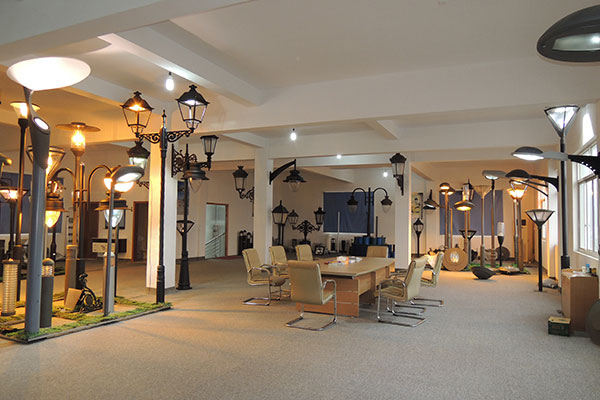
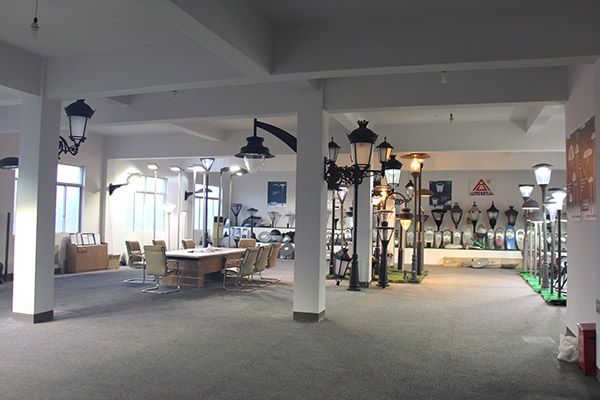
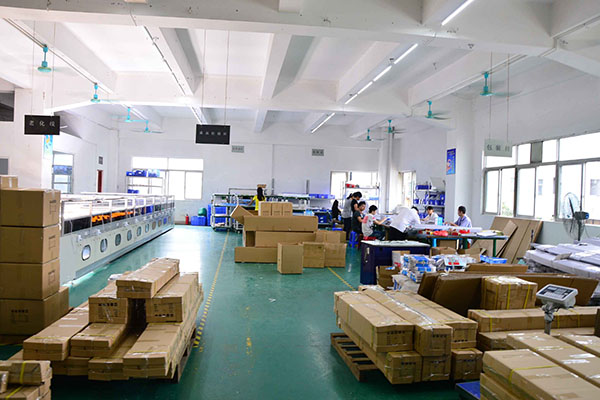
Our facility houses high-tonnage die-casting machinery (1000T, 700T, and 300T units), fully automated powder-coating lines, three high-speed assembly lanes, and two automated LED driver-load aging systems. Because we manufacture our molds, housings, and components in-house, we reduce supply chain markups, allowing us to deliver premium-grade urban and roadway luminaires at competitive wholesale price points.
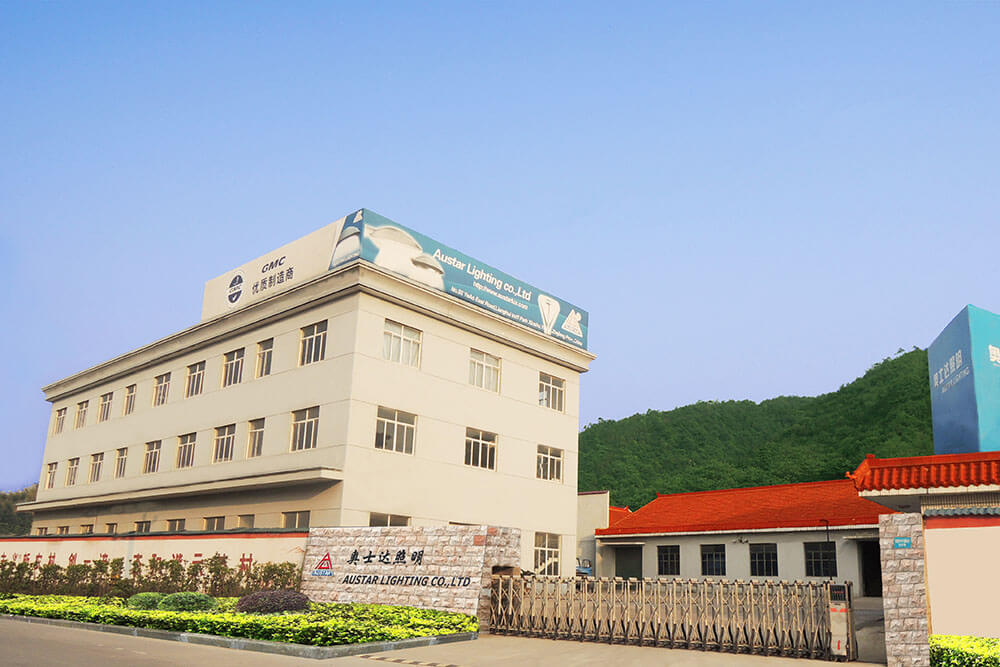
Austar Lighting's 10,000㎡ ISO-certified manufacturing facility in Ningbo
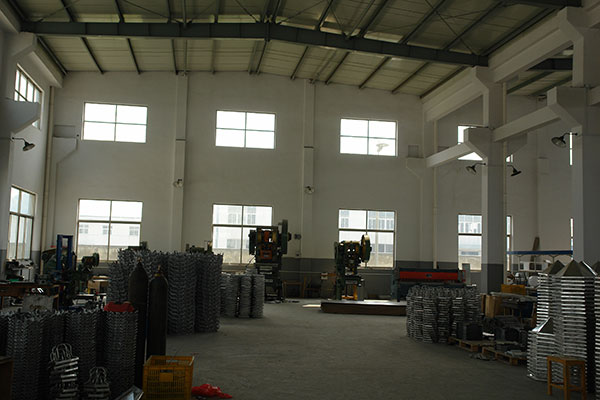
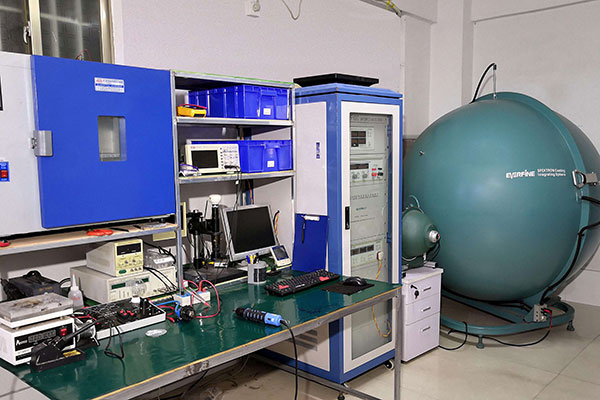
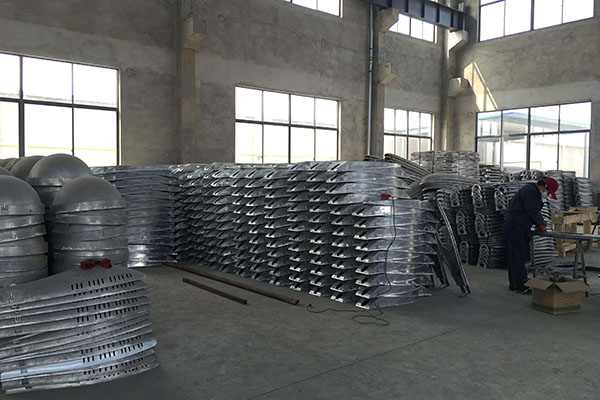
Designed for maximum impact from the ports of Tema to the commercial districts of Kumasi
High-speed corridors like the Accra-Cape Coast Road require optimal beam uniformity and zero disability glare. Our LED roadway series provides high luminous output up to 150 lm/W with specialized asymmetric optics to ensure uniform horizontal and vertical illuminance, reducing traffic accidents.
Coastal installations at the Tema Port Expansion demand anti-salt-spray enclosures. Austar luminaires utilize marine-grade aluminum housing with AkzoNobel powder coating, passing rigorous 1,000-hour salt-fog chambers to prevent oxidation and structure failure.
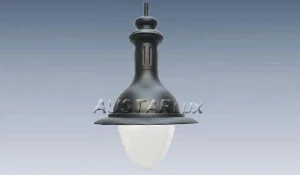
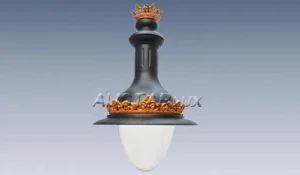
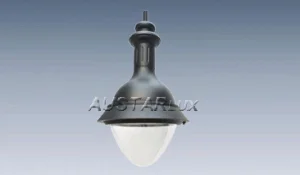
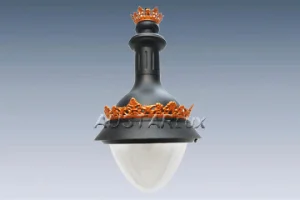
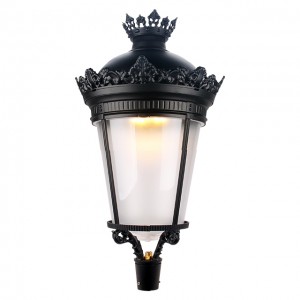
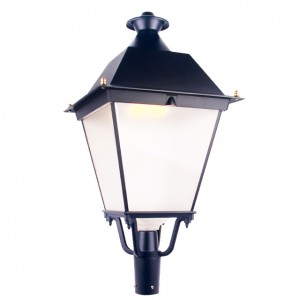
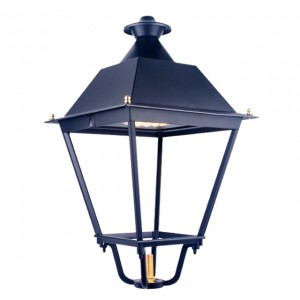
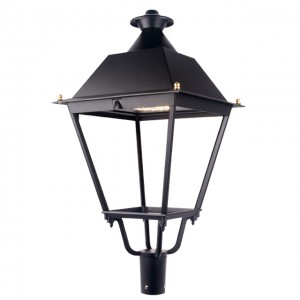
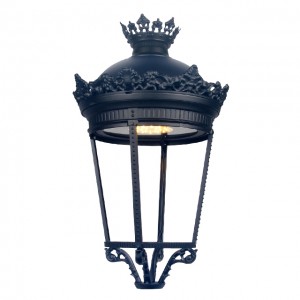
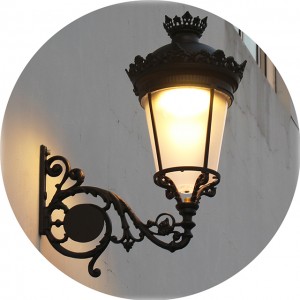
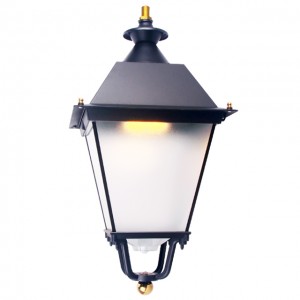
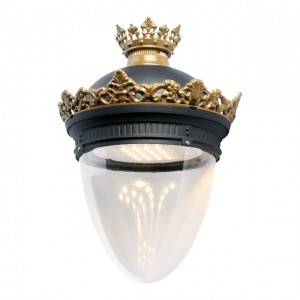
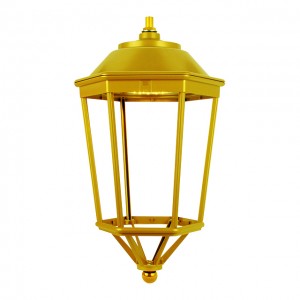
Civic spaces around Independence Square or Kwame Nkrumah Memorial Park benefit from our classical urban lanterns. Collaborating with Italian designers, these decorative fixtures combine timeless elegance with high-efficiency LED chips, supporting heritage tourism.
Guaranteeing 100% Export-Grade Reliability through Advanced Photoelectric & Stress Analysis
At Austar Lighting, E-E-A-T (Experience, Expertise, Authoritativeness, and Trustworthiness) is not just a marketing concept; it is baked into our quality control system. All products undergo a continuous series of physical, electrical, and thermal stress tests before being loaded onto container ships at Ningbo Port for transit to the Port of Tema.
Our quality assurance program is backed by ISO9001-14000 certifications. We utilize high-end testing gear including photometric integrating spheres, EMC chambers, and high-precision salt spray testers. When municipal engineers in Accra request documentation, we provide fully verified test certificates from internationally recognized bodies (CB, ENEC, CE, LVD) to guarantee compliance with local regulations and international standards.
| Test Parameters | Laboratory Setup | GSA & ECG Standard Alignment |
|---|---|---|
| Transient Surge Immunity | 10kV / 20kV surge generator simulation | Prevents breakdown during ECG lightning strikes/grid surges |
| Thermal Endurance | Junction temperature (Tj) testing at 45°C ambient | Underpins lifetime guarantee in Northern Ghana hot zones |
| Salt Spray Resistance | 1,000-Hour continuous fog exposure | Protects highway lights from coastal moisture degradation |
| IP/IK Ratings | Dust chambers, water jets, impact drop testers | IP66 rating ensures complete protection against rain storms |
Frequently Asked Questions by Municipal Procurement Officers and Electrical Engineers in Ghana
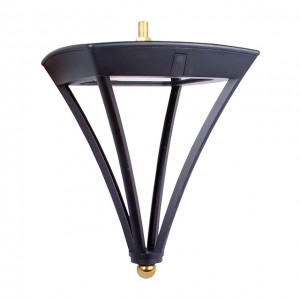
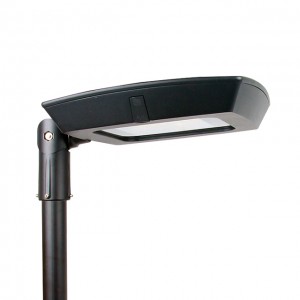
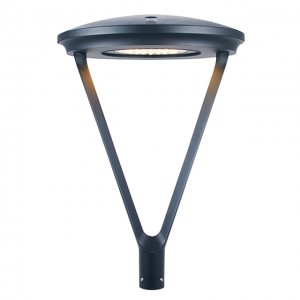
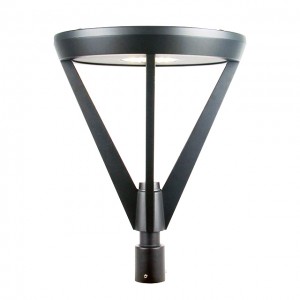
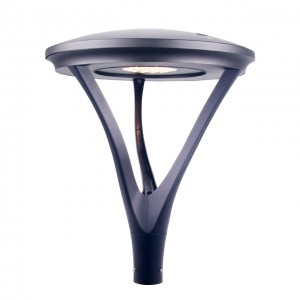
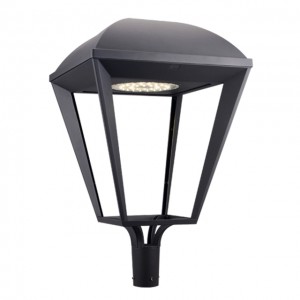
Premium outdoor garden and pedestrian lighting products utilizing original brand profiles
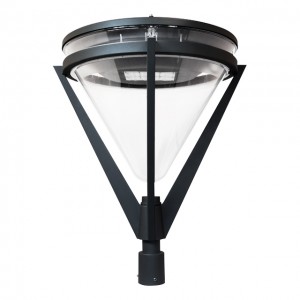
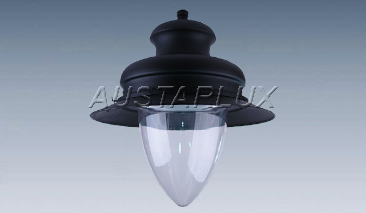
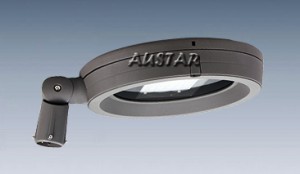
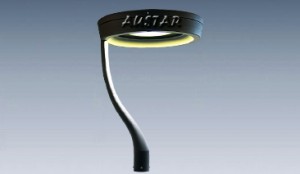
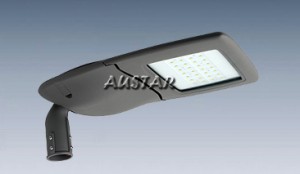
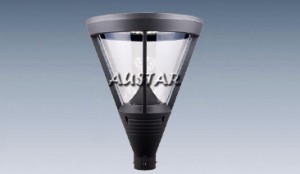
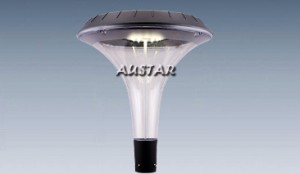
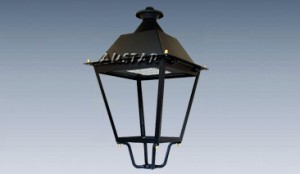
Heavy-duty outdoor luminaire variations specifically customized for commercial dealers and electrical contractors in Ghana
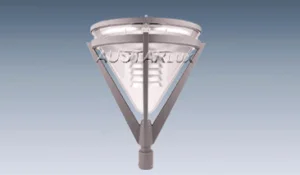
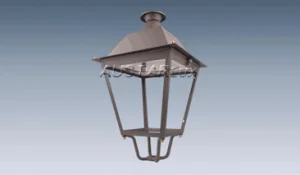
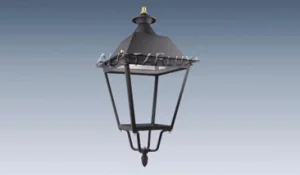
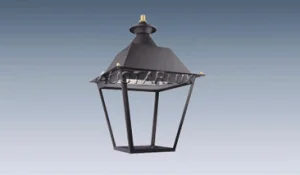
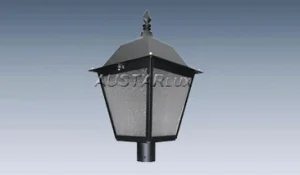
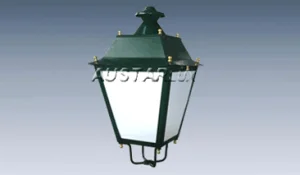
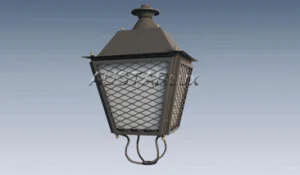
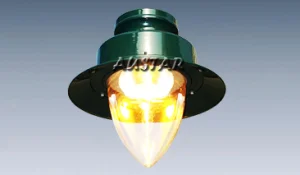
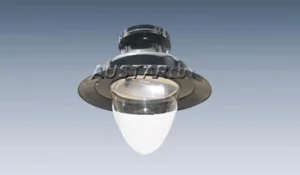
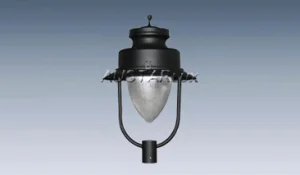
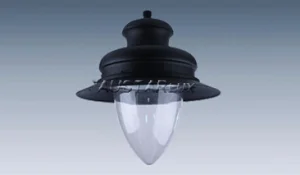
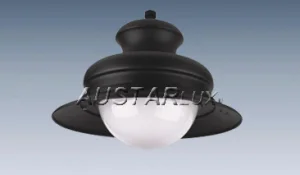
Retaining original classic catalog references, custom adapted for Ghana public works tenders
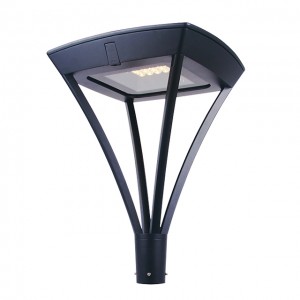
Why Procurement Managers are Specifying Zhaga, ENEC, and Circular Design Metrics
Worldwide, urban lighting projects are moving past simple luminaire installation to focus on lifelong value, smart city readiness, and environmental sustainability. For global developers and municipal departments (including those in West Africa), buying decisions are based on several key trends:
Modern public projects now require future-ready luminaires. By standardizing physical interfaces, electrical specifications, and communication channels (via Zhaga Book 18 or NEMA standards), municipalities can avoid vendor lock-in. A street light bought today must easily accept a smart node controller tomorrow, whether communicating via NB-IoT, LoRaWAN, or cellular networks. Austar's urban lighting lines can be pre-configured with top-mounted or bottom-mounted Zhaga sockets, ensuring they fit seamlessly into smart city networks.
Urban planning is increasingly focused on the quality of light and its ecological impact. While high-pressure sodium lamps emitted a low-rendering yellow light, modern municipal tenders require a high Color Rendering Index (CRI > 70 or 80) to improve visibility and public safety. At the same time, minimizing upward light waste is essential. Our luminaires are engineered to have an Upward Light Ratio (ULR) of 0%, directing every lumen onto the street and sidewalks to limit light pollution and protect nocturnal ecosystems.
High labor costs mean street lights must be easy to maintain. We design our housings for toolless access, allowing field technicians to open the fixture and replace the driver or SPD modules on-site in under two minutes. Using standard modular gear trays prolongs the service life of the cast aluminum housing and significantly reduces overall lifetime maintenance costs.
Request a full commercial catalog, verified test reports, and factory-direct pricing for the Ghana market. Our specialized support desk responds within 12 working hours.
Send Inquiry Now Austar