Engineered Photometrics, Advanced Thermal Management, and Certified Quality Systems for Smart City & Architectural Luminaires
Engineered for maximum efficacy, stability, and optical customization. Explore our core OEM/ODM module solutions.
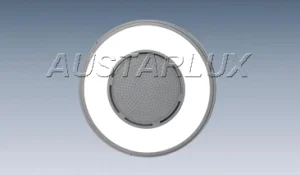
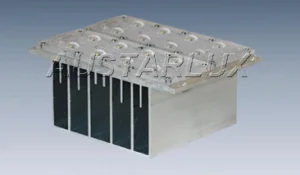
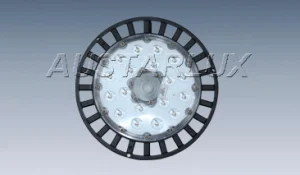
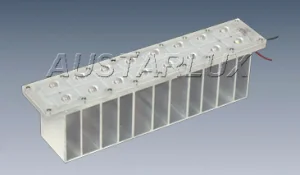
In the contemporary landscape of solid-state lighting (SSL), the selection and customization of LED modules have transcended basic thermal and electrical calculations. As cities push toward smart infrastructure and energy regulations globally tighten (such as ErP in Europe and DLC Premium in North America), the design, reliability, and optical precision of LED components define the technological envelope of luminaire projects. Industrial buyers, lighting designers, and municipal engineering contractors are no longer purchasing simple arrays of light-emitting diodes; they are investing in integrated engines featuring complex micro-optical arrays, transient-voltage protection topologies, and robust thermodynamic management architectures.
This document presents a comprehensive analysis of modern industrial and commercial demands, detailing technical roadmaps, manufacturing parameters, compliance metrics, and architectural application profiles. As a premier Chinese manufacturer of structural and outdoor lighting elements, Austar Lighting Co., Ltd. leverages a deep legacy since 2003 to address these complex global supply challenges.
Information Gain Metric: High-performance LED light engines utilize customized Metal Core Printed Circuit Boards (MCPCBs) paired with high-efficiency surface mount device (SMD) arrays. The optimization of thermal contact resistance ($R_{th, j-c}$), paired with Italian-inspired design aesthetics, ensures over 150,000 operational hours while maintaining color rendering index (CRI) stability and minimizing MacAdam ellipse drift (<3 SDCM).
Enterprise procurement divisions targeting municipal upgrades, street illumination networks, and architectural garden lights prioritize total cost of ownership (TCO) over raw unit cost. Key demands focus on three primary metrics:
Industrial scale systems require at least 150 to 180 lm/W at nominal current loads (350mA to 700mA). Higher efficiency reduces parasitic power drain on municipal infrastructure, lowering carbon footprints. Designing optimized printed circuits that distribute high voltage across low currents prevents thermal runaway, preserving the life of the integrated driver.
Outdoor modules must survive diverse climates, from tropical humidity and maritime salt environments to high-altitude sub-zero winters. Corrosion resistance testing, thermal shock cycling (-40°C to +85°C), and certified IP66/IP67 ingress ratings are standard requirements for complex municipal contracts.
Procuring entities require plug-and-play mechanical and electrical standardization. Zhaga-compliant mounting configurations ensure future-proof luminaires, allowing maintenance crews to swap or upgrade modules without re-tooling the fixture housing.
Discover our second tier of precision-engineered industrial light engines and urban luminaires designed for global compliance.
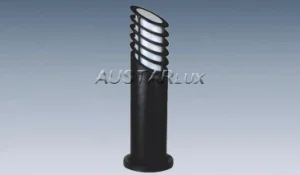
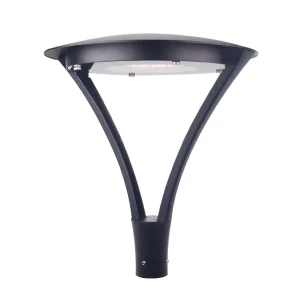
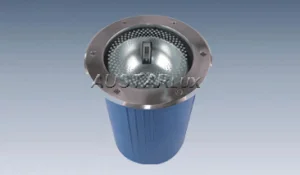
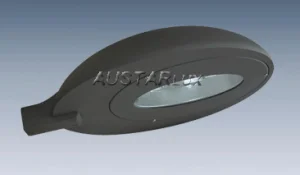
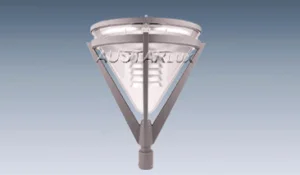
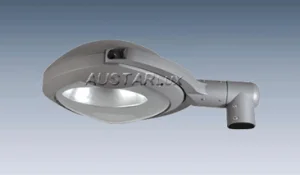
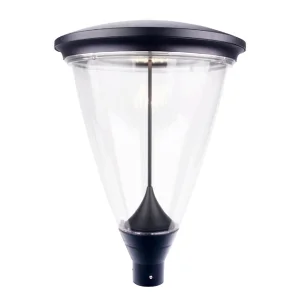
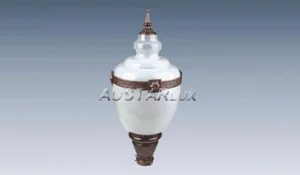
The progression of LED technology is deeply connected with innovations in sub-component materials and circuit architectures. Over the next decade, three major vectors will dictate the evolution of light engines designed for outdoor, roadway, and urban residential illumination:
Traditional SMDs rely on lead frames and wire bonds, which introduce thermal resistance bottlenecks. CSP eliminates the traditional sub-mount, allowing the die to interface directly with the PCB copper tracks. This shortens the thermal path, lowering thermal impedance and enabling modules to operate at higher drive currents without increasing junction temperatures ($T_j$).
Smart cities require adaptive light distributions. By combining multi-channel drivers with modular optical lenses, modern systems can shift photometrics from narrow pedestrian patterns to wide asymmetrical street layouts. This adaptive control reduces optical spill and prevents light pollution in residential zones.
Electrolytic capacitors in LED drivers are often the first component to fail under high-heat conditions. Solid-state driver-on-board (DOB) or direct high-voltage AC designs integrate rectifying components directly onto the board. This simplifies the electrical layout, extends systemic lifespan, and reduces overall fixture weight.
Established in 2003 and located in Ningbo, China, Austar Lighting Co., Ltd. spans a 10,000 square meter production facility. Backed by over 100 skilled professionals, including 10 technicians and 5 electrical/thermal engineers, Austar produces LED street lighting, urban classic fixtures, and architectural garden lights.
Our operational framework focuses on continuous technical development and collaborative design. Partnering with Italian industrial lighting designers, we maintain an updated consciousness of aesthetic trends, material science, and engineering practices. This integration of European design with Chinese manufacturing efficiency has enabled us to expand our market reach to 55 countries and regions, achieving a 100% export profile.
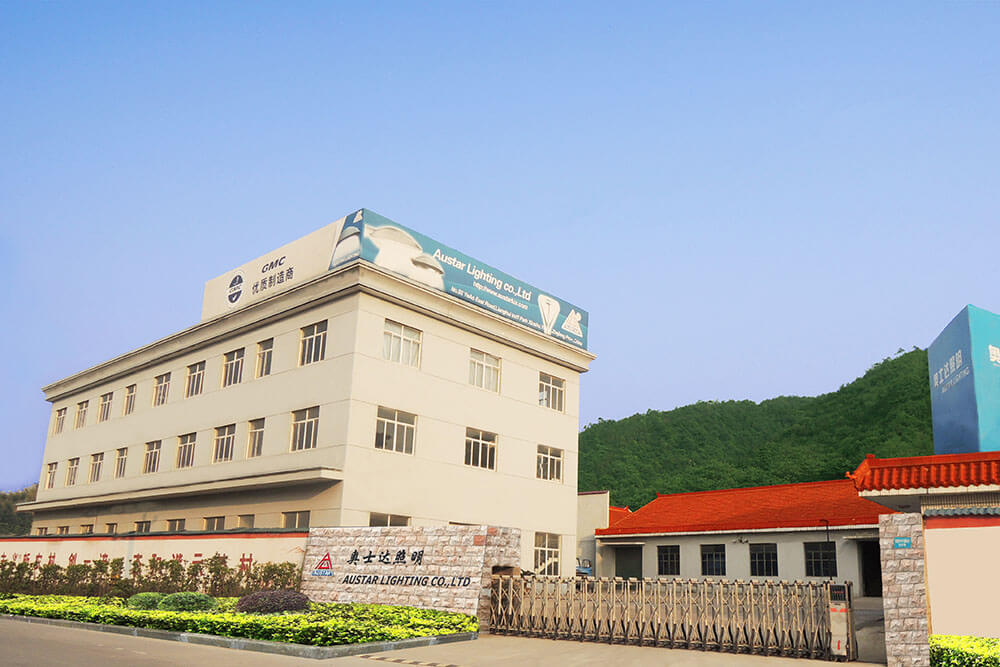
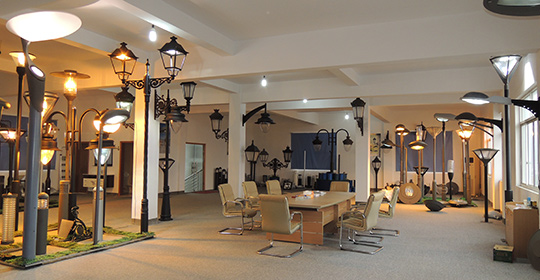
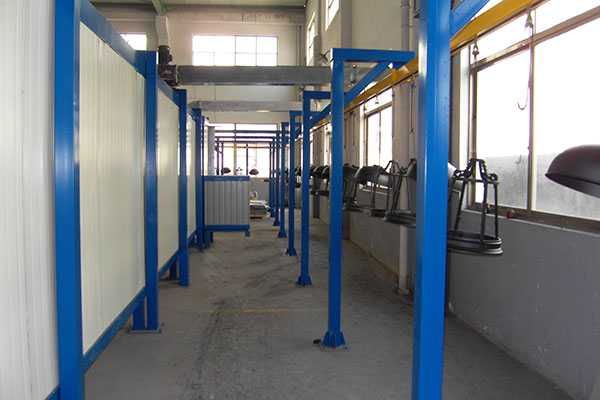
Our facility houses structural fabrication machinery, including 1000T, 700T, and 300T high-pressure die-casting presses. These machines allow us to cast complex aluminum enclosures with high thermal dissipation, providing heat sinks directly suited for our LED engines. Our production capabilities include an automated powder spraying line, three high-efficiency assembly lines, and two specialized aging chambers.
Our quality control process operates under ISO9001-14000 quality and environmental systems. With this setup, Austar achieves an annual production capacity of over 150,000 sets of finished luminaires and architectural lamp posts. Because we maintain our own design department and mold-making workshops, we can develop custom luminaires—from initial concept to finished product—in less than 30 days.
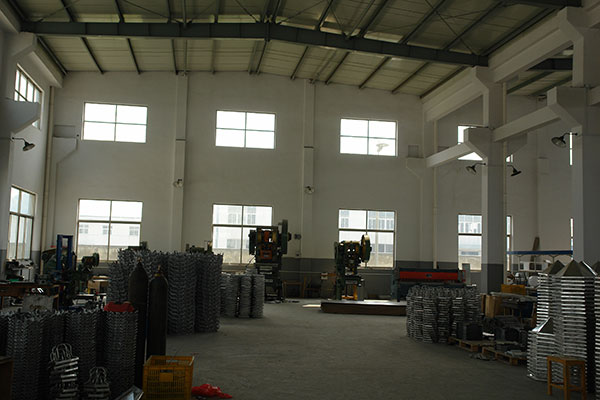
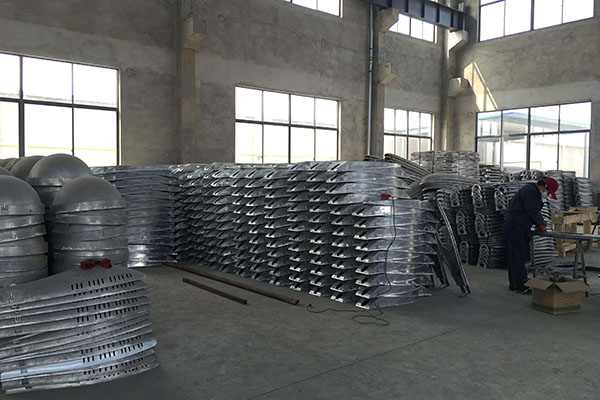
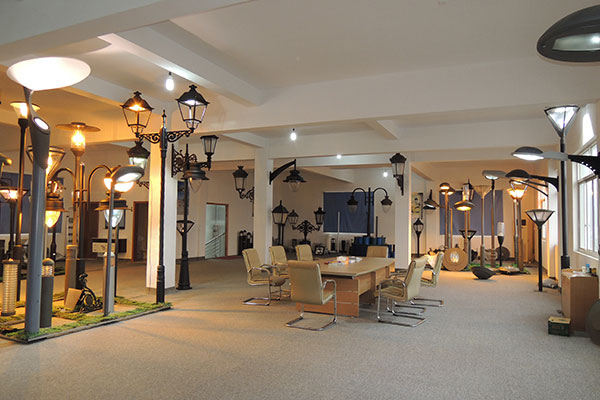
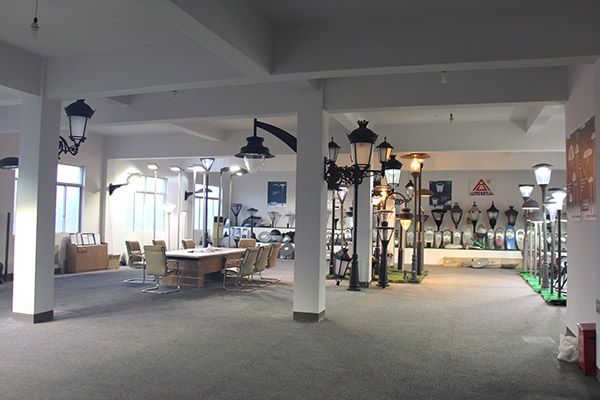
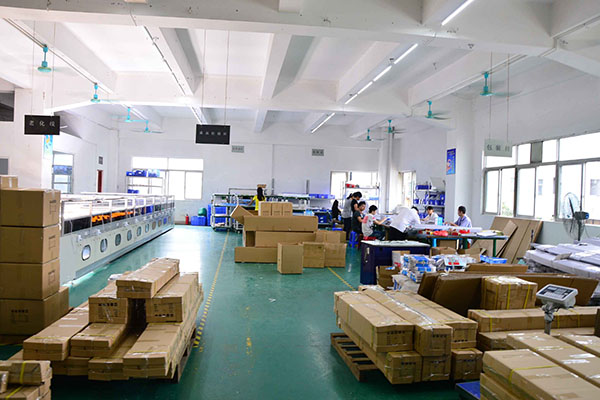
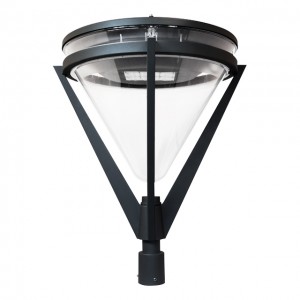
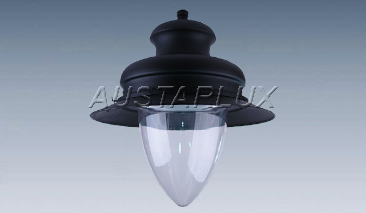
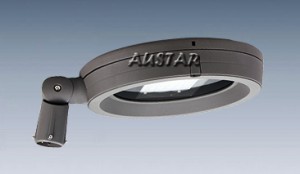
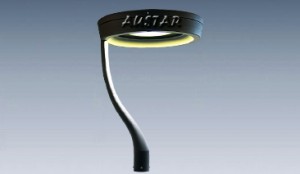
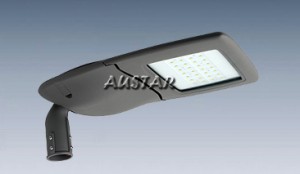
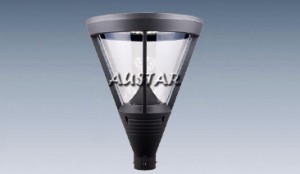
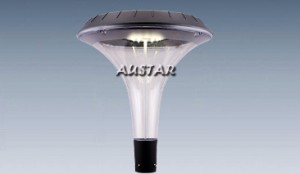
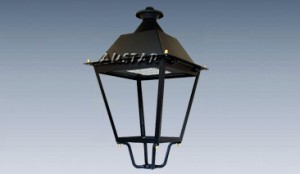
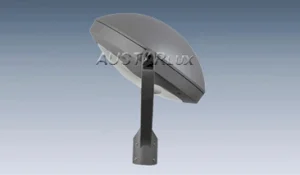
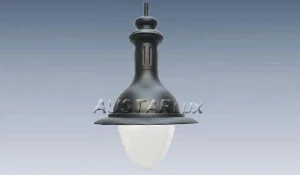
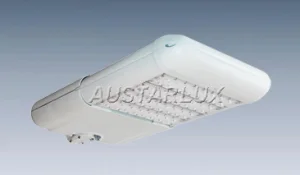
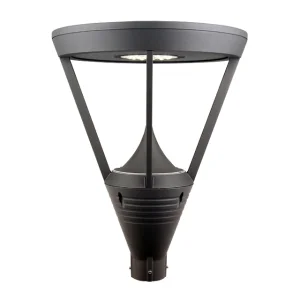
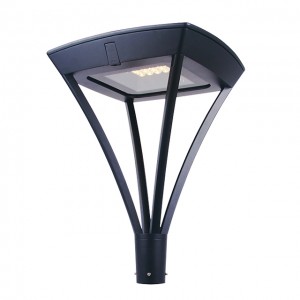
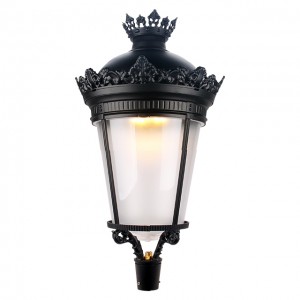
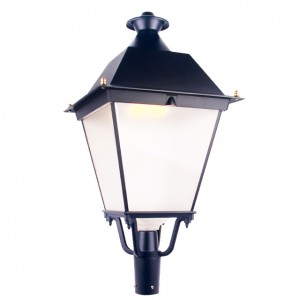
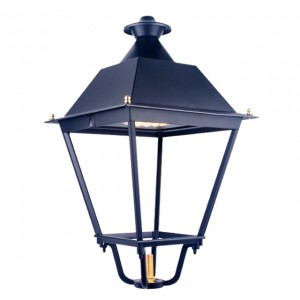
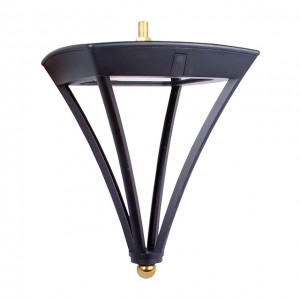
Our product portfolio ranges from functional high-efficacy street lighting to classic European urban lanterns, meeting the demands of global municipal infrastructure projects. Explore our premium offerings below:
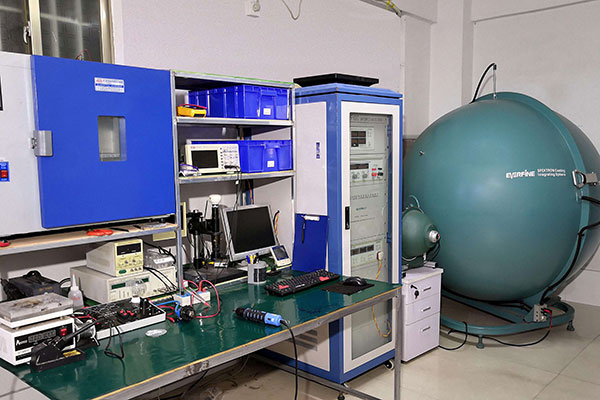
Solid-state lighting modules require verification before integration into municipal infrastructure. At Austar, our quality control team tests each production run to guarantee high performance in critical environments. Our testing protocol includes:
Using our photoelectricity integrating spheres and high-speed spectrophotometers, we map luminous flux, CCT, CRI, spectral power distributions, and chromaticity coordinates. This testing ensures compliance with international standards, keeping color consistency within 3-step MacAdam ellipses.
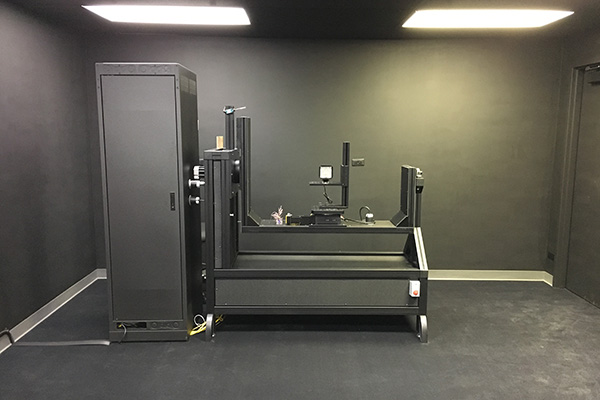
Our darkroom goniophotometer measures spatial intensity distributions, generating standard IESNA (.ies) and EULUMDAT (.ldt) photometric files. This data allows design engineers to run precise lighting simulations in software like DIALux.
Our ISO9001-certified testing lab conducts high-voltage insulation tests, electrical transient surge tests, high/low-temperature thermal shock cycling, mechanical impact resistance (IK ratings), and long-term salt spray testing to verify corrosion-resistant powder coatings.
Explore our full catalog of architectural streetlights, historical pendants, and high-efficiency roadway luminaires.
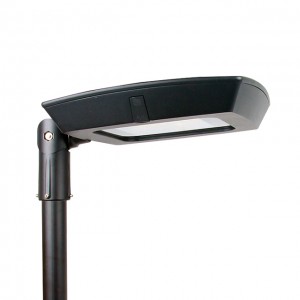
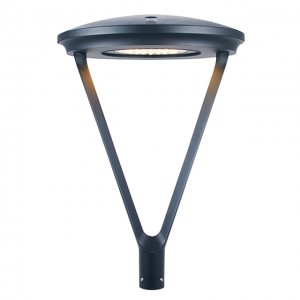
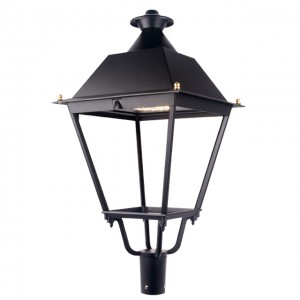
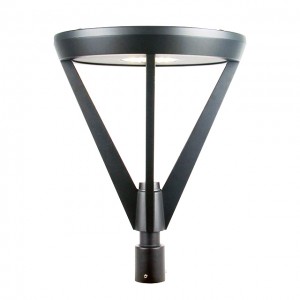
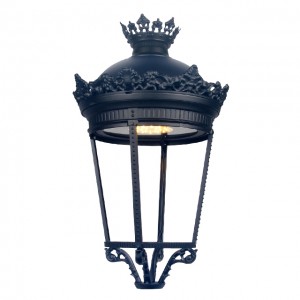
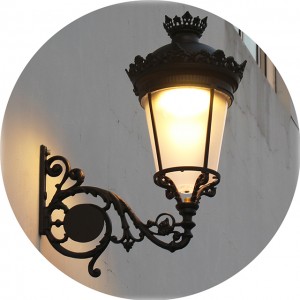
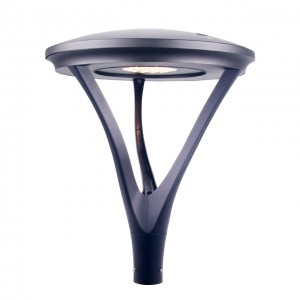
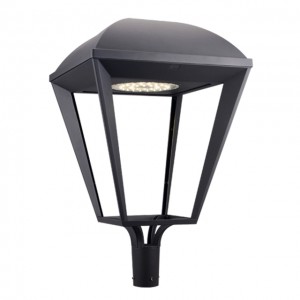
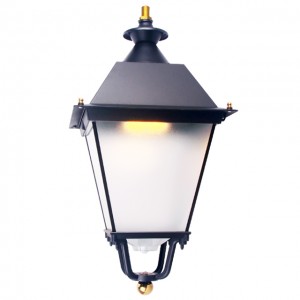
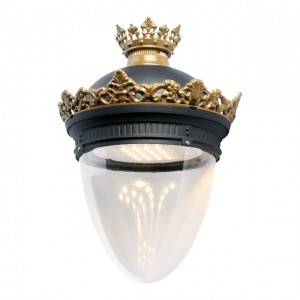
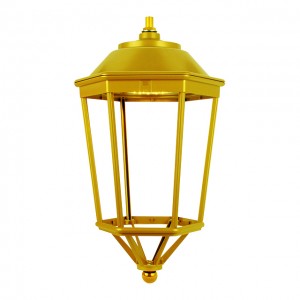
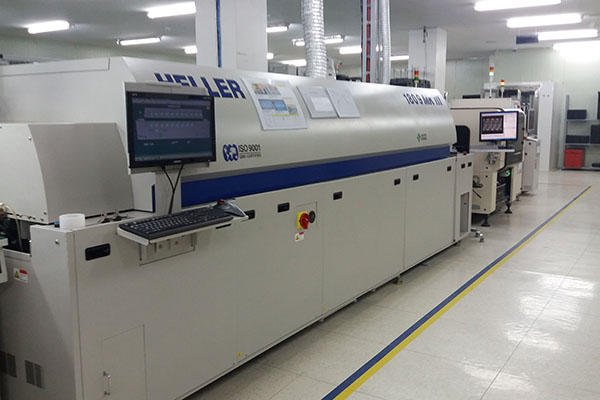
To better understand our custom integration capabilities and factory processes, watch our operations overview. This video covers our high-pressure die casting, automatic powder coating lines, clean-room SMT board placement, and structural testing procedures.
Get in touch with our engineering team for detailed photometric files (.IES), thermal modeling data, and volume pricing. We will contact you within 24 hours.
Inquire For Pricelist Austar