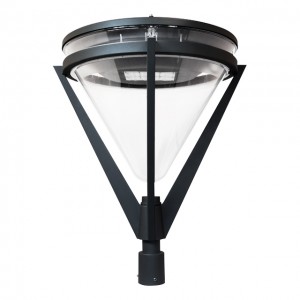
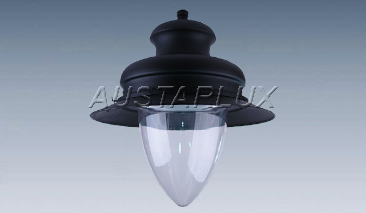
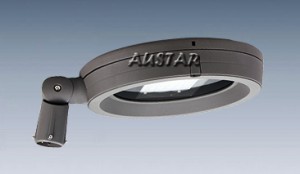
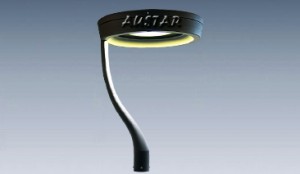
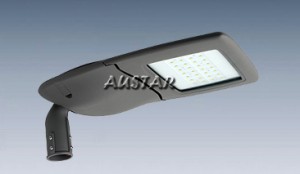
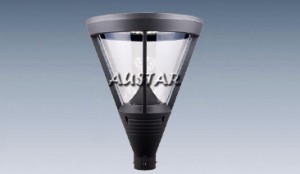
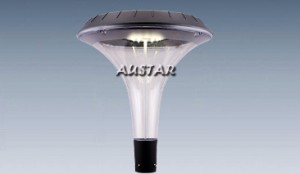
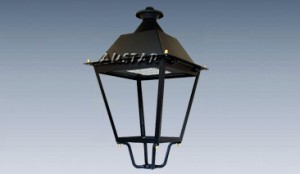
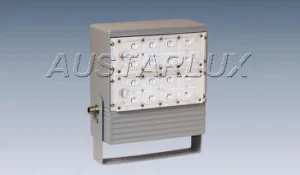
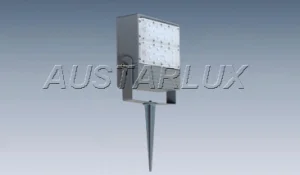
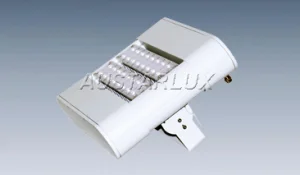
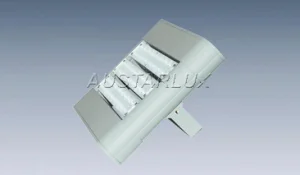
High-durability, IP66-rated exterior architectural and area lighting solutions engineered for peak optical efficiency.
Unveiling market dynamics, structural demands, and technical imperatives across international industrial zones.
The global transition to energy-efficient infrastructure has positioned high-power outdoor LED luminaires at the forefront of municipal, industrial, and maritime development. Over the last decade, the global market for LED flood lights has experienced a significant compound annual growth rate (CAGR), driven by stringent decarbonization laws, smart city initiatives, and the critical need to replace legacy High-Intensity Discharge (HID) and metal halide fixtures.
In mature markets such as North America and the European Union, retrofitting projects are heavily influenced by performance and safety standards, including DLC (DesignLights Consortium) premium listings and ENEC (European Norms Electrical Certification) marks. Sourcing agents in these zones prioritize suppliers capable of providing comprehensive photometrics, reliable thermal simulation reports, and traceable component supply chains (specifically focusing on LED chip package efficiency and driver longevity).
Meanwhile, in rapidly expanding industrial corridors across the Middle East, Southeast Asia, and Latin America, the focus is on extreme weather resilience. High ambient temperatures, corrosive saline atmospheres in coastal shipping ports, and volatile electrical grids require luminaires built to withstand demanding conditions. For an LED flood light supplier, maintaining market share requires more than simple assembly; it demands structural innovation, strict ISO-certified quality gates, and customized optical designs that deliver high lux performance with minimal energy consumption.
Designed with corrosion-resistant die-cast aluminum alloys, featuring marine-grade powder coating to withstand extreme saline environments in deep-water shipping docks and heavy manufacturing facilities.
Multiple optical lens arrays (asymmetric and symmetric distributions) designed to direct luminous flux exactly where needed, reducing light pollution and minimizing glare in compliance with dark-sky standards.
Equipped with 1-10V, DALI, and Zhaga/NEMA receptacle options, allowing seamless integration with localized smart city automation grids, motion detectors, and daylight sensors.
Leveraging decades of specialized engineering to manufacture elite outdoor architectural and urban illumination systems.
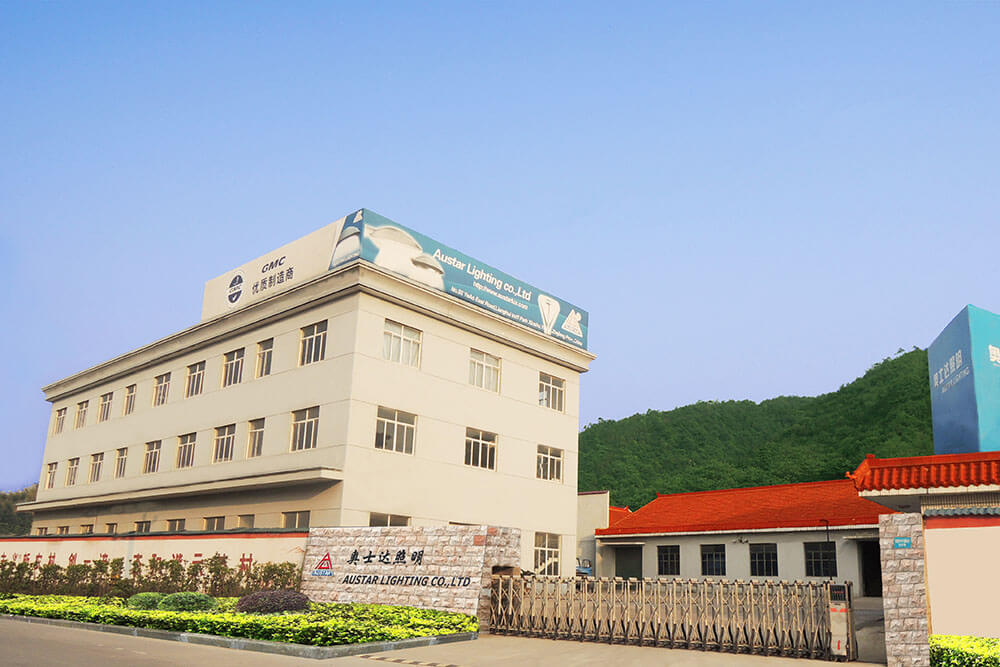
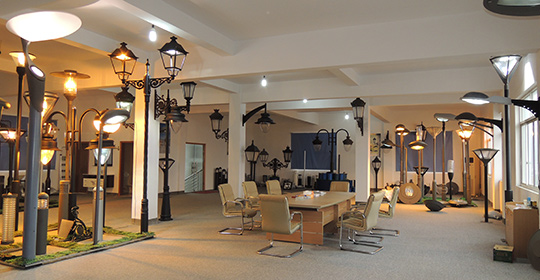
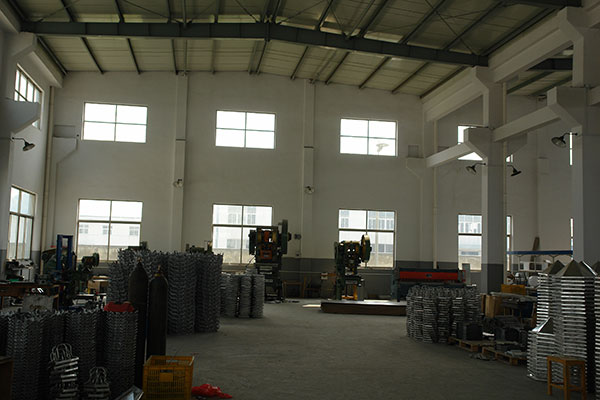
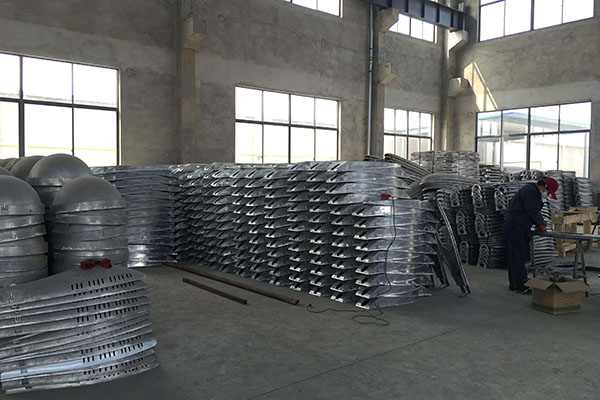
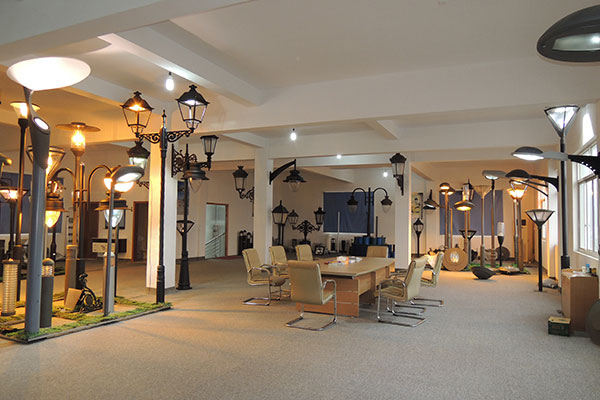
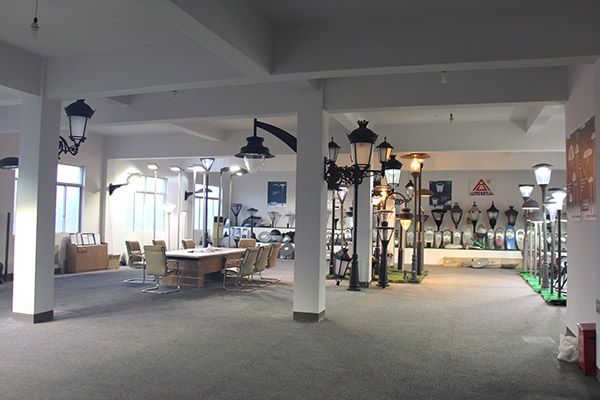
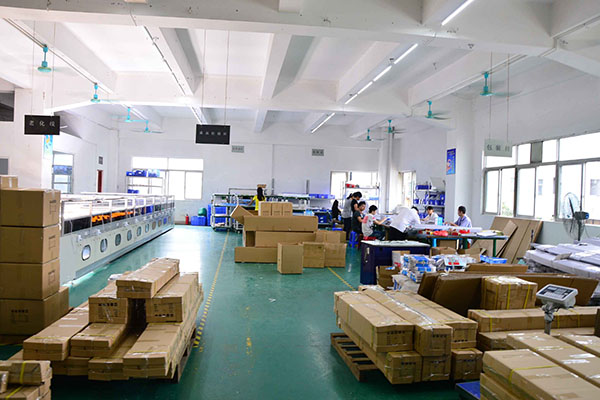
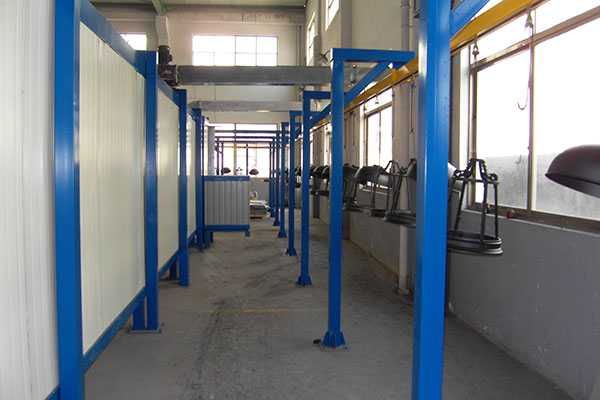
Austar Lighting Co., Ltd. is a leading manufacturer in Ningbo, China. Established in 2003, our facilities cover a 10,000㎡ production area and employ more than 100 dedicated lighting professionals. We specialize in producing premium LED street lights, architectural floodlights, and outdoor garden lighting fixtures, achieving an annual production capacity of more than 150,000 units.
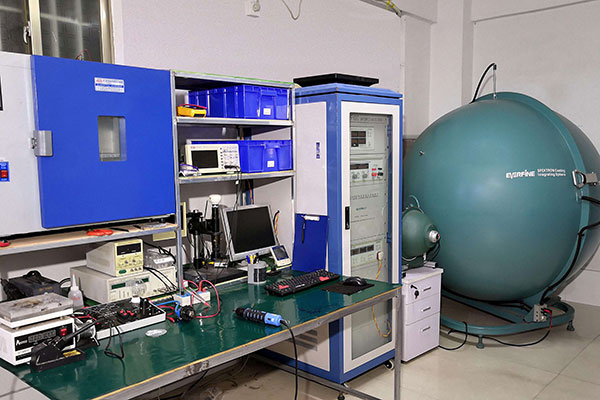
Collaborating with Italian lighting designers helps keep our product line innovative and aesthetically advanced. Today, 100% of our products are exported, serving commercial markets in 55 countries and regions. To ensure our products meet international quality expectations, we utilize advanced laboratory equipment, including photoelectricity integrating systems, electric current testing systems, salt spray testers, EMC testing facilities, and LED driver-load aging machines.
Our quality control team works in strict compliance with ISO9001-14000 quality management guidelines. All product lines have obtained ENEC, CB, CE, and LVD certifications, ensuring smooth import compliance and long-term operating reliability for municipal projects worldwide. We welcome OEM and ODM partner inquiries.
The technological and structural shifts shaping the future of global commercial lighting procurement.
The outdoor lighting industry is shifting from static, energy-efficient fixtures to dynamic, intelligent, and highly integrated illumination systems. A key driver of this shift is dematerialization—redesigning fixtures with fewer raw materials while improving structural strength and thermal management. By utilizing advanced thermal simulations and high-conductivity aluminum alloys, manufacturers can reduce the size and weight of floodlights, lowering shipping costs and reducing the static load on high-mast poles.
Another major trend is the widespread adoption of Zhaga-D4i ecosystems. Traditionally, outdoor lights relied on proprietary control interfaces. The standardization of NEMA and Zhaga receptacles allows municipal operators to install third-party wireless control nodes, photocells, and IoT sensors without replacing the entire luminaire, protecting their capital investment.
Ecological impact is also shaping development priorities. Designers and environmental agencies are increasingly specifying luminaires that minimize blue-light emissions, which can disrupt local ecosystems. In response, manufacturers are developing options with warm color temperatures (2200K to 2700K) and precise light cut-offs to prevent light spill into sensitive natural areas.
Historically, the primary metric for outdoor lighting was system efficacy. Innovations in SMD packaging led to fixture efficiencies exceeding 150 lm/W, resulting in energy savings of over 60% compared to traditional metal halide systems.
The industry introduced custom optical lenses (asymmetric distribution) to direct light and prevent spillover, alongside smart control integration (DALI, 0-10V, and wireless sensor nodes).
Modern development focuses on modular, repairable designs, clean manufacturing, low-carbon materials, and eco-friendly warm-spectrum arrays that minimize light pollution.
Adapting advanced floodlighting technology to satisfy diverse environmental demands.
Coastal environments demand high-durability fixtures. Marine cargo docks require heavy-duty floodlights tested to withstand continuous vibration, high winds, and corrosive salt air. IP66 ingress protection and specialized C5-M marine-grade coatings are critical to preventing structural breakdown.
Large industrial properties need high-mast lighting to ensure workplace safety. For applications like chemical plants, oil refineries, and heavy production yards, lighting must offer uniform horizontal and vertical illuminance, robust surge protection (up to 10kV/20kV), and reliable thermal management for continuous operation.
Athletic facilities require high-uniformity, low-glare lighting to support player performance and high-definition video broadcasting. Modern fixtures must feature a high Color Rendering Index (CRI > 80, TLCI > 80), precise beam distributions, and flicker-free operation compatible with slow-motion cameras.
The technological milestones set to define high-performance outdoor luminaires over the next decade.
The next generation of high-power outdoor lighting is moving toward intelligent system integration. Innovations in silicon carbide (SiC) electronics are enabling smaller, more efficient LED drivers that operate reliably at higher temperatures and offer built-in surge resilience. These advanced driver topologies, combined with high-density chip-on-board (COB) arrays, allow manufacturers to achieve higher output from compact fixture designs.
Future development will also rely heavily on tunable optics. Using liquid crystal lenses or dynamic reflector matrices, smart systems can adjust beam angles dynamically in response to changing weather, traffic, or security conditions. In addition, multi-spectral controls will allow luminaires to adjust spectral distributions in real-time, providing neutral white light for active work shifts and automatically transitioning to eco-friendly, low-blue warm spectrums during off-peak hours.
Transitioning from basic sensors to integrated IoT nodes that communicate over cellular, LoRa, or mesh networks to enable predictive maintenance and real-time power adjustments.
Developing adaptable lens designs that allow field-adjustable distributions, allowing installers to fine-tune beam angles on-site to match specific environment requirements.
Adopting eco-friendly raw materials, modular driver-and-engine designs, and housing assemblies optimized for easy separation, simplifying future repair and recycling processes.
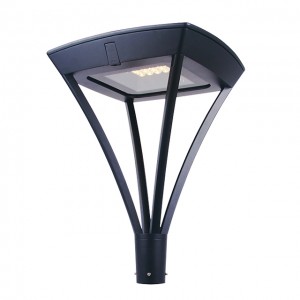
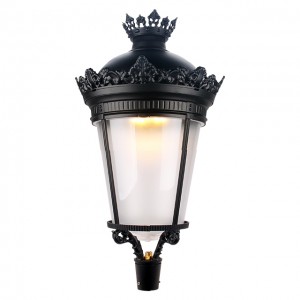
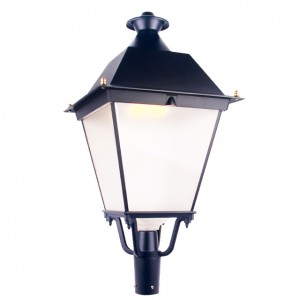
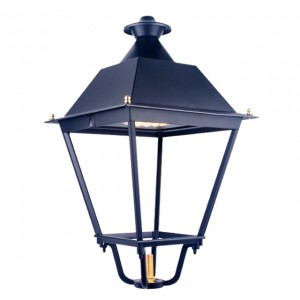
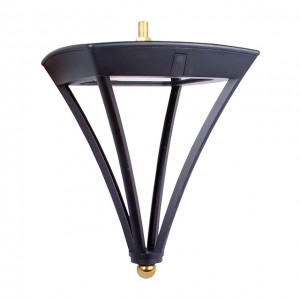
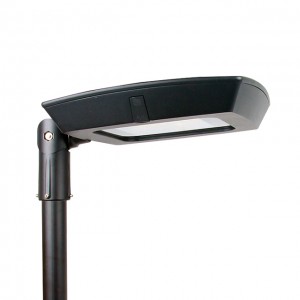
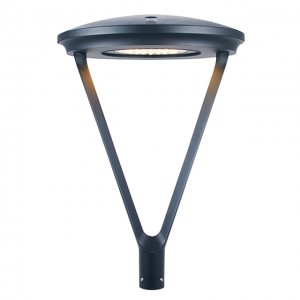
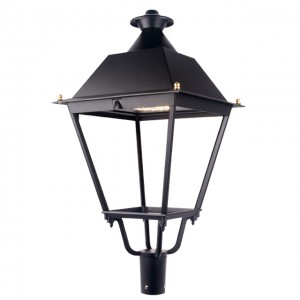
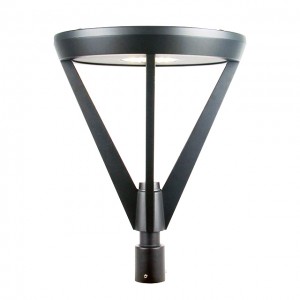
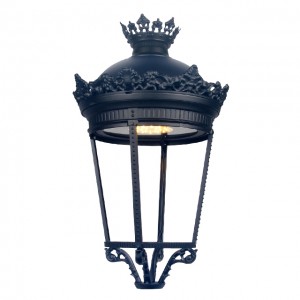
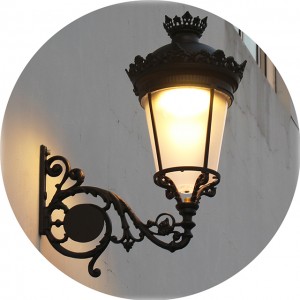
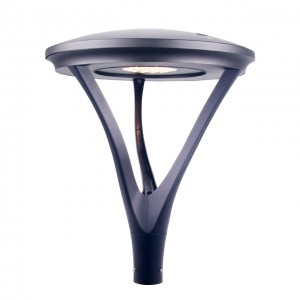
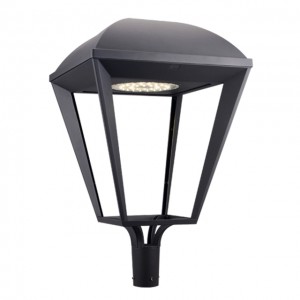
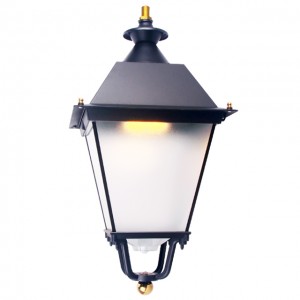
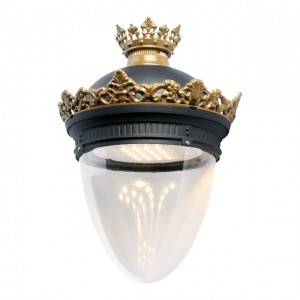
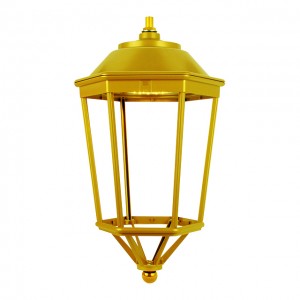
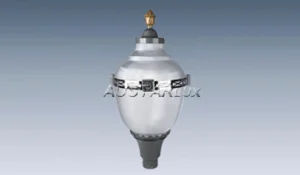
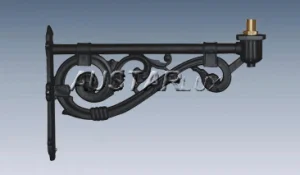
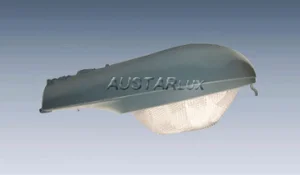
A comprehensive selection of urban, architectural, and classical illumination systems.
Technical and logistical insights from our engineering and support departments.
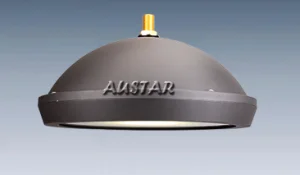
High-power outdoor LED luminaires engineered for industrial yards, municipal roadways, and sports facilities.
For inquiries about our products or pricelist, please leave your email and we will get back to you within 24 hours.
 Austar