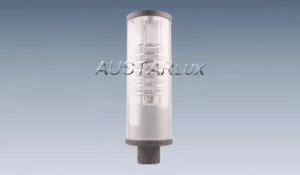
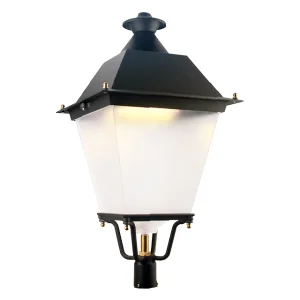
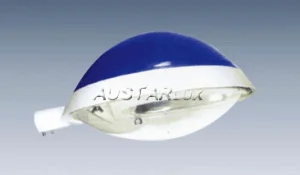
Select from our engineering-grade architectural luminaires designed for public parks, pedestrian plazas, and commercial landscapes globally.
Analysis of the global shifts in public illumination, urbanization demands, and international engineering standards.
The global park and urban outdoor lighting market is experiencing a significant paradigm shift, driven by rapid urbanization, smart city initiatives, and the critical need to upgrade municipal infrastructure to combat carbon emissions. Today, park lighting is no longer viewed simply as a utility to extend park operating hours; it is a critical component of municipal planning that impacts public safety, environmental sustainability, economic vitality, and citizen well-being. According to international market intelligence, the global smart public lighting sector is projected to reach several billion USD by 2030, growing at a Compound Annual Growth Rate (CAGR) of over 8.5%.
This massive expansion is fueled by the transition from traditional, highly inefficient gas-discharge and high-pressure sodium (HPS) luminaires to integrated, highly efficient solid-state LED systems. Modern urban developers and municipal procurement agencies require lighting solutions that combine high efficacy (lumens per watt) with long-term durability. Quality criteria are now defined not just by raw illumination levels, but by dynamic performance parameters such as the Unified Glare Rating (UGR), Color Rendering Index (CRI/Ra), photobiological safety levels, and the precise control of backward light spill to avoid light pollution.
Compliance with global norms like ENEC (Europe), CE, CB, and LVD certifications is standard for municipal bidding procedures. Our products ensure compliance with rigid international security, reliability, and manufacturing frameworks.
Advanced optical lensing architectures ensure precise light distribution patterns (Type I, Type II, and Type V asymmetrical distributions), minimizing glare, mitigating upward light pollution, and ensuring safe illumination thresholds.
By moving to smart LED systems, municipalities realize immediate energy reductions of 50-70%. Adding localized motion sensors and astronomical dimming schedules increases energy savings to up to 85%.
The technological forces shaping the future of public outdoor lighting, focusing on ecological compliance and IoT integration.
Modern park lighting is no longer isolated from the broader municipal network. The integration of NEMA and Zhaga (Book 18) socket controllers allows each luminaire to act as a data node within a wireless mesh network (using LoRaWAN, Zigbee, NB-IoT, or cellular protocols). This connectivity allows municipal operators to monitor energy consumption, receive automated fault alerts, dynamically adjust lighting levels based on pedestrian density or environmental conditions, and collect environmental data through integrated auxiliary sensors.
Ecological sensitivity is a priority in modern landscape lighting design. The International Dark-Sky Association (IDA) guidelines outline rules to limit artificial light at night (ALAN). This has led to strict requirements for "Zero-Upward-Light" (U0 ratings in the BUG system) and the demand for warmer color temperatures. High-temperature cool white light (5000K-6500K) suppresses melatonin production in humans and disrupts wildlife behavior. As a result, global specifications favor 2200K, 2700K, and 3000K LED modules with customized distributions that focus light on the ground and prevent upward spill.
Sustainability in modern manufacturing requires clean-slate circular design. Our lighting systems are built with toolless access housings, allowing simple field upgrades of LED engines, optical lenses, and electronic drivers without requiring complete fixture replacements. By choosing modular components, park managers can update their lighting infrastructure to newer, more efficient standards over a 15-to-20-year period, minimizing e-waste and lowering lifecycle costs.
Customized lighting configurations tailored to meet distinct municipal and landscape environments.
Lighting for pedestrian pathways requires a careful balance of uniform lighting, visual comfort, and low glare. High spacing-to-mounting height ratios are key to reducing the number of poles required while maintaining excellent uniformity (Emin/Eavg > 0.4). By utilizing asymmetrical Type II optics, light is directed along paths, minimizing spill onto surrounding lawns. Dimming schedules are typically set to 30% power during low-traffic hours (12:00 AM - 5:00 AM), with motion sensors bringing the system back to 100% output when pedestrians approach.
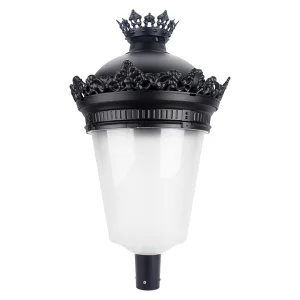
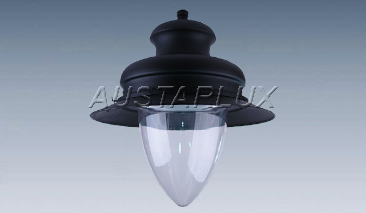
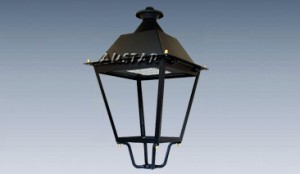
Historical districts require luminaires that complement classic design styles while housing advanced optoelectronic technology. Classic lanterns (such as our Borgo Sophia, Valentino, and Fernandino series) feature traditional cast aluminum covers but house modern LED light engines, high-purity micro-reflector optics, and warm 2200K CCT. This combination preserves the district's historical aesthetic while meeting modern performance and energy standards.
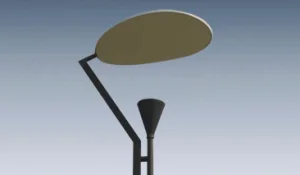
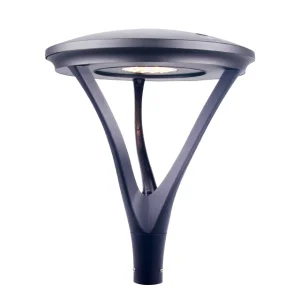
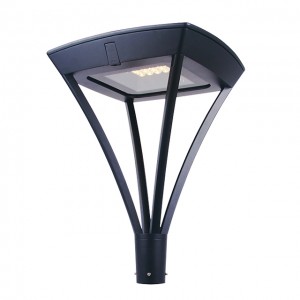
For modern downtown gathering areas, architectural lighting must offer both functional safety and aesthetic value. This is achieved using sleek, minimalist fixtures (like the FLEXIA and ELBA LIRA models) that blend into contemporary landscapes during the day and produce customized light patterns at night. In coastal and waterfront areas, luminaires must also feature robust C5-M marine-grade anti-corrosion protection, IP66 ingress ratings, and IK10 impact resistance to withstand harsh wind and salt conditions.
Ecological reserves require carefully targeted lighting to protect natural habitats. The core strategy is using Amber LED light engines (or ultra-warm CCT < 2200K) combined with deep optical shielding. This configuration directs light downward to pathways while shielding surrounding vegetation from light scatter, ensuring minimal disruption to nocturnal wildlife.
Austar Lighting Co., Ltd. is a leading manufacturer of professional outdoor lighting based in Ningbo, China. Since 2003, we have designed and produced high-performance outdoor luminaires that blend innovation, design, and engineering. With a 10,000㎡ manufacturing facility and over 100 dedicated professionals, we specialize in producing LED street lighting, urban garden lighting, and traditional luminaires. Our annual production capacity exceeds 150,000 sets, and we export 100% of our products to clients across 55 countries and regions.
Through our long-term collaboration with Italian industrial lighting designers, we maintain an innovative product development pipeline. To ensure our products meet strict international performance and reliability criteria, we utilize advanced quality testing facilities, including photoelectricity integrating spheres, dynamic current testing equipment, salt spray environmental chambers, an in-house EMC testing facility, and LED driver-load aging systems. All products comply with ENEC, CB, CE, and LVD standards, and we operate under the ISO9001-14000 quality management system, making us a trusted partner for global OEM and ODM projects.
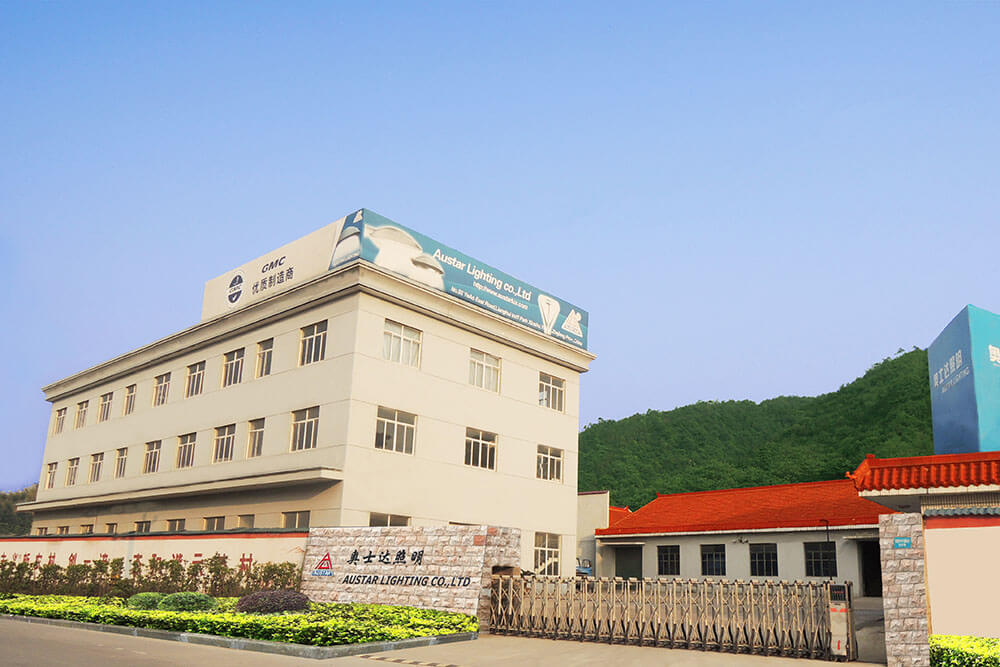
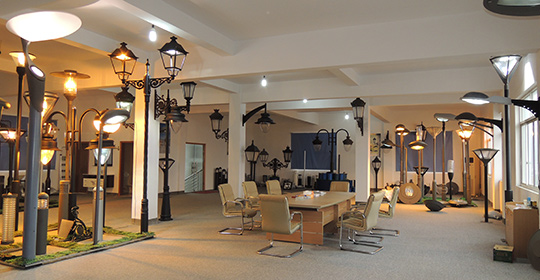
Our manufacturing facility is equipped to handle the entire production lifecycle internally. Key capabilities include high-capacity 1000T, 700T, and 300T cold-chamber die-casting machinery, which allows us to manufacture complex, rugged aluminum luminaire housings. Additionally, our facility features a fully automated electrostatic powder spray line, three assembly lines, and two specialized LED driver-load burn-in aging lines. This comprehensive production setup ensures that all luminaires leaving our facility perform reliably in demanding outdoor environments.
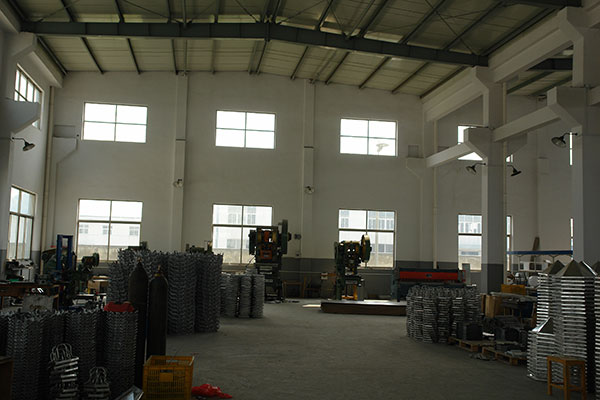
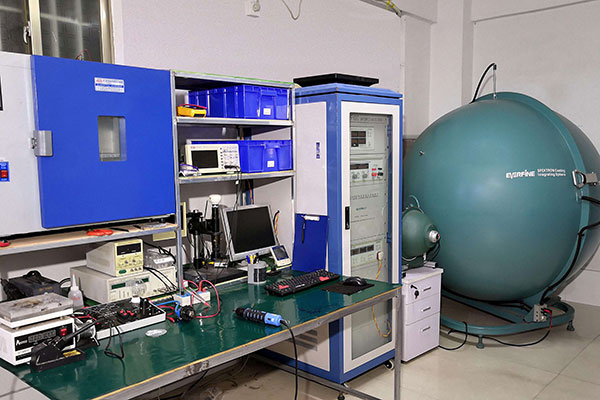
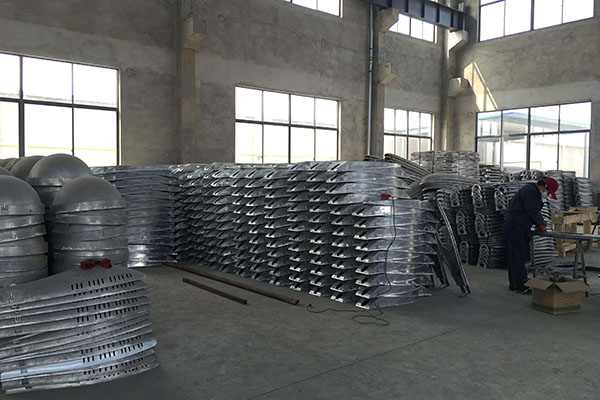
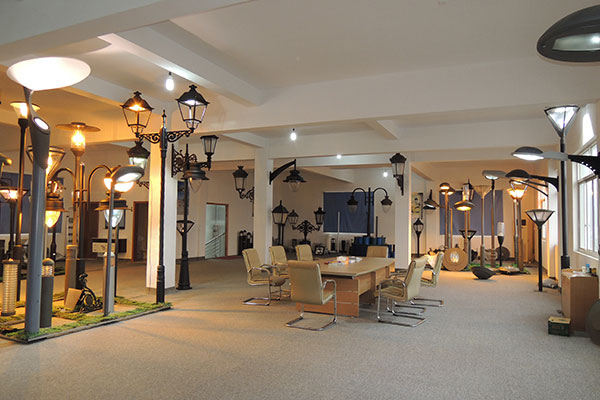
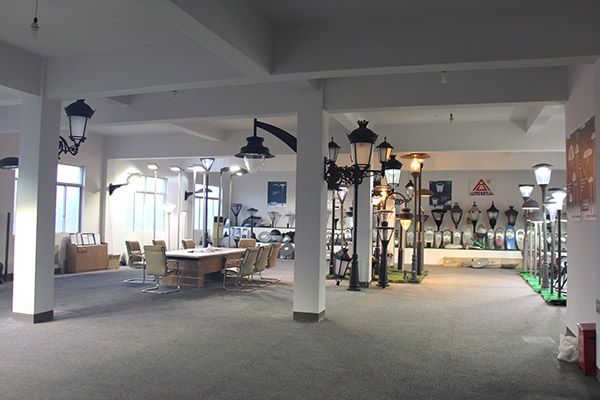
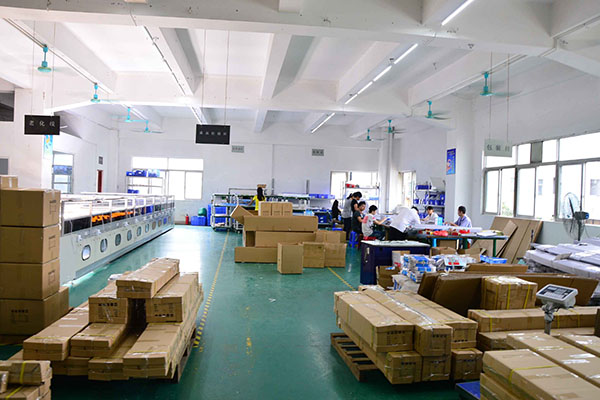
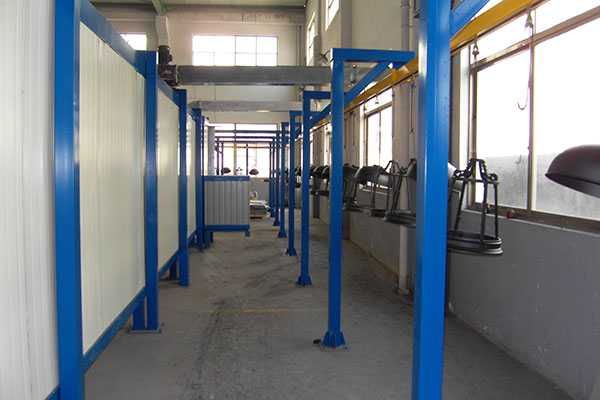
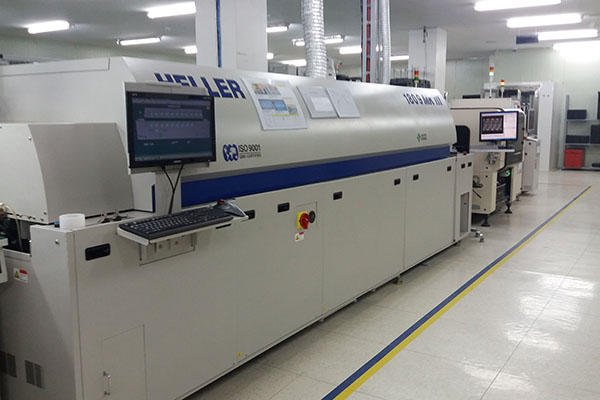
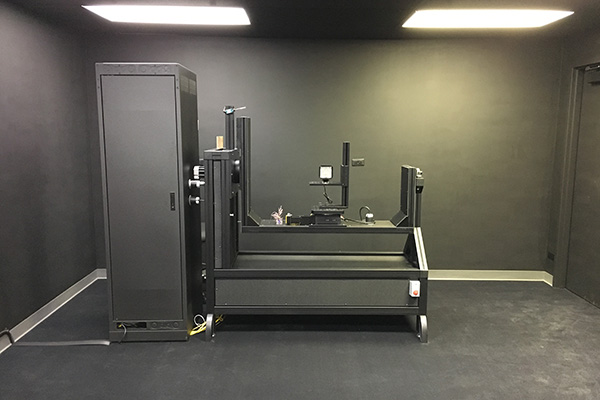
Watch our automated manufacturing processes, laboratory quality assurance testing, and luminaire assembly lines in action.
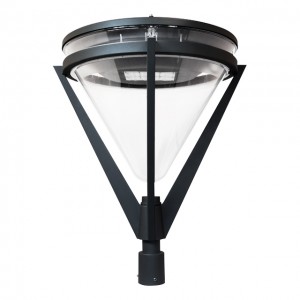
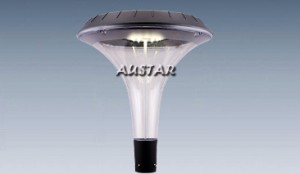
Discover our most popular post-top and decorative luminaires, designed in collaboration with European industrial designers.
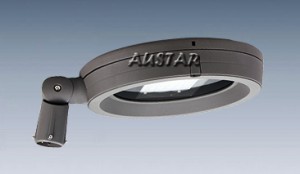
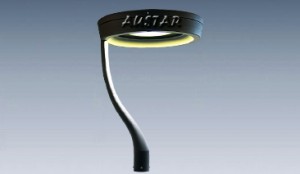
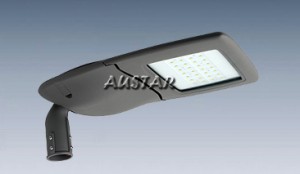
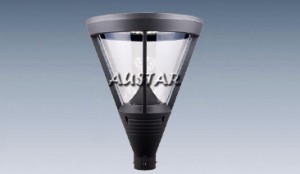
The technological direction of our R&D team, aligning with advances in optics, smart control nodes, and materials science.
As a leading exporter to 55 countries, Austar Lighting maintains an active R&D pipeline focused on emerging smart technologies. Over the next five years, our technology roadmap focuses on three main engineering priorities:
We are developing multi-channel LED drivers that automatically shift CCT throughout the night. Our luminaires can provide 4000K daylight-white lighting during early evening rush hours, and transition to a warmer 2200K golden spectrum during quiet late-night periods to protect ecological habitats and save energy.
Future iterations of our park luminaires will support integrated Edge-AI processors. Beyond basic motion sensors, these modules analyze pedestrian foot traffic trends, detect high-risk public safety anomalies, and adjust lighting levels dynamically to improve public security.
To extend luminaire life in high-temperature equatorial climates, we are testing graphene-based thermal management coatings. These coatings improve heat dissipation efficiency by 25%, maintaining the LED junction temperature below critical limits to extend the L90 lifetime past 100,000 operational hours.
Technical specifications, customization capacities, order processing, and logistics details.
Explore our complete range of architectural garden lights, heritage post lanterns, and modern landscape fixtures.
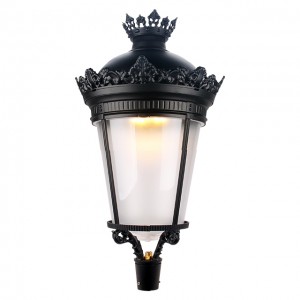
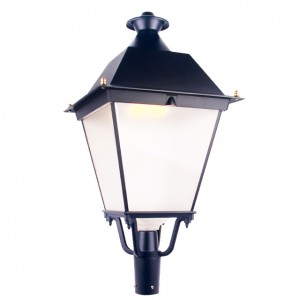
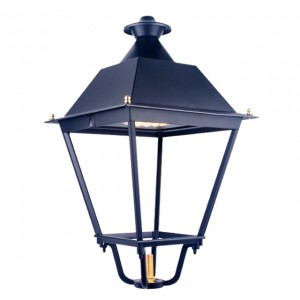
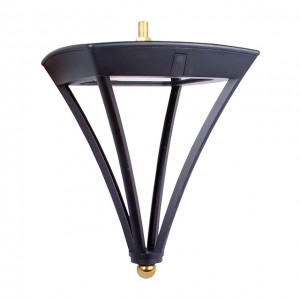
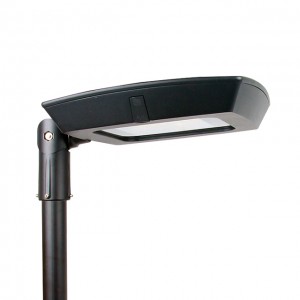
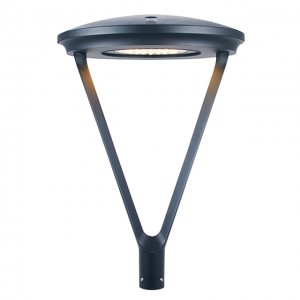
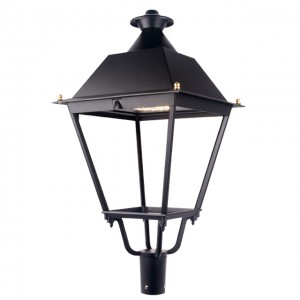
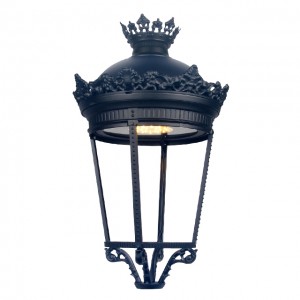
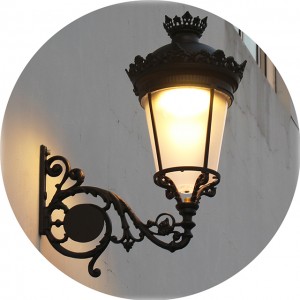
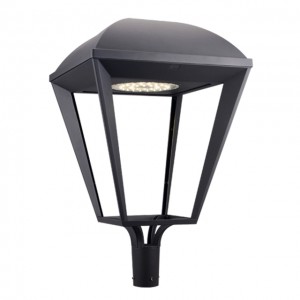
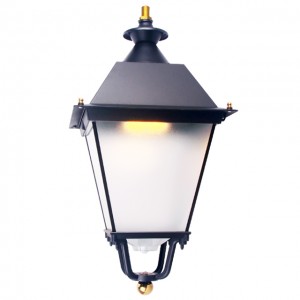
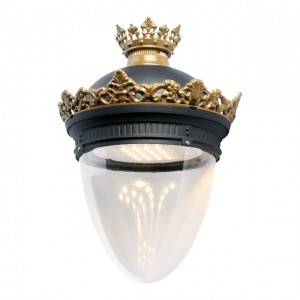
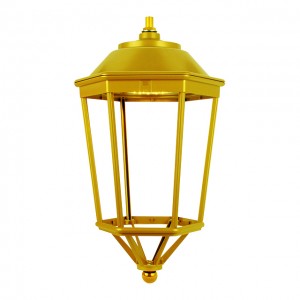
High-end classical configuration optimized for architectural heritage applications.
For inquiries about our park and landscape lighting products, custom OEM/ODM designs, or full price catalogs, please submit your contact details below. Our engineering and sales team will contact you within 24 hours.
 Austar