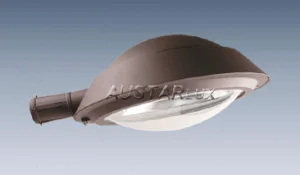
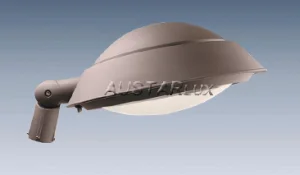
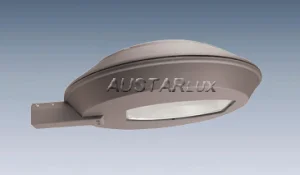
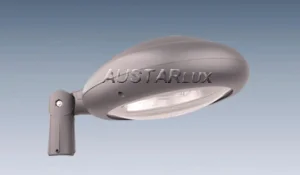
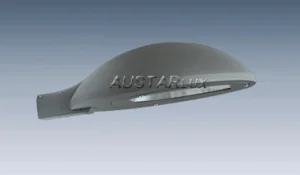
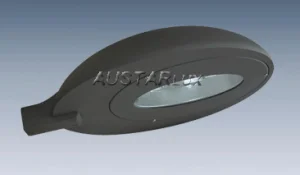
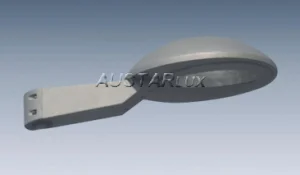
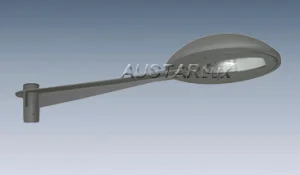
Engineered for durability, optical precision, and optimal power distribution across urban roadways and regional expressways.
Over two decades of engineering excellence in outdoor architectural lighting.
Exporting global-standard street lighting systems across Europe, Americas, & Asia.
Strict compliance under ENEC, CB, CE, LVD, and ISO9001-14000 certifications.
Custom die-casting molds & layout designs realized in less than 30 days.
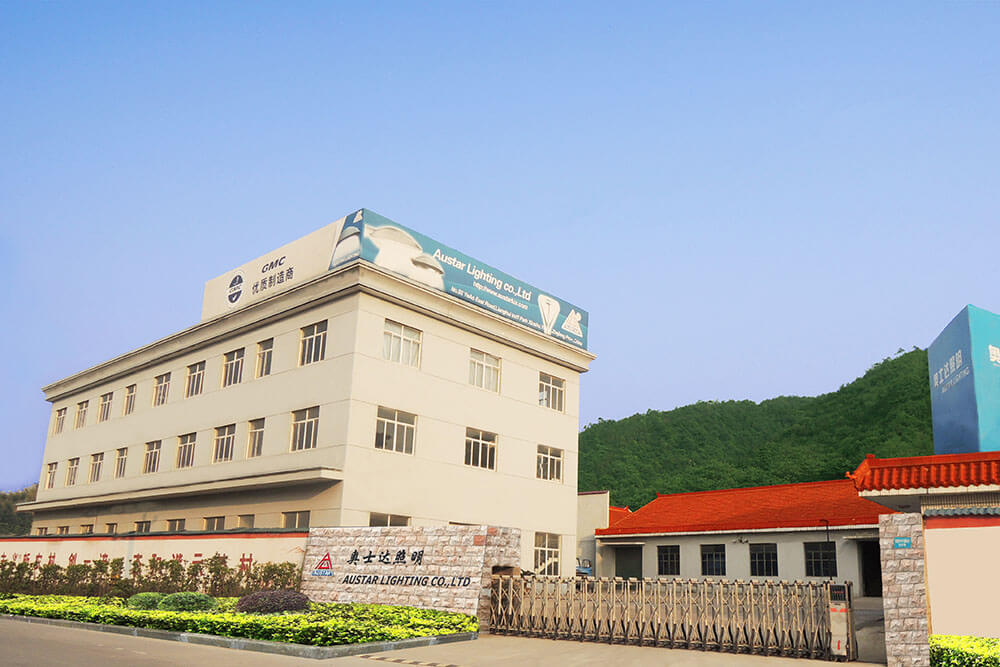
Modern municipalities, commercial developers, and heavy-industry operators face stringent mandates when selecting commercial street lighting suppliers. The requirements extend far beyond mere illumination. In the current era of green transitions, buyers demand robust energy-efficiency profiles (evaluated by high lumens-per-watt metrics), reliable longevity (exceeding 50,000 to 100,000 operational hours), and total structural integrity under extreme climate stress. Global procurement managers prioritize factories that can guarantee raw materials stability, standardized manufacturing pathways, and comprehensive localized regulatory compliance.
When selecting a manufacturing partner, sourcing departments look closely at the mechanical precision of die-cast housings, thermal management architectures, and component traceabilities. An optimized supply chain ensures that municipal tenders meet their target delivery timelines. A dependable factory is not merely a supplier but an engineering partner capable of resolving localized wind load factors, salty coastal atmospheric corrosion, and variable voltage grids.
Ready for smart environments, our street lights feature NEMA 3-Pin, 5-Pin, and 7-Pin receptacles alongside Zhaga Book 18 connectors, supporting standard smart photocells and complex LoRaWAN or NB-IoT controllers for remote monitoring.
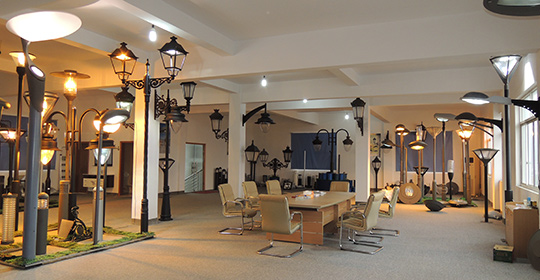
Collaborating closely with Italian lighting designers, we maintain an innovative, contemporary aesthetic that integrates seamlessly into both modern urban centers and heritage historic zones.
High-transmittance PMMA and polycarbonate lenses deliver precise beam distributions (Type I, II, III, IV, and V) to eliminate glare, reduce light pollution, and maximize pole spacing ratios.
Smart cities represent the zenith of contemporary urban planning. Street lighting poles have transcended their traditional role of simple nocturnal illumination to become critical data-gathering and communication nodes. By integrating dynamic dimming protocols, motion sensors, and automated fault reporting systems, municipalities can slash energy usage by up to 70% compared to traditional HID lighting. Beyond energy conservation, smart roadway systems improve public safety, facilitate traffic tracking, and lay the infrastructure foundation for autonomous vehicle communication (V2X).
At Austar Lighting, our engineering focus centers on creating modular, future-proof frameworks. Our luminaires are constructed with isolated driver compartments that keep critical electronic gear separated from the main LED light engine. This separation drastically reduces operating temperatures and simplifies maintenance cycles, allowing field technicians to upgrade drivers or smart modules in minutes without replacing the entire fixture.
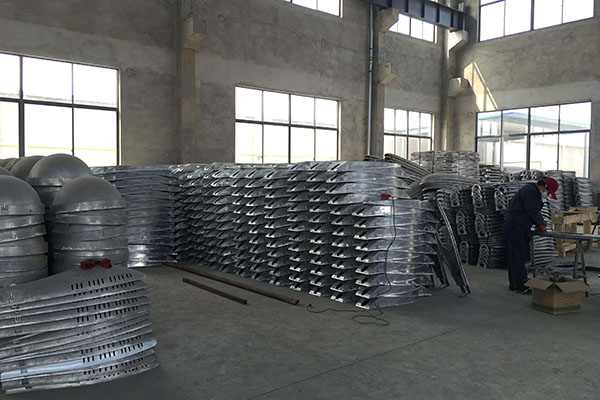
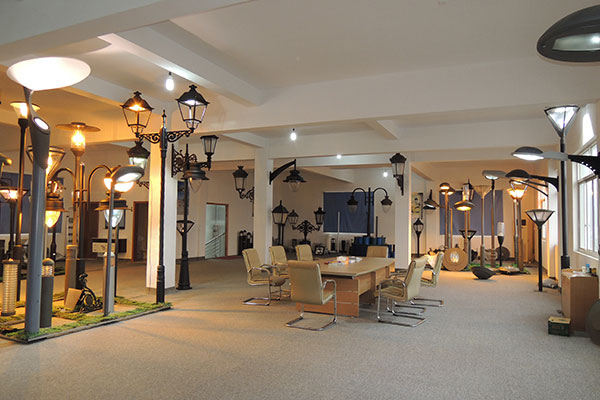
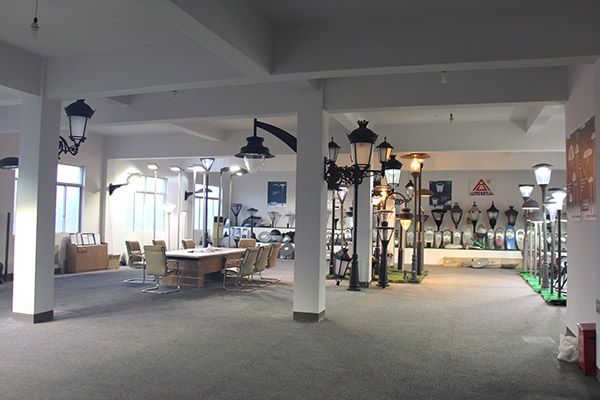
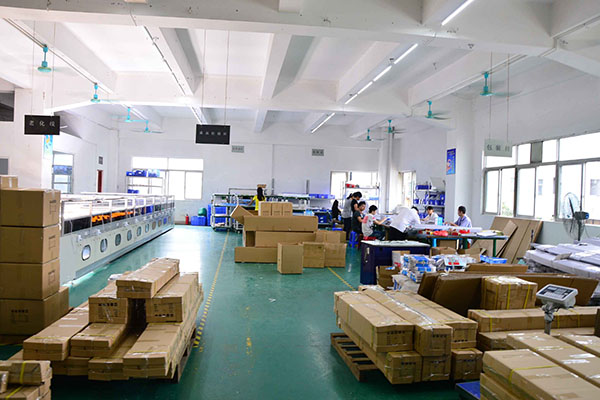
A deep dive into our 10,000㎡ state-of-the-art production complex in Ningbo, China.
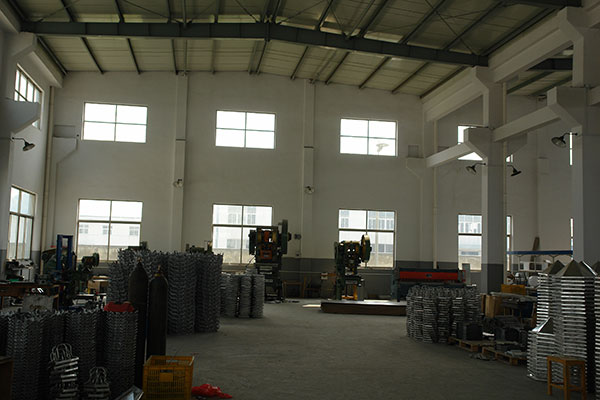
Austar’s structural integrity begins in our heavy machinery department, equipped with high-pressure die-casting units ranging from 300T and 700T to a massive 1000T capacity. These systems handle structural aluminum alloys, stamping out dense, void-free housings that withstand high winds and hard impacts (IK08 to IK10 ratings). Following casting, our components go through a fully automated electrostatic powder coating line. This treatment cures a protective, UV-stabilized layer that prevents degradation, chalking, and corrosion from sea air and chemical emissions.
With an annual capacity exceeding 150,000 light fixtures, our production is backed by 3 high-volume assembly lines and 2 automated LED aging lines. These resources allow us to scale production quickly for large municipal bids while maintaining the delicate hand-assembly details needed for custom architectural orders.
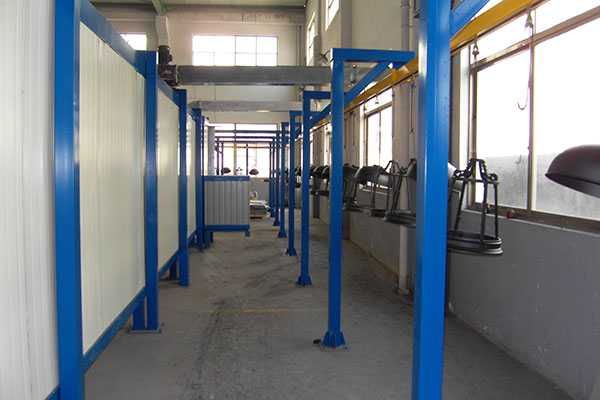
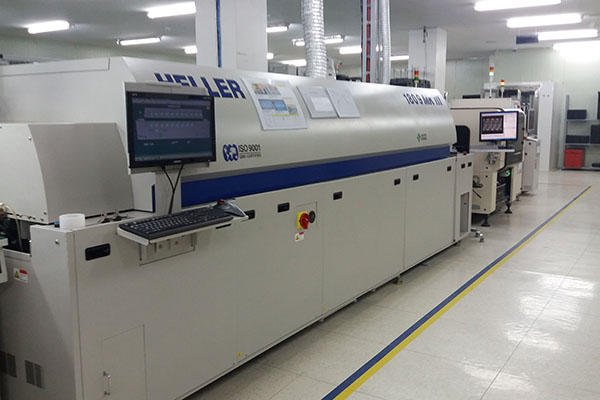
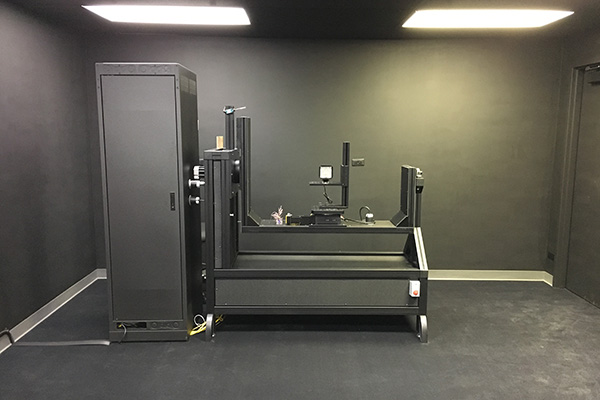
Facility Footprint
Annual Production
Skilled Employees
R&D Engineers
The outdoor lighting industry is evolving rapidly, driven by developments in semiconductor chemistry, optical design, and networking software. The transition from legacy High-Pressure Sodium (HPS) and Metal Halide (MH) systems to Solid-State LED technology is mature, but the current challenge centers on optimization. Modern technical roadmaps focus on maximizing Luminous Efficacy (lm/W), improving Color Rendering Indices (CRI), and engineering precise Correlated Color Temperatures (CCT) that minimize ecological impact on local wildlife.
Additionally, the integration of solar photovoltaic modules with lifepo4 battery packs has created standalone, off-grid street lighting solutions. These systems bypass expensive trenching and grid-cabling costs, making them ideal for rural developmental routes and eco-sensitive parks. Austar's product engineers are actively designing next-generation systems with smart thermal throttling. These fixtures use integrated sensors to adjust power load in real time, preventing thermal runaway and extending driver lifespans in tropical zones.
Austar's research team works alongside Italian design firms to ensure our fixtures balance technological utility with high-end aesthetic appeal, ensuring visual value in every product line.
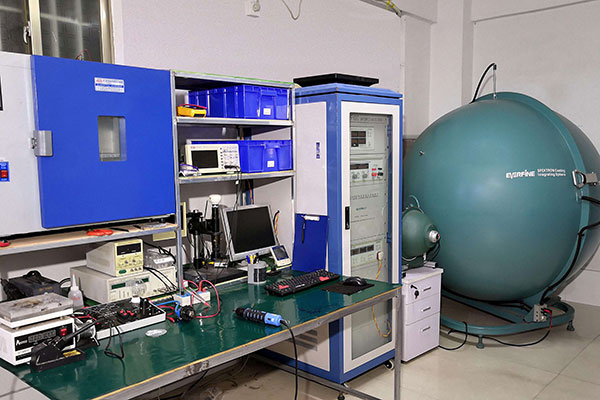
To ensure absolute field reliability, every batch of luminaires is subjected to extreme environmental simulation at our in-house laboratories.
Using integrating spheres and spectral analyzers, our team measures luminous flux, color temperature (CCT), color rendering (CRI), and spatial distribution to ensure consistency with design parameters.
All outdoor designs undergo intense high-pressure water jet spraying and submersion tests to confirm IP65, IP66, and IP67 ratings, keeping internals dry in severe storms.
We test driver load profiles, electromagnetic compatibility (EMC), and high-voltage surge protections up to 10kV/20kV to protect against local grid fluctuations and lightning strikes.
Die-cast parts spend hours in salt spray chambers to verify corrosion resistance, ensuring long service life in coastal and marine environments.
Fixtures undergo high/low temperature cycles (-40°C to +55°C) and continuous aging under load to spot any early component issues before shipping.
Simulating seismic events and roadway vibrations, our physical impact testers ensure structural integrity under sustained vibration and IK-rated impacts.
Technical answers, regulatory explanations, and commercial guidelines for global procurement managers.
Our sales engineering team operates across time zones to keep communications fast. We guarantee a detailed response, including preliminary technical feedback, within 12 hours on workdays.
We operate our own dedicated fixture manufacturing facility and an associated pole production plant in Ningbo, China. Holding full export and import licenses, we manage every step from initial design to customs clearance.
Our portfolio features outdoor LED street lights, architectural garden lamps, plant lights, street lighting poles, outdoor wall fixtures, and customized urban bollards.
Yes, we specialize in OEM/ODM projects. Our technical team can design and build custom fixtures from customer drawings or physical samples, including unique internal driver layouts and custom optical arrays.
Spanning a 10,000㎡ production area, our facility includes 1000T, 700T, and 300T die-casting machinery, a fully automatic spray coating line, 3 assembly lines, and 2 dedicated LED aging stations, yielding an annual capacity of 150,000 luminaire sets.
We operate under a strict ISO9001-14001 Quality and Environmental Management System. We perform stage-by-stage inspections through assembly and conduct a 100% QA check on all finished items in line with international testing standards.
Our export footprint covers 55 countries, with primary markets including the USA, Germany, Japan, Spain, Italy, the UK, South Korea, Australia, and Canada.
Our structural engineering and tooling teams can move from initial design drafts to finished casting molds and prototypes within one calendar month.
We offer flexible commercial terms including FOB, CIF, and CFR. Standard production runs require a 30% deposit with the remaining balance due against B/L copies, settled via T/T or L/C at sight.
Our facility is located close to the Port of Ningbo and the Port of Shanghai, providing convenient sea transport. Air shipments route through nearby Ningbo Lishe International Airport or Hangzhou Xiaoshan Airport.
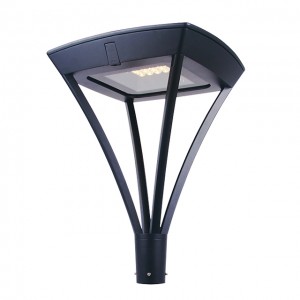
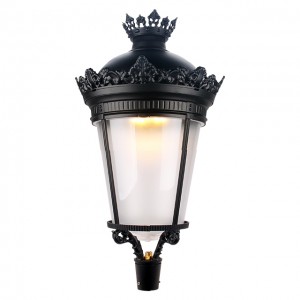
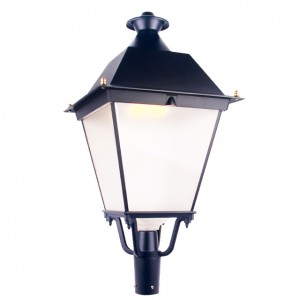
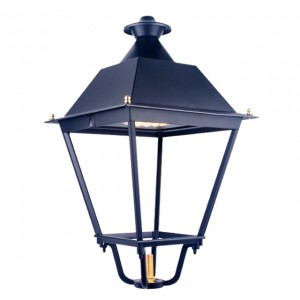
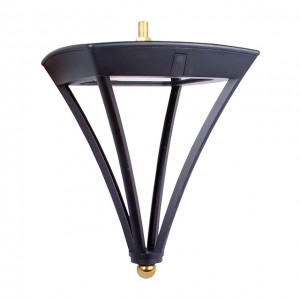
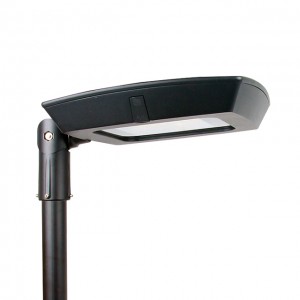
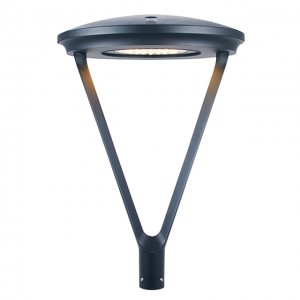
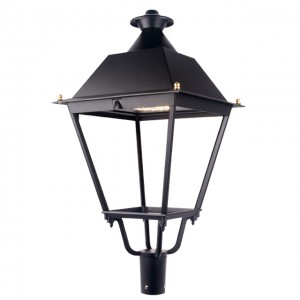
A curated selection of urban lighting systems blending classic form factors with modern LED performance.
Connect with our engineering office to receive photometrical calculations, structural files, and bulk pricing schedules within 24 hours.
 Austar