Premium solutions optimized for Melbourne Municipal Councils, ensuring visual comfort, high efficacy, and optical control.
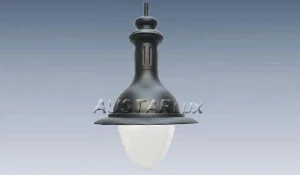
Specially modified for decorative laneways and boulevard retrofits. Delivers high efficacy combined with an elegant, glare-controlled design.
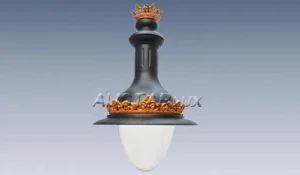
Engineered for coastal humidity and saline environments. Perfect for riversides and urban waterfront walk paths.
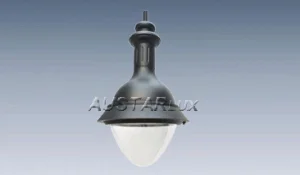
Offers historical integrity for conservation zones while integrating modern LED optical platforms for pedestrian comfort.
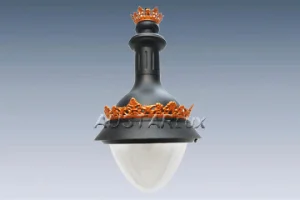
Standardised with 7-Pin NEMA receptacle. Supports dynamic dimming controls and integration into IoT-managed city platforms.
An analytical evaluation of engineering specifications, compliance mandates, and the shift towards human-centric luminaire designs.
The municipal councils within metropolitan Melbourne demand municipal and roadway lighting fixtures that strictly align with AS/NZS 1158 standards (Lighting for roads and public spaces). These regulations divide public lighting into Category V (Vehicular traffic pathways) and Category P (Pedestrian paths, plazas, and suburban walkways). Any urban luminaire installed must demonstrate optimized light distribution to maximize pole spacing and uniformity while keeping glare (specifically Threshold Increment) below the strict thresholds outlined by VicRoads.
Furthermore, Melbourne’s distinct geographical layout—ranging from high-density waterfronts at Docklands and Port Melbourne to heritage areas like Carlton and Fitzroy—requires physical configurations that can withstand marine corrosion while preserving neighborhood aesthetics. Outdoor luminaires used in Victoria must use marine-grade aluminum casings with less than 0.1% copper content, combined with high-grade multi-layer polyester powder coatings, to resist coastal salt spray and high UV radiation.
Melbourne municipal boundaries are increasingly enforcing "Dark Sky" principles to limit light pollution and protect urban wildlife. This means specifying luminaires with an Upward Light Output Ratio (ULOR) of 0% and utilizing Warm CCT values (typically 2700K to 3000K) to limit disruptive blue-light emission in pedestrian zones and adjacent reserves.
Globally, and especially across the City of Melbourne’s Smart City Strategy, the streetlight is no longer a passive utility. Modern urban planning specifies standard installations equipped with 7-Pin NEMA or Zhaga Book 18 receptacles. These interfaces allow local councils to snap on intelligent nodes that connect to Central Management Systems (CMS) using protocols like DALI-2, LoRaWAN, NB-IoT, or Zigbee.
Through real-time telemetry, these systems allow asset managers to track energy consumption, schedule adaptive dimming curves based on pedestrian volume, and receive automatic maintenance alerts. This reduces overall energy profiles, cuts field audit costs, and extends the operational lifespan of the LED driver by managing thermal stresses.
| Specification Parameter | Requirement for Melbourne Pedestrian (Category P) | Requirement for Main Roadway (Category V) |
|---|---|---|
| Ingress Protection (IP) | Minimum IP65 (Optics & Gear box IP66 preferred) | Minimum IP66 (Hermetically sealed) |
| Impact Protection (IK) | IK08 to IK10 Vandal-Resistant | IK09 Minimum |
| Color Temperature (CCT) | 2700K - 3000K (Warm light to prevent circadian disruption) | 4000K (For maximum visual acuity and safety) |
| Smart Connectivity | Zhaga Book 18 Node interface preferred | ANSI C136.41 7-Pin NEMA interface |
| Corrosion Class | C4 minimum (C5-M for coastal sectors) | C5-M (Marine Grade) |
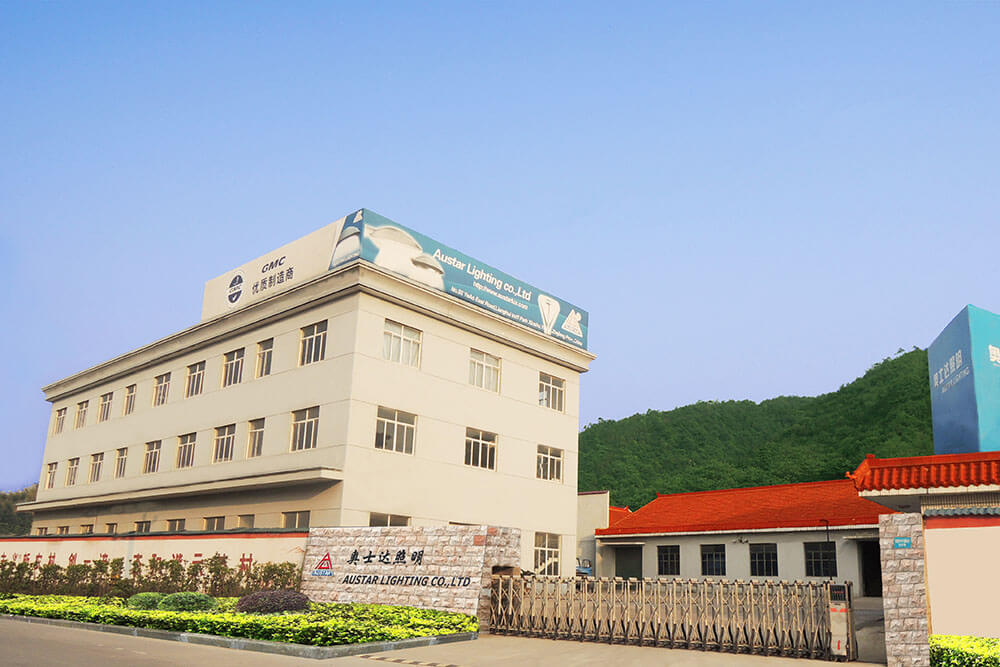
Established in 2003, Austar is a leading developer and manufacturer of high-performance outdoor LED street and garden lighting systems in Ningbo, China.
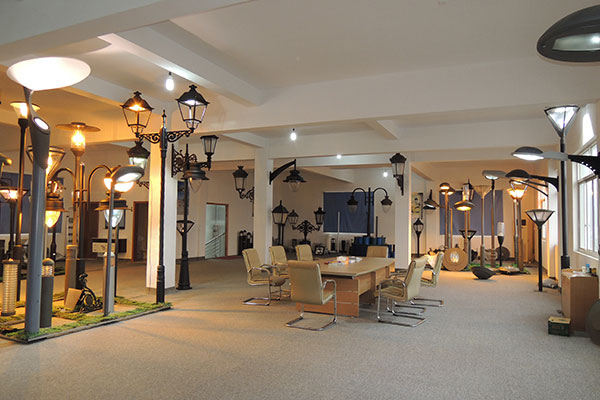
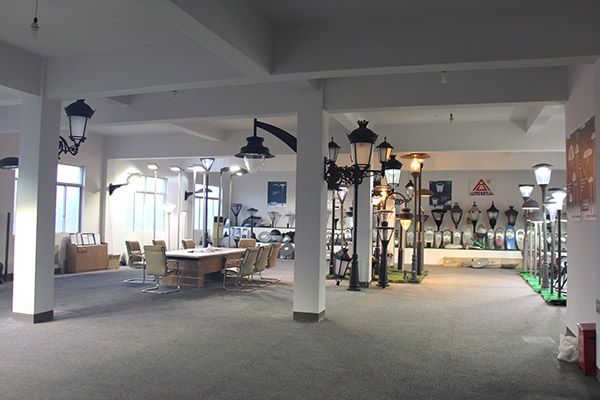
Operating from a 10,000㎡ state-of-the-art production area, Austar Lighting employs over 100 skilled professionals, including 10 dedicated technicians and 5 senior engineers. By collaborating with renowned Italian lighting designers, we maintain an innovative, forward-thinking aesthetic across all product lines. Our market reach spans 55 countries and regions, representing a 100% export orientation tailored to global markets.
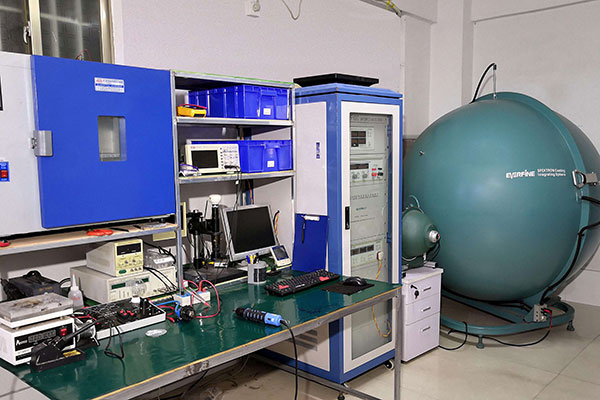
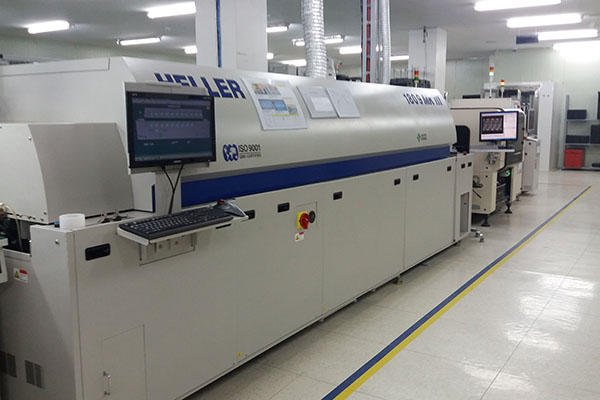
To ensure our products consistently meet your strict quality expectations, our facilities feature specialized testing equipment. This includes photoelectric integrating systems, electrical current testing benches, salt spray testing chambers, dedicated EMC facilities, and automated LED driver-load aging systems.
All our outdoor luminaires are backed by certifications including ENEC, CB, CE, and LVD. Guided by our ISO9001-14000 quality management systems, our quality control team works diligently across every assembly line to support OEM and ODM projects.
Send Inquiry Now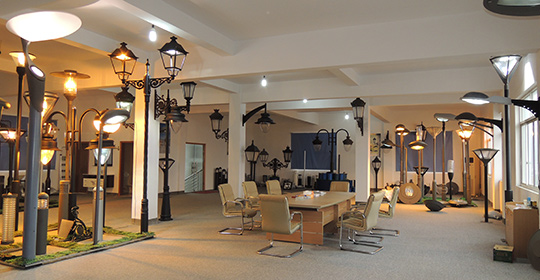
How vertical integration in Ningbo translates to cost efficiency and performance longevity for international public lighting projects.
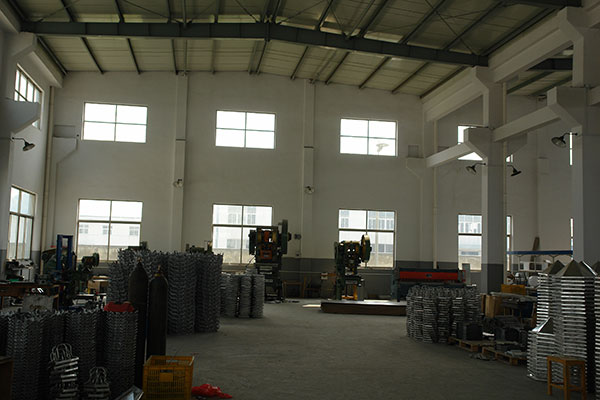
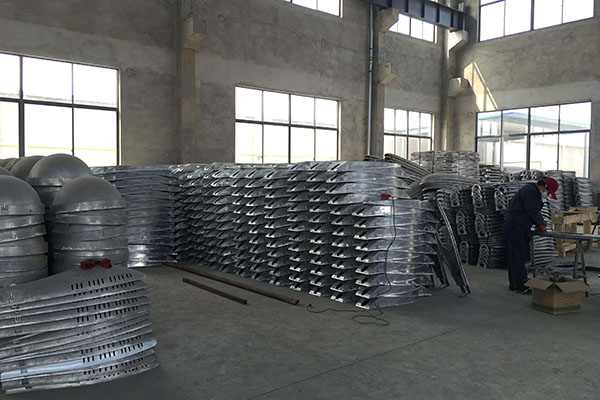
Operating within China’s premier industrial manufacturing zone allows Austar Lighting to maintain complete control over raw material sourcing, mold fabrication, and electronic sub-assembly. With our on-site 1000T, 700T, and 300T high-pressure die-casting machines, we fabricate custom luminaire housings with minimal turn-around. In-house mold fabrication reduces the design-to-prototype phase to less than one month.
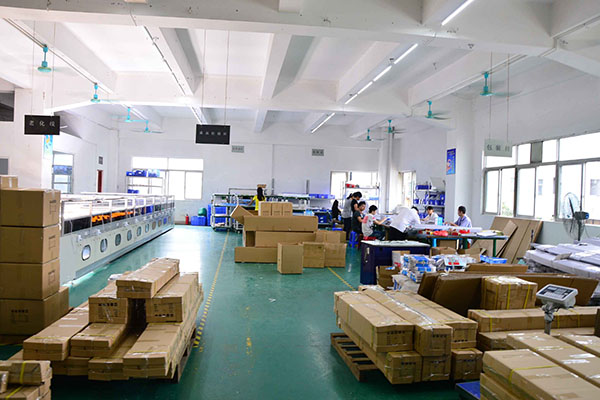
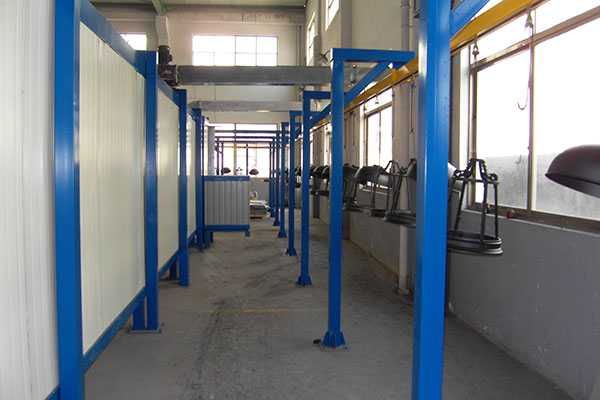
This vertical integration is a key advantage for civil engineering projects in Melbourne. By maintaining an in-house powder coating shop, three manual assembly lines, and two LED aging lines, we offer reliable volume manufacturing that matches your procurement timeline.
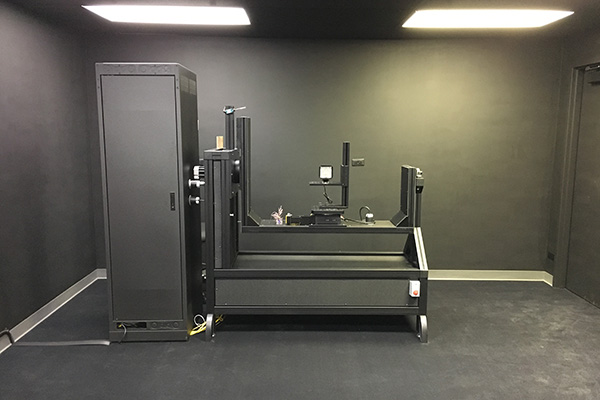
Every luminaire must withstand decades of environmental exposure. At Austar, our quality assurance process involves testing procedures across every phase of production. We use goniophotometric darkrooms to compile accurate IES files, helping municipal planners model light levels and optimize pole spacing.
Additionally, our waterproof ingress testers verify seals under IP66 conditions, and thermal shock chambers check component durability in extreme climates. These quality control steps ensure our products arrive ready to perform reliably in Australian conditions.
High-performance municipal luminaires configured for pedestrian safety, roadway classification, and parkland applications.
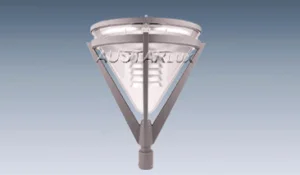
Designed for main pedestrian avenues. Offers high-uniformity asymmetric optics to ensure safe public walkways.
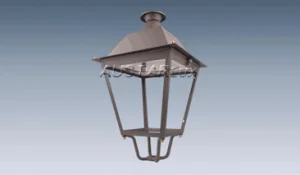
Features a precision high-pressure injection molded casing. Offers high shock resistance for public spaces.
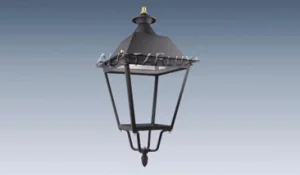
Optimized for public parks and landscaping. Incorporates warm 3000K LEDs to minimize ecological disruption.
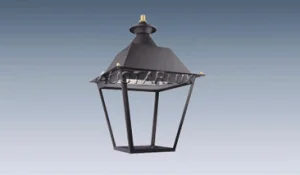
A modern outdoor post-top light with balanced horizontal illumination, tailored for active shopping streets.
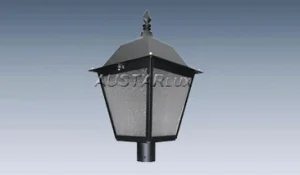
Designed for transport terminals and industrial sites. Features high-lumen density and structural wind resistance.
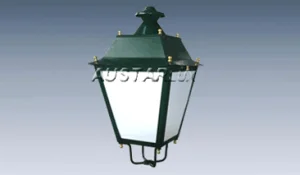
A classical lantern design integrated with modern LED technology, ideal for historical suburban streets.
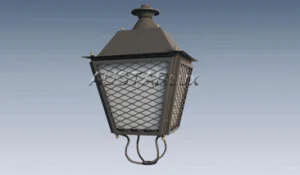
Features asymmetric light distribution to provide precise illumination for laneways while minimizing back-spill.
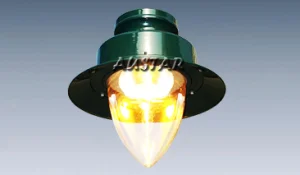
Designed for active pedestrian plazas. Features a low-glare visual profile that enhances commercial districts.
A comprehensive selection of specialty luminaires designed for pedestrian zones, historical areas, and public parks.
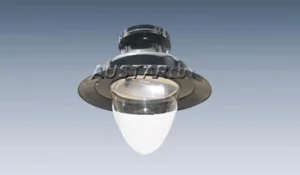
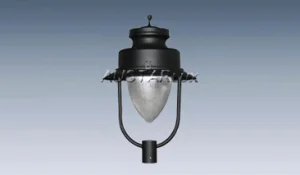
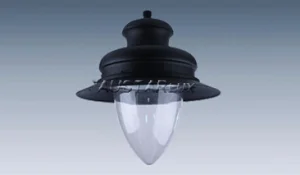
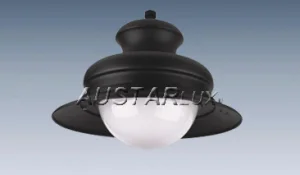
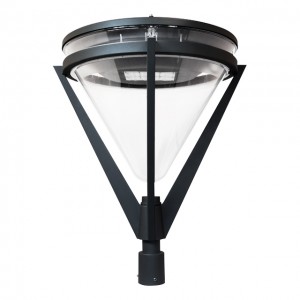
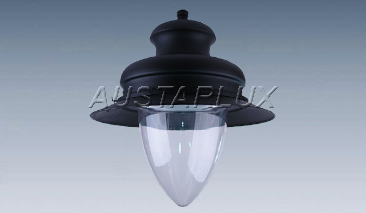
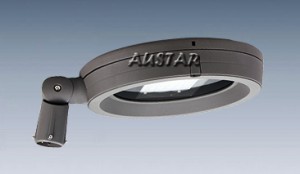
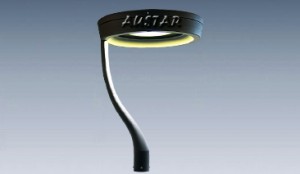
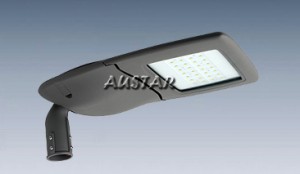
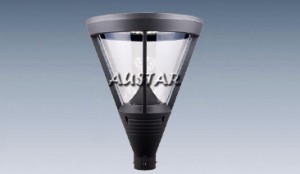
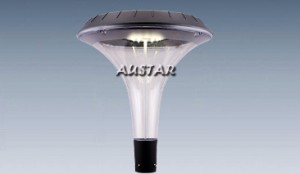
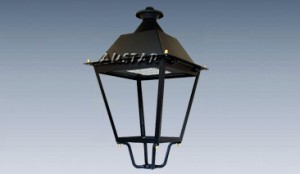
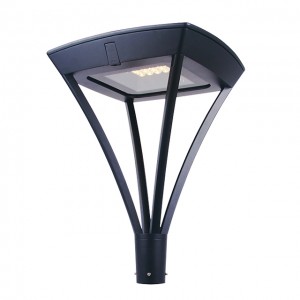
Modern LED lantern designed for residential zones and historic areas.
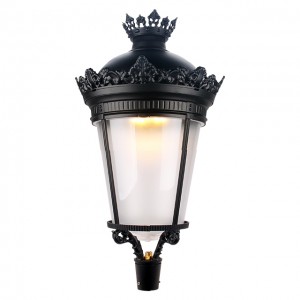
Traditional styling combined with a high-efficiency LED gear tray.
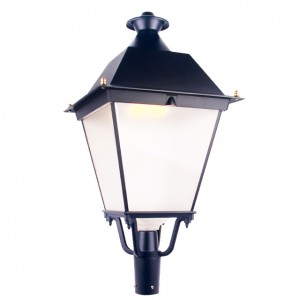
Sleek post-top luminaire offering balanced public space lighting.
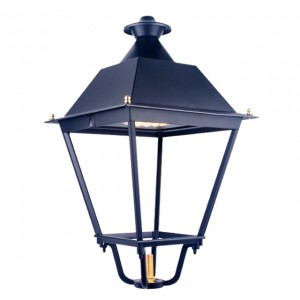
Classic design suited for plazas, promenades, and pathways.
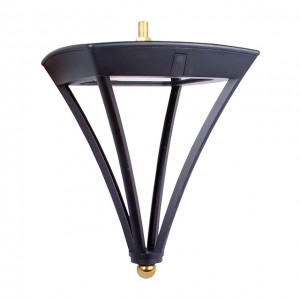
Suspended lighting solution designed for modern streets.
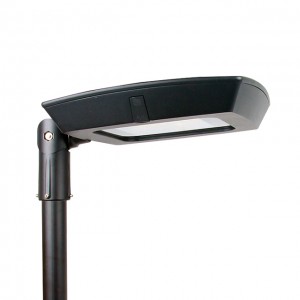
Main street roadway light, optimized for public space safety.
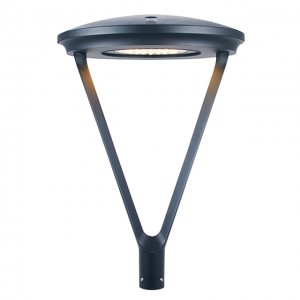
Traditional post-top luminaire with a double-sided arm mounting.
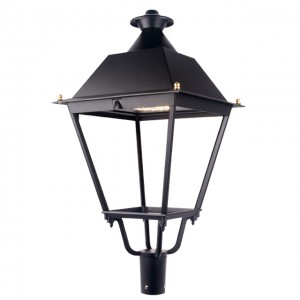
Designed for historic preservation zones requiring modern light control.
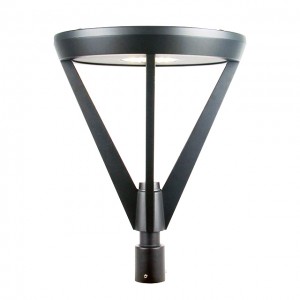
Architectural side-entry light suited for residential paths.
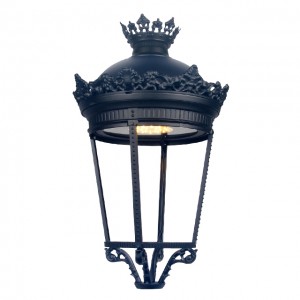
Historic Spanish-style lantern with low glare optics.
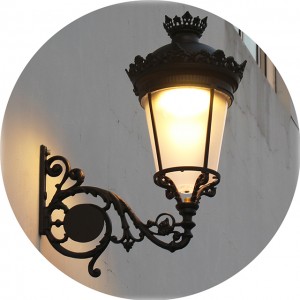
High performance area light, optimized for car parks and pathways.
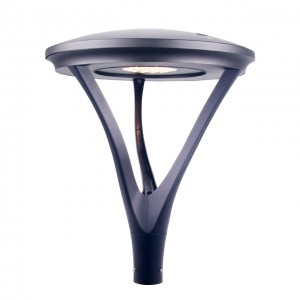
Sleek architectural luminaire designed for public avenues.
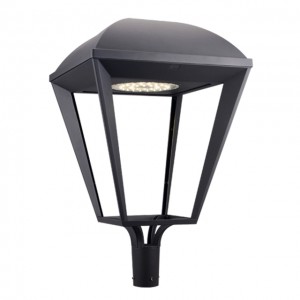
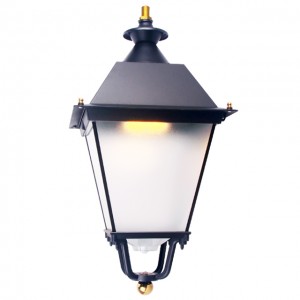
Suspended historical luminaire designed for central plazas.
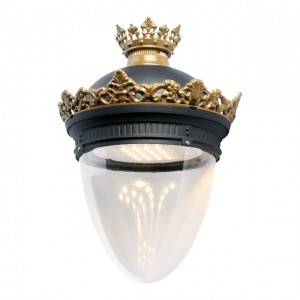
Classical Italian-style lantern with symmetric light distribution.
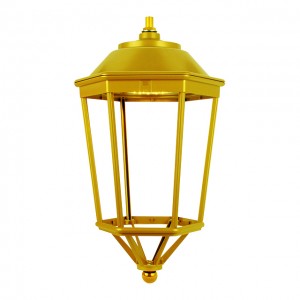
Decorative street lighting designed for historic boulevards.
Answers to common technical, shipping, and manufacturing questions for public lighting projects.
 Austar