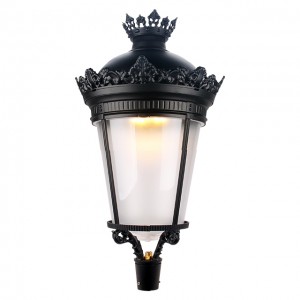
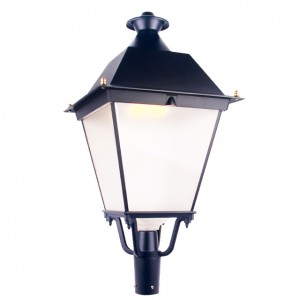
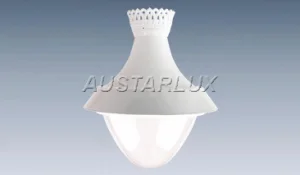
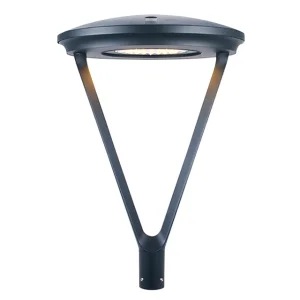
Engineered for high luminous efficacy and resilience under extreme grid surges across Nigeria's municipal roads.
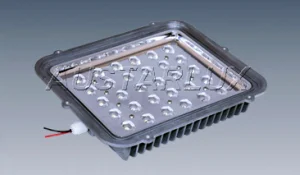
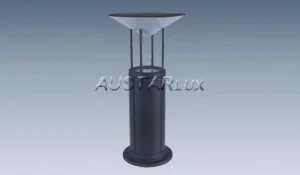
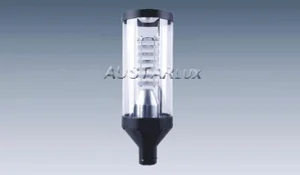
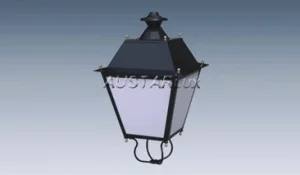
Nigeria’s electrical infrastructure represents a challenging environment for modern outdoor solid-state lighting (SSL) technologies. Rapid urbanization across metropolitan hubs like Lagos, Abuja, Kano, and Port Harcourt has escalated the demand for reliable municipal, industrial, and decorative public illumination. However, lighting systems in Nigeria are systematically subjected to severe operational stressors: high voltage transients, harmonic distortion from backup generators, and elevated ambient dust during the Harmattan season.
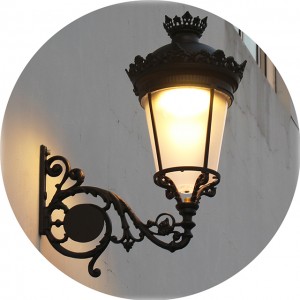
To address these issues, traditional urban luminaires must evolve. Modern installations cannot rely on legacy high-pressure sodium (HPS) or metal halide lamps, which consume excessive power and have high failure rates under fluctuating loads. Integrating high-efficiency LED modules into classically styled luminaires bridges the gap between historical municipal aesthetics and modern, resilient energy performance.
Standard drivers designed for stable European grids often fail prematurely in West Africa. Austar’s custom-engineered luminaire modules utilize wide-input drivers (90-305V AC) with 10kV/20kV integrated surge protection systems to withstand transient events without sacrificing system lifetime.
On a global scale, the industrial and urban lighting landscape is shifting rapidly toward smart municipal infrastructure. IoT-enabled drivers, DALI/D4i protocols, and NEMA socket configurations allow utility operators to dim streetlights dynamically, saving up to 70% in energy when compared to legacy networks. For the Nigerian market, this global trend translates into a direct need for decentralized energy efficiency. Due to high fuel costs for private diesel generators and grid power limitations, municipalities and real estate developers in Nigeria prioritize solutions that can operate within microgrids and off-grid solar frameworks.
A balanced outdoor lighting scheme in Nigeria requires a hybrid methodology:
Nigeria’s high average ambient temperatures (often exceeding 35°C in regions like Sokoto and Kano) accelerate LED lumen depreciation and driver failures if thermal dissipation paths are poorly engineered. Austar’s classical luminaires feature heavy-duty ADC12 die-cast aluminum housings. The heat-sink profiles are optimized for natural convection, ensuring junction temperatures (Tj) remain well below 85°C to guarantee a 50,000-hour nominal L70 lifetime.
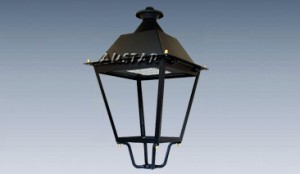
Aesthetic compatibility paired with high-performance optical arrays for prestigious developments in Abuja and Lagos.
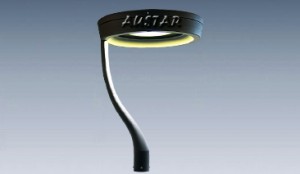
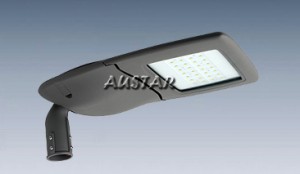
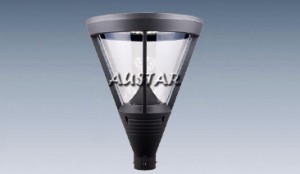
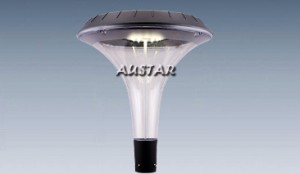
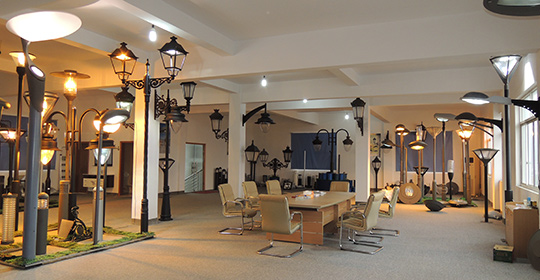
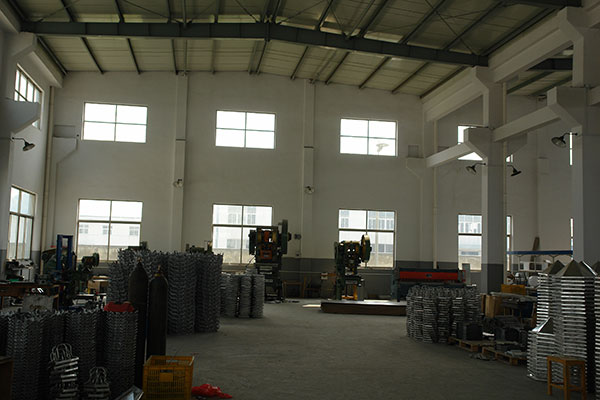
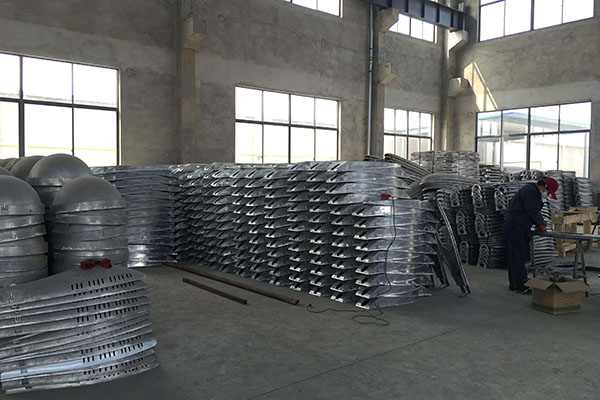
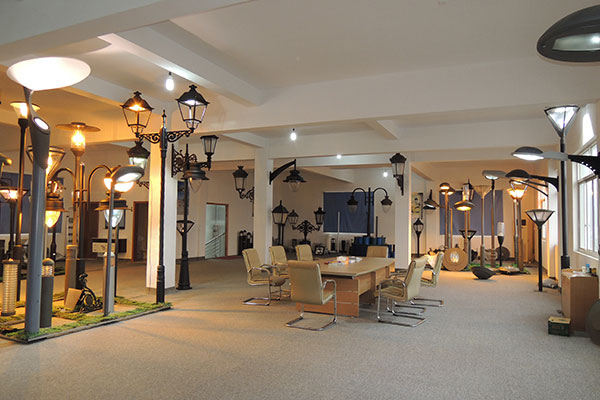
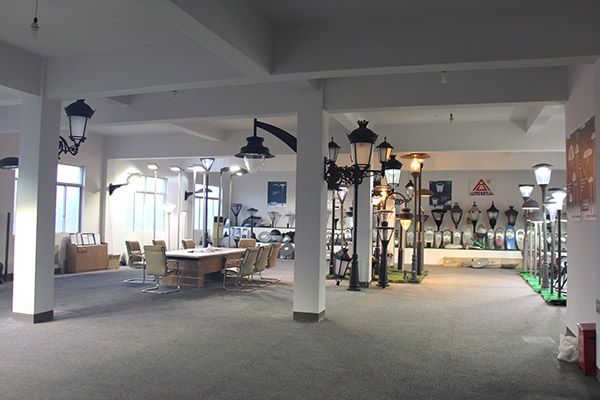
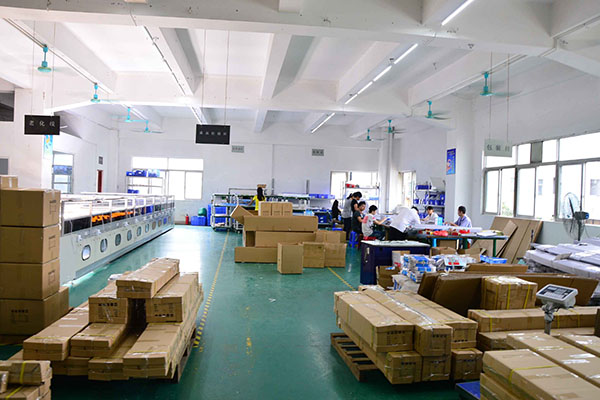
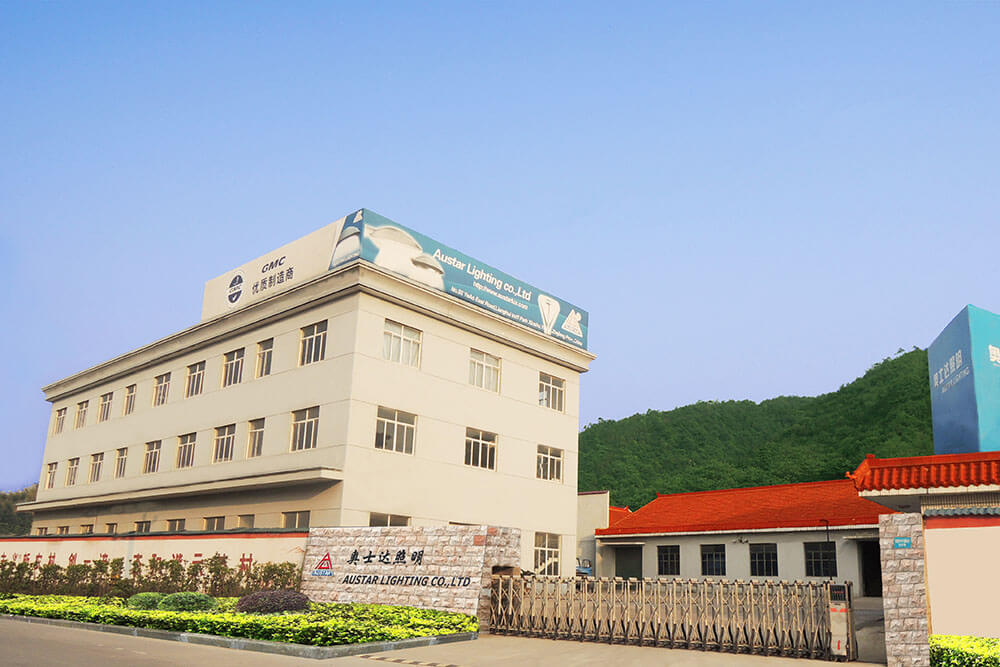
Established in 2003, Austar Lighting Co., Ltd. operates a high-capacity 10,000 square meter manufacturing plant in Ningbo, China. With a dedication to rigorous quality control processes aligned with ISO9001 and ISO14001, we deliver long-term value to contractors and municipal clients in Nigeria.
Our facility features high-pressure die-casting equipment ranging from 300T to 1000T capacity. This allows us to manufacture durable, structural frames without structural porosity. This level of craftsmanship is essential for luminaires exposed to ocean winds along Nigeria's coastal margins, such as the Lekki Peninsula or Lagos Bar Beach.
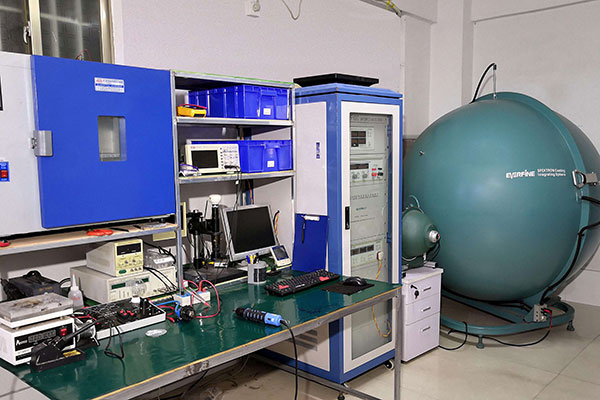
Our in-house testing labs feature photo-electricity integrating spheres, goniophotometers for precise darkroom polar curves, high-voltage surge generators, salt spray chambers, and continuous-run LED driver-load aging machines. To meet compliance targets worldwide and within Nigeria (under SONCAP rules), all our products hold ENEC, CB, CE, and LVD certifications.
Through our long-standing partnership with Italian industrial lighting designers, we balance classic European design sensibilities with structural ruggedness to withstand harsh field environments.
Deploying classical luminaires in the Nigerian market requires understanding the spatial context of regional project designs:
Corrosive, saline ocean breezes accelerate the structural breakdown of standard aluminum alloys. For coastal environments, Austar provides custom polyester powder coatings applied over chemical passivation pre-treatments (chromating). Hardware components (screws, hinges, plates) are standard-configured in 316 stainless steel to prevent galvanic corrosion.
Arid areas experience elevated heat and high dust loads during the Harmattan winds, which can breach low-IP rated fixtures. Austar's designs utilize IP66 rated housings with breathing filters (Gore membranes) that equilibrate air pressure without drawing dust, moisture, or particulate matter into the optical chamber.
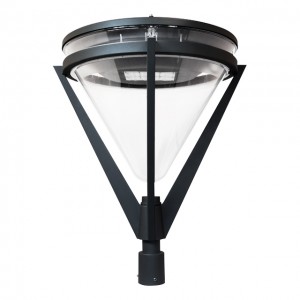
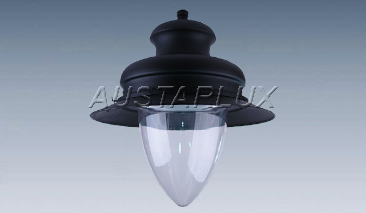
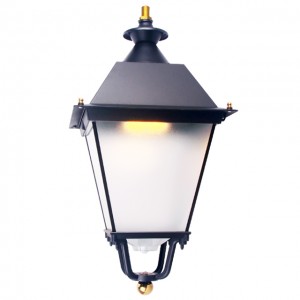
Aesthetic uniformity and high-fidelity lighting (CRI > 80, CCT 3000K-4000K) are vital for modern estate developments. Our classic post-top lights provide decorative illumination during the day and secure, uniform, glare-controlled lighting at night.
Get in touch with our design team to obtain Dialux simulation files, customized IES data sheets, and project pricing.
Send Inquiry NowThe next step for public lighting in Nigeria is transitioning to off-grid solar-powered classical luminaires. Future-proof deployments incorporate smart technologies:
Observe our automated assembly, structural tooling processes, and quality testing protocols.
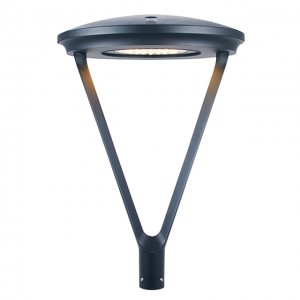
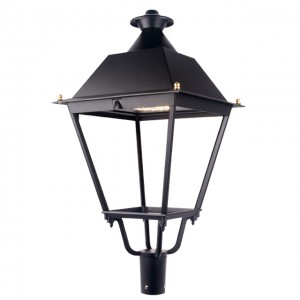
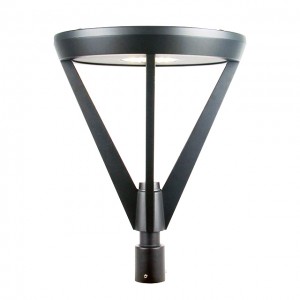
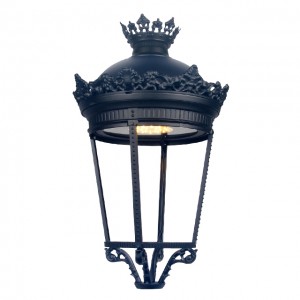
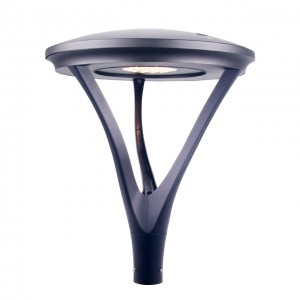
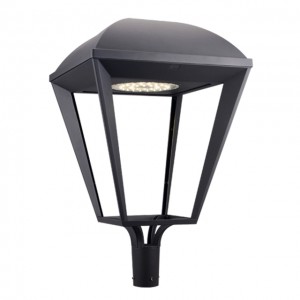
Preserving classical design details while deploying state-of-the-art solid state optics.
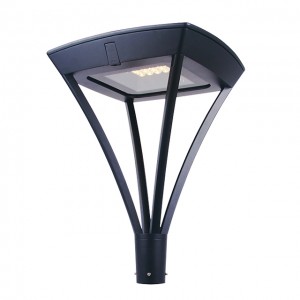
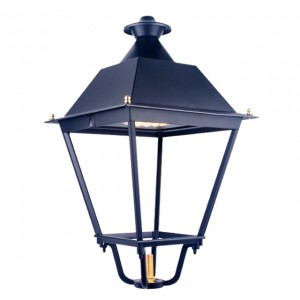
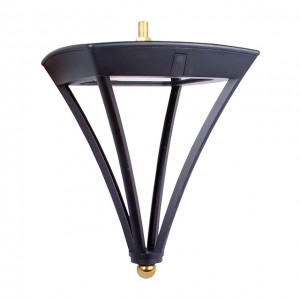
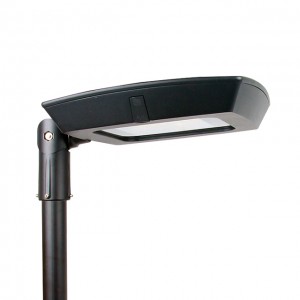
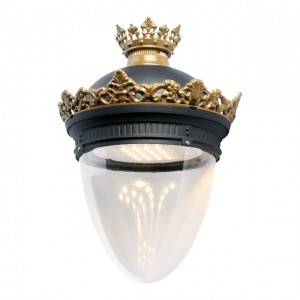
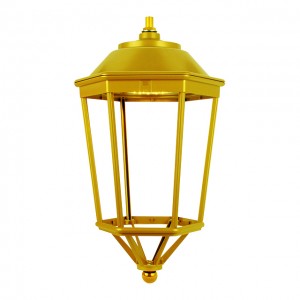
Technical guidance for electrical engineers, municipal contractors, and developers importing street and pathway lighting systems.
We supply luminaires fitted with custom-engineered drivers configured for wide voltage swings (90V to 305V AC, 50/60Hz). Every streetlight includes a dedicated Class I or Class II Surge Protection Device (SPD) rated at 10kV to 20kV. This system absorbs high-voltage switching surges and lightning strikes common in Nigeria's tropical rainbelt.
Yes, our modules can be supplied with low-voltage DC drivers (12V/24V) to integrate directly with solar batteries and charge controllers. Dimming profiles can be programmed into the system to run at a lower intensity during late-night hours, matching battery capacity.
Austar provides full engineering documentation packs including ENEC, CB, CE, LVD, and ISO9001-14000 test reports. These documents simplify the acquisition of Product Certificates (PC) and SONCAP Certificates (SC) required by the Standards Organisation of Nigeria.
Standard production takes 30 to 45 days depending on project volume. Shipping from Ningbo Port to Apapa Port in Lagos takes approximately 35 to 45 days. We also offer air freight services for fast-track architectural projects.
Direct supply products for public works, retrofit campaigns, and commercial developments.
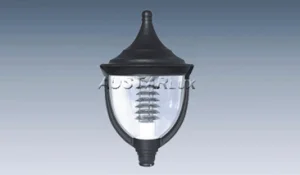
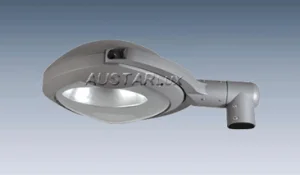
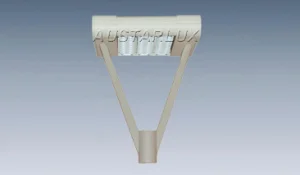
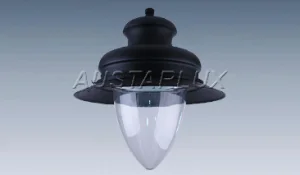
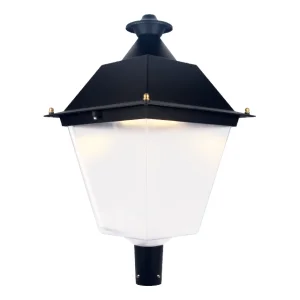
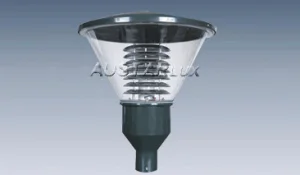
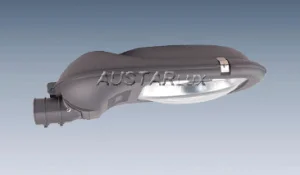
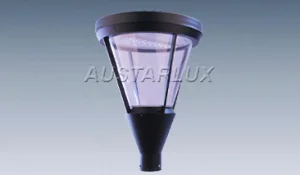
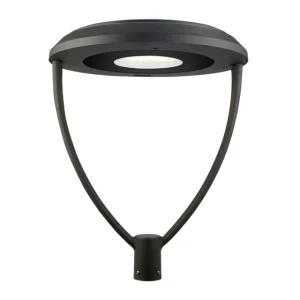
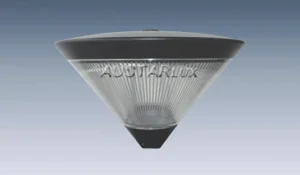
Speak with an Austar application engineer to request dynamic technical datasheets, optical reports, or volume pricing for the Nigeria market.
Send Inquiry Now Austar