High-efficiency LED fixtures with robust thermal performance, ready for municipal integration and Smart City deployment.
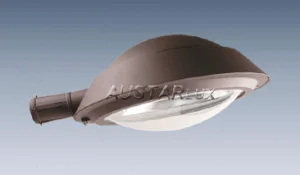
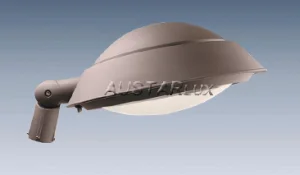
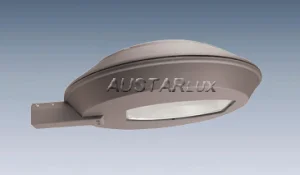
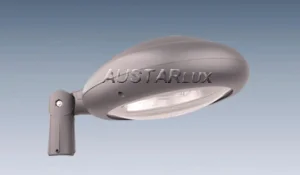
Germany represents one of the most sophisticated and strictly regulated public lighting markets in the world. As the federal government pushes forward with the "Energiewende" (Energy Transition) and municipal entities rush to meet the strict emission-reduction mandates, public street lighting has emerged as a vital element in sustainable urban planning. With millions of luminaires in operation across Germany's federal states, the demand for energy-efficient, long-lifespan, and low-maintenance solutions has hit historic highs.
To successfully market or procure street lighting systems in Germany, manufacturers and project developers must align their products with key European and German domestic frameworks. Crucially, the DIN EN 13201 standard series regulates the photometrics, design, and calculation parameters of public roadway lighting in Germany. From class M1 for high-speed motorways (Autobahnen) to P-classes for pedestrian walkways, compliance is non-negotiable. Furthermore, environmental regulations such as the German "Insektenschutzgesetz" (Insect Protection Act) have led to strict limitations on blue light emissions, boosting the adoption of warm color temperatures—specifically 2200K, 2700K, and 3000K LEDs—to prevent disrupting local ecosystems and nocturnal fauna.
While local German lighting engineering remains highly regarded, direct manufacturing partnerships with advanced Chinese facilities have become the premier cost-efficiency mechanism for European infrastructure distributors and EPC contractors. The reason lies in supply chain integration and raw material processing capacities.
Austar Lighting bridges the gap between state-of-the-art Italian design aesthetics and China's unparalleled industrial scale. By locating our production base in Ningbo—one of the global capitals of die-casting and precision engineering—we access a highly optimized ecosystem. This vertical integration permits rapid custom tooling, enabling us to deliver tailor-made urban luminaires matching the architectural styles of both modern German metropolises (like Frankfurt and Düsseldorf) and historic preservation zones (such as those in Bavaria or Saxony).
German domestic street lighting factories frequently grapple with soaring operational costs, prolonged component lead times, and high assembly overheads. In contrast, Chinese factories that operate under stringent European quality frameworks provide a much faster time-to-market. Here is how Austar compares on key sourcing KPIs:
| Performance Benchmark | Traditional German Domestic OEM | Austar OEM/ODM Solution |
|---|---|---|
| Lead Time for Custom Projects | 12 - 16 Weeks | 4 - 6 Weeks (Fast Tooling in 30 Days) |
| Compliance Standards | ENEC, CE, VDE, DIN-EN 13201 | ENEC, CB, CE, LVD, ISO9001-14000 System |
| Cost Efficiency (CAPEX) | High overhead premium | Highly competitive through direct raw material supply |
| Smart Grid Readiness | Standard optional extra | Native DALI-2, Zhaga/NEMA integration by design |
A premier global outdoor lighting manufacturer delivering specialized OEM and ODM engineering services since 2003.
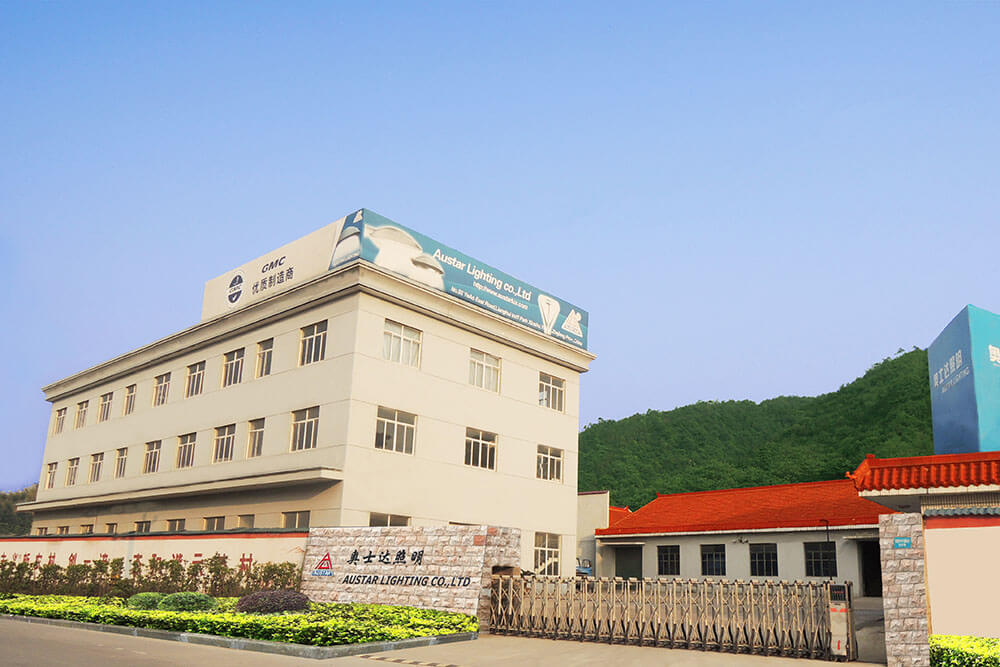
Austar Lighting Co., Ltd. is recognized as one of the most advanced developers and manufacturers of outdoor luminaires in Ningbo, China. Established in 2003, our facilities cover a modern 10,000 m² production footprint staffed by over 100 highly skilled technicians, engineers, and quality assurance specialists. We focus on the engineering and mass manufacture of high-reliability LED street lighting, architectural urban solutions, and professional garden lighting fixtures.
With an annual output exceeding 150,000 sets, our global export market spans 55 countries and regions, with a core focus on the European Union, specifically Germany. To maintain design leadership, we cooperate closely with seasoned Italian lighting designers, ensuring our products exhibit modern, minimalist architectural lines that appeal to European municipal planners. All products are rigorously certified with ENEC, CB, CE, and LVD approvals, testifying to their safety and compatibility with German municipal grids.
When deploying public outdoor lighting across Germany, projects fall into distinct spatial and regulatory environments. Understanding these specific application scenarios determines the choice of luminaire casing, optics, and driver control systems.
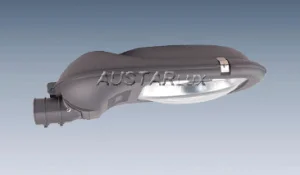
For high-speed vehicular traffic corridors, public safety demands high luminance uniformity, zero direct glare (minimum G4/G5 rating under EN 13201), and consistent color rendering. The physical challenges include heavy vibration, exposure to corrosive salt spray during winter salting, and voltage fluctuations. Here, robust die-cast aluminum housings like our AU115 and AU115A series are utilized, paired with asymmetrical optics that throw light precisely across multi-lane highways without leaking light into the night sky.
German municipal planners are highly protective of architectural heritage. Modern cobras and standard highway fixtures are visually incompatible with classical town centers. Our Traditional Urban Lighting Series and Classical Street Lighting Series (such as the Europea and ClassicStreet lines) offer the classic, decorative lantern appearance demanded by local heritage boards, combined with state-of-the-art LED engine cores. These units often deploy warm 2200K or 2700K amber-toned LEDs to simulate vintage gas lamps while cutting energy usage by up to 80%.
Industrial parks and logistics centers in Germany require cost-effective, high-output, and extremely reliable outdoor lighting. Lighting systems in these locations must run continuously throughout the night, often integrated with motion sensors to save energy during low-traffic periods. By using smart LED street lights integrated with DALI-2 drivers and microwave sensors, companies can automate adaptive dimming, reducing operational expenditures (OPEX) while achieving zero carbon emissions targets.
A key requirement in modern German municipal tenders is Constant Lumen Output (CLO). As LED chips age, their light output naturally degrades over time. Traditional fixtures counter this by over-powering the light from day one, resulting in wasted energy. Austar's smart driver configurations gradually increase the drive current over the luminaire's 100,000-hour lifespan. This offset program ensures a flat, predictable light curve, reducing start-of-life energy consumption by up to 10%.
Engineered for durability, optical precision, and compliance with modern smart city infrastructure standards.
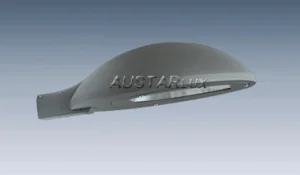
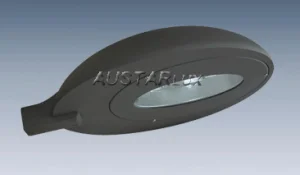
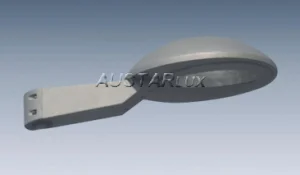
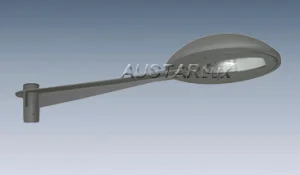
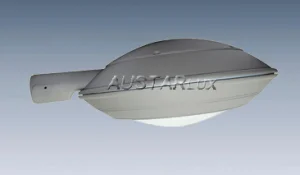
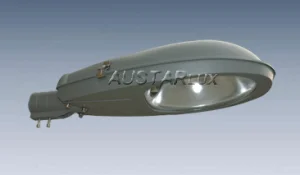
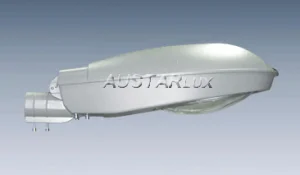
Additional professional outdoor lights configured for European utility markets and global municipal standards.
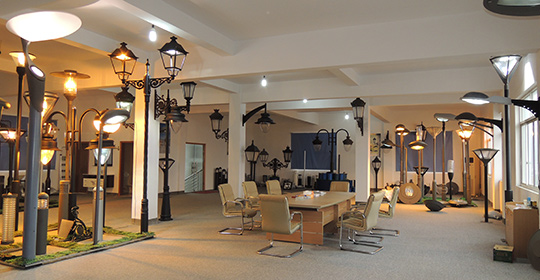
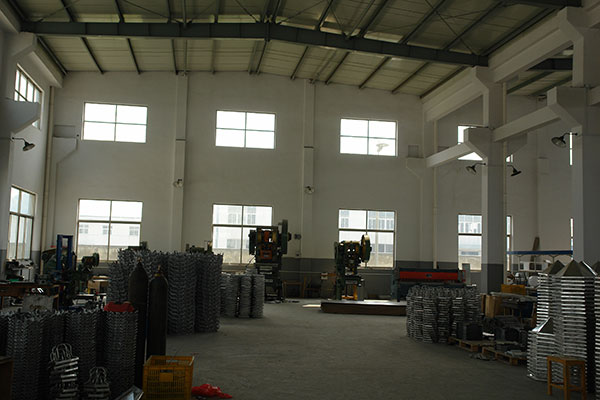
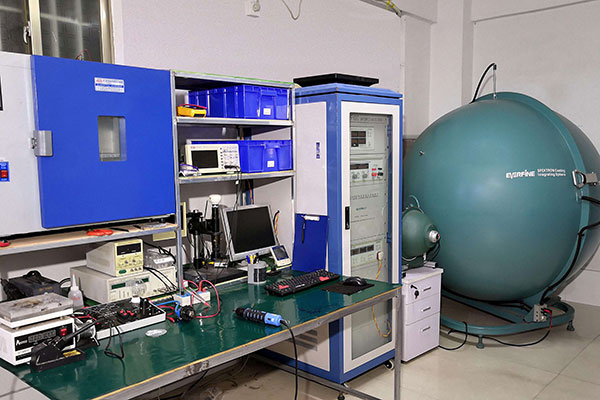
Witness our automated manufacturing, assembly, and strict quality control operations in Ningbo, China.
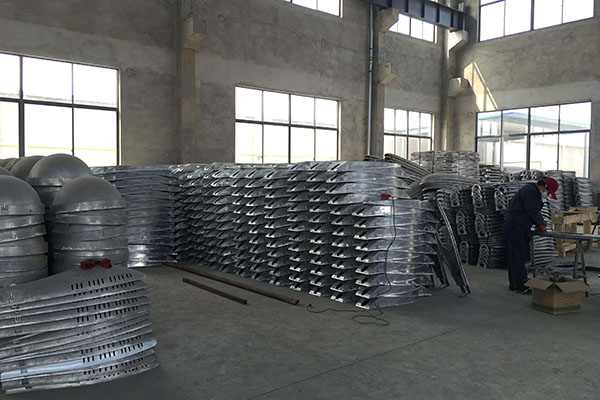
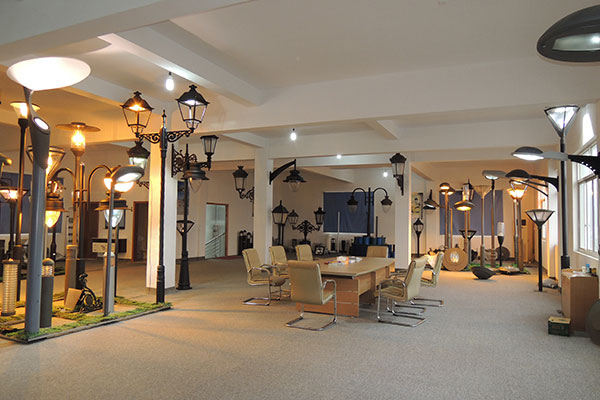
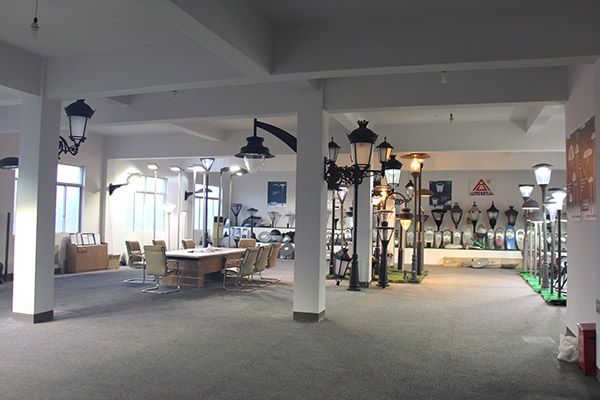
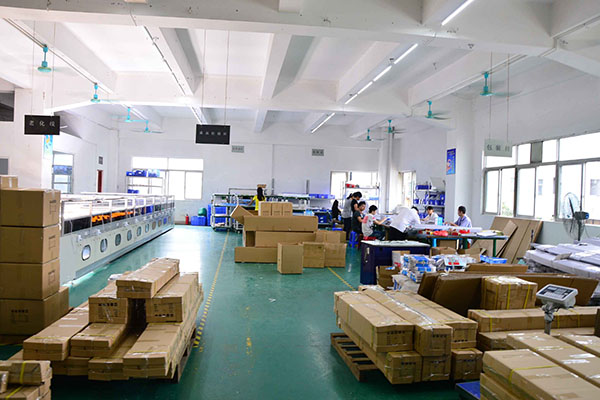
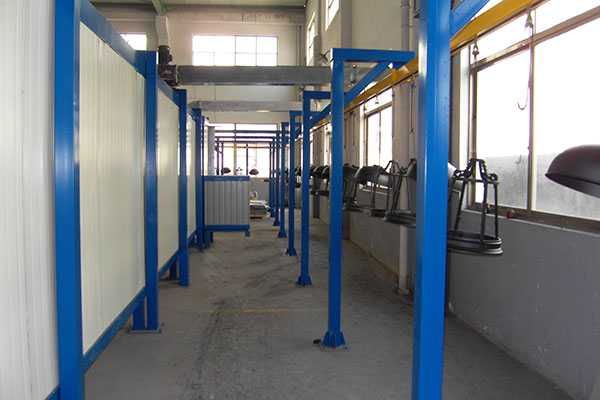
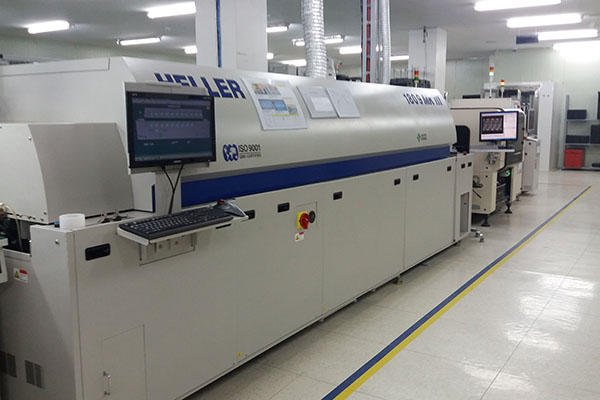
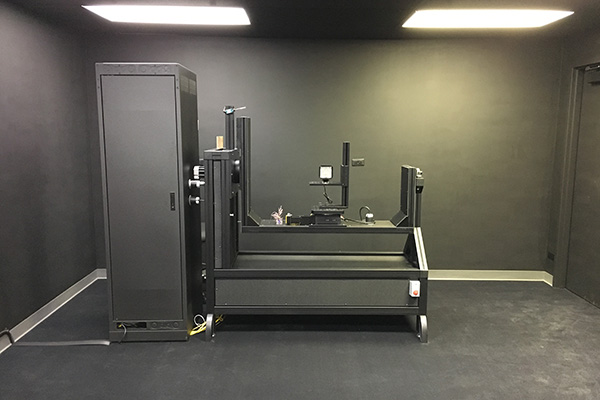
Classic design templates engineered in cooperation with leading Italian design firms.
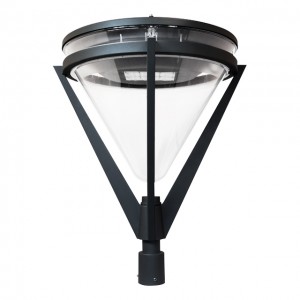
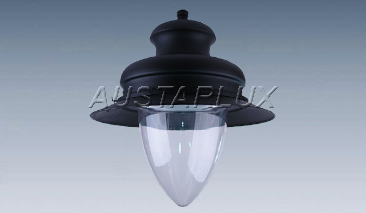
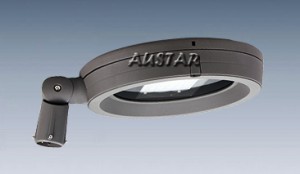
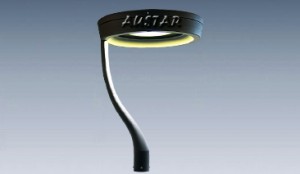
Get answers to technical, commercial, and logistics questions regarding public lighting supply chains.
Are you preparing a public tender for a German municipality, or sourcing smart road lights for a European utility grid? Contact our engineering team for technical support, customized dialux simulations, and factory-direct pricing.
Send Inquiry Now Austar