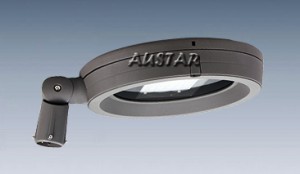
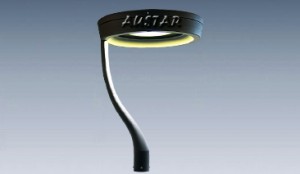
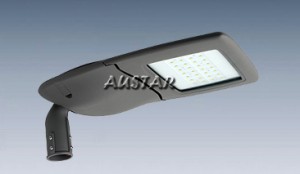
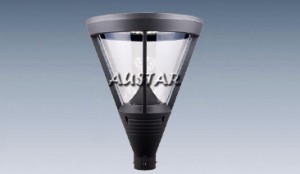
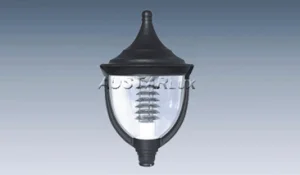
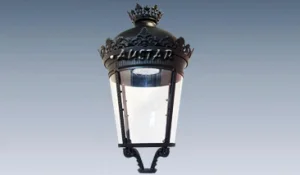
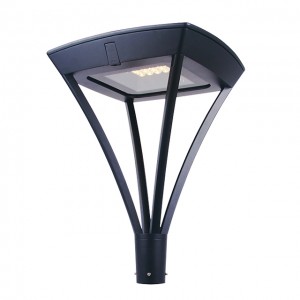
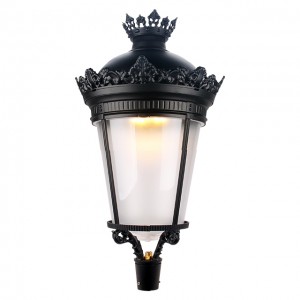
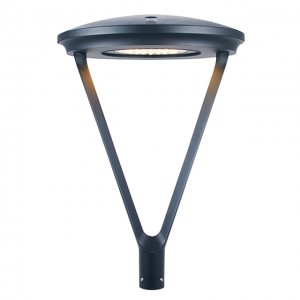
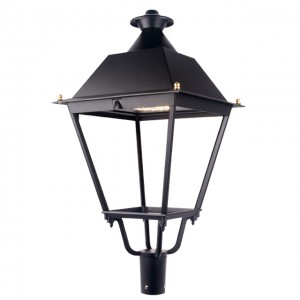
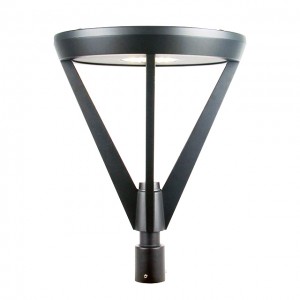
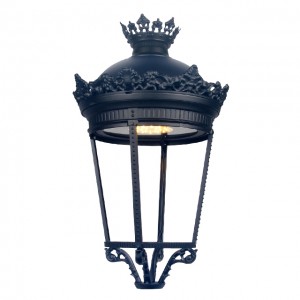
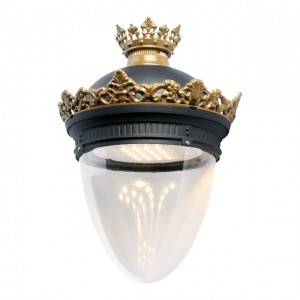
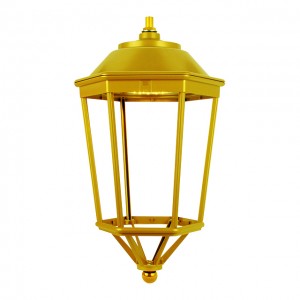
Engineered to withstand local voltage fluctuations, load shedding transitions, and high-temperature environments.
A Comprehensive Technical Whitepaper on Power Stability, Smart Grid Retrofitting, and Localized Lighting Manufacturing Standards
South Africa's electrical grid presents unique operating environments for solid-state lighting (SSL) components. Extreme voltage fluctuations, temporary overvoltages (TOVs) caused by load shedding switching cycles, and lightning-induced surges in areas like Gauteng demand highly robust LED modules. Standard LED drivers and modules imported without localized engineering considerations frequently fail due to component wear under constant power cycles.
For municipal road networks, highways (including the N1, N2, and N3 arteries), and urban centers across Johannesburg, Cape Town, and Durban, the transition to high-efficiency LED modules is crucial. However, this transition must utilize technology engineered with dynamic over-voltage protection, advanced thermal dissipation, and wide-input voltage tolerance (typically 90V to 305V AC or specialized DC solar configurations).
Our latest series of LED modules integrated with Austar Lighting Co., Ltd.’s advanced surge-protection systems (supporting 10kV to 20kV SPD ratings) are specifically tested to survive repeated utility power grid dropouts and restoration spikes common to Eskom infrastructure operations.
Deploying commercial and public street lighting in South Africa requires strict adherence to localized and international compliance standards. The South African Bureau of Standards (SABS) and the National Regulator for Compulsory Specifications (NRCS) enforce strict guidelines (such as VC 8011 and VC 8012) ensuring safety, electromagnetic compatibility (EMC), and photometric performance.
Austar Lighting's manufacturing lines operate under rigorous ISO 9001:2015 and ISO 14001:2015 quality management systems. All developed products possess ENEC, CB, CE, and LVD certifications, assuring public works departments and industrial buyers that our components meet global safety expectations. Our partner laboratories execute 100% inspections using advanced integrating spheres, darkrooms, high/low temperature chambers, and LED driver-load aging systems.
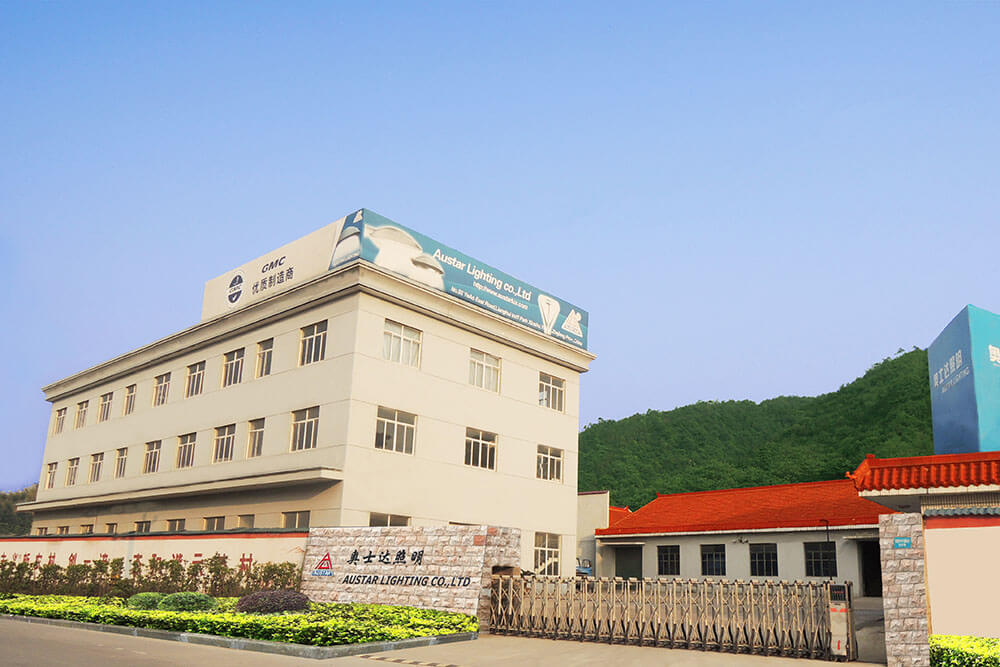
Established in 2003 and spanning a state-of-the-art 10,000 square meter production facility in Ningbo, China, Austar Lighting Co., Ltd. combines advanced manufacturing efficiencies with localized South African design requirements. By working alongside experienced Italian lighting designers, we maintain an aesthetic and functional edge that bridges European design elegance with rugged industrial longevity.
Our strategic location near the Ningbo and Shanghai sea ports guarantees rapid shipping and delivery turnarounds to major South African ports, including Durban Port and Cape Town Port. For fast-track infrastructure projects, air cargo services through Hangzhou and Ningbo airports ensure critical module replacements and custom retrofits arrive on-site within optimal schedules.
Whether handling OEM or ODM projects, our engineering team can design, manufacture, and ship new luminaire prototypes and customized modules in under a month. This agility supports South African contractors during tight municipal bidding timelines.
As South African municipalities seek off-grid independence to secure public spaces and reduce municipal utility bills, high-efficiency low-voltage DC LED modules have seen widespread adoption. Our modules are configured to seamlessly interface with solar charge controllers and battery storage systems, offering high lumens-per-watt efficiency to maximize runtime during prolonged load shedding events.
From coastal harbors and marine terminals requiring high salt-spray resistance to mining compounds in Rustenburg requiring high impact resistance (IK10 ratings), we provide tailored optic configurations (Type I, II, III, and V light distributions) to match varied geographical and urban conditions.
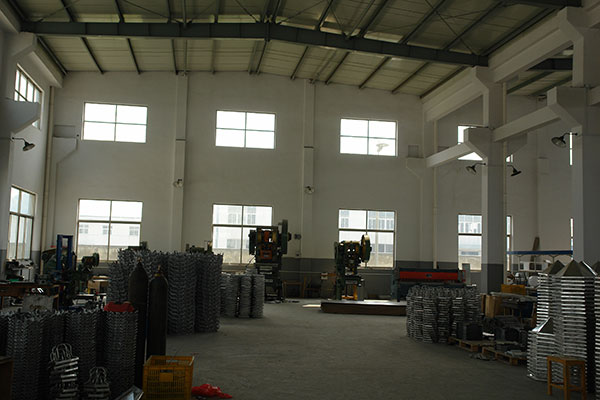
Take an inside look at our advanced machinery, assembly lines, and testing procedures that guarantee high quality for our exports to South Africa.
Austar Lighting Co., Ltd. operates high-precision die casting machines (ranging from 300T to 1000T capacity), a fully automated powder spray line, three manual and automated assembly lines, and two dedicated LED aging lines. Our quality assurance protocols require 100% burn-in testing under variable load profiles to simulate real-world municipal grid environments.
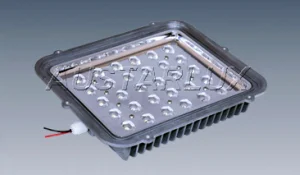
By using premium components (including high-efficacy Philips Lumileds or Osram chips, combined with Inventronics or Meanwell drivers), our LED street light series and modular retrofit plates achieve L90 lifetime ratings exceeding 50,000 hours, virtually eliminating maintenance overheads for long-term municipal road concessions.
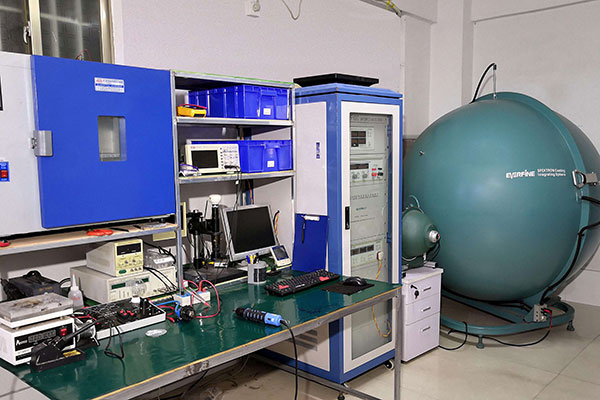
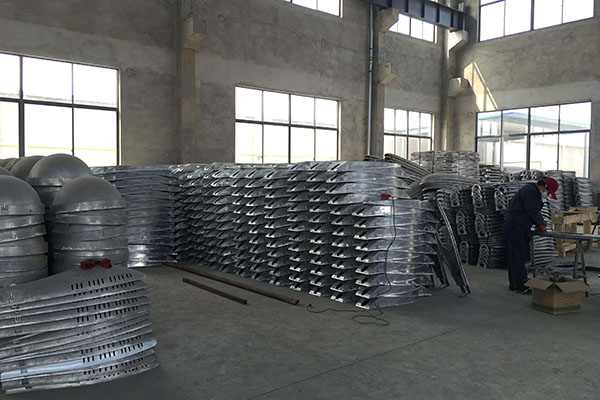
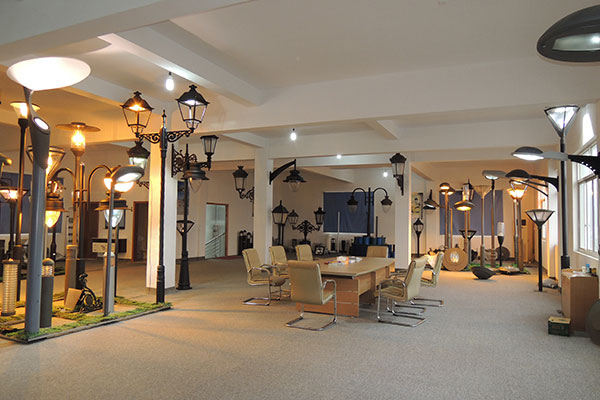
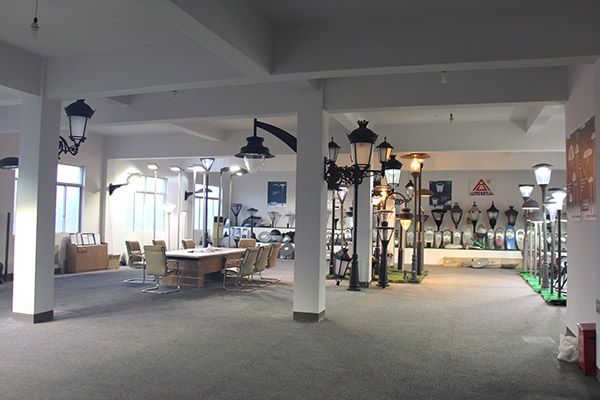
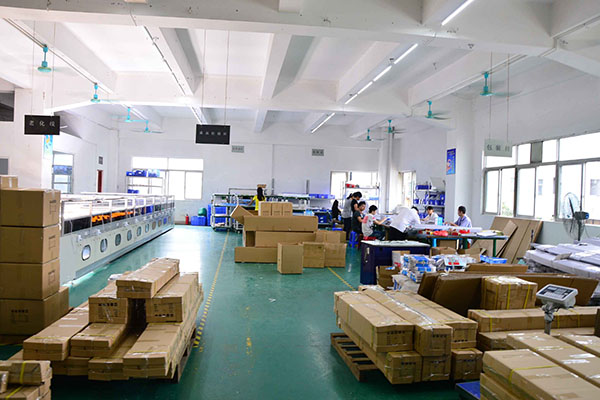
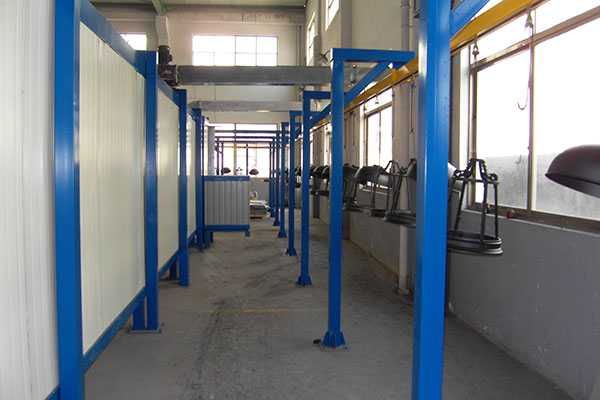
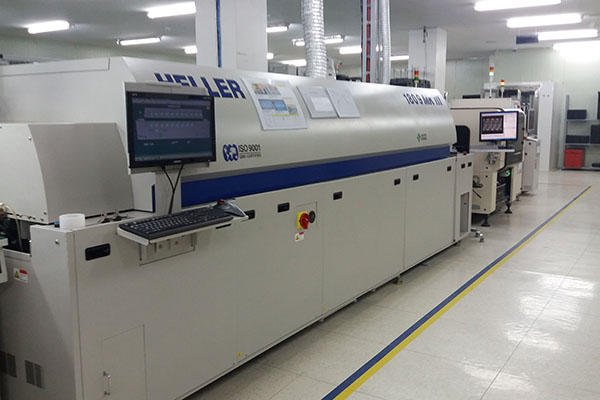
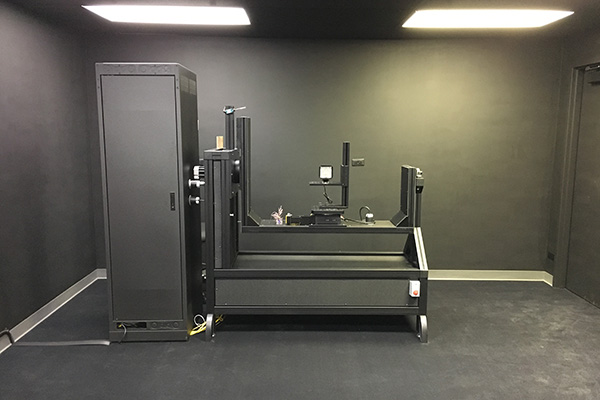
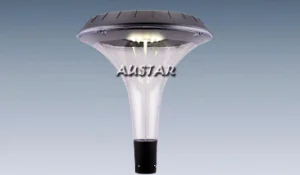
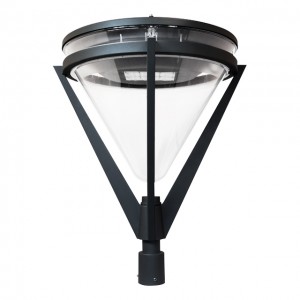
Combining modern optical distributions with robust housings built to perform under coastal humidity and high inland UV index ratings.
The modernization of municipal services in cities like Cape Town and Pretoria demands lighting components that support the Smart City ecosystem. Standard LED modules are no longer sufficient; they must be ready to integrate with remote monitoring nodes, environmental sensors, and adaptive dimming systems.
Our research and development focuses on the implementation of the Zhaga Book 18 standards, which establish unified connector dimensions and electrical interfaces for outdoor luminaires. By transitioning to Zhaga-compliant LED modules coupled with NEMA receptacle bases, South African contractors can install luminaires that are future-proofed against subsequent technological updates. Integrated photocells, LoRaWAN wireless nodes, and motion detection configurations can be easily added post-installation.
Additionally, our proprietary driver designs accommodate wide-range analog (1-10V) and digital (DALI-2) dimming systems. Implementing scheduled dimming profiles during low-traffic periods (from midnight to 4:00 AM) can reduce municipal energy consumption by up to 40%, optimizing battery lifespan on off-grid solar micro-grids.
Get answers to common queries regarding ordering, localization, certification compliance, and product customization.
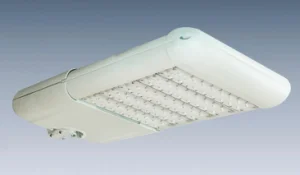
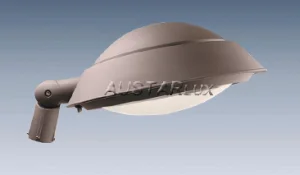
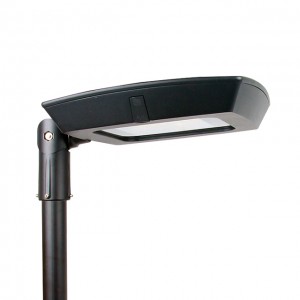
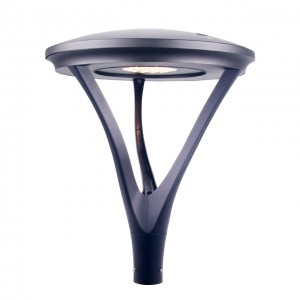
Explore our main product line, designed to upgrade traditional HID and low-efficiency lighting installations in South Africa.
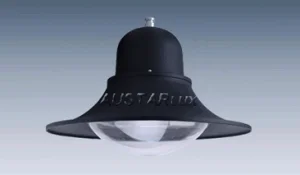
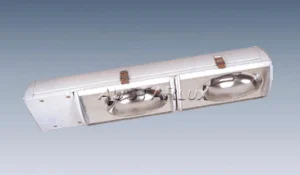
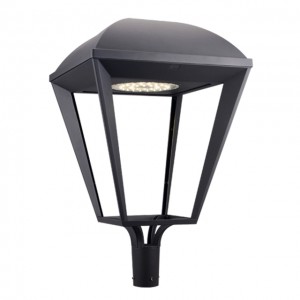
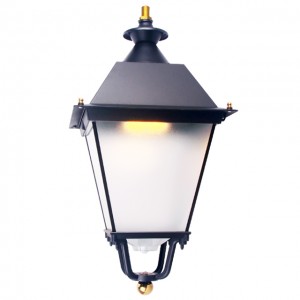
Retaining our complete product portfolio, providing replacement and retrofitting options for historical and modern road systems.
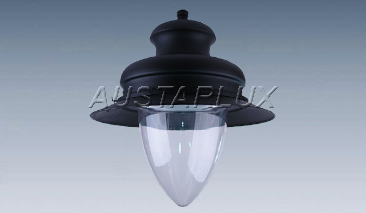
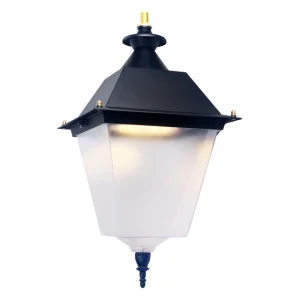
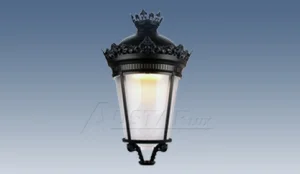
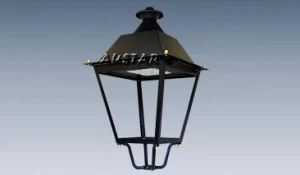
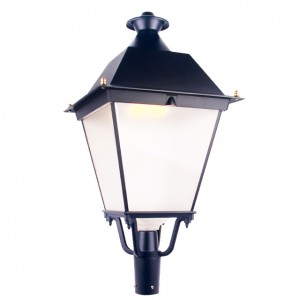
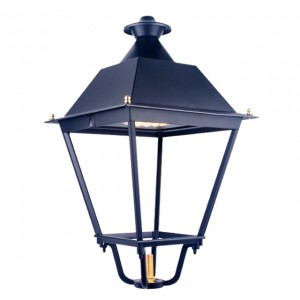
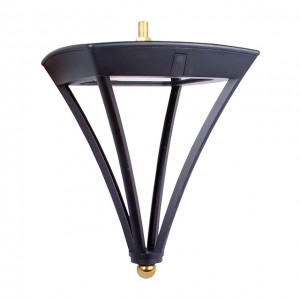
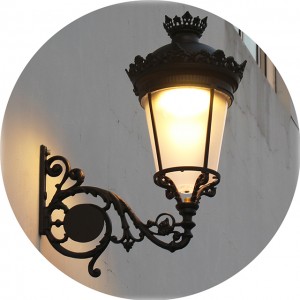
A collection of classical profiles and architectural retrofits deployed across heritage properties and historical administrative sectors.
Connect with our specialized engineering department to request price lists, custom photometrics, IES files, or high-level project quotes.
Send Inquiry Now Austar