
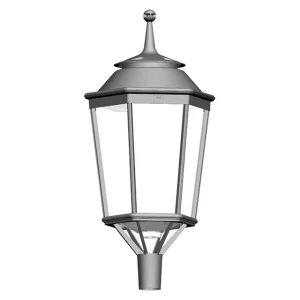
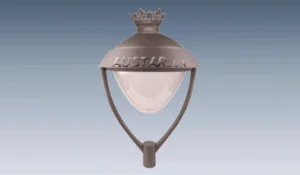
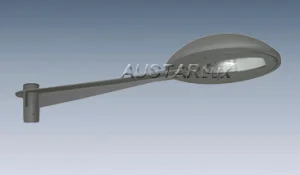
In the modern era of smart infrastructure, public illumination systems are shifting from simple, static lumination to dynamic, grid-connected networks. At the heart of this transition is the LED street light photocell (photoelectric controller). By acting as the primary sensory organ of outdoor light fixtures, photocell receptors optimize power consumption dynamically based on atmospheric conditions. Across North America, Europe, and Asia-Pacific, municipalities are enacting strict decarbonization laws, driving the adoption of energy-saving dusk-to-dawn sensors. As global B2B procurement professionals seek reliable factories, understanding the alignment of mechanical durability, electronic configuration (such as silicon photodiode sensors vs. cadmium sulfide cells), and regional compliance becomes paramount.
By integrating smart photocells, municipalities reduce unnecessary daylight runtime, resulting in up to 30% further energy cost reductions on top of LED efficiency.
Standardized twist-lock configurations allow seamless plug-and-play maintenance, ensuring luminaires remain future-proof as smart city networks evolve.
High-precision switching reduces burn hours, prevents over-heating, and shields sensitive LED drivers from transient overvoltage occurrences.
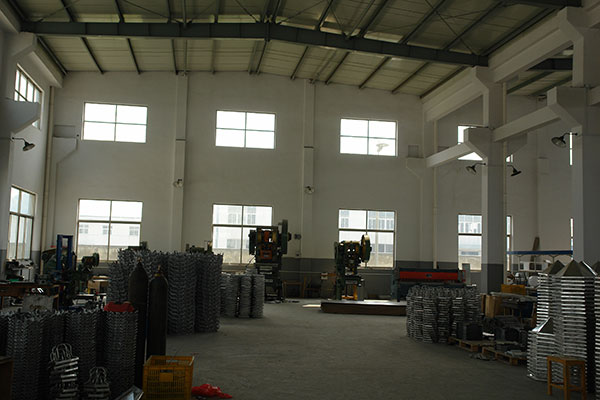
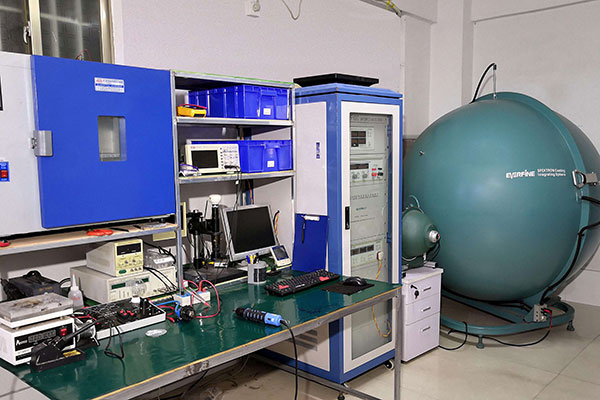
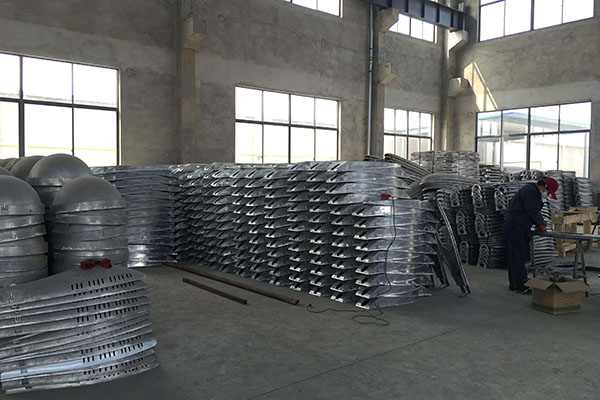
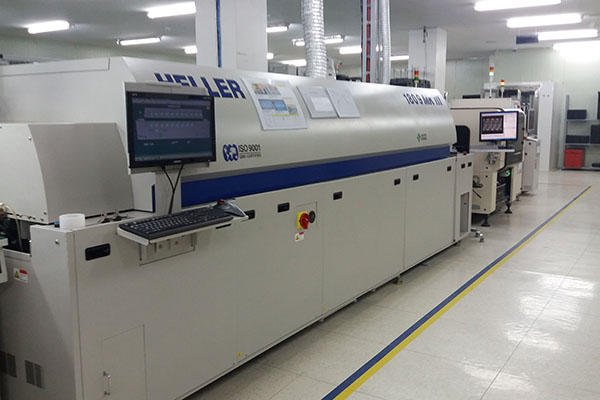
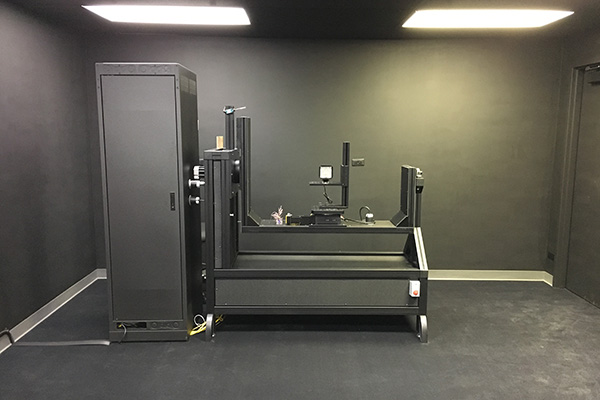
In the landscape of smart light manufacturing, Ningbo, China, stands as the premier global cluster for outdoor luminaire production. The regional ecosystem allows factories like Austar Lighting to maintain extreme vertical integration. From high-pressure aluminum die-casting machines (ranging from 300T to 1000T) to fully automated electrostatic powder spray lines, the physical processing of lighting enclosures occurs under a single roof. This concentration drastically minimizes transportation overheads, guarantees rigorous quality checks at each step, and shrinks lead times down to weeks rather than months. Backed by local specialized labor, automated LED aging setups, and state-of-the-art darkroom spectroradiometers, Chinese factories present unparalleled cost-to-performance ratios for large-scale international municipal tenders.
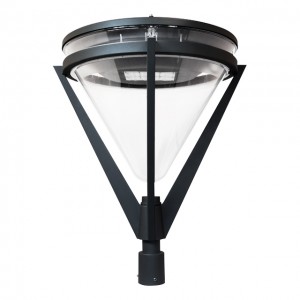
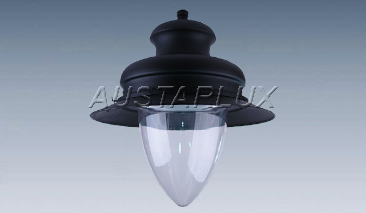
A resilient street light system must perform consistently across diverse environmental microclimates. Austar’s photocell-integrated LED street luminaires are engineered to withstand extreme real-world challenges:
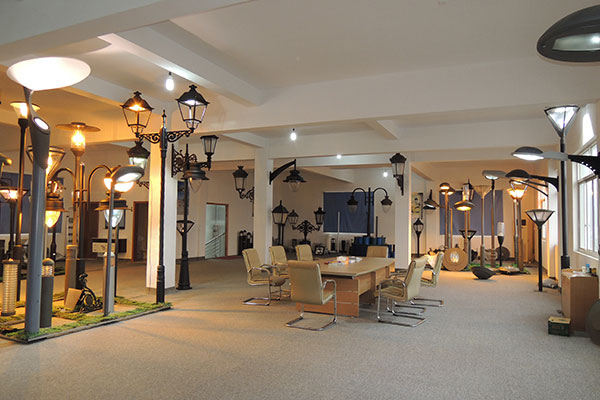
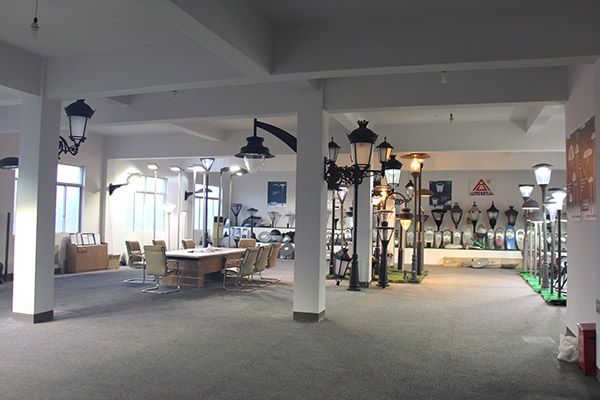
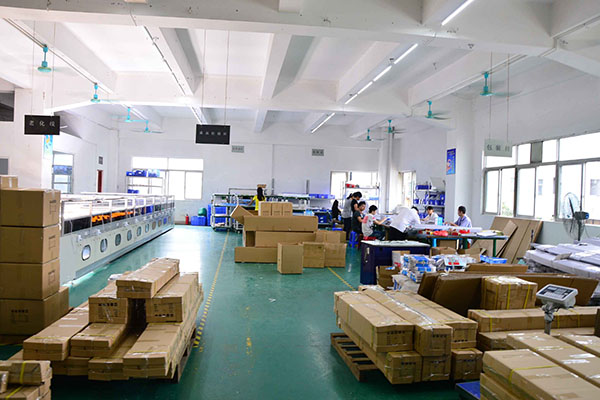
Established in 2003, Austar Lighting Co., Ltd. is one of the most developed manufacturers in Ningbo, China. Occupying a 10,000㎡ production area with more than 100 dedicated employees, we specialize in high-end LED Street lighting and outdoor garden lighting. Partnering closely with premier Italian lighting designers, we combine European aesthetic standards with the precision and speed of Chinese manufacturing.
Our facility operates under the ISO9001-14000 quality control framework, achieving an annual capacity of over 150,000 units. To guarantee exceptional reliability, we implement internal electro-optical testing, salt spray trials, EMC screenings, and rigorous thermal driver-load aging processes.
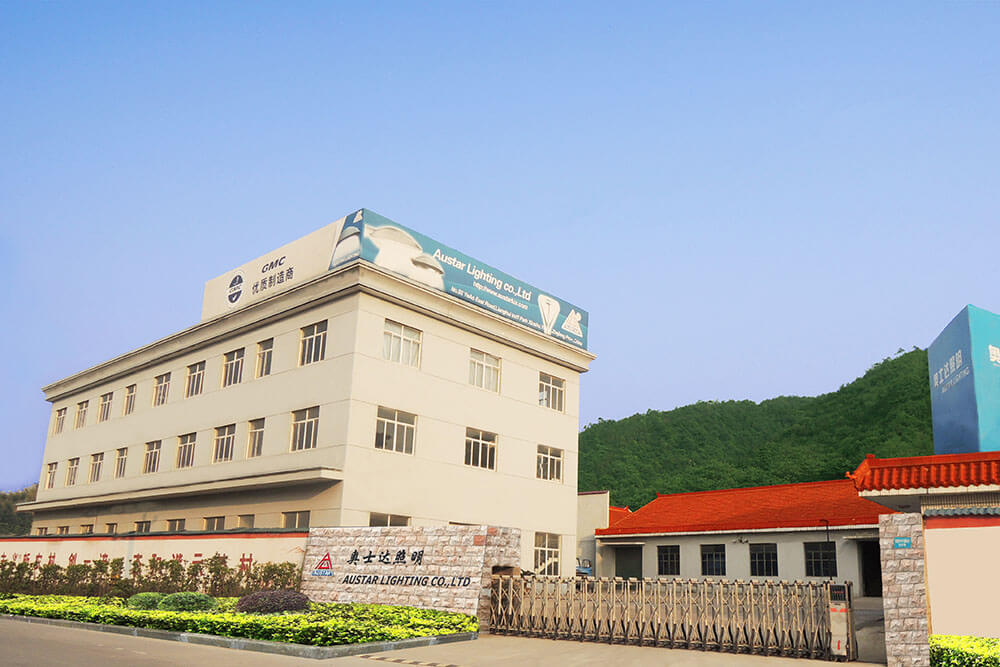
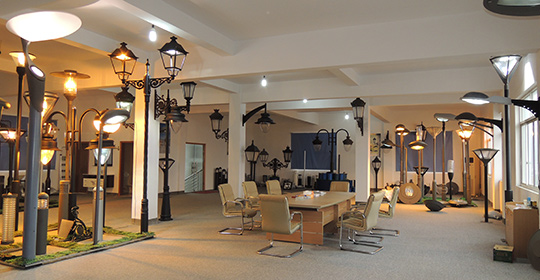
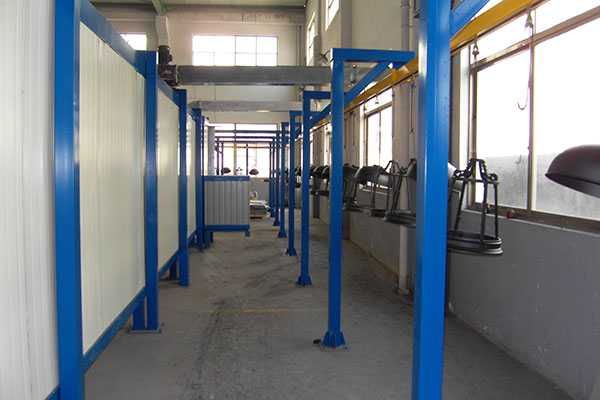
Our workshop houses heavy machinery required for structural durability, including 1000T, 700T, and 300T die casting systems. All coatings are applied using an automated electrostatic powder spraying line to ensure uniform weather resistance. Prior to shipping, 100% of finished systems undergo strict testing in accordance with international standards, securing ENEC, CB, CE, and LVD certifications.
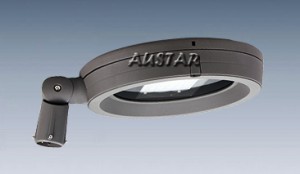
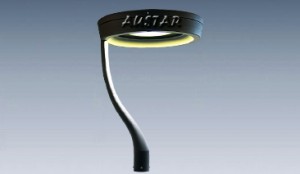
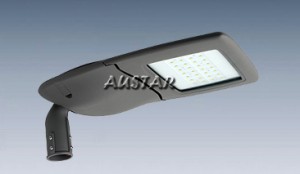
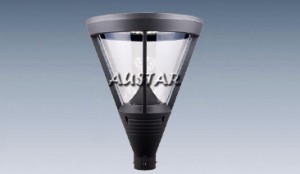
B2B lighting procurement directors representing municipal councils or commercial construction corporations must examine more than unit costs. The key indicators of operational success include:
1. Ambient Drift Calibration: High-performance silicon photodiodes prevent premature turn-on and ensure precise lux-level operation over the unit's lifecycle, preserving energy resources.
2. Surge Protection Devices (SPD): High-voltage spikes from storm activity are a leading cause of photocell failures. Robust units should integrate built-in metal oxide varistor (MOV) protection rated up to 10kV or 20kV.
3. Standard Conformity: Sockets must fully align with ANSI C136.41 (NEMA 3-pin, 5-pin, or 7-pin) to ensure seamless physical compatibility.
The street lighting segment is undergoing a technological migration from independent twilight sensors to networked systems. Today's smart cities utilize Zhaga Book 18 compliant sockets and node architectures. These systems allow bi-directional RF communications (using LoRaWAN, NB-IoT, or cellular protocols), enabling control centers to track real-time energy patterns, monitor failure points, and dynamically dim light levels. This connectivity supports preventive maintenance routines, significantly lowering local operational costs.
Are you sourcing for an upcoming municipal street lighting project or looking to expand your local distribution product range? Contact our Ningbo sales office today to receive comprehensive pricing, OEM/ODM consultation, and physical samples.
Inquiry For Pricelist
 Austar