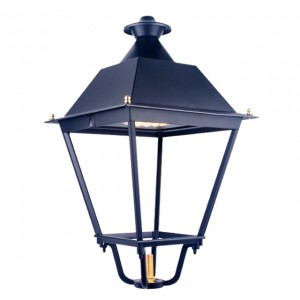
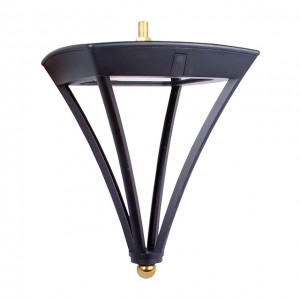
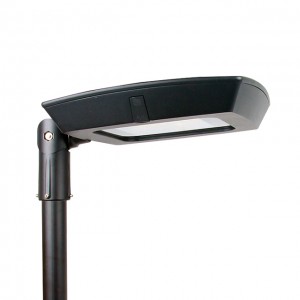
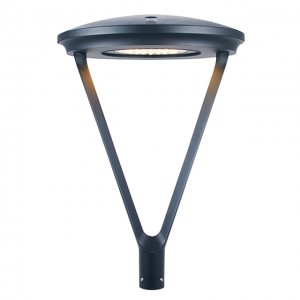
 Austar

Technical Whitepaper: The Evolution of 150W Photocell LED Area Lights
In-depth analysis of municipal standards, commercial demands, and semiconductor breakthroughs.
The Intersection of Semiconductor Efficiency and Optical Automation
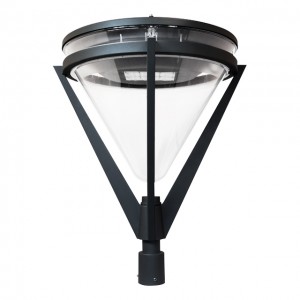
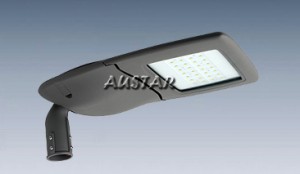
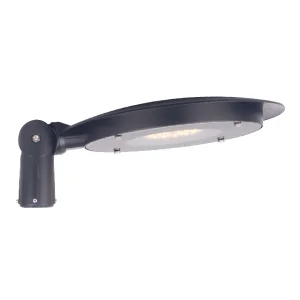
The modern outdoor illumination framework has transcended the basic utility of night visibility. In an era structured by global ESG regulations, decarbonization policies, and smart-city grid integration, the Photocell 150W LED Area Light has emerged as the definitive standard for industrial, commercial, and roadway layouts. Synthesizing low-loss LED drivers with precision dusk-to-dawn phototransistors, these fixtures establish a dynamic bridge between utility reduction and visual security.
A 150-watt output configuration represents the "sweet spot" in commercial external lighting. It bridges the gap between lower-wattage residential pathways and massive, power-intensive highway high-mast configurations. When coupled with advanced NEMA-standard photocells, these lights run automatically, adapting to real-time ambient environment luminance, thus eliminating manual scheduling overhead and optimizing structural energy consumption.
System-Level Efficacy
By deploying premium LED packages (such as Lumileds or Osram chips) alongside high-transmittance optical polymers, our area lights routinely hit up to 150 lm/W. This converts into 22,500 lumens of ultra-crisp output, reducing system power draw by 70% compared to traditional metal-halide fixtures.
Dusk-to-Dawn Automation
Integrated photo-electric cells read surrounding ambient light, initiating power cycles exactly at twilight (typically 10-20 lux threshold) and shutting down at dawn. This system prevents daytime energy waste and protects against human scheduling errors.
Severe Thermal Dissipation
Precision-cast A360/ADC12 aluminum housings engineered with internal heat channels limit junction temperatures to under 75°C. This protection profile guarantees an L70 life expectancy of over 100,000 operational hours.