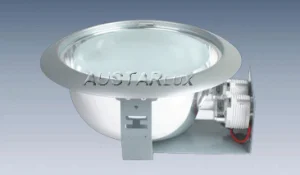
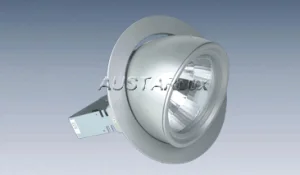
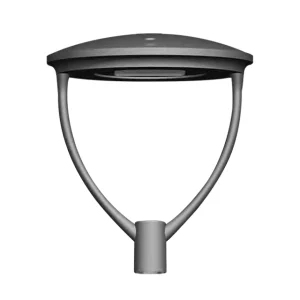
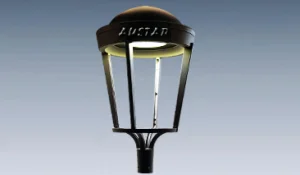
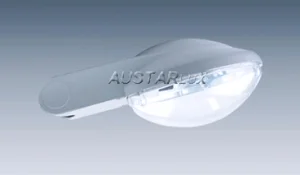
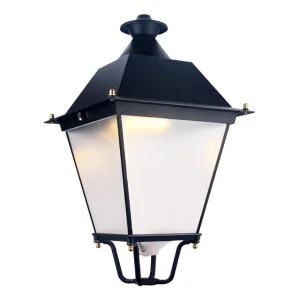
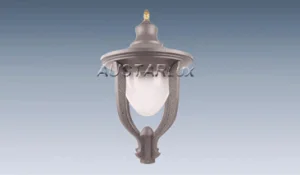
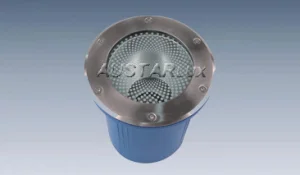
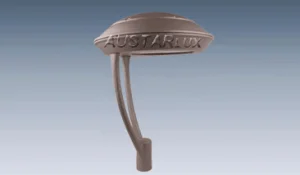
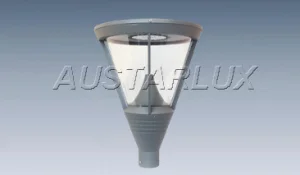
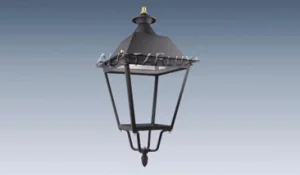
Engineered to withstand Poland's diverse seasonal shifts, complying with EU standard requirements. Highly efficient, customizable, and smart-city ready.
Strategic insights into the Central and Eastern European (CEE) lighting hub, addressing infrastructure modernization and climate demands.
Poland's alignment with European Union decarbonization policies is driving major updates in commercial and public infrastructure. Municipalities are modernizing high-power, low-efficiency legacy installations to comply with strict carbon reduction guidelines. Downlights and urban fixtures must feature superior luminous efficacy (upwards of 140 lm/W) to qualify for state-supported green grants.
Outdoor lighting installations in Poland experience severe thermal stress, with temperatures fluctuating from -25°C in winter up to +35°C in summer. Under these conditions, standard housings often crack, and driver units are prone to failure. Our luminaires are engineered with die-cast ADC12 aluminum housings and finished with protective anti-corrosion powders to ensure constant heat dissipation and structural integrity.
Poland's status as a top logistics hub in Central and Eastern Europe has led to the rapid growth of large logistics parks and commercial centers. These developments require top-tier architectural downlights with high color rendering (CRI > 80/90) and low unified glare ratings (UGR < 19) to ensure comfortable and safe working conditions inside modern warehouses, offices, and shopping plazas.
The Polish commercial lighting market is transitioning from simple light replacement to complex, integrated control networks. Whether upgrading historical sites in Warsaw and Gdańsk or lighting modern expressways like the A1 and A2, developers and local councils now look at system longevity, maintenance overheads, and smart integration capabilities.
For interior spaces in commercial zones, such as the business centers in Warsaw, visual comfort is a primary concern. The implementation of high-efficiency LED downlights must prioritize low UGR scores. High glare index causes headaches and reduces visual accuracy. Under the EN 12464-1 standard, indoor workspaces in Poland demand a UGR of 19 or lower. Furthermore, compliance with the photobiological safety standard EN 62471 is required to ensure that high-frequency optical emissions do not pose blue-light hazards to users.
| Luminaire Parameter | Standard Indoor Commercial Standard | Austar DL Series Performance | Urban/Street Lighting Requirement | Austar Outdoor Series Capability |
|---|---|---|---|---|
| Luminous Efficacy | 90 - 110 lm/W | 120 - 140 lm/W (DL1002/DL1007) | 110 - 130 lm/W | 140 - 160 lm/W (AUR6081) |
| IP Rating | IP20 - IP40 | IP44 - IP54 Rated Downlights | Min IP65 | IP66 Dual-chamber Protection |
| IK Rating | Not Specified | IK06 - IK08 High Durability | Min IK08 | IK09 / IK10 Vandal-Resistant |
| Color Temp (CCT) | 4000K | Custom (2700K - 6500K) | 3000K - 4000K | Warm 3000K / Amber for Historic Areas |
European distributors and lighting contractors often face tight margins and short project delivery times. Managing supply chains while maintaining high quality can be challenging. Working with a Chinese manufacturer like Austar offers distinct advantages:
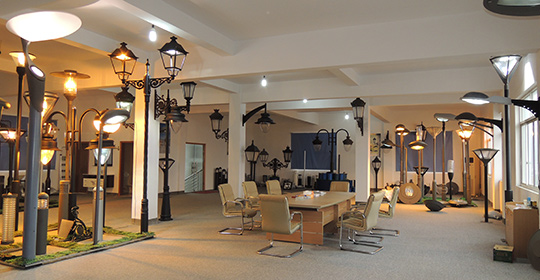
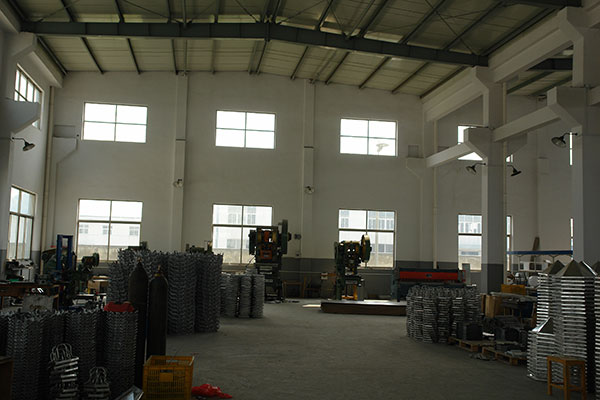
We work closely with local municipal offices, highway authorities, and property management firms across major Polish cities:
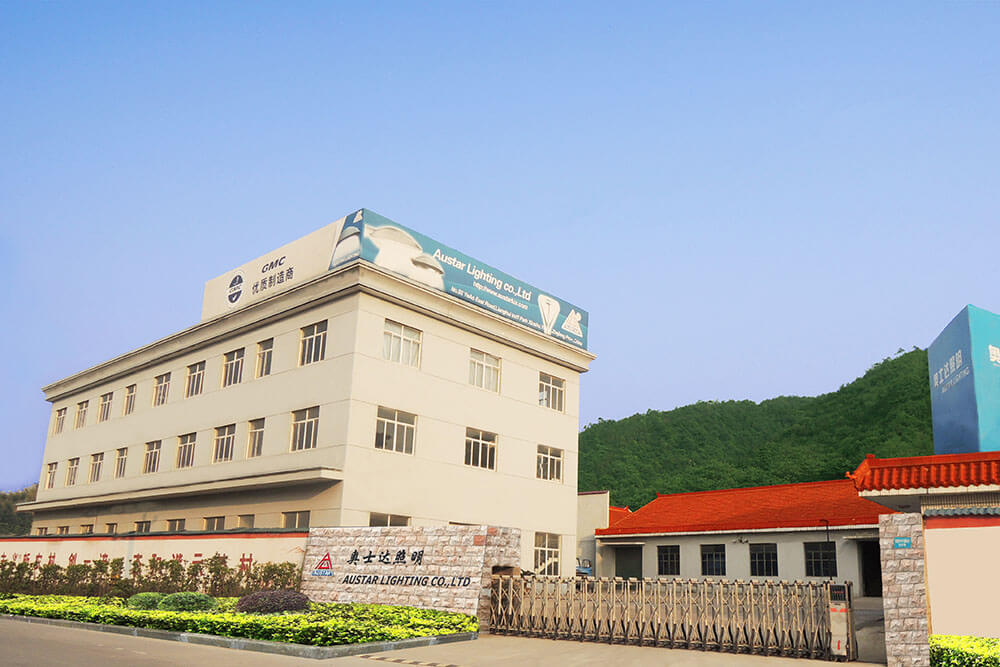
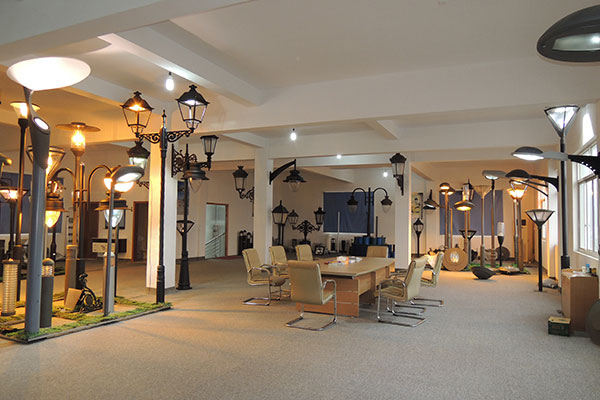
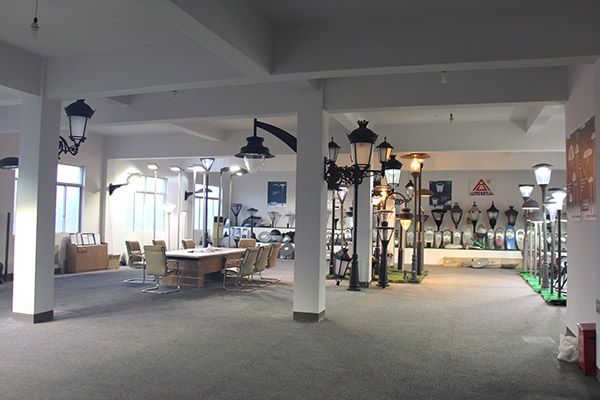
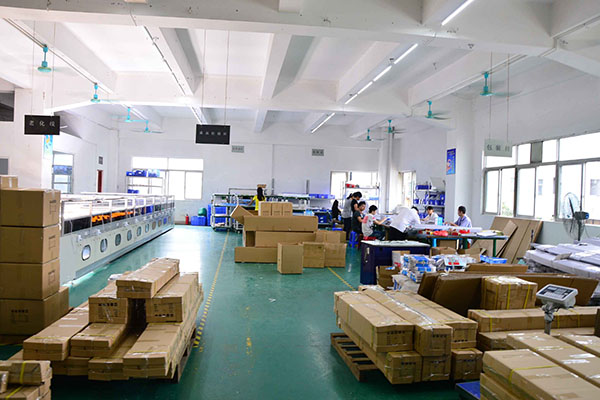
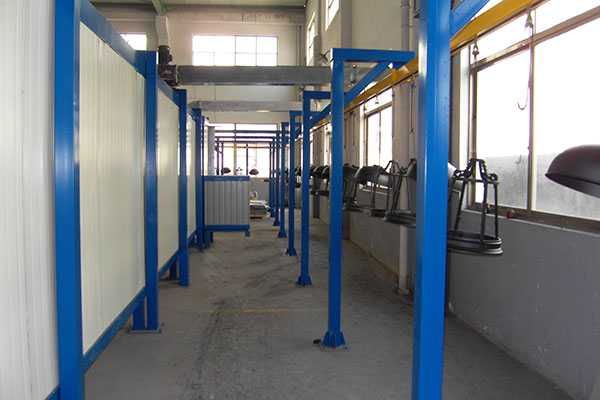
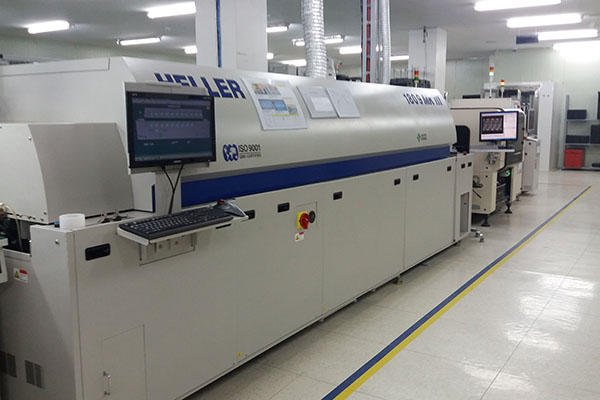
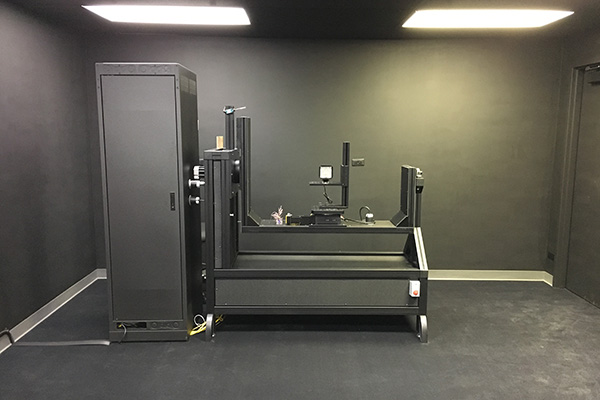
Take a virtual tour of our 10,000㎡ manufacturing plant in Ningbo, China. See our strict quality controls and automated production lines in action.
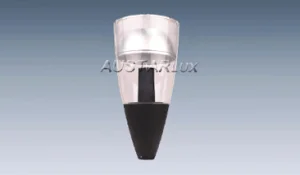
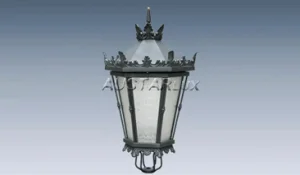
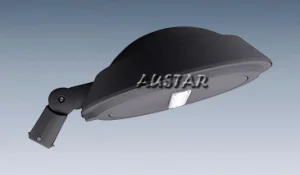
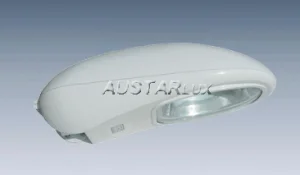
Select products from our main catalog, built to meet Poland's electrical safety and design standards.
Additional products designed to meet European smart lighting requirements and architectural layouts.
Winning tenders in Poland requires meeting rigorous technical standards. Municipal and private developments evaluate bids based on Life Cycle Costing (LCC) models, which consider upfront unit costs alongside 10-year maintenance calculations.
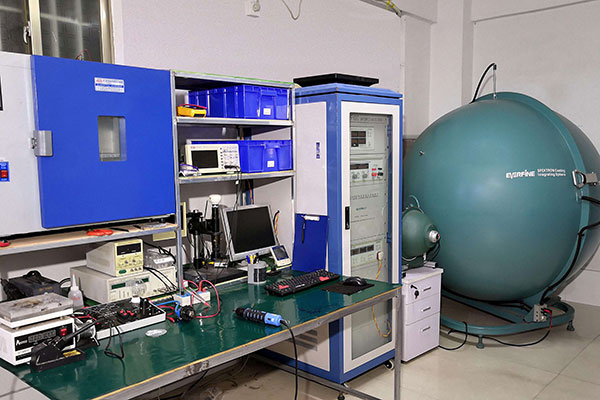
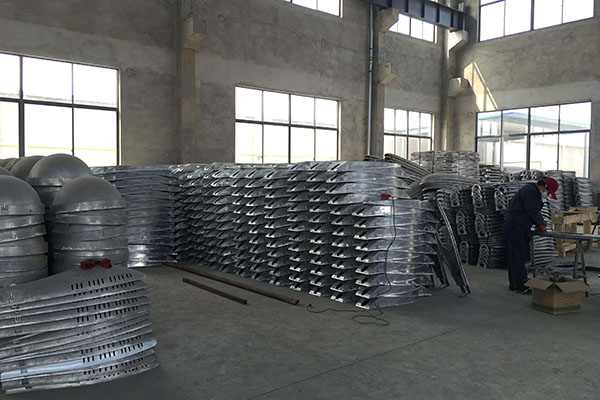
Find technical answers about logistics, design compliance, and product customization for the Polish market.
 Austar