High-efficiency, classic optical systems calibrated specifically for Luxembourg municipal and residential projects.
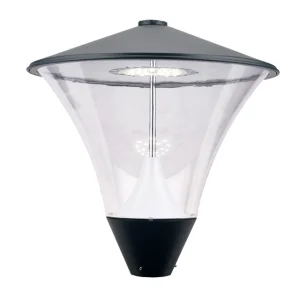
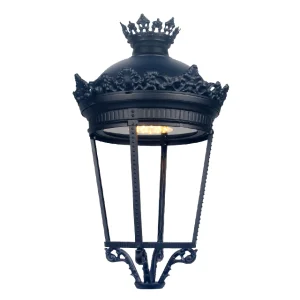
Analysis of the Luxembourg energy and urban lighting market under the EU Green Deal mandates.
Luxembourg, characterized by its strict municipal standards, unique historical topography (such as the UNESCO World Heritage districts of Luxembourg City), and robust financial engine, requires street lighting solutions that perform to the highest standards. In particular, districts like the Grund, Clausen, and Pfaffenthal possess unique architectural fabrics requiring outdoor lighting fixtures that blend classical aesthetics with modern energy-efficiency standards.
"Luxembourg's National Energy and Climate Plan (PNEC) mandates significant reductions in municipal electricity consumption. Street lighting represents up to 35% of municipal power budgets, rendering modern LED retrofitting of classical luminaires an immediate technical necessity."
Urban planning departments throughout the Grand Duchy face a dual challenge. They must preserve the visual character of medieval, renaissance, and 19th-century infrastructure while achieving compliance with strict European standards for light pollution, energy efficiency, and safety. Historical lanterns with low-efficiency gas discharge lamps or early-generation LED arrays no longer meet energy benchmarks. Upgrading requires luminaires engineered for precise photometric distribution, low glare, and integration with intelligent IoT control interfaces (such as LoRaWAN or Zhaga-compliant nodes).
Luxembourg municipal standards restrict upward light output ratio (ULOR) to less than 1% in rural and protected green spaces, minimizing light pollution.
Luminaires must feature Zhaga Book 18 or NEMA 7-pin receptacles to support Luxembourg's growing national smart grid and dimming networks.
Salt spray, freeze-thaw cycles, and heavy precipitation require housing materials featuring high-grade die-cast aluminum (ADC12) and C5-I anti-corrosion finishes.
Strategic decision-making parameters for municipal purchasers and utility contractors.
In the global B2B procurement space, the purchase of outdoor classical luminaires has shifted from simple capital expenditure (CAPEX) evaluations to comprehensive Total Cost of Ownership (TCO) modeling. B2B clients—ranging from European municipal engineers to multinational civil contractors—evaluate procurement decisions based on the following technical and operational criteria:
Modern classical fixtures must not compromise on optical delivery. High-grade PMMA lens matrices must direct light precisely to the roadway or pedestrian pathway, eliminating glare (G-class ratings according to EN 13201) and ensuring high uniformity. Color temperature selection has also shifted; historic districts typically require warm white CCTs (2200K to 2700K) to replicate the historical ambiance without the low CRI disadvantages of old high-pressure sodium lamps.
A primary failure point in early municipal LED systems was the inability to service components on-site. Global procurement networks now demand toolless entry systems and modular LED engines. If a driver fails or an LED board requires upgrading in 10 years, technicians must be able to swap out the electronic gear tray in minutes without replacing the entire architectural housing. This aligns with circular economy mandates active throughout the EU.
For European distribution, and specifically the Luxembourg market, compliance with CE, ENEC, CB, and LVD certifications is non-negotiable. These marks guarantee the electrical safety, electromagnetic compatibility, and structural integrity of the luminaires, simplifying approvals with national grid operators like Creos.
How Austar Lighting integrates advanced manufacturing technology to serve demanding European markets.
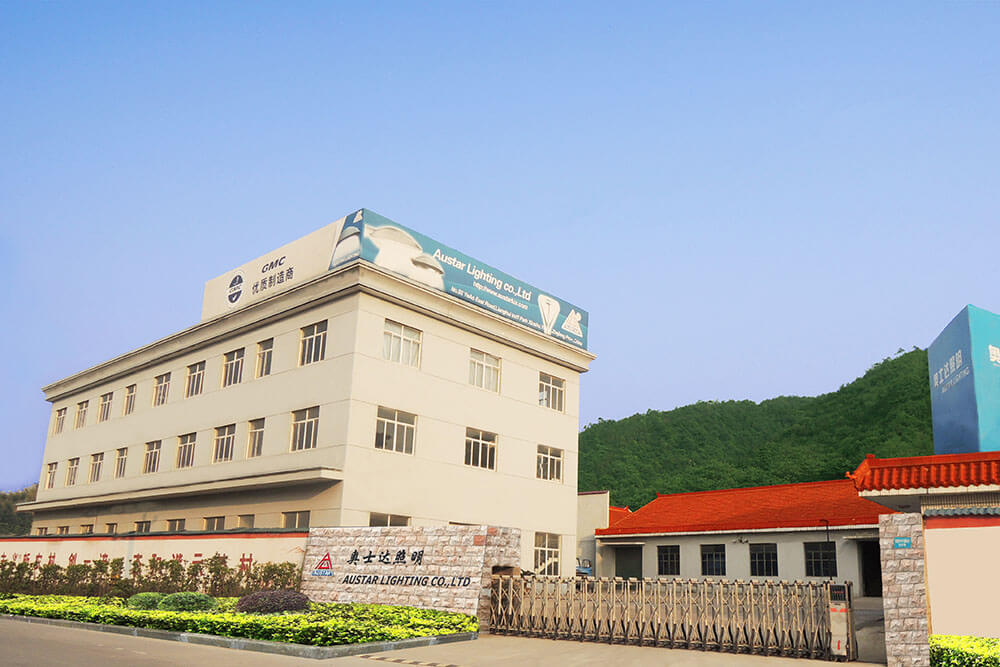
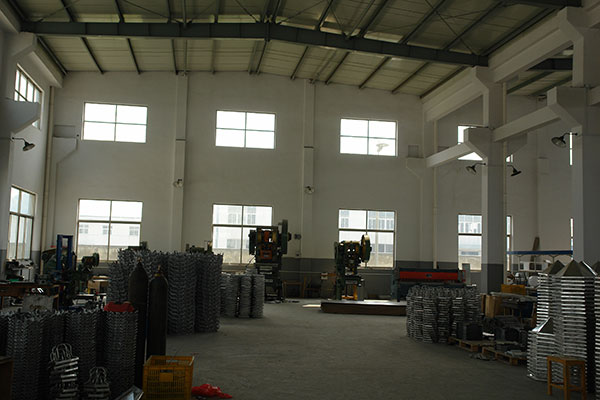
As a developed manufacturer based in Ningbo, China, Austar Lighting Co., Ltd. exemplifies the transformation of Chinese lighting production into an advanced, precision-engineered system. Founded in 2003, Austar operates a 10,000 square meter facility utilizing Factory 4.0 principles to balance production capacity, customization, and quality control.
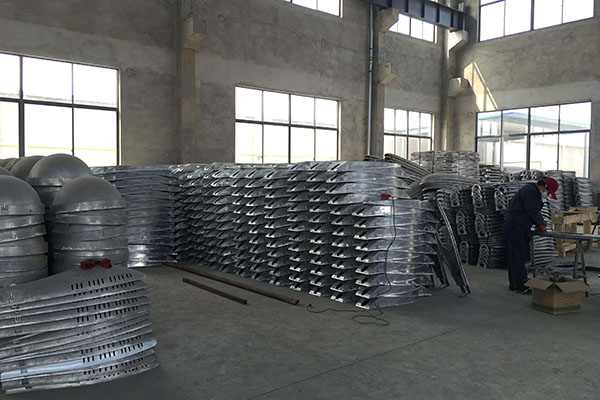
Our collaboration with leading Italian lighting designers ensures that the classical lines of our housings match European architectural traditions, while the internal technology remains advanced. The integration of high-grade die-casting machinery (featuring 1000T, 700T, and 300T units) allows us to maintain tight tolerances and structural integrity. By operating our own dedicated mold manufacturing and die-casting shops, we retain total control over structural quality, significantly reducing lead times and ensuring rapid response to customized municipal designs.
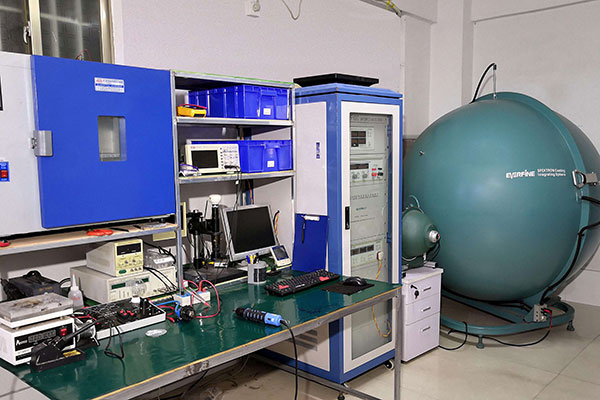
Equipped with photoelectric integrating spheres, goniophotometers for darkroom testing, IPX6/IPX7 waterproof testing instruments, high/low temperature chambers, and EMC testing facilities to guarantee international standards compliance.
With 3 assembly lines and 2 automated LED aging lines, we maintain an annual capacity of over 150,000 sets. Our proximity to the Ningbo Port guarantees efficient ocean freight, with air cargo options available for urgent projects.
Backed by 10 technicians and 5 senior engineers, we can develop and manufacture customized luminaires from 3D design files or physical samples within one month, offering tailored solutions for historical retrofits.
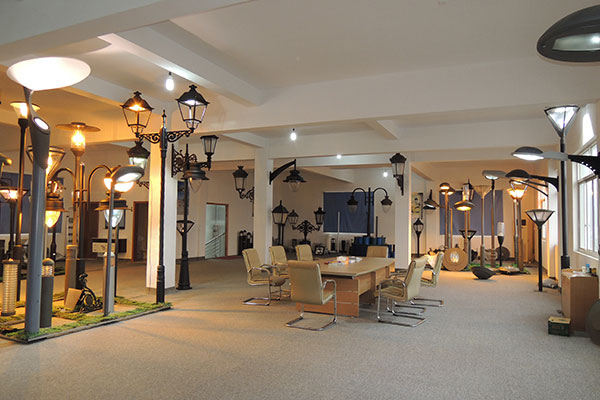
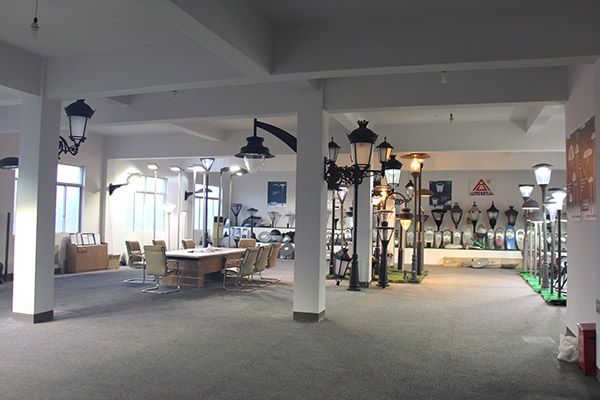
Tailoring lighting optics to meet the unique historic and geographic parameters of Luxembourg municipalities.
Different regions of Luxembourg demand tailored approaches to optical planning and light control. Our classical luminaires are engineered to suit these varied localized requirements:
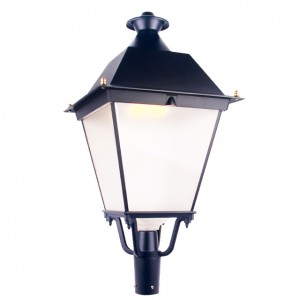
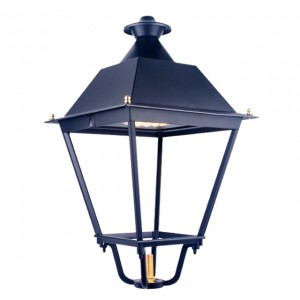
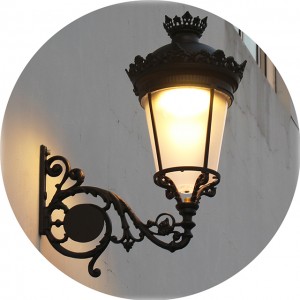
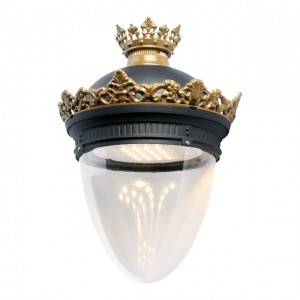
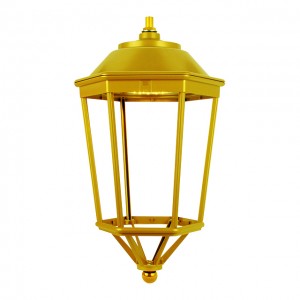
For sensitive heritage zones near the old city walls and fortresses, lighting must be non-intrusive. The architectural design of the luminaire housing must reflect historical patterns (such as our Farol Fernandino or Berna Lira series). Optically, we employ ultra-warm LEDs (2200K) combined with diffuse optics to eliminate high-contrast glare and shield historic stone facades from excess light spill, aligning with national conservation guidelines.
Modern pedestrian zones require luminaires that combine historic visual aesthetics with intelligent operation. Using integrated occupancy sensors and dimming profiles, the luminaires operate at 20% capacity during quiet night hours, scaling up to 100% capacity when movement is detected. This technology lowers municipal energy costs while maintaining public safety.
Public plazas and urban parks require wide, symmetrical light distribution to eliminate blind spots. Our Stelia and Palacio Fernandino models feature impact-resistant polycarbonate (PC) or PMMA diffusers with ratings up to IK10, protecting against vandalism while providing comfortable ambient illumination for public spaces.
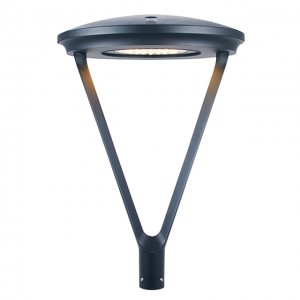
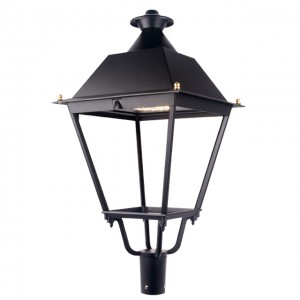
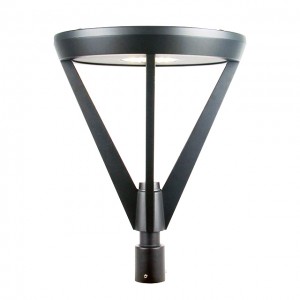
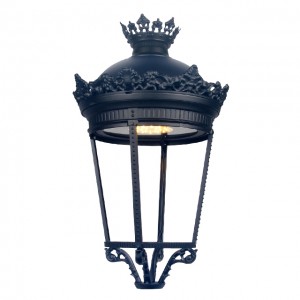
Select options for restoration, urban renewal, and historic street projects in Luxembourg.
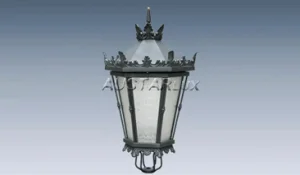
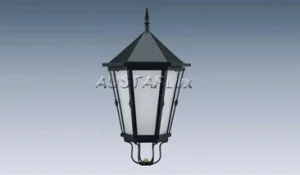
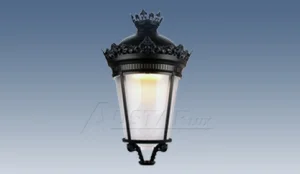
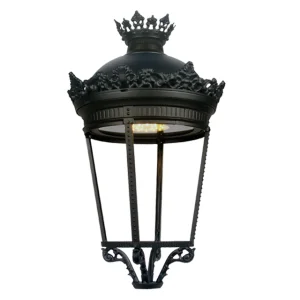
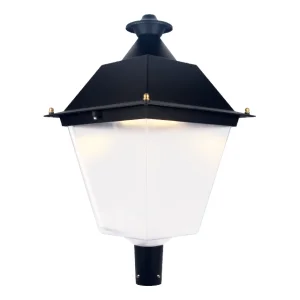
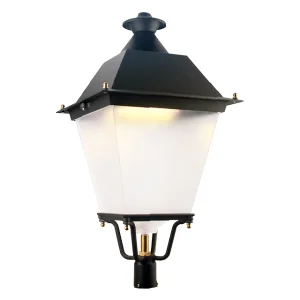
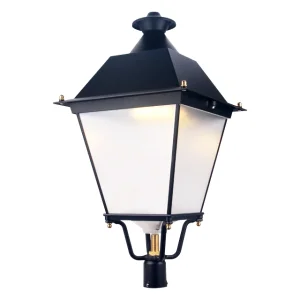
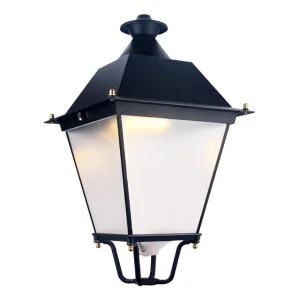
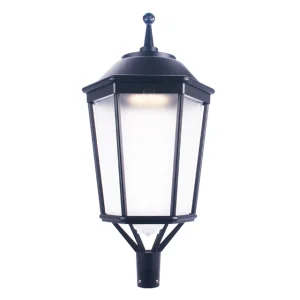
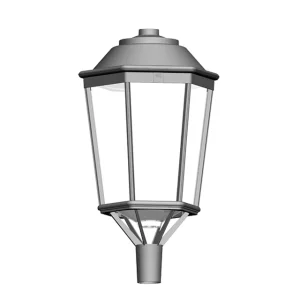
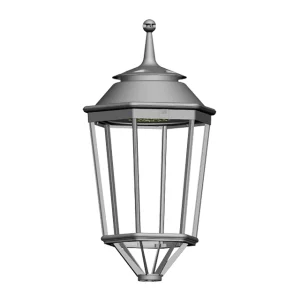
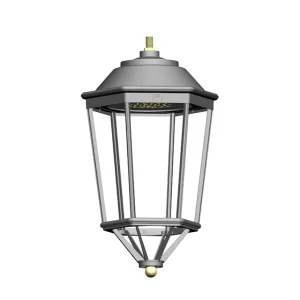
Austar Specialty series designed in partnership with European lighting engineers.
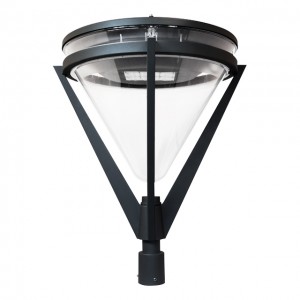
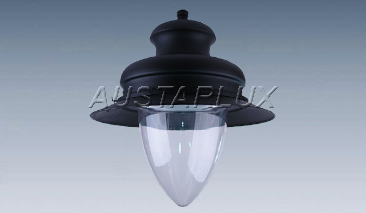
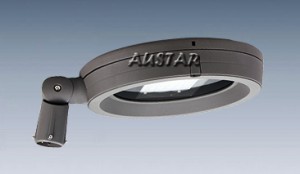
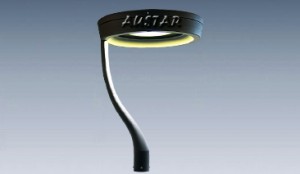
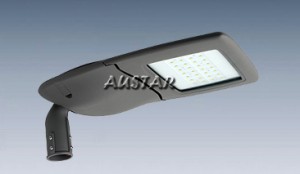
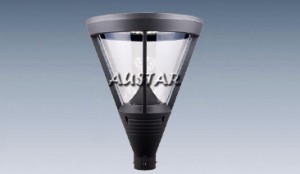
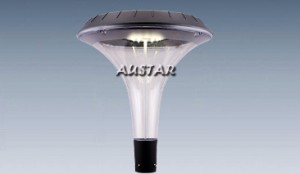
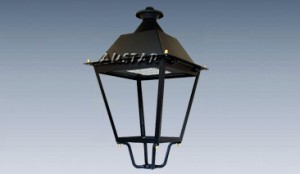
Essential considerations for engineers, utility developers, and procurement officers in the Luxembourg market.
Our luminaires undergo photometric testing in our certified darkrooms. We supply standard IES/LDT files to lighting designers, allowing them to verify compliance with Luxembourg’s EN 13201 lighting classes (covering parameters like average luminance, overall uniformity, and glare limitation) in DIALux before procurement.
Yes. Our in-house engineering and mold manufacturing facility can design and produce customized castings, bracket adapters, or decorative fixtures within 30 days to match the architectural requirements of local councils in Luxembourg.
Our classic luminaires are supplied with a standard 5-year warranty, using high-performance components (including Philips/Inventronics drivers and Lumileds LED chips). In addition, they feature modular designs that allow toolless component replacement on-site to minimize maintenance costs.
All inquiries are answered within 12 hours on workdays. With multiple automated assembly lines and located near the Ningbo shipping port, we guarantee steady production cycles and reliable transport options to European logistical hubs.
To protect components against grid instability and lighting strikes, all our outdoor luminaires include dedicated surge protection devices (SPD) of 10kV or 20kV, complying with safety regulations for municipal infrastructure.
Additional custom historical models developed for our global projects.
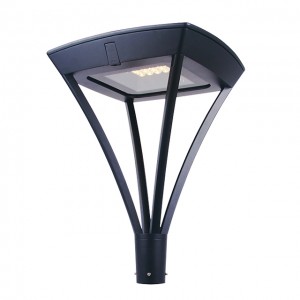
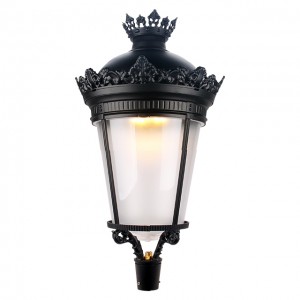
Submit your design requirements or project specifications, and our engineering team will provide a comprehensive proposal within 24 hours.
 Austar