Explore our premium smart-ready luminaire systems optimized for municipal deployment, smart integration, and maximum efficiency.
Why next-generation municipal development demands connected, sensor-rich lighting architectures.
The global urbanization path is undergoing a vital transformation. Street lights are no longer isolated luminaires designed solely for visibility. They are the neural nodes of future smart cities. Integrating Street Light Smart Systems allows municipalities to optimize power distribution, reduce carbon emissions by up to 70%, and monitor urban environments in real-time.
By using smart technologies like NB-IoT, LoRaWAN, and Zigbee protocol nodes, contemporary street lights communicate directly with centralized management platforms (CMS). This enables automated dimming curves based on traffic density, dynamic astronomical calendars, and proactive maintenance alerts before a lamp fails, shifting from reactive to predictive servicing models.
Smart systems adapt brightness dynamically based on vehicle speeds, pedestrian presence, and ambient weather conditions, extending LED lifespans and saving energy.
Processing data directly at the pole level allows instant response actions, reducing latency and reliance on continuous cloud connectivity.
Our manufacturing capability and global presence back up our engineering and technical expertise.
Exploring supply chain integration, technological agility, and high-performance testing standards.
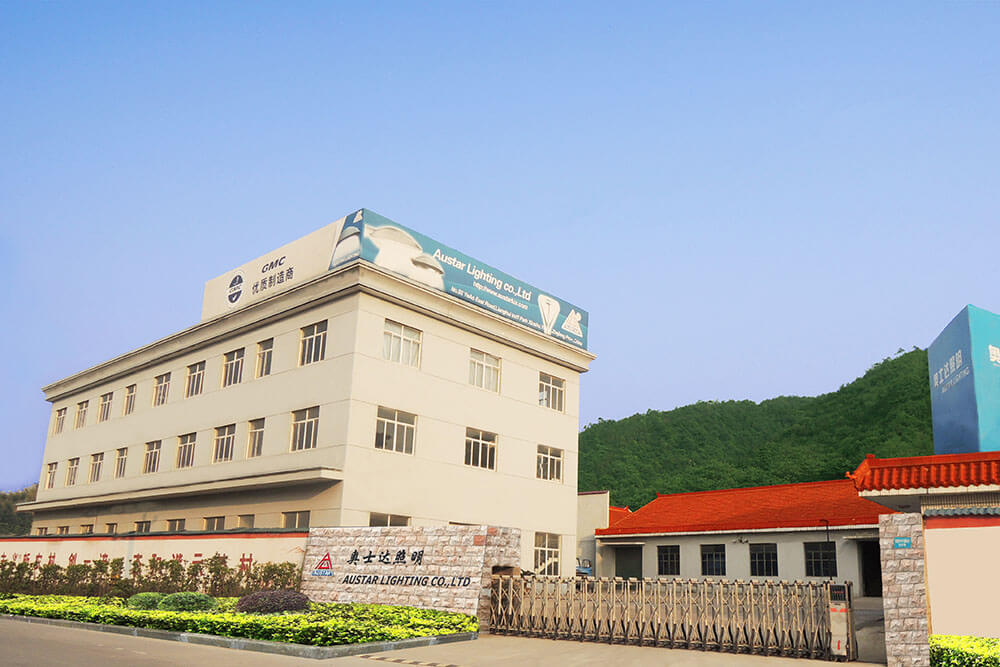
Choosing a premier Chinese manufacturer like Austar Lighting Co., Ltd. (based in Ningbo) provides access to a highly integrated industrial ecosystem. Ningbo is a global hub for die-casting, precision mold fabrication, and electronic components. This geographic concentration reduces logistical bottlenecks and enables rapid prototyping and system customization.
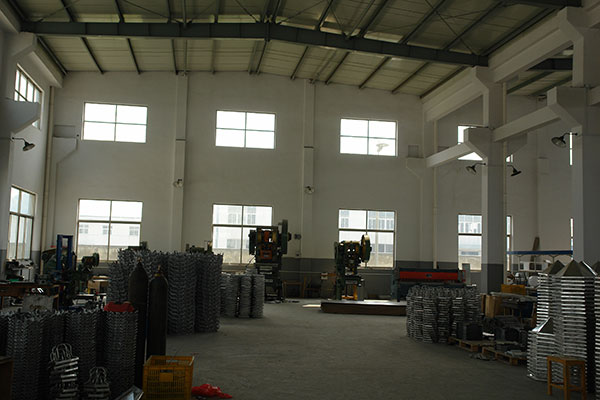
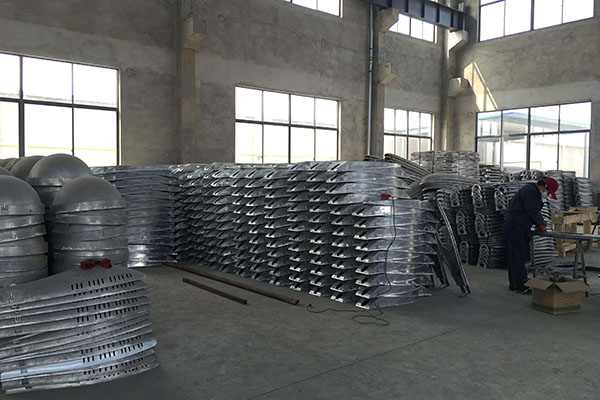
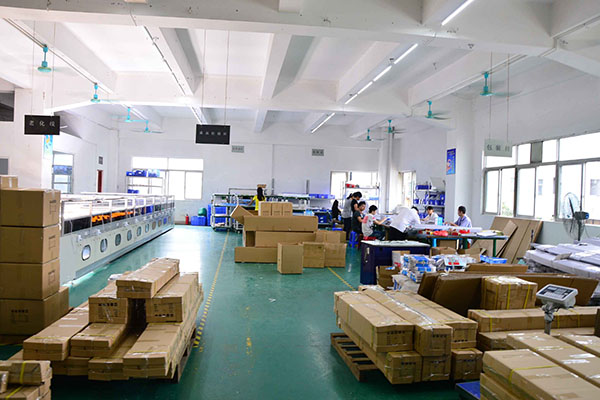
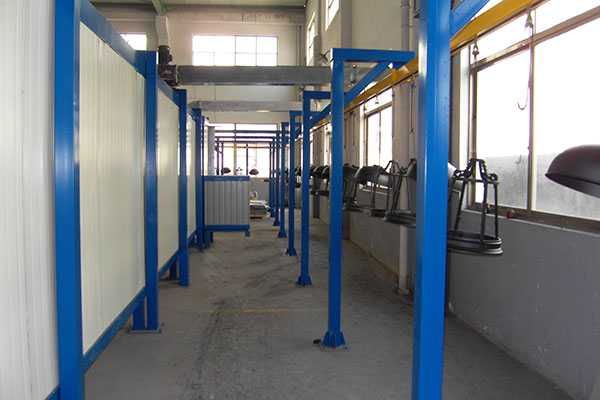
Our facility houses 1000T, 700T, and 300T high-pressure die-casting machinery, automated powder spraying lines, and dedicated LED aging units. This industrial capacity enables us to quickly scale production while maintaining tight mechanical and electrical tolerances. Additionally, our partnership with Italian lighting designers blends sophisticated European aesthetics with robust, cost-effective Chinese manufacturing engineering.
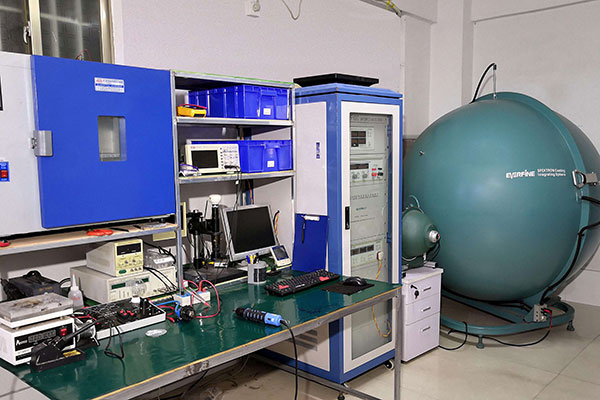
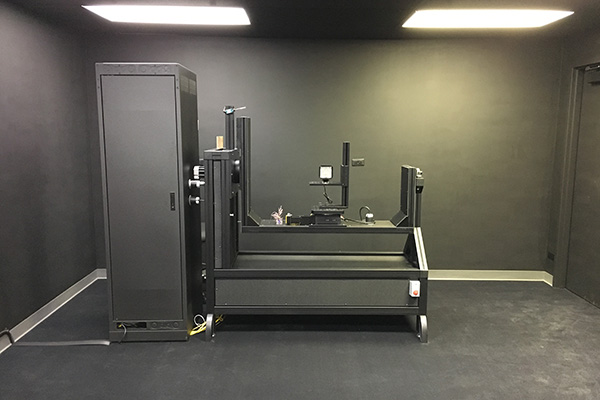
Furthermore, reliability is backed by stringent validation protocols. In-house testing uses advanced photoelectric integrating spheres, salt spray chambers for coastal corrosion proofing, environmental chambers for thermal cycling (-40°C to +55°C), and EMC test equipment to guarantee electromagnetic compatibility. All finished products undergo 100% inspection, ensuring compliance with international regulations like CE, CB, ENEC, and LVD.
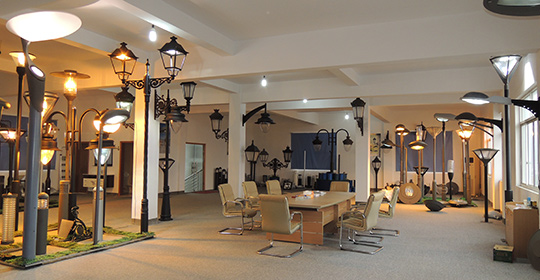
Engineered configurations tailored to diverse municipal, commercial, and structural environments.
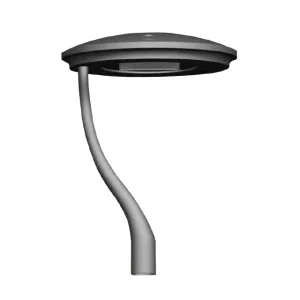
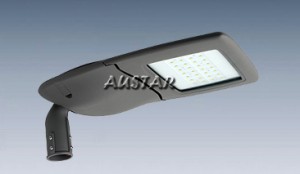
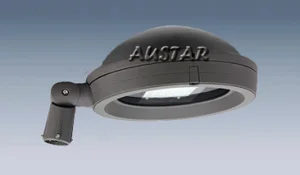
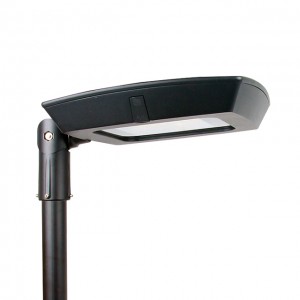
High-speed traffic arteries require high-lumen output and precise beam patterns to reduce glare. We offer smart street lights with 7-pin NEMA sockets, accommodating photodiode controllers and surge protection up to 10kV/20kV to withstand extreme weather anomalies.
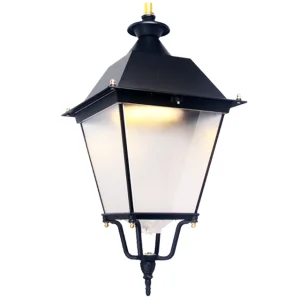
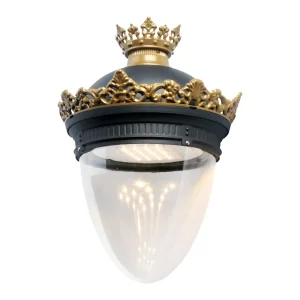
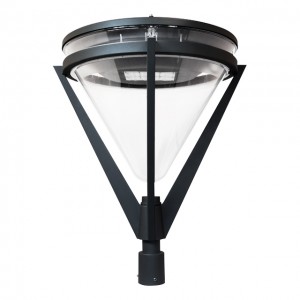
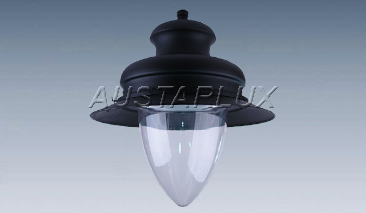
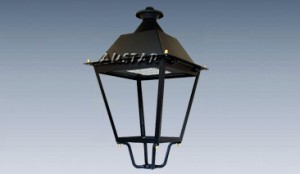
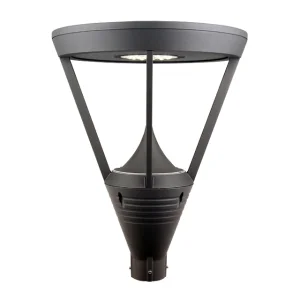
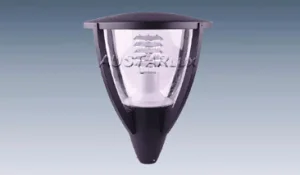
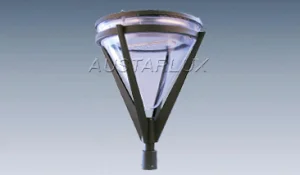
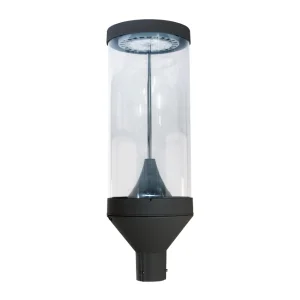
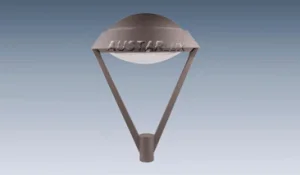
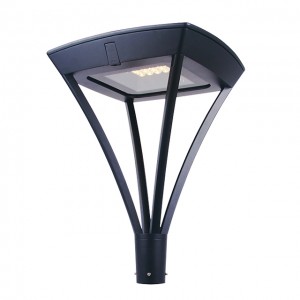
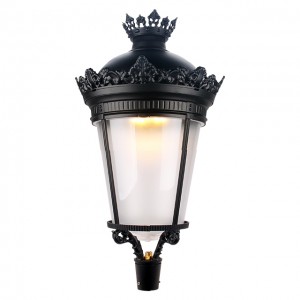
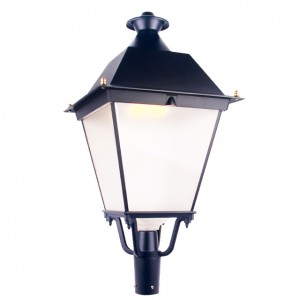
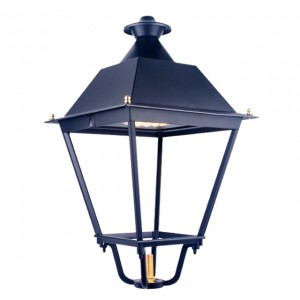
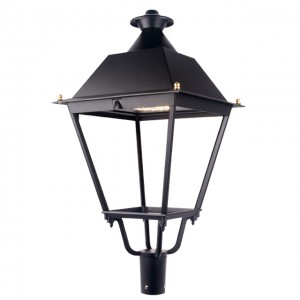
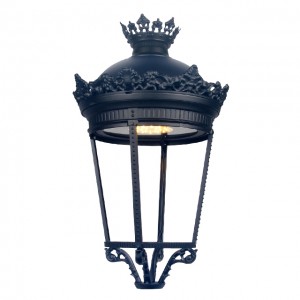
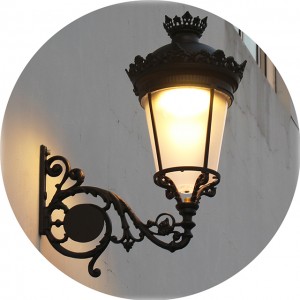
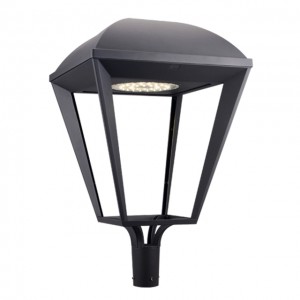
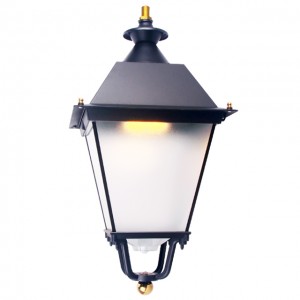
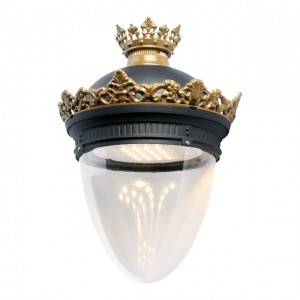
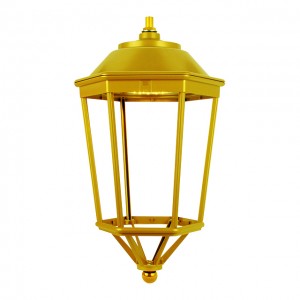
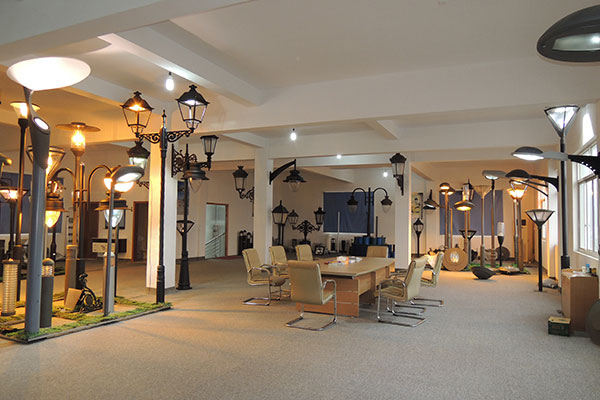
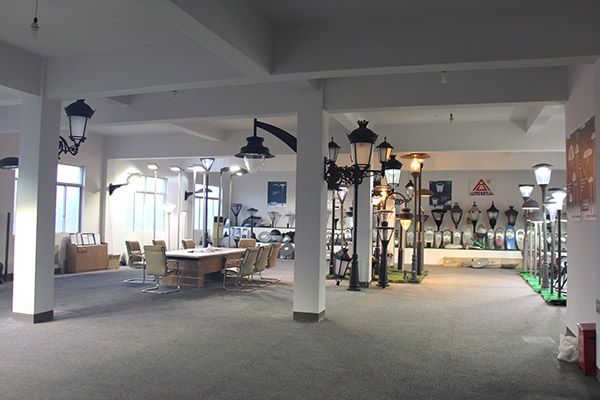
Heritage centers require classic lantern aesthetics but also need energy conservation. Our traditional urban lighting collections feature historical styling integrated with modern LED modules and smart nodes, preserving local charm while implementing smart dimming.
Logistics centers and warehouses require flexible lighting control based on operating hours. Motion sensor tracking systems can dim sections during inactivity and ramp up to full brightness during transport cycles, maximizing utility savings.
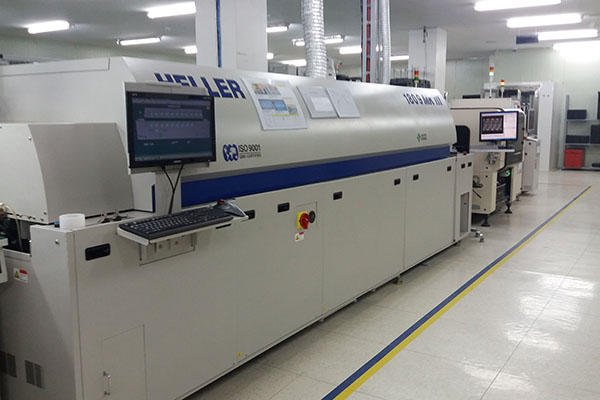
Visualizing the quality control, advanced tooling, and precision assembly lines inside our 10,000㎡ plant.
Decoupling specifications, interface geometries, and electrical safety profiles for smart municipal bids.
Global procurement teams must cross-verify specific technical requirements during tender stages. Modern smart luminaires should integrate standardized interfaces like Zhaga Book 18 sockets or 7-Pin NEMA configurations. Zhaga-certified connectors offer compact, low-profile alternatives that carry low-voltage power (24V DC) directly to DALI-2 drivers, ensuring compatibility across different controller brands.
We ensure that our electronic drivers support advanced dimming protocols like DALI, 1-10V, and PWM. Proper thermal design uses ADC12 grade die-cast aluminum alloys, providing high thermal conductivity. This ensures junction temperatures remain below 75°C under continuous operation, keeping luminaire lumen decay below L80B10 over 50,000 hours.
For outdoor installations, environmental resistance is critical. Systems require a minimum rating of IP66 for water and dust ingress protection, along with IK08/IK09 impact resistance ratings to protect against mechanical impact or vandalism. The powder coating process also needs to resist salt spray exposure for coastal installations, meeting ASTM B117 standards to prevent structural degradation.
In addition to electrical safety, optical performance must be carefully calculated. Photometric files (.IES or .LDT) help lighting engineers plan light distribution curves. This optimizes spacing-to-mounting height ratios, minimizing light pollution (glare and skyglow) while ensuring uniform road lighting that complies with international standards like EN 13201.
Expert technical answers addressing engineering, commercial, and logistics concerns.
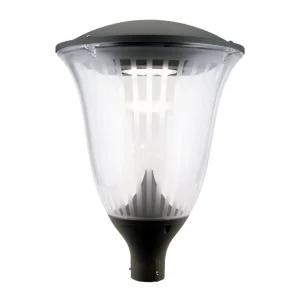
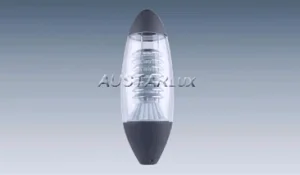
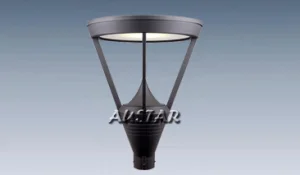
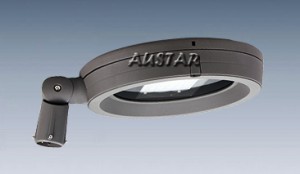
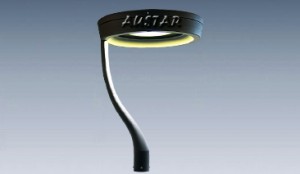
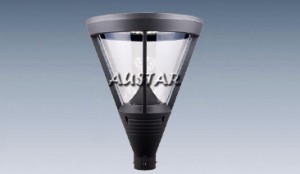
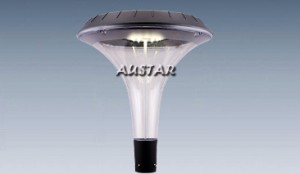
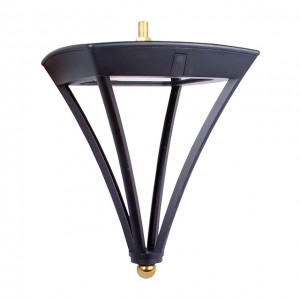
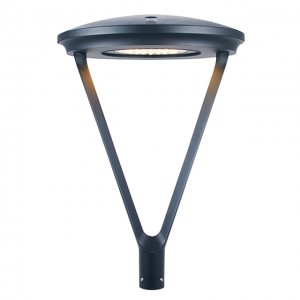
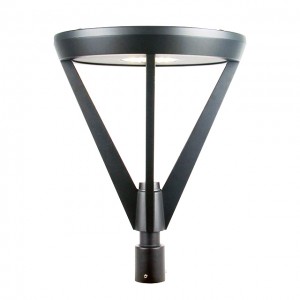
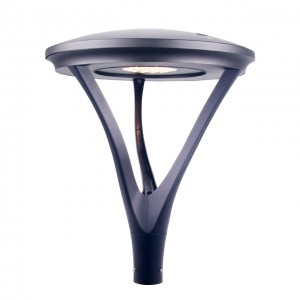
Discover our comprehensive collection of smart-compatible amenity lights and classic street lanterns.
Providing durable, stylish external housings and optics for public spaces and residential quarters.
For inquiries about our smart street light systems, custom manufacturing options, or direct price lists, please leave your email below and our technical sales engineers will contact you within 24 hours.
 Austar