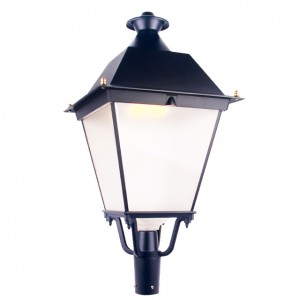
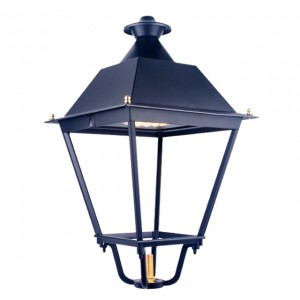
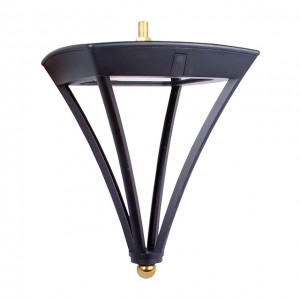
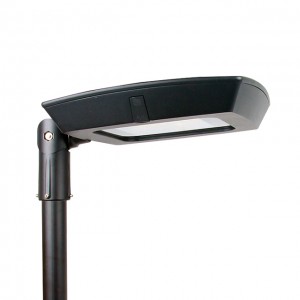
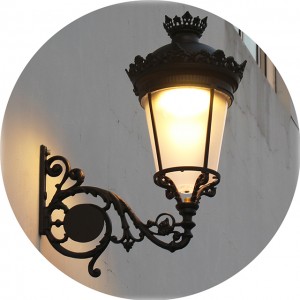
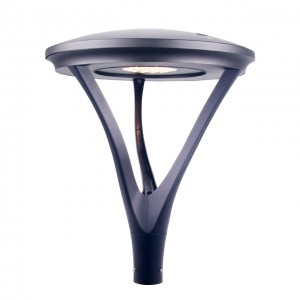
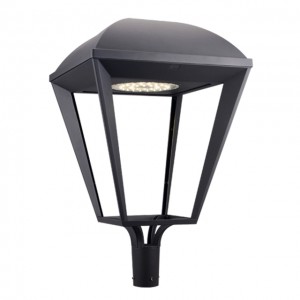
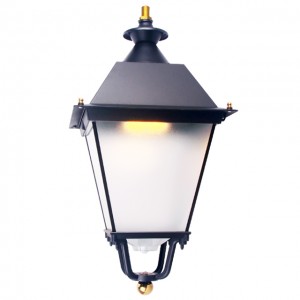
Engineered for structural resilience, superior optical output, and long-term performance under harsh atmospheric conditions.
An Analytical Whitepaper on Architecture, Lighting Design, and Regulatory Compliance
Global architectural systems are fundamentally changing under environmental initiatives like the European Green Deal and North American ASHRAE 90.1 / Title 24 standards. Exterior wall lighting is no longer just decorative; it must achieve high energy metrics. Modern installations demand luminaires with systemic luminous efficacy values exceeding 130 lm/W, utilizing advanced optical lens arrays to direct light without causing skyward light pollution.
Modern commercial, industrial, and urban centers require wall-mounted lighting systems integrated with wider digital infrastructure. Using universal Zhaga or NEMA receptacles enables seamless node deployment. This transition allows municipal lights to operate under IoT protocols (such as LoRaWAN, Zigbee, or DALI-2), offering smart dimming schedules, real-time energy usage reporting, and automated maintenance diagnostics that lower overall operational costs.
Architects and engineers face increasingly extreme global weather events. Wall-mounted lighting systems must withstand heavy wind loads, extreme temperature swings (-40°C to +55°C), and corrosive seaside environments. Using high-grade die-cast aluminum alloys like ADC12, combined with multi-stage powder coatings, ensures long-term resistance to corrosion and UV damage, maintaining structural integrity over decades.
The Evolution of Outdoor LED Wall Lighting Systems
The global commercial lighting market is transitioning from simple illumination to smart, highly efficient, and human-centric architectural components. Industrial designers and structural engineers are focusing on several key technical areas:
Modern municipalities require outdoor luminaires to comply with Dark Sky regulations to prevent light pollution. High-precision optics using PMMA or polycarbonate materials provide asymmetric light distribution, directing illumination where it is needed without spilled light. Backlight-Uplight-Glare (BUG) ratings must be minimized to ensure compliance with environmental standards.
Dynamic architectural lighting is driving demand for Tunable White technology. Designers can adjust color temperatures from warm 2700K tones to cool 5000K settings to suit changing architectural aesthetics. Integrating microwave motion sensors, phototransistors, and ambient light sensors ensures the luminaires operate only when required, reducing overall energy consumption.
Overheating is a primary cause of premature LED degradation. Modern high-output wall fixtures utilize integrated thermal management systems, incorporating engineered heat-dissipating cooling fins within the die-cast housing. This configuration maintains LED junction temperatures well below critical limits, ensuring a service life exceeding 100,000 operating hours.
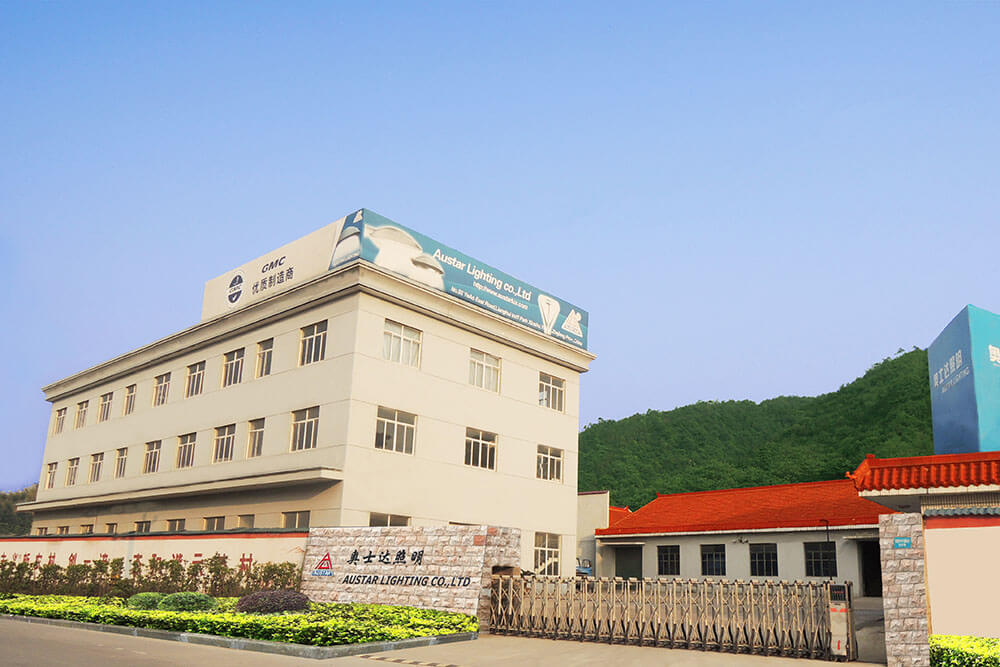
Austar Lighting's advanced manufacturing capabilities in Ningbo, China
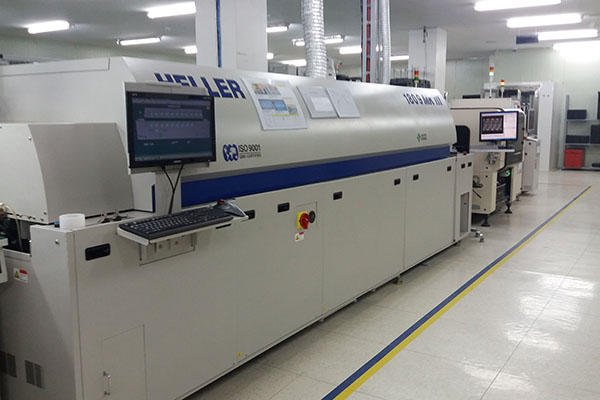
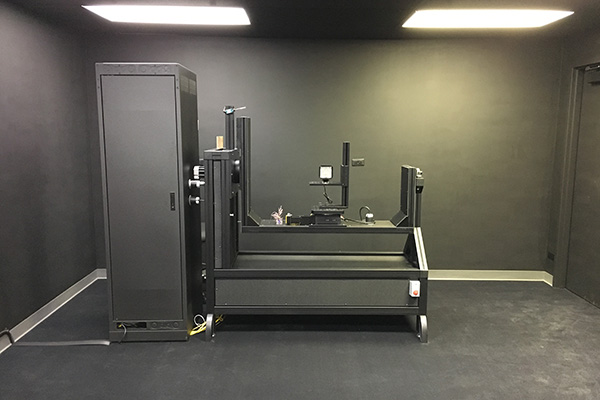
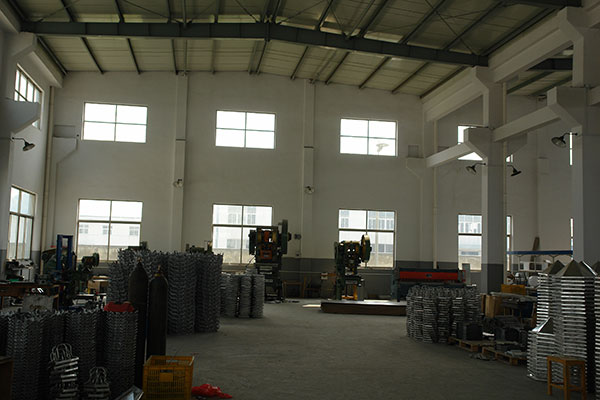
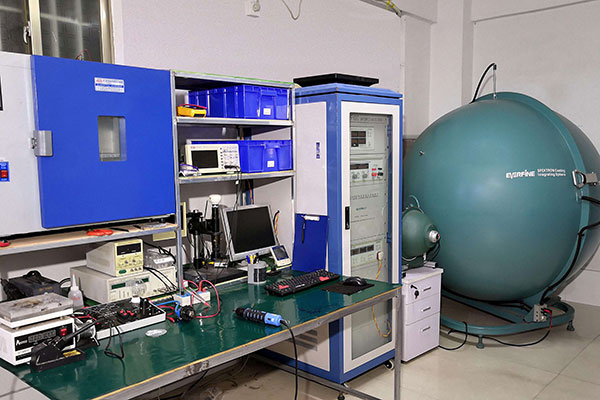
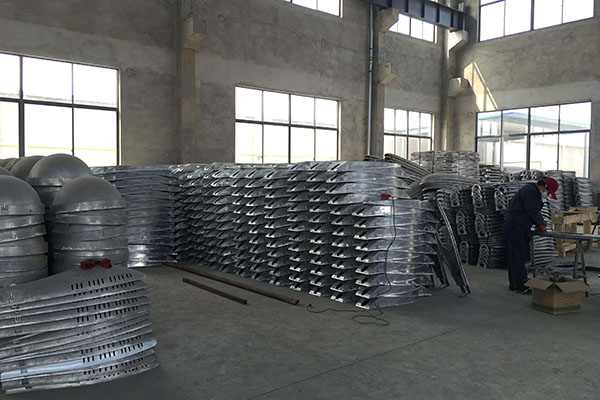
Austar Lighting Co., Ltd. operates a modern 10,000 m² manufacturing facility in Ningbo, China. Since 2003, we have developed our operations to integrate the primary stages of luminaire production within our factory. This comprehensive setup ensures quality control, manufacturing speed, and supply chain resilience.
Our facility features heavy-duty die-casting machinery, including 300T, 700T, and 1000T die-casting presses. This equipment allows us to manufacture durable structural components in-house. Our automated electrostatic powder-coating lines apply weather-resistant coatings, ensuring corrosion protection for industrial and coastal installations.
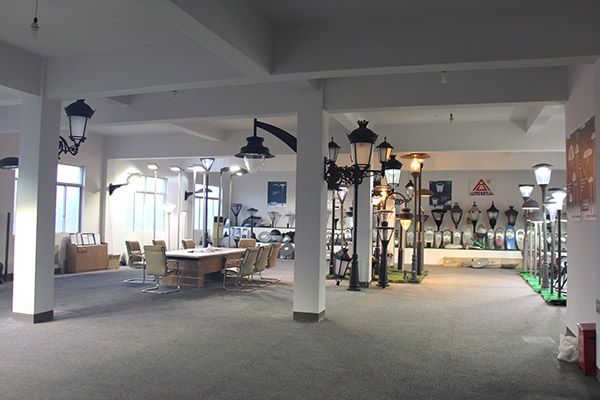
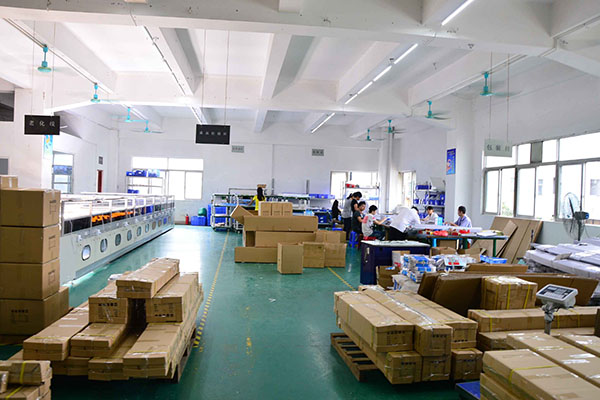
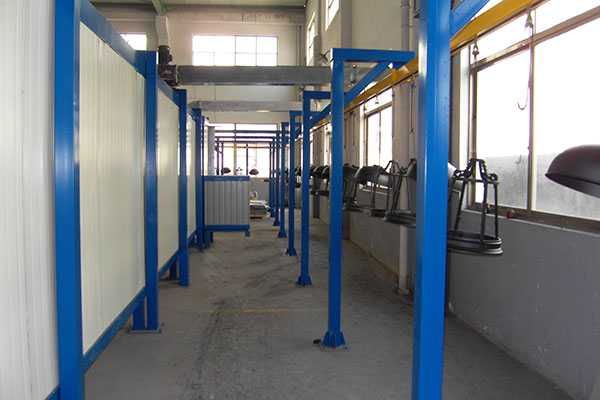
How our outdoor architectural luminaires are adapted for distinct architectural projects
For modern office parks and high-rise commercial structures, wall luminaires highlight architectural design elements. Using customizable 1-10V or DALI dimming protocols allows these systems to integrate into building management platforms, adjusting lighting output based on occupancy and schedules to lower overall utility costs.
Warehousing and distribution centers require outdoor luminaires that withstand dust and water ingress. Featuring IP66 ingress protection and IK09/IK10 mechanical impact resistance, these fixtures resist physical impacts and moisture ingress, providing reliable perimeter illumination in high-traffic commercial environments.
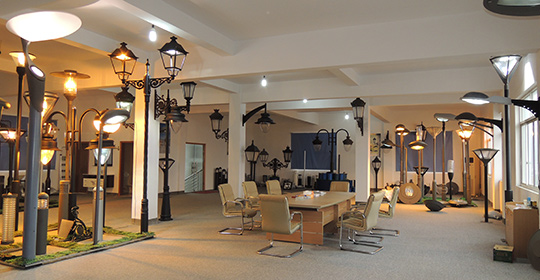
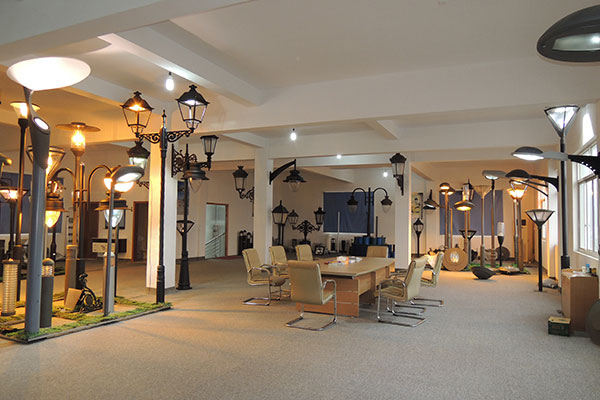
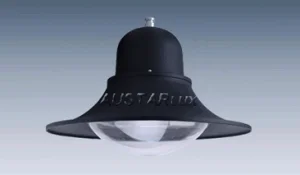
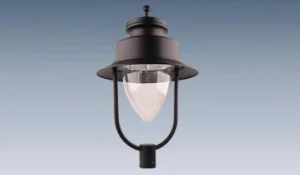
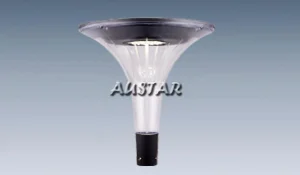
Pedestrian pathways and municipal environments benefit from lighting that blends aesthetics with security. Collaborating with Italian industrial designers, our products offer visual designs that harmonize with urban architectures while providing consistent illumination that improves public safety in community areas.
Direct responses from our engineering department regarding project requirements, lead times, and customization
Submit your project specification or procurement requirements below, and our engineering department will provide a detailed technical quote within 24 hours.
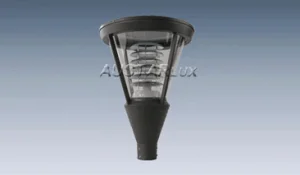
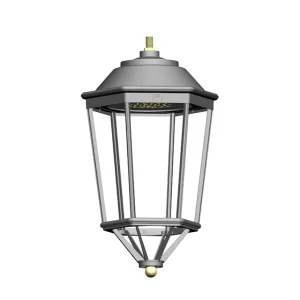
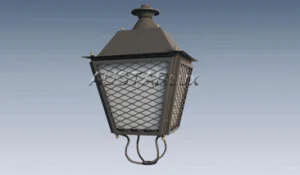
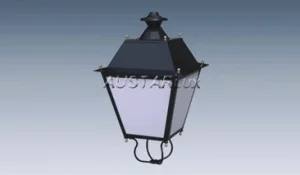
Traditional configurations meets modern efficiency. High-performance replacements for legacy HID & HPS installations.
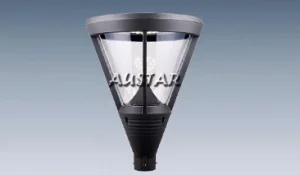
 Austar