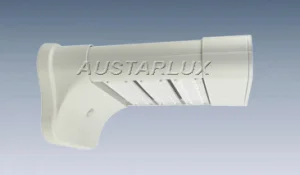
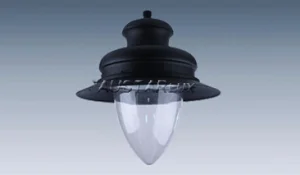
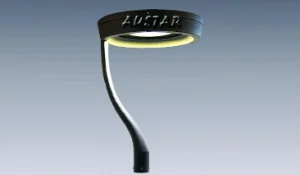
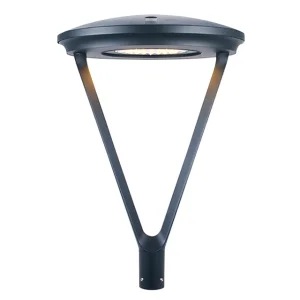
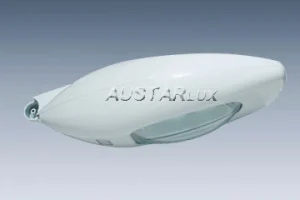
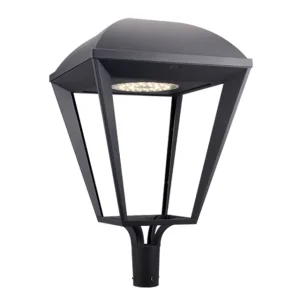
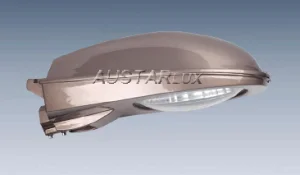
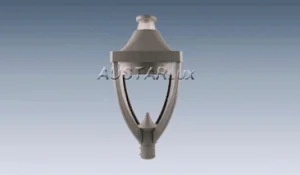
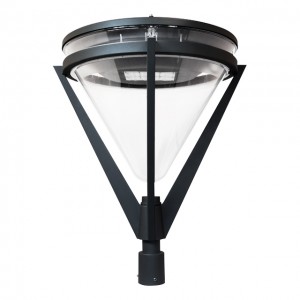
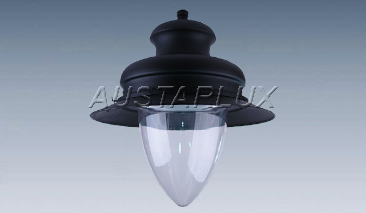
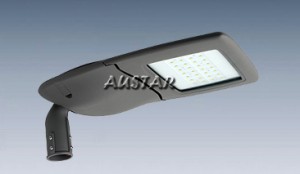
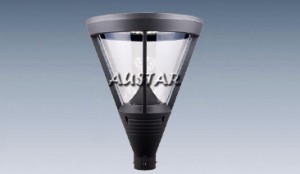
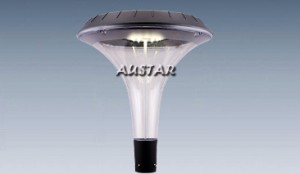
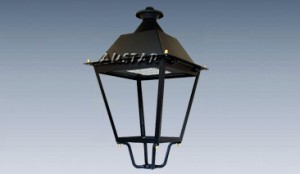
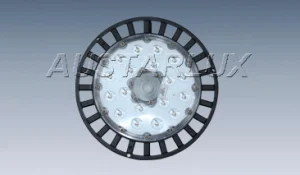
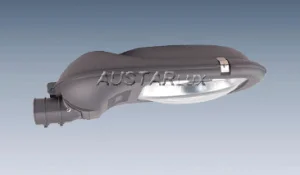
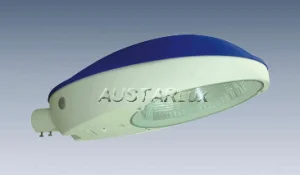
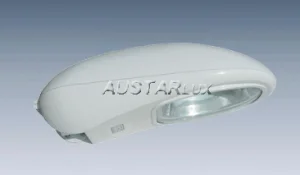
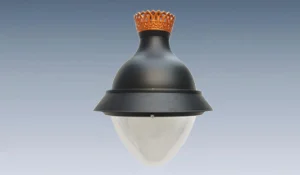
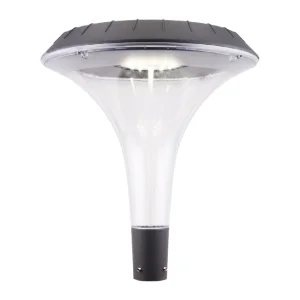
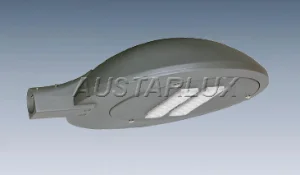
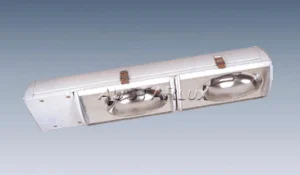
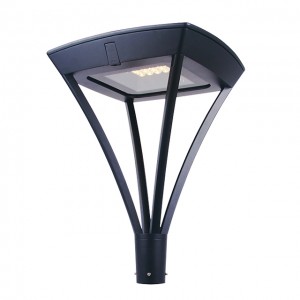
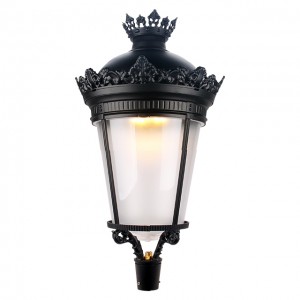
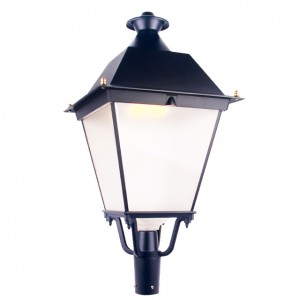
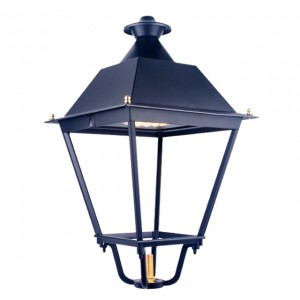
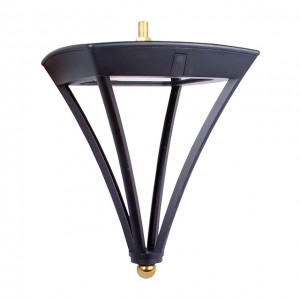
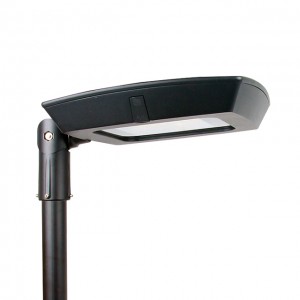
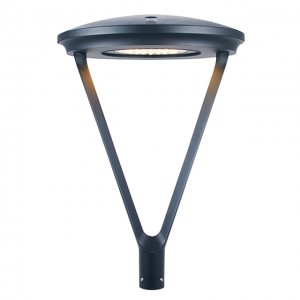
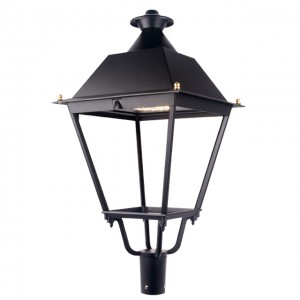
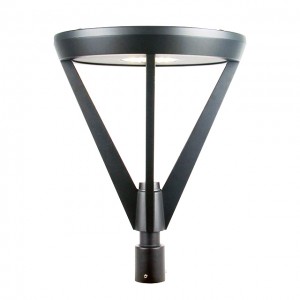
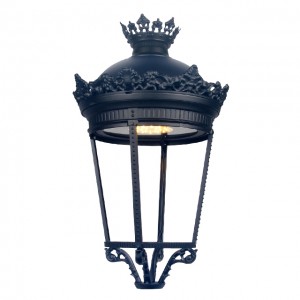
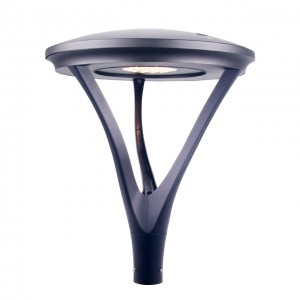
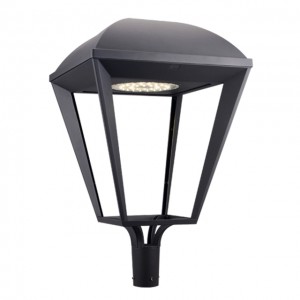
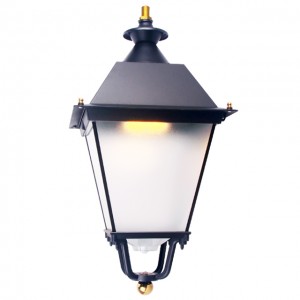
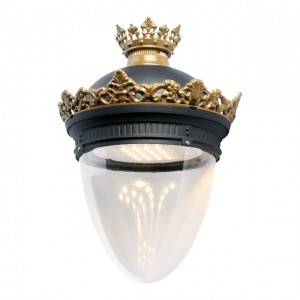
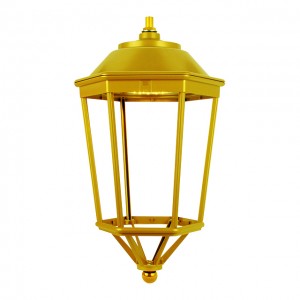
Engineered to resist harsh operating conditions, maintaining high lumens output under diverse global climates.
Analyzing key technology shifts: Smart systems, advanced optics, and green engineering.
The global outdoor and industrial luminaire sector is undergoing a rapid technological convergence, driven by the demands of municipal Smart Cities, energy efficiency policies, and materials science innovations. In past decades, the core objective of street and industrial illumination was focused strictly on visual utility—delivering raw lumens to road surfaces and warehouses. Modern illumination demands a holistic design balance, incorporating high optical control, dynamic digital integration, robust protection ratings, and prolonged product lifetimes.
One of the most significant shifts in modern industrial and public street luminaires is the integration of physical sensor technologies. By adding standardized NEMA (National Electrical Manufacturers Association) or Zhaga Book 18 receptacles, manufacturers allow luminaires to become active communication points. Modern LED systems are no longer isolated; they connect via wireless mesh networks (such as Zigbee, LoRaWAN, or cellular NB-IoT). This enables municipalities and facility engineers to implement automated dimming schedules, receive real-time power consumption metrics, and compile preventative maintenance logs. Predictive failure algorithms identify declining drivers or modules, cutting operational maintenance costs by up to 40%.
Uncontrolled glare and skyward light spillage are major ecological challenges. Development efforts are now focused on specialized lens geometry. By utilizing high-transmittance, UV-stabilized optical polycarbonate or tempered micro-lens glass, engineers can shape asymmetric beam patterns (Types I, II, III, IV, and V) that direct light precisely onto target areas. This minimizes spill light into adjacent residential areas and habitats, while satisfying strict Dark-Sky regulations worldwide. Modern lenses also feature refined internal reflection ratios to optimize lumen efficiency without causing visual discomfort or localized hot-spots.
Standard IP65 enclosure ratings are no longer the benchmark for demanding industrial projects. Modern factories focus heavily on achieving IP66 and IP67 ratings, supported by integrated breathing valves (membrane vents). These vents balance inner pressure spikes caused by rapid thermal cycles, preventing ambient moisture from bypassing silicone gaskets and entering the optical or electrical driver compartments.
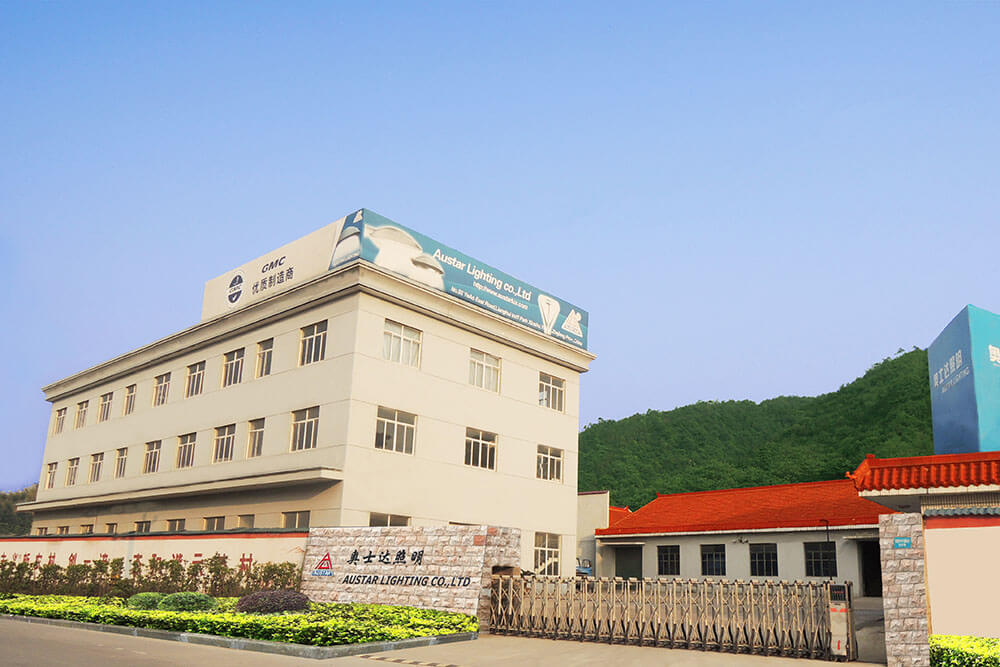
An established production powerhouse from Ningbo, China, supplying advanced architectural and road lighting worldwide.
Established in 2003, Austar Lighting Co., Ltd. has grown to become one of the premier developers and manufacturers of outdoor luminaires in Ningbo, China. Operating from a modern 10,000 m² production facility with over 100 dedicated employees, we specialize in high-efficiency LED street lighting, urban architectural fixtures, and outdoor garden lighting. Our annual production capacity exceeds 150,000 completed lighting fixtures, which are exported worldwide.
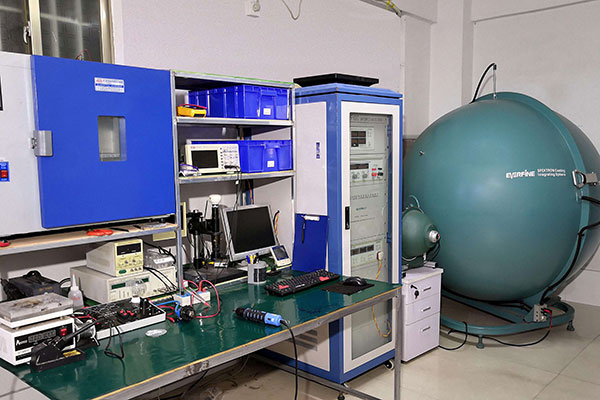
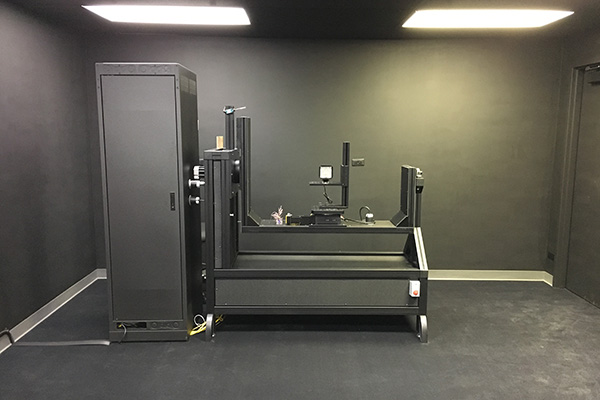
By collaborating closely with leading Italian industrial designers, we maintain an innovative design language. Today, our market spans 55 countries and regions. To ensure every product matches the strict expectations of municipal authorities and commercial buyers, we operate advanced testing equipment, including integrated photoelectronic testing spheres, electronic current analyzers, salt spray chambers, EMC testing facilities, and dedicated LED driver-load aging systems.
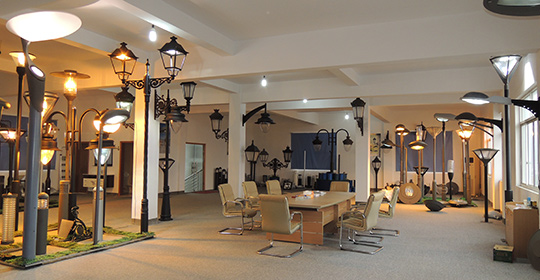
Our research and engineering efforts focus on meeting the varied demands of contemporary urban projects. Today, we supply several core lighting lines designed for specific application environments:
Strategic purchasing criteria: Lifetime cost structures, structural survival, and supply chain logistics.
Global procurement managers and municipal engineers face complex challenges when sourcing large-scale industrial and outdoor luminaires. Unlike commercial indoor lighting, outdoor systems are subjected to extreme environmental stresses, including high winds, UV exposure, dust accumulation, sea salt corrosion, and power grid fluctuations. To mitigate risk, procurement processes look beyond initial unit costs, focusing on comprehensive lifecycle performance indicators.
Evaluating an outdoor lighting system relies on several core cost variables over its lifespan. While initial purchasing cost constitutes approximately 15% to 20% of a lighting project's 10-year budget, energy consumption accounts for 60% to 70%, with the remainder consumed by maintenance labor. Consequently, procurement teams favor luminaires with high luminous efficacy (typically exceeding 140 lm/W) and high-efficiency LED drivers. Sourcing premium fixtures directly reduces energy bills and extends the maintenance interval, resulting in a lower long-term TCO.
To withstand outdoor conditions, the design of the luminaire housing is critical. High-pressure die-cast aluminum alloys (such as ADC12 or EN AC-44300) are standard for quality fixtures, providing mechanical durability and high thermal conductivity. Housing surfaces must receive a multi-stage pretreatment, followed by an electrostatic powder coating to prevent corrosion. For seaside projects, fixtures require ASTM B117 salt spray testing certification, demonstrating resistance to salt air corrosion over extended periods.
Timely project delivery is critical for municipal and industrial lighting installations. Operating from Ningbo, China, provides distinct logistical advantages. Proximity to the Port of Ningbo (one of the world's busiest container hubs) and the Port of Shanghai allows for efficient sea transport. Our factory's established connections with shipping networks ensure reliable transit schedules, while flexible terms (FOB, CIF, CNF) and support for payment structures like T/T and L/C accommodate international procurement standards.
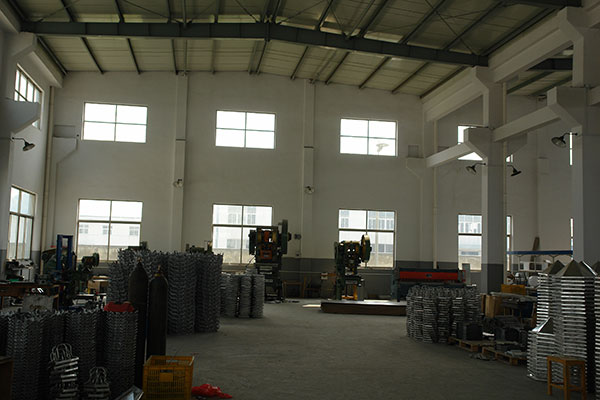
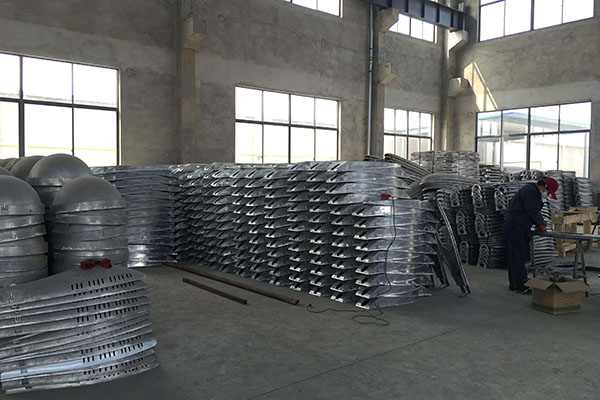
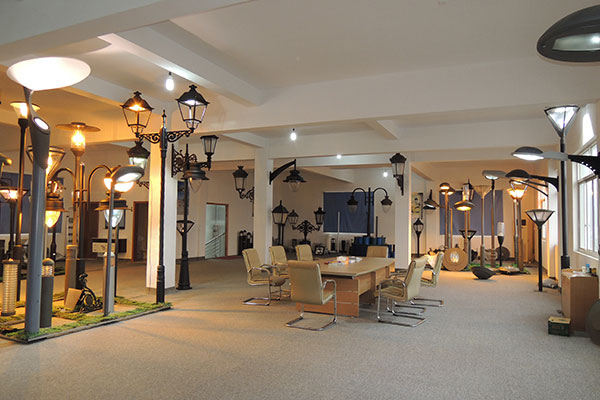
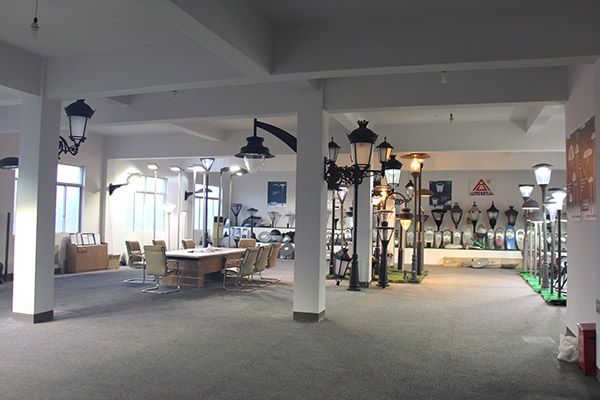
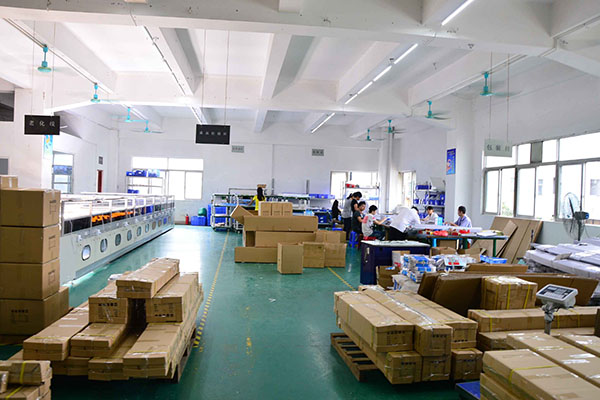
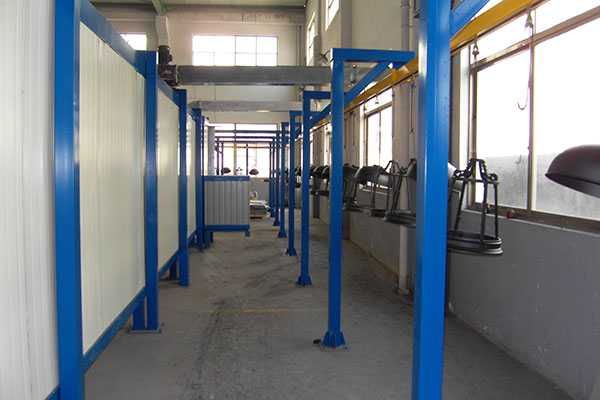
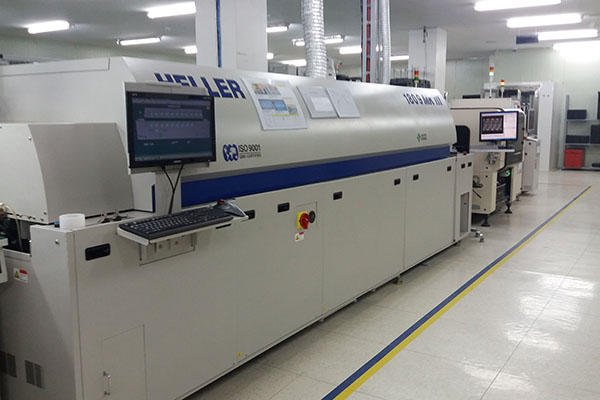
Explore our manufacturing facility, featuring advanced high-pressure die casting, automatic spraying, and aging lines.
Ensuring compliance with international standards through testing and certifications.
Exporting high-performance outdoor lighting systems to global markets requires strict compliance with diverse regional standards. Every country has unique regulatory frameworks governing safety, electromagnetic compatibility, and energy efficiency. Without proper certification, imported products risk customs clearance issues or failure to meet municipal project bidding requirements.
The CB scheme is an international system for mutual acceptance of product safety test reports among participating countries. In Europe, the ENEC (European Norms Electrical Certification) mark serves as a recognized symbol of safety compliance. It demonstrates that the luminaire complies with relevant EN safety standards, such as EN 60598-1 (General requirements and tests) and EN 60598-2-3 (Particular requirements for road and street lighting). These certifications are backed by audits of the manufacturing facility to ensure consistent quality control.
The CE mark indicates that a product complies with applicable European directives, allowing free movement within the European Economic Area. Key directives for luminaires include the Low Voltage Directive (LVD) 2014/35/EU, which addresses electrical safety, and the Electromagnetic Compatibility (EMC) Directive 2014/30/EU, which ensures the product does not emit excessive electromagnetic interference or suffer from external noise issues. Conforming to these directives is verified by testing in accredited laboratories.
Consistent production quality relies on an organized management system. Under ISO9001 (Quality Management Systems), every step of manufacturing—from raw material inspection to final product verification—follows standardized procedures. Implementing ISO14001 (Environmental Management Systems) ensures the manufacturing facility minimizes its environmental impact through efficient resource use and proper waste disposal, helping meet the sustainability requirements of global procurement tenders.
Take a virtual look inside our factory floors, product laboratories, and automated manufacturing processes.
Insights into upcoming product developments, smart grid integration, and circular design.
The industrial and outdoor lighting industry is shifting toward a circular economy model. This roadmap outlines key technical and structural milestones for future product generations, focusing on environmental responsibility, mechanical durability, and system modularity.
To reduce electronic waste, future luminaire architectures will prioritize tool-free component replacement. Designing modules that can be upgraded independently without replacing the entire housing extends the lifetime of the fixture. This allows maintenance teams to swap out older LED boards or drivers for newer, more efficient components, aligning with global standards for product circularity.
As LED power densities increase, managing heat dissipation becomes more critical. Developing housings with improved thermal paths, such as graphite-enhanced composites or specialized heat sink structures, helps keep junction temperatures low. Effective thermal management directly preserves lumen output and prevents premature component failure, especially in high-temperature environments.
Future outdoor lighting systems will incorporate adjustable spectrum technology. Rather than using fixed color temperatures, luminaires will dynamically modify their spectral output based on time of day, occupancy, or weather conditions. This helps minimize blue-light emissions at night to reduce environmental disturbance, while maintaining optimal visibility and safety during peak traffic hours.
Technical and commercial answers for project planners and procurement teams.
A collection of structural lighting products and replaceable LED components for municipal upgrades.
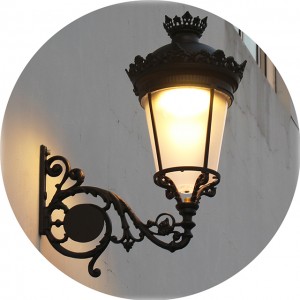
Traditional urban fittings and modern classic styles designed for historical quarters and architectural landscapes.
For custom manufacturing projects, optical calculations (DIALux files), or itemized quotes, submit your email address below. Our technical sales engineers will contact you within 24 hours.
 Austar