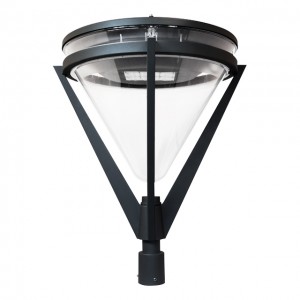
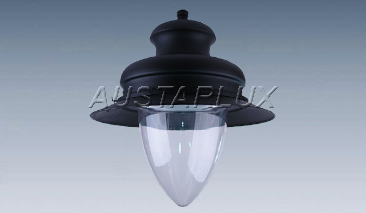
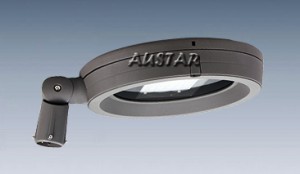
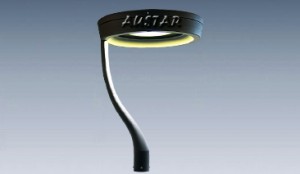
Premium engineering-grade outdoor luminaires engineered for reliability, safety, and modern aesthetics.
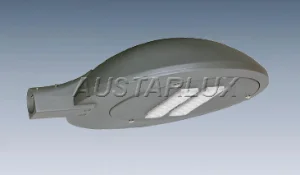
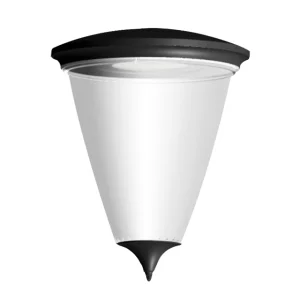
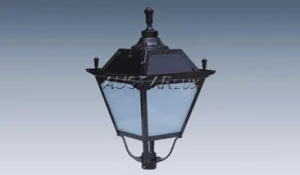
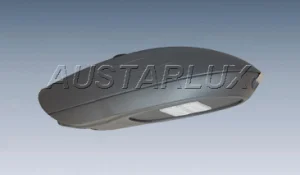
Exploring structural shifts in architectural illumination, smart city integrations, and standardizations.
The global commercial outdoor decoration lighting industry is undergoing a structural shift driven by urban transformation, ecological awareness, and technological integration. Historically categorized strictly as aesthetic components, decorative and street luminaires now bridge the gap between functional architectural design and energy-efficient optical engineering. Today, municipal administrators, civil developers, and B2B procurement professionals look for solutions that satisfy not only luminance requirements but also smart grids, dark-sky compliance, and structural integrity under extreme conditions.
Modern decorative urban lighting must meet multiple technical parameters, including high luminous efficacy (exceeding 120 lm/W), precise color rendering indices (CRI > 80), and targeted color temperatures (typically 2700K to 4000K) to limit glare while creating welcoming urban environments. Sourcing high-quality lighting at scale requires a clear understanding of international certifications (such as ENEC, CB, CE, and LVD) as well as the mechanical properties of materials—specifically ADC12 die-cast aluminum alloys and robust UV-stabilized polycarbonate or glass diffusers.
"The intersection of engineering expertise and aesthetic value defines the modern standard for outdoor luminaires. The goal is to provide sustainable, long-term performance that can withstand harsh maritime, industrial, and urban environments while elevating local architectural features."
Why the Ningbo industrial lighting cluster remains the focal point for global lighting supply chains.
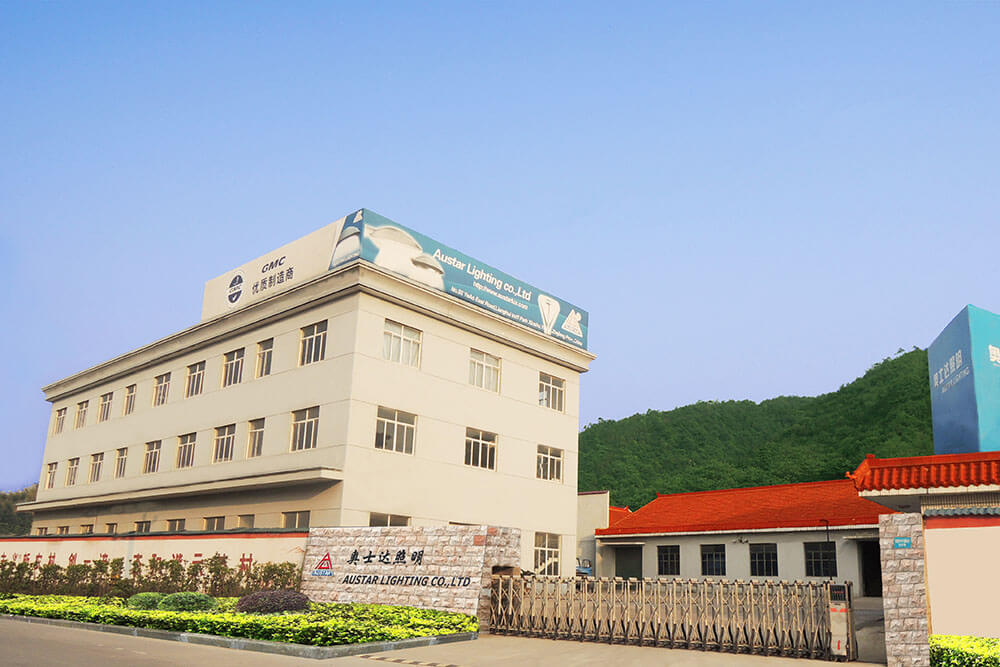
China's dominance in the outdoor lighting manufacturing sector is built on specialized industrial clusters, with Ningbo serving as the primary hub for outdoor street, garden, and decorative lighting. The concentration of component suppliers, raw material processing facilities, mold manufacturers, and testing laboratories allows manufacturers like Austar Lighting Co., Ltd. (established in 2003) to streamline production processes and lower lead times.
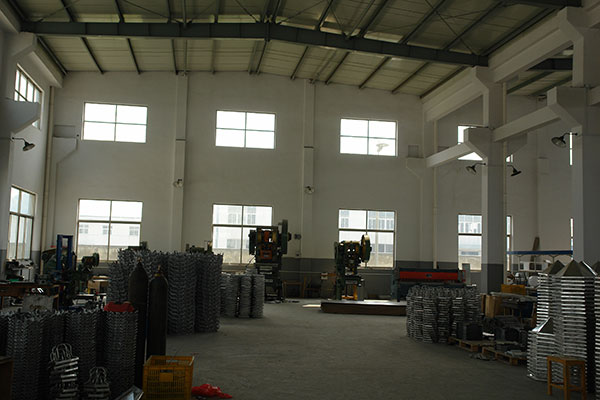
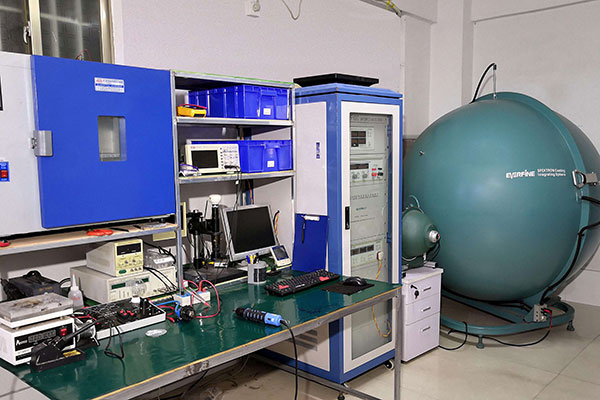
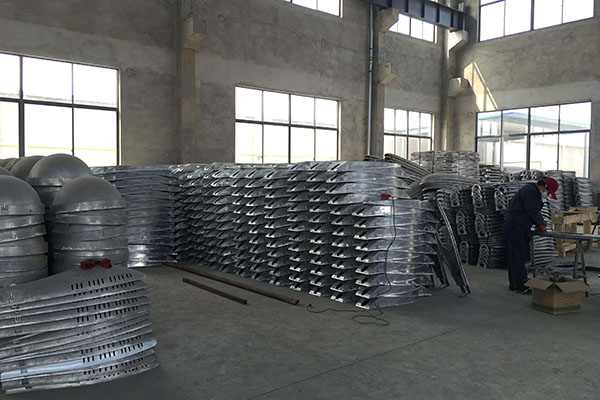
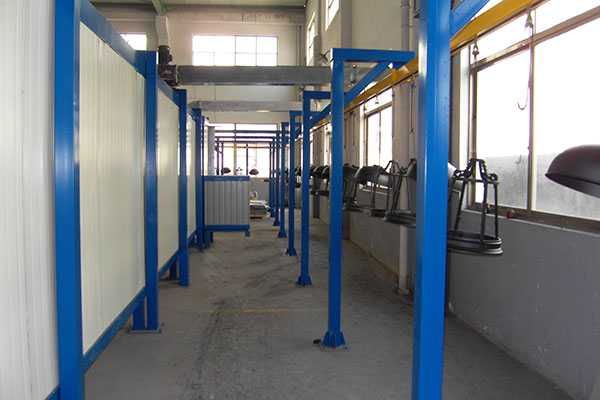
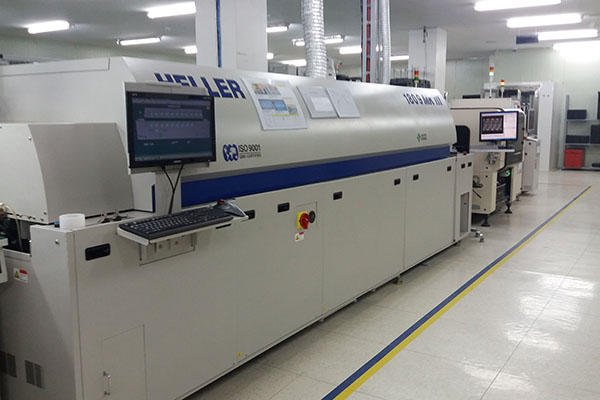
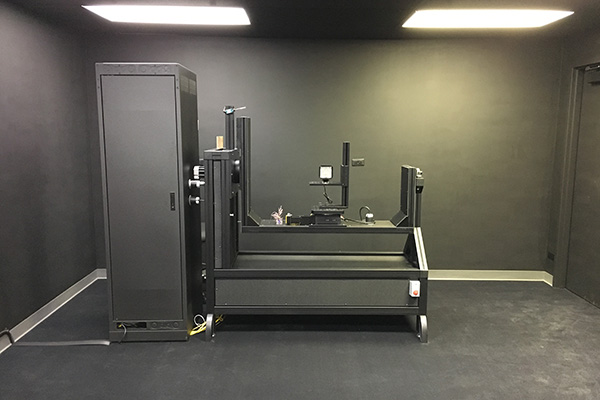
The manufacturing efficiency of a high-tier factory relies on advanced vertical integration. By running heavy-duty die-casting machines (ranging from 300T, 700T, to 1000T), companies can process molten raw aluminum alloys directly into complex luminaire bodies. This is followed by automated powder-coating lines to apply corrosion-resistant paints, preventing degradation from moisture, UV radiation, and atmospheric salt spray. Testing facilities are critical; high-quality manufacturers employ photoelectricity integrating systems, darkroom goniophotometers (to generate accurate IES/LDT files), salt spray chambers, EMC testers, and specialized LED driver-load aging systems to test every product before shipping.
Austar Lighting operates a modern 10,000 square meter facility utilizing systematic quality controls compliant with ISO9001-14000. Leveraging a workforce of over 100 dedicated employees, including 10 specialized technicians and 5 R&D engineers, we bridge the gap between design and production. Our development cycle allows us to design, engineer, and fabricate complete prototype models within one month. This fast setup is supported by logistics connectivity via nearby Ningbo and Shanghai sea ports, enabling efficient international distribution.
High-capacity production meets Italian-influenced styling for international projects.
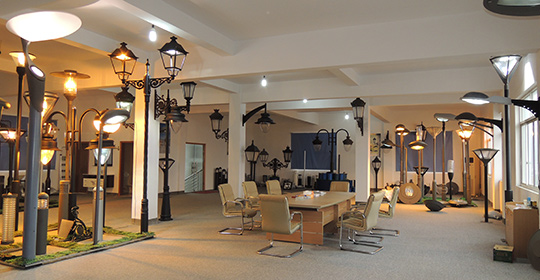
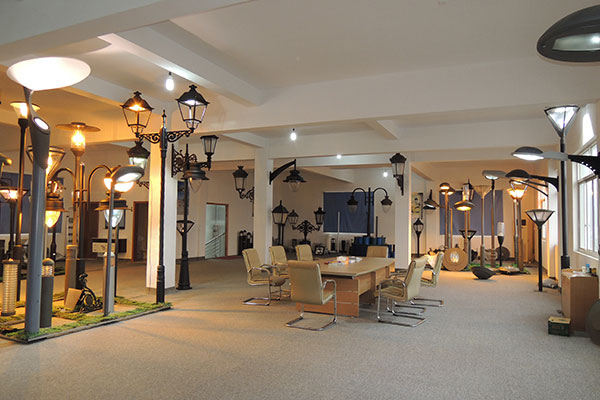
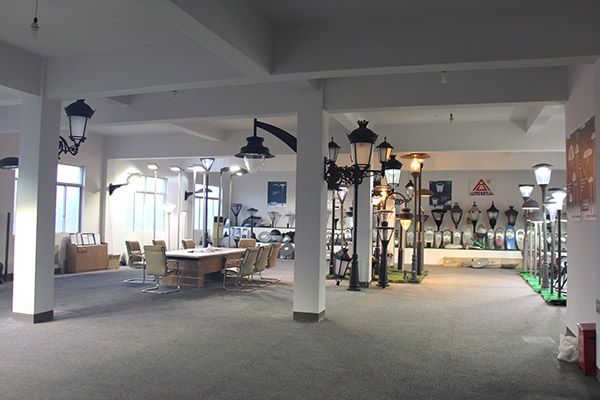
Since our founding in 2003, Austar Lighting Co., Ltd. has expanded from a local manufacturer into a recognized exporter supplying decorative garden, street, and post-top versatile lighting solutions to more than 55 countries and regions. Our design approach blends technical stability with styling influenced by partnerships with Italian lighting designers. This ensures that our luminaires fit well in modern architectural projects while meeting strict performance requirements.
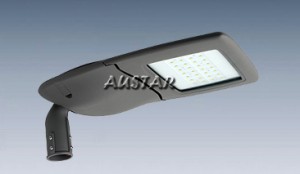
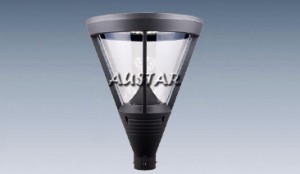
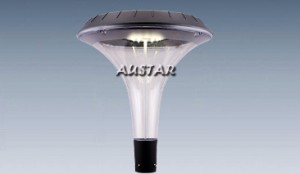
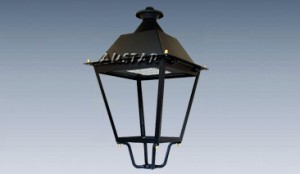
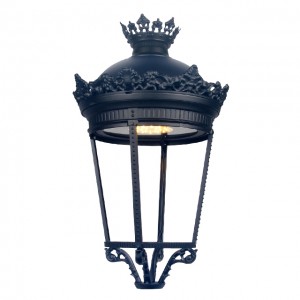
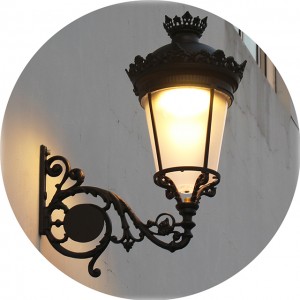
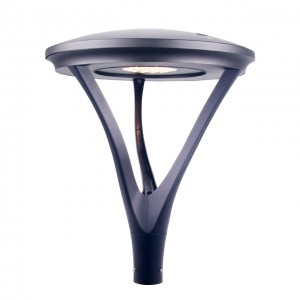
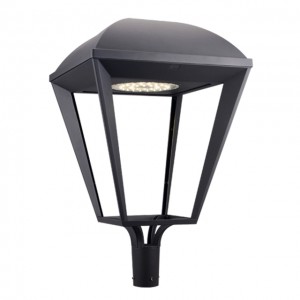
Our catalog features a diverse range of products designed to meet different specifications: LED Garden Lights, LED Street Lights, Traditional Urban Lighting, Classical Street Lighting, Bollard Lights, and Spot Lights. By maintaining control over the entire design and manufacturing process—including building the molds internally—we ensure that all components work together correctly. This reduces failure rates and increases thermal dissipation efficiency across all LED systems.
Technical lighting components engineered for long operational life in municipal, retail, and commercial locations.
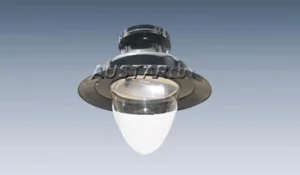
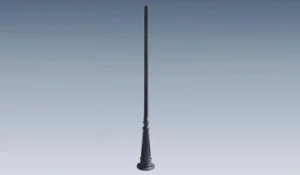
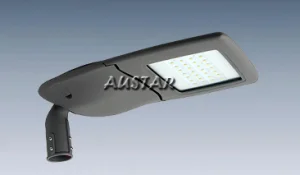
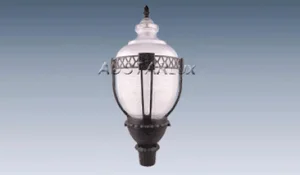
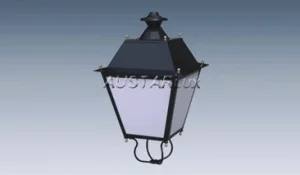
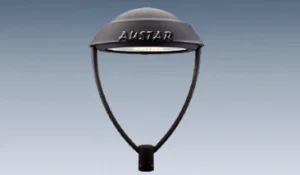
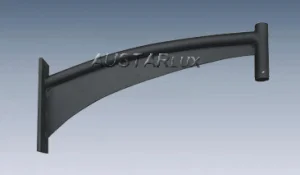
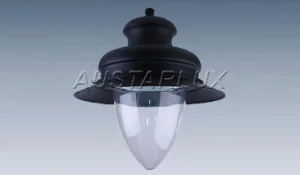
How engineering requirements and localized application scenarios shape procurement decisions.
Procuring lighting equipment for large-scale projects involves critical performance requirements. Distributors and municipal engineers look for products that offer a balance of durable housing construction and optimized electrical design. The housing must resist oxidation, meaning the powder coating should be tested to withstand prolonged salt spray tests. This performance level is essential for fixtures installed near maritime docks, high-humidity riverfronts, and polluted urban areas.
From an electrical engineering perspective, B2B buyers look for drivers with a power factor (PF) higher than 0.95 and low total harmonic distortion (THD < 15%). These characteristics protect the local power grid from electrical interference. Additionally, built-in surge protection devices (SPD) of 10kV to 20kV are necessary to protect fixtures from voltage spikes caused by lightning or grid switching, helping reduce overall maintenance costs.
Modern decorative urban lighting does not just scatter light in all directions. Instead, it utilizes specialized optics—such as Type II, Type III, or Type IV asymmetric distributions—to direct light onto roads, pathways, and plazas where it is needed, minimizing light pollution. These optical configurations are designed using high-grade PMMA (Polymethyl Methacrylate) lenses that maintain high light transmission over years of exposure to sunlight and heat. When sourcing wholesale decorative lighting, requesting IES files for photometrical simulation ensures the layout will meet safety requirements without producing excessive glare or dark spots.
Frequently asked questions regarding certifications, customization, payment terms, and logistics.
We reply within 12 hours on workdays. Sourcing managers and project engineers receive detailed technical feedback, product specifications, and pricing options to keep project timelines on track.
We operate both a dedicated luminaire production factory and a specialized lamp post manufacturing plant. Having direct export and import licenses allows us to control quality, production scheduling, and pricing without intermediary markups.
Our core manufacturing focus is on outdoor LED street lights, garden lamps, functional plant growth lights, decorative lighting poles, wall lights, and structural garden light poles.
Our fixtures are installed in municipal roadways, highway bridges, public parks, urban walkways, manufacturing complexes, logistics warehouses, and marine shipping docks.
Yes. We develop and manufacture custom products based on client engineering drawings, CAD models, or physical samples. We construct molds and configure optical systems in-house.
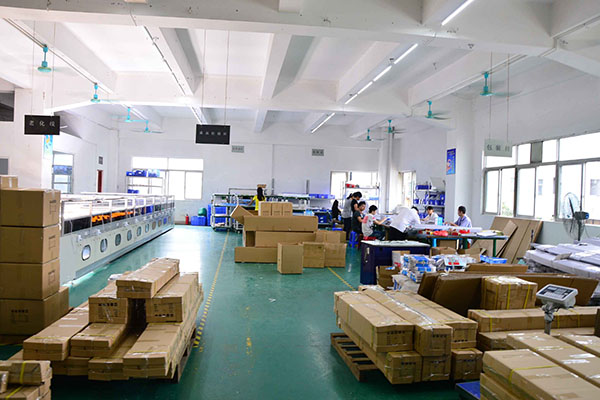
Our 10,000㎡ plant features 1000-ton, 700-ton, and 300-ton high-pressure aluminum die-casting machines, an automated electrostatic powder-coating line, three assembly lines, and two dedicated LED aging test lines. Our annual output reaches 150,000 sets.
We operate under ISO9001-14000 quality systems and conduct 100% inspection on finished products using spectrum analyzers, darkroom goniophotometers, ingress testing equipment, shock and impact testers, and high/low temperature chambers.
Our facility employs approximately 100 people, including 10 technicians and 5 R&D engineers who handle product development, mold design, and certification testing.
We quote FOB, CIF, or CNF terms. For mass production orders, we typically require a 30% deposit, with the remaining balance payable upon presentation of the Bill of Lading (B/L) copy. We accept T/T and L/C payments.
Most orders ship via sea freight due to our proximity to the Port of Ningbo, which helps keep logistics costs competitive. Urgent shipments or sample orders can be routed via Hangzhou or Shanghai airports.
Our products are exported to North America, Germany, Japan, Spain, Italy, the United Kingdom, South Korea, Australia, Canada, and other markets across 55 countries.
Yes, our design team designs the luminaires and builds the tooling and casting molds in our toolshop to ensure proper fitment and performance.
We can complete the mechanical design, thermal simulation, mold development, and first prototype unit assembly within one month.
We are located near the Ningbo and Shanghai sea ports, as well as the Ningbo Lishe and Hangzhou Xiaoshan international airports.
Professional street and decorative public lighting solutions for global B2B procurement.
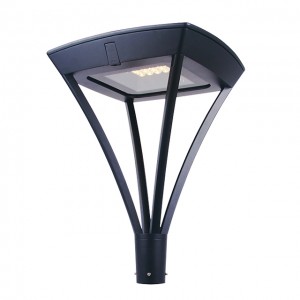
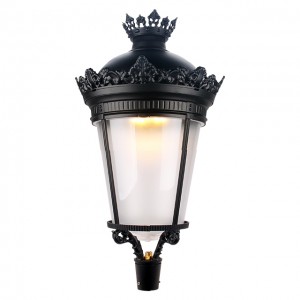
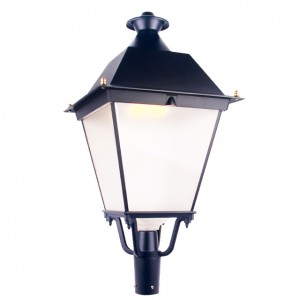
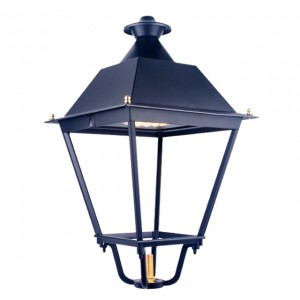
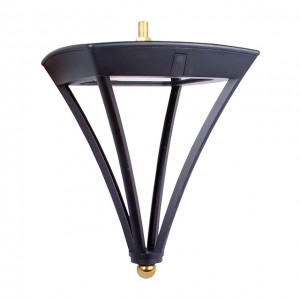
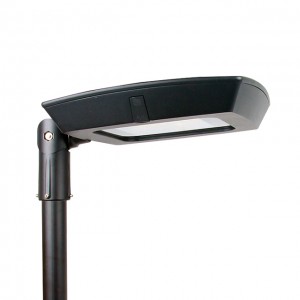
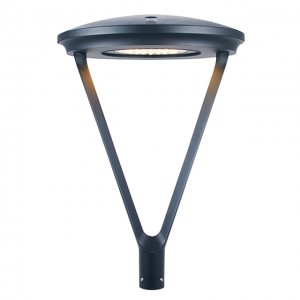
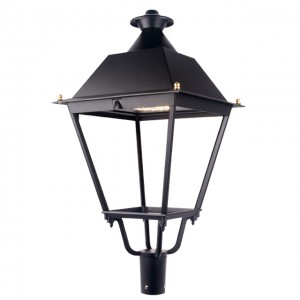
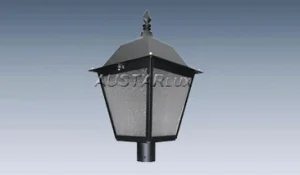
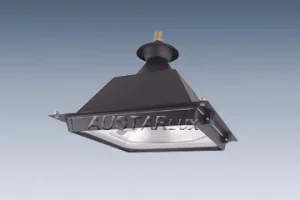
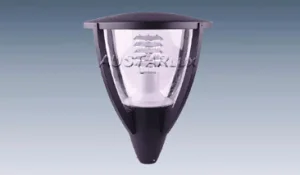
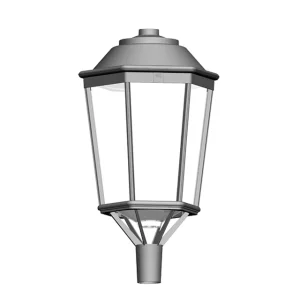
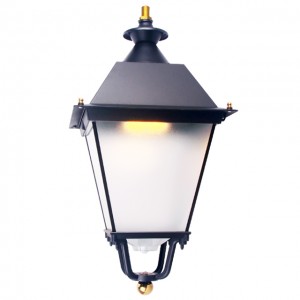
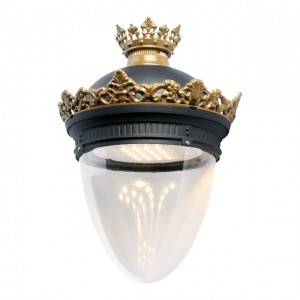
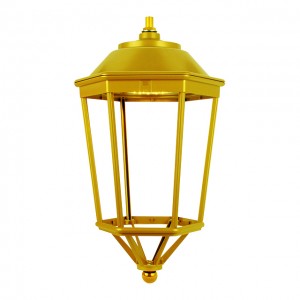
Classic and modern fixtures with specialized optics for parks, historical areas, and roadways.
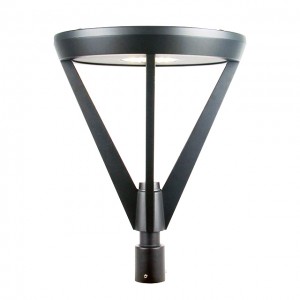
Connect directly with our engineering team for project quotes, IES files, technical data sheets, and custom mold designs.
 Austar