Explore our elite collection of structural high-pressure die-cast aluminum street & garden luminaires.
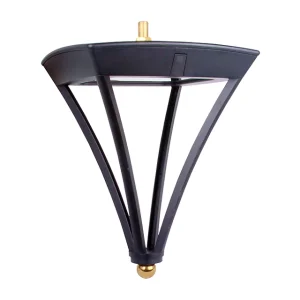
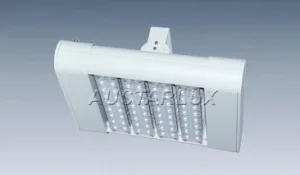
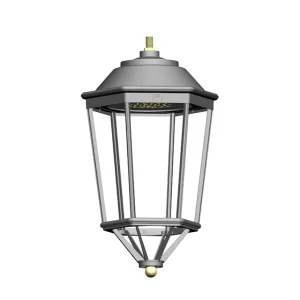
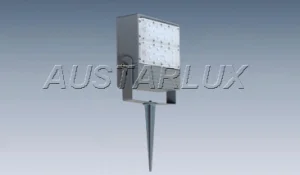
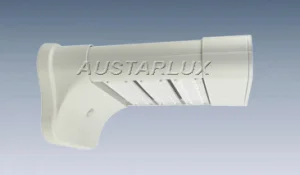
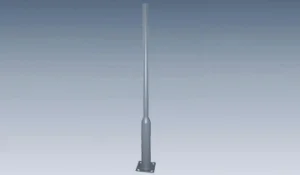
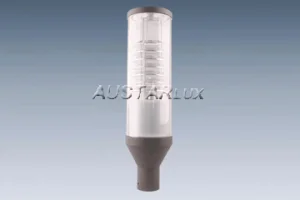
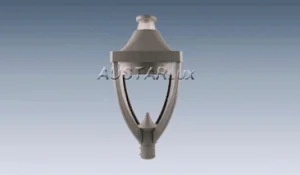
In the modern smart city landscape, outdoor lighting infrastructure is no longer merely about illumination. It represents the backbone of urban IoT networks, safety standards, and energy efficiency. At the heart of a robust outdoor luminaire lies its enclosure. High-pressure die casting (HPDC) using premium aluminum alloys has emerged as the global standard for manufacturing structural light fixtures. This section explores the manufacturing parameters, metallurgy, and engineering criteria that define a truly premium outdoor lighting system.
Aluminum alloys used in die casting offer exceptional thermal conductivity (up to 120 W/mK), which directly limits the junction temperature of high-output LED chips, assuring a lifespan exceeding 100,000 hours.
Precision tooling produces housing tolerances within microns. When paired with high-grade silicone sealing gaskets, this guarantees a certified IP66 ingress protection rating alongside IK08/IK09 impact metrics.
Outdoor luminaires must withstand extreme saline environments. Employing multi-stage chemical pretreatment combined with electrostatic thermosetting powder coatings prevents degradation.
High-quality die-cast lighting starts with raw material selection. Manufacturers use silicon-aluminum alloys such as ADC12 (Japanese standard) and A380 (ANSI standard). These specific grades feature an optimal ratio of Silicon (9.6% to 12%) and Copper (1.5% to 3.5%), balancing fluid mobility in high-pressure molds with the mechanical strength of the final casting. The silicon component enhances mold filling and avoids shrinkage cracks, while the copper component significantly elevates structural hardness, guaranteeing resistance to high wind loads, physical impacts, and severe vibration from traffic on bridges and highways.
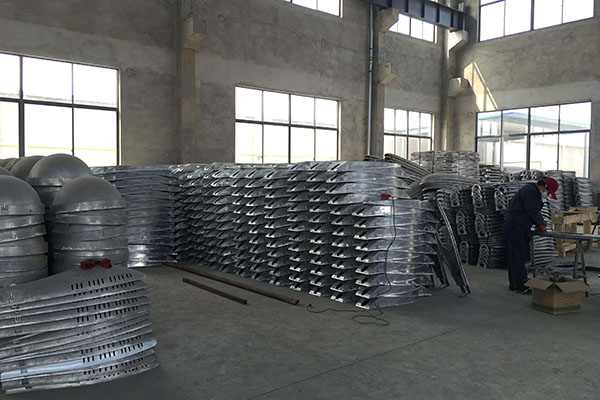
Unlike sheet metal or plastic configurations, die casting allows heat sinks to be cast as one continuous piece with the main luminaire frame. This eliminates thermal boundary interfaces between the light source and the heat dissipation area, lowering the thermal resistance. The convective surface area, orientation, and spacing of the heat fins are calculated via Computational Fluid Dynamics (CFD) modeling to maximize passive convective airflow while minimizing dust accumulation and water retention.
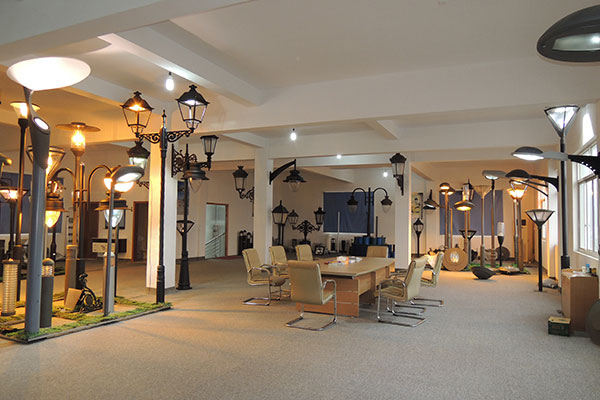
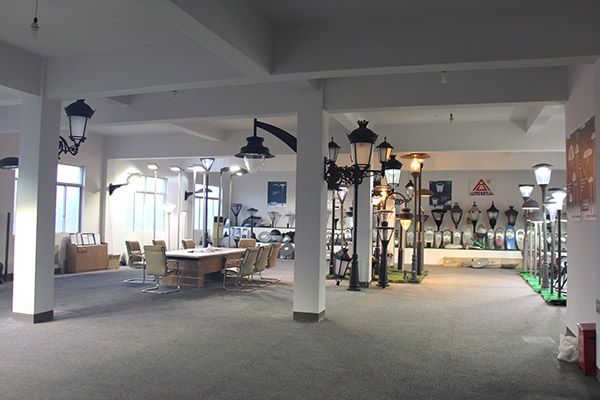
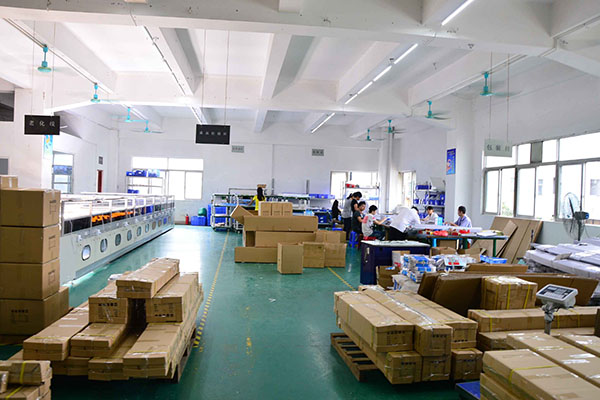
Austar Lighting Co., Ltd. is located in Ningbo, China. Ningbo is recognized worldwide as the premier manufacturing hub for advanced die-casting molds, precision tooling, and high-performance outdoor lighting. The concentration of component suppliers, raw material refiners, specialized surface-treatment facilities, and compliance testing laboratories in this region creates a highly efficient manufacturing ecosystem.
For global procurement managers, this cluster translates into notable strategic advantages:
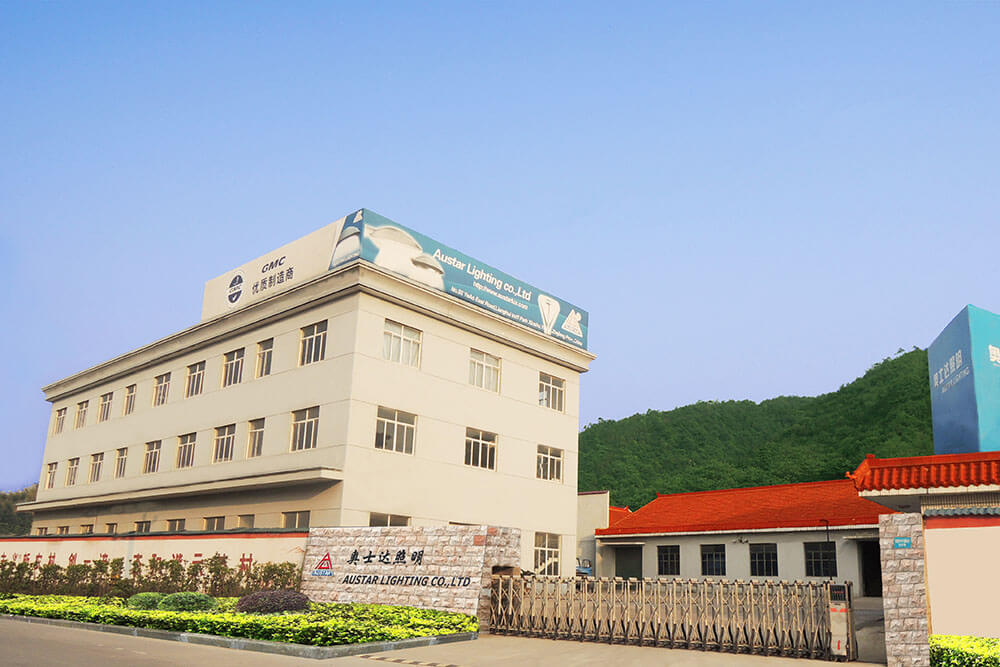
To differentiate our product range, Austar Lighting partners with Italian industrial designers. This collaboration merges refined European design with the large-scale production capabilities of our Chinese manufacturing facility. This approach enables us to deliver lighting fixtures that meet aesthetic standards while remaining cost-effective for municipal budgets.
As cities transition toward carbon neutrality and smart grid integration, our product portfolio is engineered to resolve infrastructure pain points for various end-use applications:
High-power LED streetlights featuring precise asymmetric optical distributions minimize glare for drivers while maximizing pole spacing, lowering overall project installation costs.
Our classic street lanterns and garden lights blend historic aesthetics with modern LED efficiency, offering visual appeal and improved community safety.
Specifically coated marine-grade die-cast enclosures withstand continuous UV exposure and salt-spray corrosion, ensuring long-term reliability in marine settings.
The next generation of outdoor illumination centers on connected intelligence. Austar streetlights are available with standard NEMA 3-pin, 5-pin, or 7-pin receptacles, allowing integration with photocells and smart central management systems (CMS). These IoT integrations enable real-time dimming, automated fault reporting, ambient light sensing, and traffic monitoring, helping municipalities reduce energy use by up to an additional 40% compared to standard, non-dimmable LED systems.
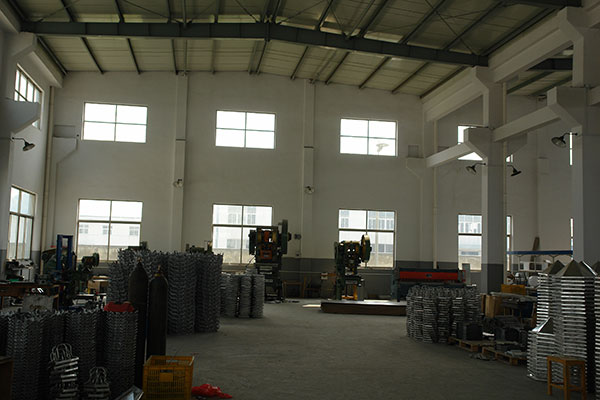
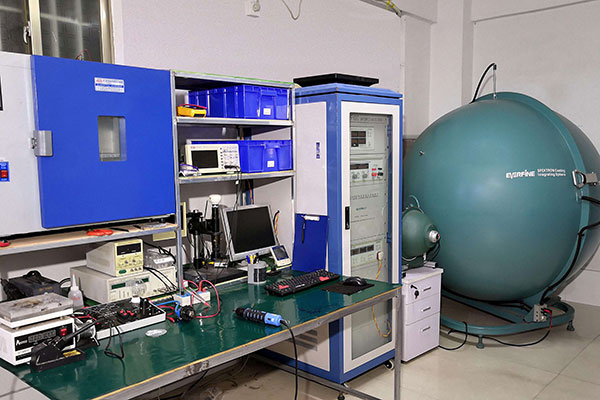
Quality assurance is backed by certified performance testing. At our 10,000 square meter facility, we maintain advanced laboratory equipment to verify compliance with international standards such as ENEC, CB, CE, LVD, and ISO9001-14000.
Heavy-duty housings designed for challenging thermal environments and high structural performance.
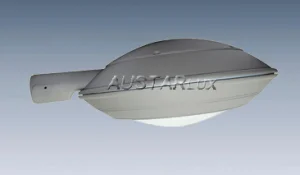
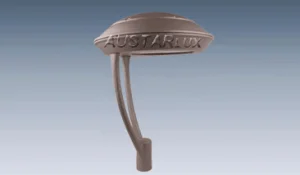
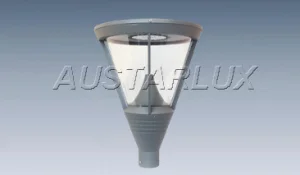
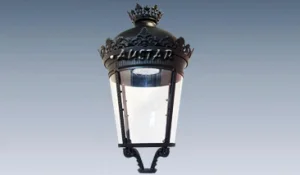
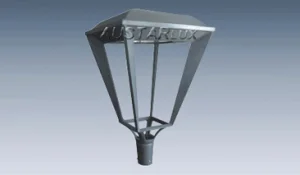
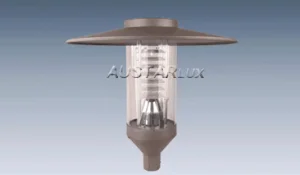
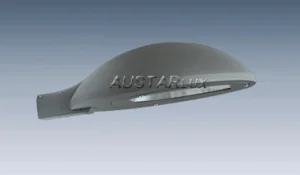
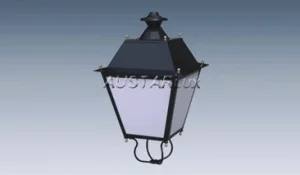
Technical clarifications and procurement details regarding our die-cast lighting products.
Are you looking for a manufacturing partner for an upcoming municipal lighting contract or custom die-casting project? Submit your inquiry, and our engineering team will contact you within 12 hours.
 Austar