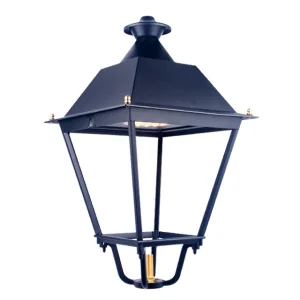
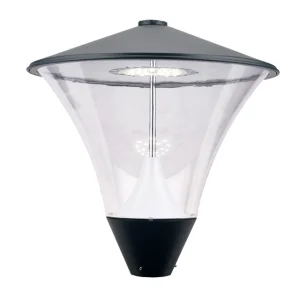
Engineered to meet stringent local code requirements, these select outdoor and street illumination models deliver exceptional luminous efficiency and long-term durability in high-density urban environments.
The commercial and industrial sector of the state of New York, centered around the sprawling economic engine of the New York Metropolitan Area, is undergoing one of the most drastic architectural and energetic shifts in its modern history. Driven by legislative imperatives such as New York City's **Local Law 97 (LL97)** and the state-wide **Climate Leadership and Community Protection Act (CLCPA)**, building owners, municipal planners, and marine port authorities are under immense pressure to systematically lower greenhouse gas emissions. Outdoor infrastructure—particularly high-wattage street lighting, security floodlights, marine docks, and parking facilities—constitutes a primary contributor to municipal and corporate electrical baseloads. Transitioning to advanced solid-state LED systems is no longer merely a recommendation; it is an economic and legal necessity.
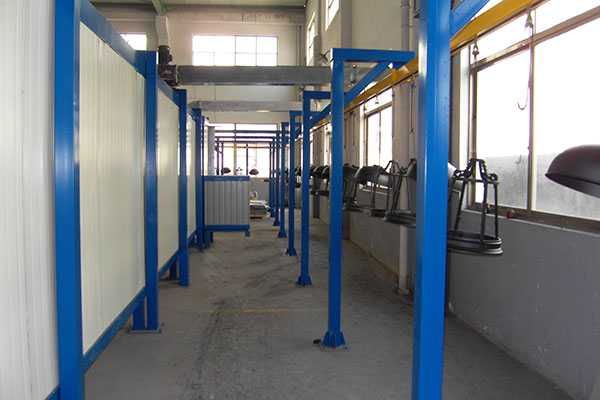
In New York’s dense municipal structures, lighting is exposed to localized atmospheric anomalies. Coastal salt fogs throughout Long Island and Staten Island, corrosive industrial particulates in the industrial corridors of Queens and Newark, and freezing winters coupled with high-humidity summers demand extreme mechanical resilience. Conventional HID, metal halide, and low-pressure sodium luminaires fail prematurely under these cyclic thermal expansions and chemical exposures. High-quality LED floodlights and architectural systems, built with marine-grade die-cast aluminum alloys and coated with high-durability thermosetting powder paints, present the only viable architectural response.
Design requirements for outdoor LED luminaires vary significantly depending on the specific Borough and zoning district of New York:
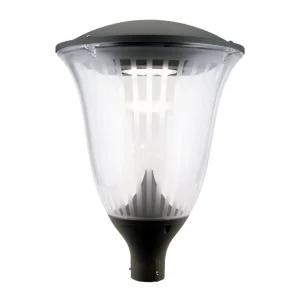
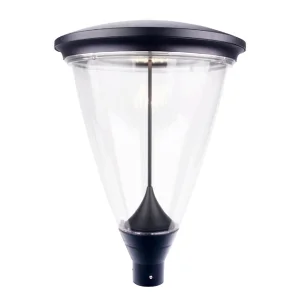
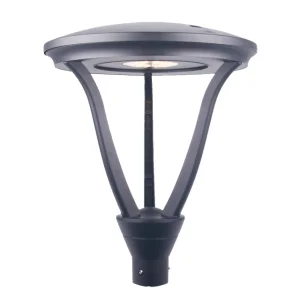
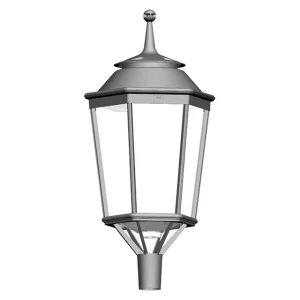
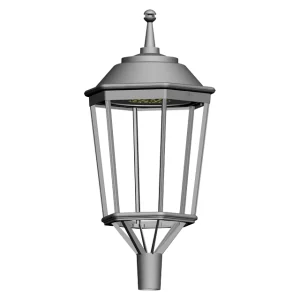
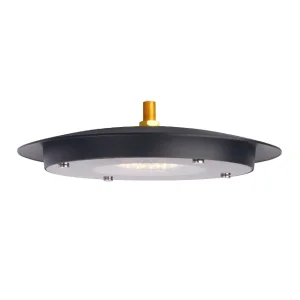
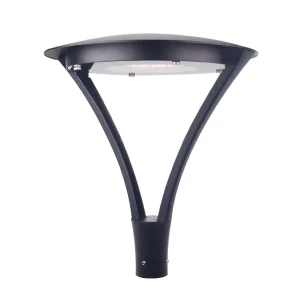
In Manhattan, municipal aesthetics require that any lighting installation respect historic textures while maintaining state-of-the-art lumens per watt (lm/W). Architectural accents, pathway illumination, and plaza lighting must feature precise optics that limit light spill into adjacent residential towers—a concern regulated heavily under NYC's light pollution guidelines. Luminaires like the Farlos Anima and FLEXIA FG Park Light utilize custom-designed lens arrays to direct light exclusively to walking surfaces and plazas, eliminating glare and upholding urban visual comfort.
The ports along Brooklyn's shores and the warehouses in Red Hook experience constant salt mist and mechanical vibrations from cranes and heavy freight trucks. Floodlighting in these areas requires an IP66 rating at minimum, coupled with IK08 or IK09 impact protection ratings. Heavy-duty die-cast housings prevent salt-water ingress and resist structural fatigue, assuring uninterrupted security and loading operations throughout the year.
Moving northward into Upstate New York, municipal roads and state highways face extreme temperature variations and intensive snowplow operations that throw salt slush onto roadside fixtures. Roadway and floodlight housings must exhibit streamlined profiles to reduce wind load (EPA ratings) while offering toll-free, toolless access latches for rapid maintenance, minimizing the time technicians spend exposed to highway traffic.
The future of outdoor LED floodlighting lies at the intersection of optoelectronics and wireless communication networks. As municipal authorities throughout North America transition to "Smart Cities," luminaires are expected to serve as network nodes.
Standardized 7-pin NEMA receptacles and Zhaga Book 18 connectors allow easy, toolless field installations of photo controls and wireless nodes.
Thermally optimized housings designed using finite element analysis keep junction temperatures under 65°C to maximize lifespan.
Type I, II, III, IV, and V optics customized through optical-grade PMMA lenses project light precisely where needed.
Austar Lighting's technical development roadmap focuses on integrating advanced IoT control nodes (compatible with ANSI C136.41 standard controllers) that utilize Zigbee, LoRaWAN, or cellular NB-IoT protocols. This enables real-time diagnostic reporting, power consumption monitoring, and autonomous dimming based on motion sensors or localized traffic volume. Furthermore, to address ecological demands, our fixtures adhere strictly to **Dark Sky Compliance** metrics. By engineering optical shields and choosing low-correlated color temperatures (CCT of 2700K to 3000K), our luminaires dramatically minimize blue light emission, preventing biological disruption in local wildlife and reducing night sky glow.
Global supply chain instability can delay municipal projects by months. When sourcing LED floodlights for the New York market, working with a vertically integrated manufacturer in Ningbo, China offers strategic logistical and quality control advantages.
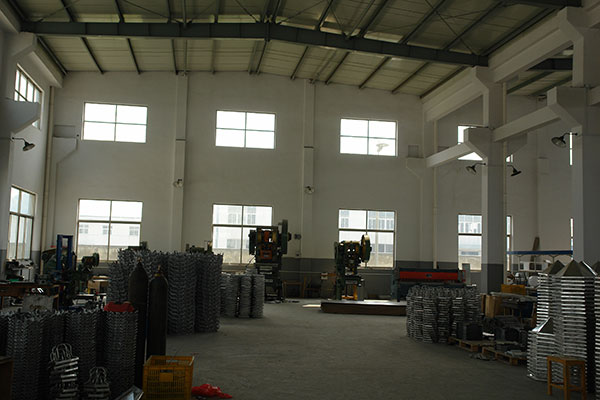
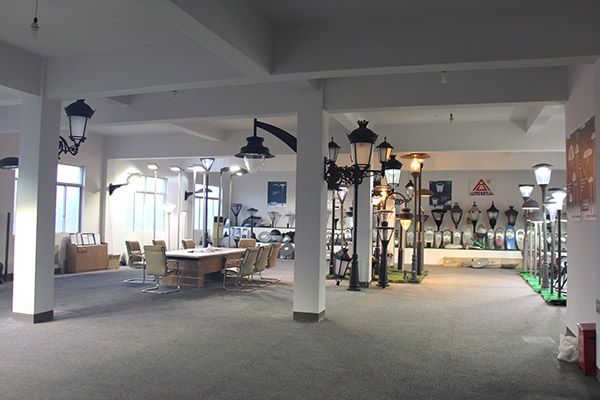
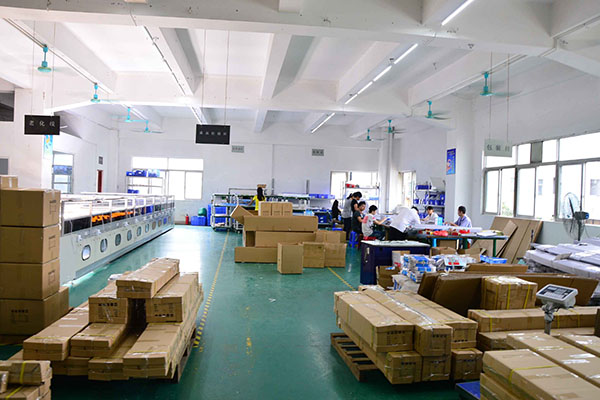
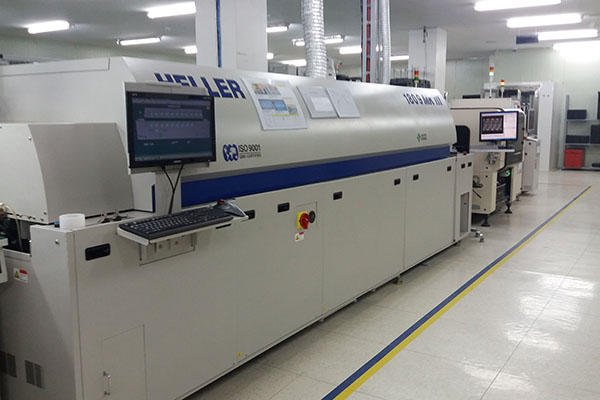
Ningbo is the epicentre of global outdoor lighting production, housing a comprehensive industrial cluster of die-casting foundries, automated powder-coating facilities, high-speed SMT lines, and internationally certified testing laboratories. Our 10,000 m² modern production facility utilizes this local ecosystem to significantly reduce raw material lead times and maintain cost efficiencies. Working alongside European design consultants, we deliver Italian-inspired aesthetic profiles at highly competitive price points.
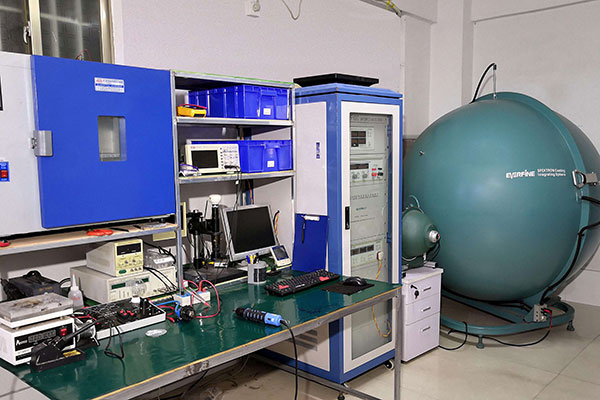
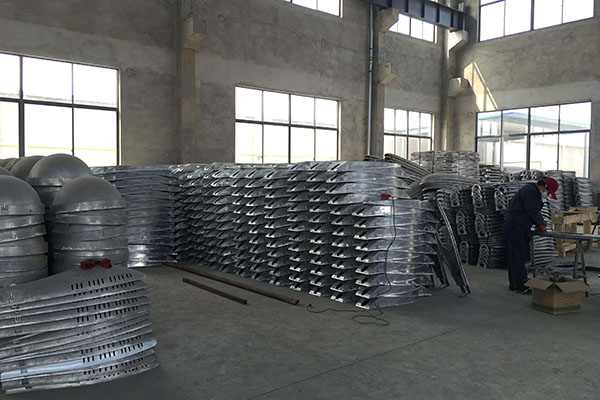
Explore our state-of-the-art 10,000㎡ manufacturing facilities, die-casting stations, automated assembly lines, and high-performance testing chambers.
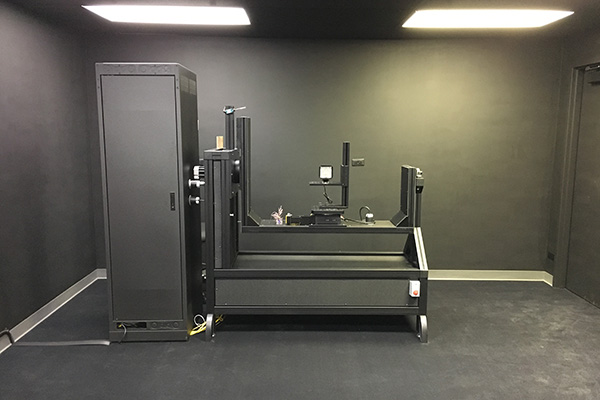
Deploying commercial lighting within the New York Metro Area requires strict conformance to electrical safety, electromagnetic compatibility, and energy performance codes. In the United States, commercial fixtures are evaluated under Underwriters Laboratories (UL1598 for luminaires) or equivalent ETL standards. Furthermore, Federal Communications Commission (FCC) Part 15 compliance is critical to guarantee that high-output LED drivers do not inject electromagnetic interference into neighboring communication systems or municipal emergency bands.
At Austar Lighting, while our legacy export framework covers European and international projects with credentials like **ENEC, CB, CE, and LVD certifications**, we specialize in coordinating customized OEM/ODM projects tailored to meet specific North American standard frameworks. Our strategic collaboration with international testing houses ensures that driver architectures, silicone gaskets, and optical modules can be custom-tested to DLC (DesignLights Consortium) Premium and UL criteria. This structural flexibility provides New York real estate developers, contractors, and municipal consultants with complete peace of mind when executing imports for large-scale retrofits.
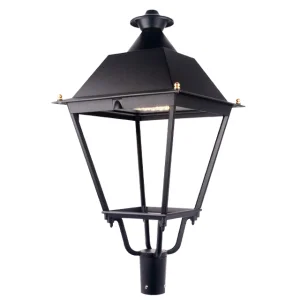
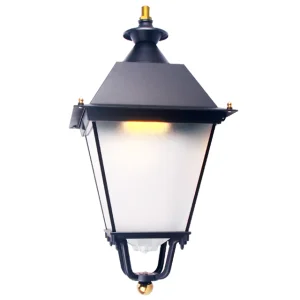
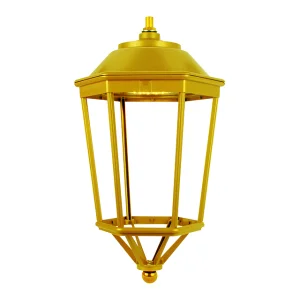
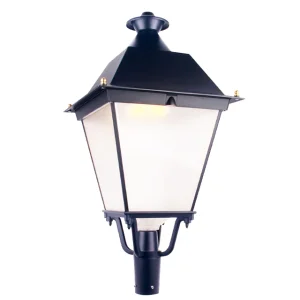
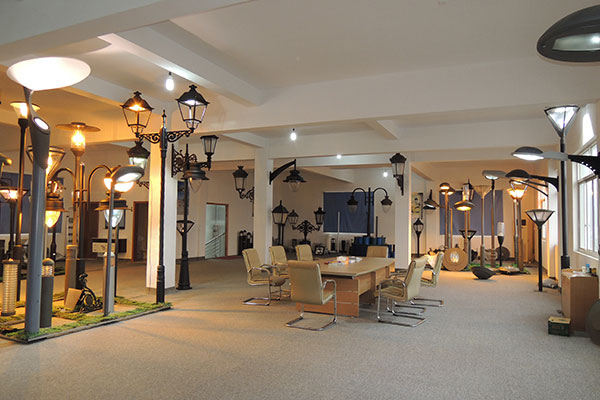
The complete range of high-efficiency decorative fixtures, traditional lanterns, and pedestrian lighting options engineered for urban plazas, campuses, and historic streetscapes.
A core competitive differentiator of Austar Lighting is our long-standing collaboration with leading Italian outdoor lighting designers. This collaborative design process translates classical European styling into sleek, functional, and minimal forms that effortlessly complement both heritage historic neighborhoods (like brownstone-lined streets in Brooklyn) and hyper-modern business districts.
These aesthetic frameworks are brought to life through the raw industrial strength of our Ningbo manufacturing facilities. Built around heavy-duty die-casting equipment ranging from 300T to 1000T capacities, we create rigid, unibody luminaire housings that are structurally superior to lightweight sheets. The integrated cooling fins cast directly into the structural aluminum are key to high thermal dissipation efficiency, allowing the LED chips to operate well below their critical junction temperature ceilings even during hot, stagnant midsummer nights in New York.
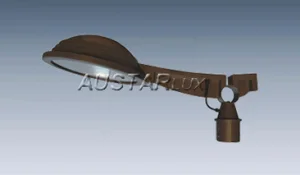
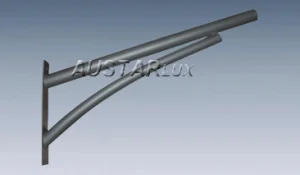
For projects requiring rapid customization, we stand out among international manufacturers. Our internal mould shop and engineering team can conceptualize, prototype, and manufacture completely new outdoor luminaires within a single month. This agility enables architects and designers to specify customized brackets, specialized color temperatures, and tailored optical arrays without throwing off project timelines.
Our comprehensive product catalog features specialized series optimized for different urban lighting requirements:
Technical information regarding production capability, lead times, customization options, and installation parameters for international projects.
Get in touch with our design engineers for detailed IES photometric files, customizable driver configurations, and direct factory pricing schedules tailored for the North American market.
Send Inquiry Now Austar