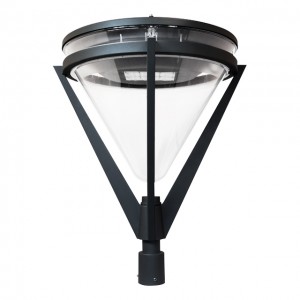
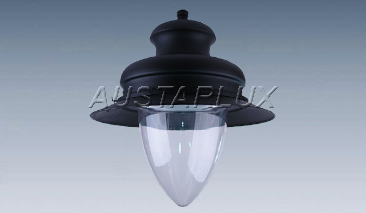
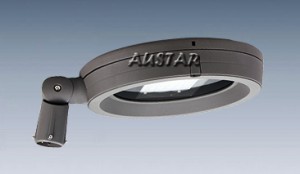
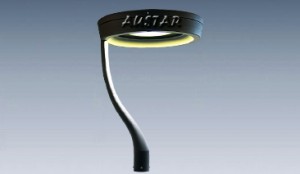
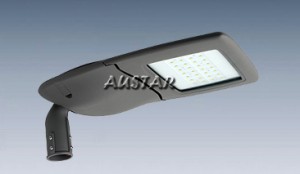
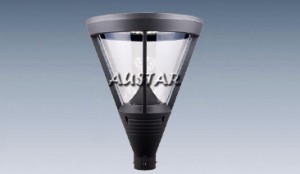
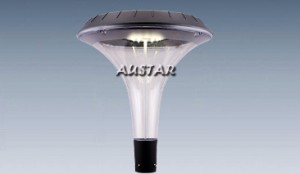
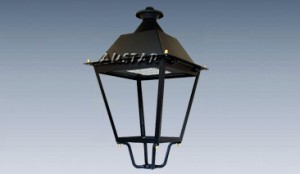
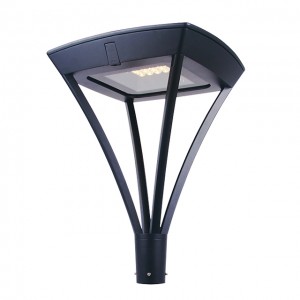
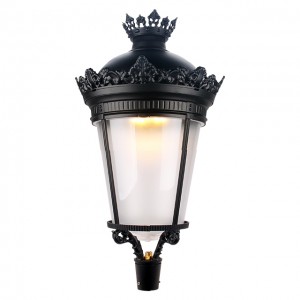
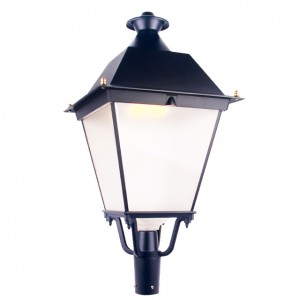
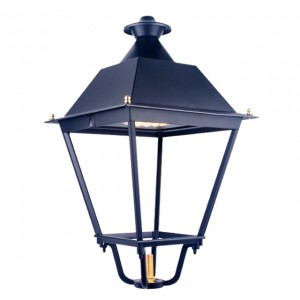
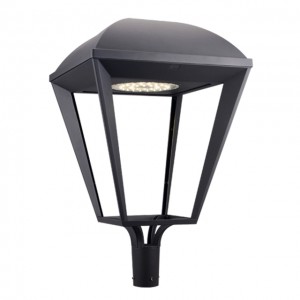
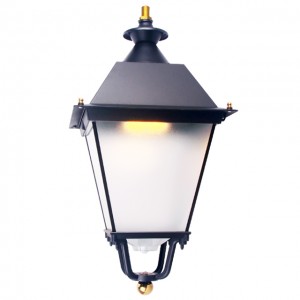
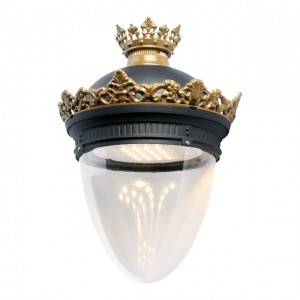
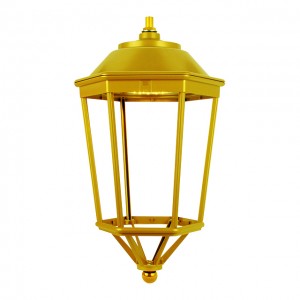
Explore our flagship commercial and architectural outdoor lighting products, designed for maximum lumen efficacy and weather resistance.
In the modern era of municipal and commercial development, area lighting represents a vital convergence of urban safety, optical science, and architectural aesthetic. As cities transition into smart municipal networks, purchasing teams face intense pressure to source robust, long-lifespan outdoor LED street lights and garden luminaires.
Professional buyers, distributors, and engineering procurement contractors (EPCs) must look past surface-level specifications to evaluate systemic factors. Luminous efficiency, thermal management, optical configurations (Type I to Type V distributions), and ingress protection (IP ratings) are just the foundation. High-efficacy area lights ensure dramatic reductions in energy footprint while maximizing security in public spaces.
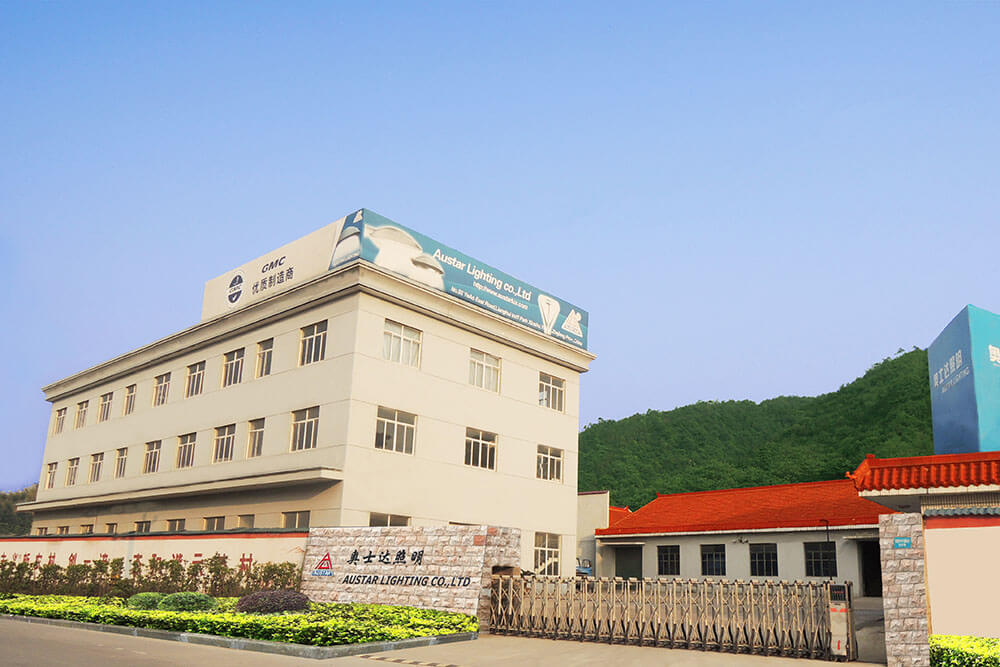
How our strategic localization and vertically integrated factory model in Ningbo benefits international buyers.
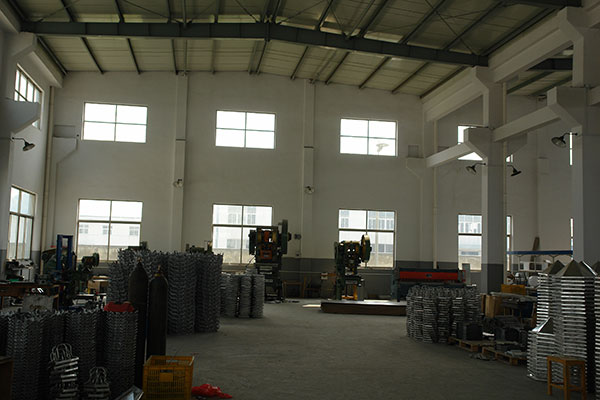
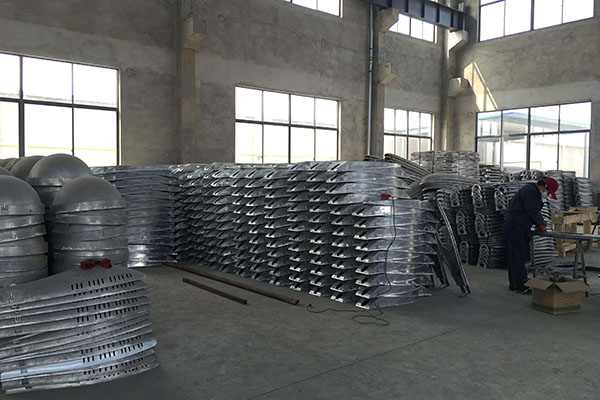
Equipped with 1000T, 700T, and 300T high-pressure die-casting machinery. By engineering and fabricating all structural molds in-house, we reduce time-to-market for custom OEM/ODM shapes to just one month.
Located in Ningbo, Zhejiang province—home to one of the world's busiest container shipping hubs. Proximity to both Ningbo Port and Shanghai Port guarantees highly competitive sea freight rates and streamlined logistics.
Through our long-standing partnership with Italian industrial lighting designers, we blend European elegance with cost-efficient Chinese production ecosystems, meeting strict architectural and municipal guidelines globally.
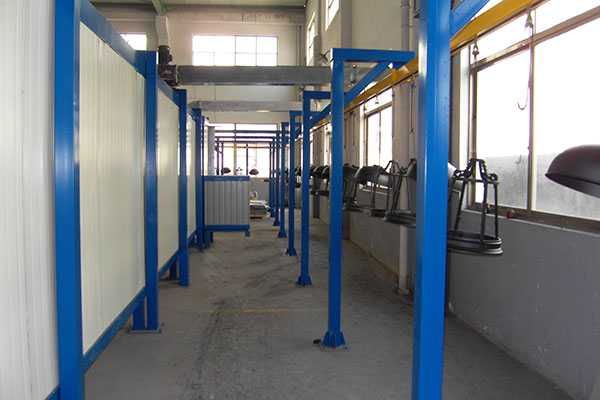
To survive decades under intense UV exposure, salt spray, thermal shifts, and high moisture, area lights require precise materials science. Aluminum housings are treated with architectural-grade powder coatings and undergo rigorous pre-treatment cleaning to prevent galvanic corrosion.
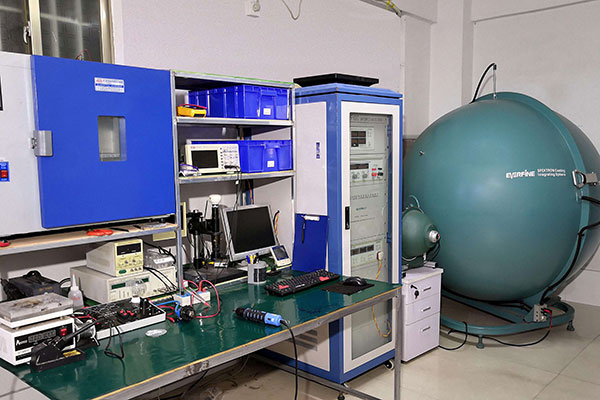
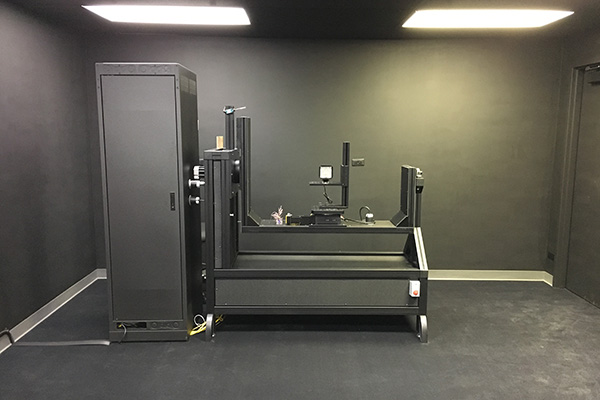
Our in-house laboratories feature advanced inspection tools including photoelectricity integrating spheres, salt spray testers, high-low temperature chambers, and specialized LED driver-load aging systems. Every outdoor luminaire is certified to withstand extreme wind loads, vibration, and thermal stress.
Understanding how next-generation smart cities and ecological policies shape outdoor area lighting.
Incorporating standardized NEMA 7-Pin and Zhaga sockets to support remote dimming, municipal asset tracking, and daylight sensing. These systems integrate smoothly into unified smart city central control databases.
With increasing environmental regulations regarding light pollution, modern area lights utilize optical lenses that direct 100% of light downward, eliminating upward light pollution and protecting nocturnal ecosystems.
Configurable for urban roadways, pedestrian bridges, logistics warehouses, active shipping wharves, municipal parks, and high-visibility perimeter security lighting for commercial property developments.
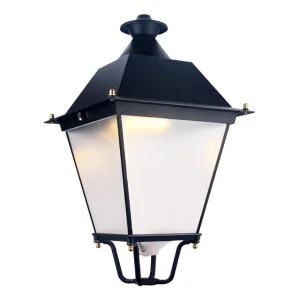
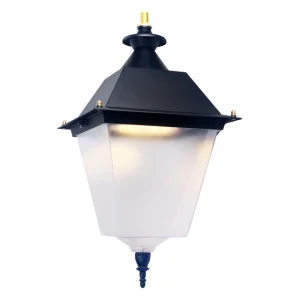
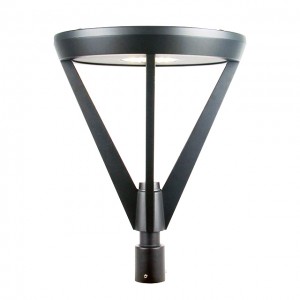
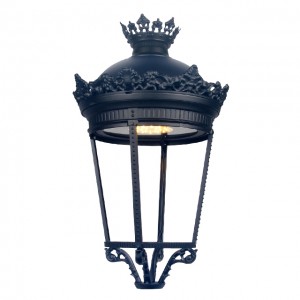
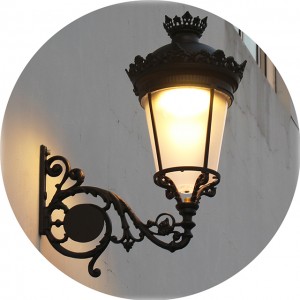
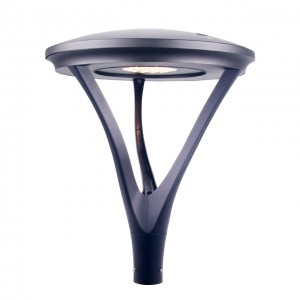
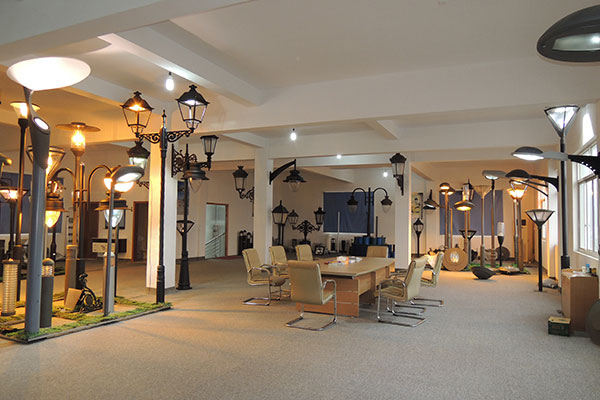
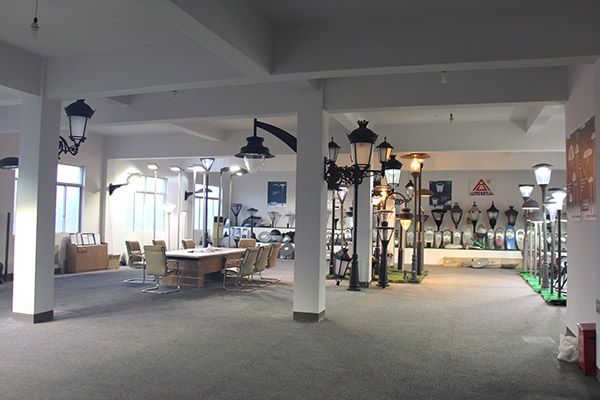
Complete selection of wholesale outdoor garden lighting and specialized city fixtures.
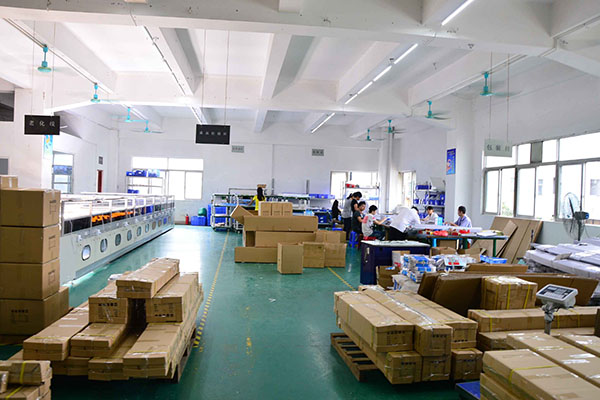
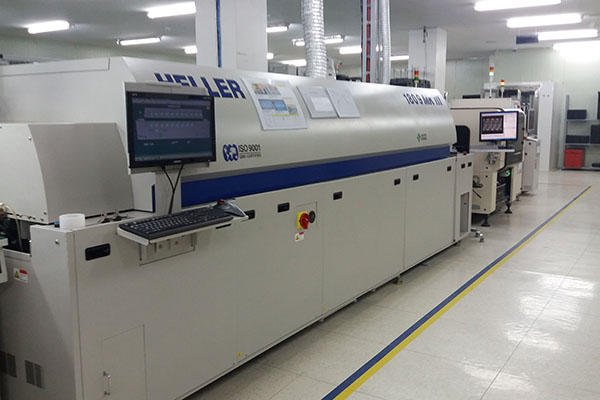
Take a virtual look inside our ISO 9001:2015 certified casting workshop, automated powder-coating spray lines, and LED aging cells.
Get instant answers regarding order logistics, engineering capabilities, materials compliance, and custom design timelines.
Our sales engineering team will reply within 12 hours on workdays. For technical custom requests, we aim to provide preliminary drawings and quotations within 24 hours.
We operate both our own dedicated lamp housing manufacturing factory and a separate modern lamp post factory. Holding independent import and export rights allows us to directly manage the entire shipping process for global buyers.
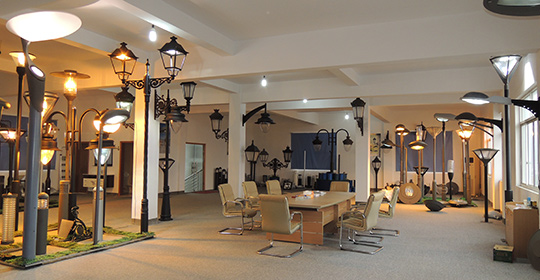
Our catalog includes: outdoor LED street lights, garden lamps, plant grow lights, structural steel lamp posts, architectural wall lights, and garden light poles.
Our products are widely used in urban roadways, pedestrian bridges, municipal parks, industrial warehouses, wharves, ports, and outdoor commercial developments.
Yes. Our design and mold engineering teams can develop and manufacture custom products from your 3D CAD drawings or physical reference samples.
Spanning a 10,000m² facility, our factory is equipped with 1000T, 700T, and 300T die-casting machinery, a fully automatic electrostatic powder-spray line, three final assembly lines, and two dedicated LED aging test lines. Our annual output exceeds 150,000 sets.
We are ISO9000-14001 certified. We conduct structural and electrical testing at every production phase. Every completed luminaire undergoes 100% inspection before shipping. Testing tools include: spectrophotometers, goniophotometer darkrooms, waterproof chambers, mechanical impact shock testers, and thermal climate chambers.
Our team consists of approximately 100 employees, including 10 dedicated R&D technicians and 5 senior structural lighting engineers.
We trade under FOB, CIF, or CNF terms. For volume production orders, we work with a 30% deposit, with the remaining balance due against the copy of the Bill of Lading (B/L). We accept T/T payments and L/C at sight.
We utilize sea transport due to our close proximity to Ningbo Port and Shanghai Port. For urgent sample requests or pilot runs, we arrange rapid air freight.
Our in-house design team collaborates with Italian lighting designers to balance classic aesthetics with modern LED performance. We design all molds and complete tooling production internally.
We can design a custom fixture, create the mockups, and fabricate casting molds in under one month.
Discover our top-rated street, park, and pedestrian-oriented fixtures, popular in international specifications.
Browse our extensive selection of classic, contemporary, and industrial urban lighting fixtures.
When purchasing wholesale area lights, evaluating simple wattage parameters is no longer sufficient. High-performing LED systems focus instead on luminous efficacy, measured as lumens per watt (lm/W). Today's premium fixtures easily achieve efficacy rates exceeding 150 lm/W. Selecting high-efficacy luminaires directly translates to lower operational costs, enabling municipal planners and facility operators to reduce their energy demand while achieving identical lux levels. Over a typical 100,000-hour operational lifespan, the energy savings offset the initial capital expenditure within the first 18 to 24 months.
The longevity of any LED system is determined by its operating junction temperature. Excess heat degrades the silicon substrate, leading to premature lumen depreciation and driver failure. Advanced area lights feature custom-engineered heat sinks constructed from high-pressure die-cast aluminum (ADC12 grade). By designing flow-through cooling paths within the housing, hot air rises and dissipates without settling on the LED chips. This structure helps protect sensitive circuitry, keeping junction temperatures well below the critical threshold to maintain a stable, long lifetime (L70B10 rating).
Effective lighting layout relies on choosing the correct optical distribution pattern. The Illuminating Engineering Society (IES) defines five primary distribution profiles:
Outdoor area lights must operate reliably through severe dust, heavy rains, high humidity, and extreme wind forces. Excellent fixtures carry a minimum Ingress Protection rating of IP66, indicating complete protection against dust entry and powerful water jets. Additionally, standard commercial models offer IK08 or IK10 impact resistance ratings, ensuring the heavy-duty housing and PC (polycarbonate) diffusers are safeguarded against vandalism and falling debris.
Modern urban planning relies on connected, adaptive systems. Integrating NEMA or Zhaga sockets on the upper surface of luminaires allows municipalities to install remote monitoring nodes. These components communicate via wireless protocols to enable motion-activated dimming, schedule adjustments based on weather patterns, and automated maintenance diagnostics. Connecting lighting fixtures directly to local smart networks helps reduce utility costs while optimizing municipal maintenance resources.
Importing commercial electrical equipment requires verifying all relevant safety certifications. Premium area lights comply with EU and international standards, including ENEC, CB, CE, and LVD certifications. These labels prove that the fixtures have passed detailed independent reviews for electrical safety, electromagnetic compatibility, and environmental compliance, ensuring a smooth path through customs and local municipal inspections.
Interested in our outdoor area lights? Share your email below to receive our latest product specifications, volume pricing, and custom mold engineering options.
 Austar