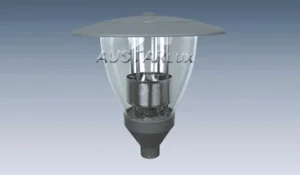
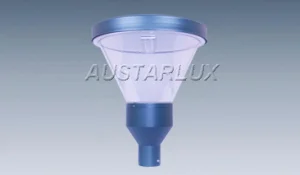
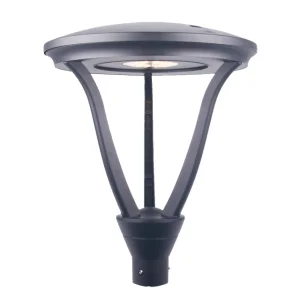
Explore our primary industrial line of energy-efficient, heavy-duty LED streetlights and architectural garden posts, engineered for extreme reliability.
The global outdoor lighting landscape is undergoing an unprecedented structural transition. Modern municipal planners, industrial developers, and commercial estate managers are no longer just purchasing "lamps"—they are deploying critical physical components of smart-city infrastructure. As urban environments expand and energy conservation requirements intensify under strict environmental protocols (such as Europe’s ErP Directive and global dark-sky initiatives), the demand for high-efficiency, durable, and smart-ready outdoor lighting fixtures has reached critical levels.
Historically, outdoor lighting relied heavily on High-Pressure Sodium (HPS) and Metal Halide (MH) systems. These technologies had substantial drawbacks: massive thermal dissipation losses, slow hot-restart times, and poor color rendering indices (CRI). Today's international landscape demands Solid-State Lighting (SSL) driven by custom-engineered LED arrays. These components offer luminous efficacies often exceeding 150 lm/W, long operational lifetimes (L70B10 ratings surpassing 100,000 hours), and high-precision photometrics that minimize light pollution while maximizing pedestrian safety.
From an industrial perspective, manufacturers must balance architectural design with thermal management. The integration of high-pressure die-cast aluminum alloys, specialized optical lenses (utilizing PMMA or polycarbonate variants), and robust ingress protection (IP66/IP67) is now standard for Tier-1 suppliers. Additionally, integration with IoT smart grids—specifically through NEMA or Zhaga Book 18 interfaces—is a top priority in municipal procurement specs. Suppliers who cannot deliver digital system integration and mechanical durability are rapidly being phased out of high-value infrastructure bids.
Understanding the technical developments driving municipal specifications and green building standards.
Modern outdoor lamps function as active data nodes. Incorporating standardized receptacles like NEMA 7-pin or Zhaga sockets allows cities to deploy nodes that handle traffic monitoring, air quality testing, and dynamic dimming profiles based on pedestrian traffic density.
Transitioning from static, high-glare white light to customizable color temperatures (CCT) and precise light distributions. Advanced lens profiles focus luminous flux directly on road surfaces, eliminating uplight and preserving natural nocturnal ecosystems.
Global standards now push for circular construction where drivers, surge protective devices (SPD), and LED boards can be upgraded or replaced toollessly on-site, significantly reducing lifetime maintenance costs and electronic waste.
Established in 2003 and located in the coastal manufacturing hub of Ningbo, China, Austar Lighting Co., Ltd. has spent over two decades building its reputation as a leading manufacturer of LED street lighting and outdoor garden lighting. Operating from a state-of-the-art 10,000㎡ production facility, we employ more than 100 dedicated lighting professionals, including 10 technicians and 5 senior engineers, who supervise our rigorous quality control processes.
We pride ourselves on our global outlook. By collaborating closely with elite Italian lighting designers, we combine European aesthetic standards with optimized industrial manufacturing. This strategy has allowed us to export 100% of our products, expanding our footprint to 55 countries and regions. Our annual output exceeds 150,000 high-performance lighting fixtures, each manufactured to withstand demanding environmental conditions.
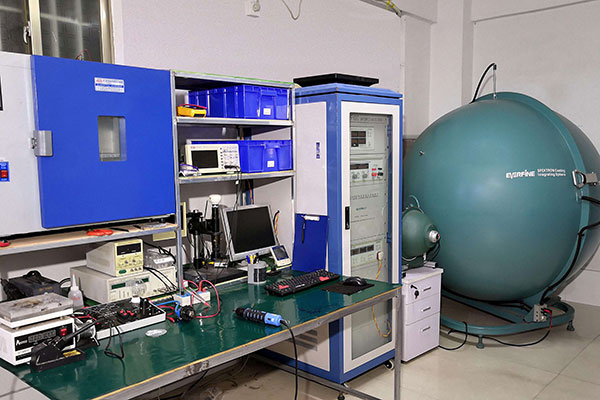
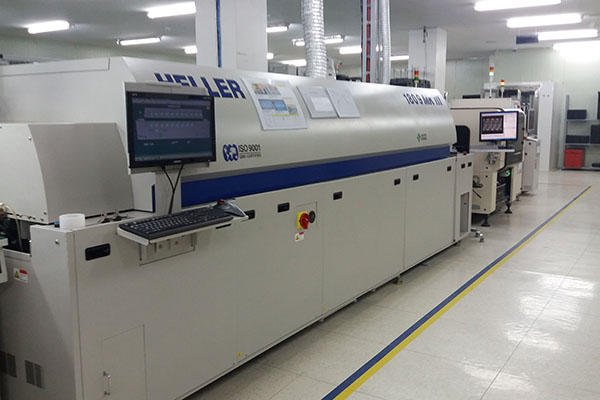
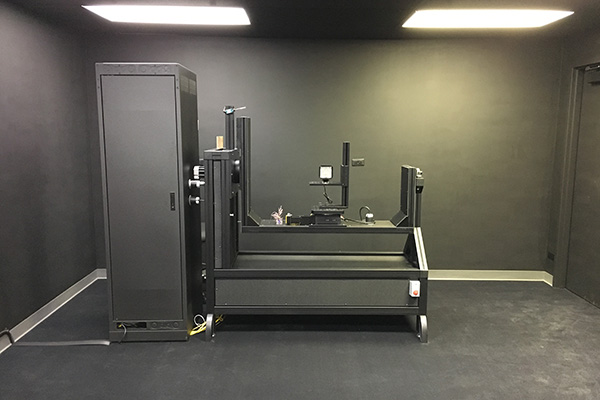
To ensure all products conform to international expectations of safety and performance, our facility is equipped with advanced diagnostic machinery. This includes photoelectricity integrating systems (integrating spheres), electric current testing equipment, automated salt spray chambers for corrosion validation, fully-equipped EMC test facilities, and dedicated LED driver-load aging systems. All products hold prestigious safety and quality certifications, including ENEC, CB, CE, and LVD, while operations comply strictly with ISO9001 and ISO14001 management frameworks.
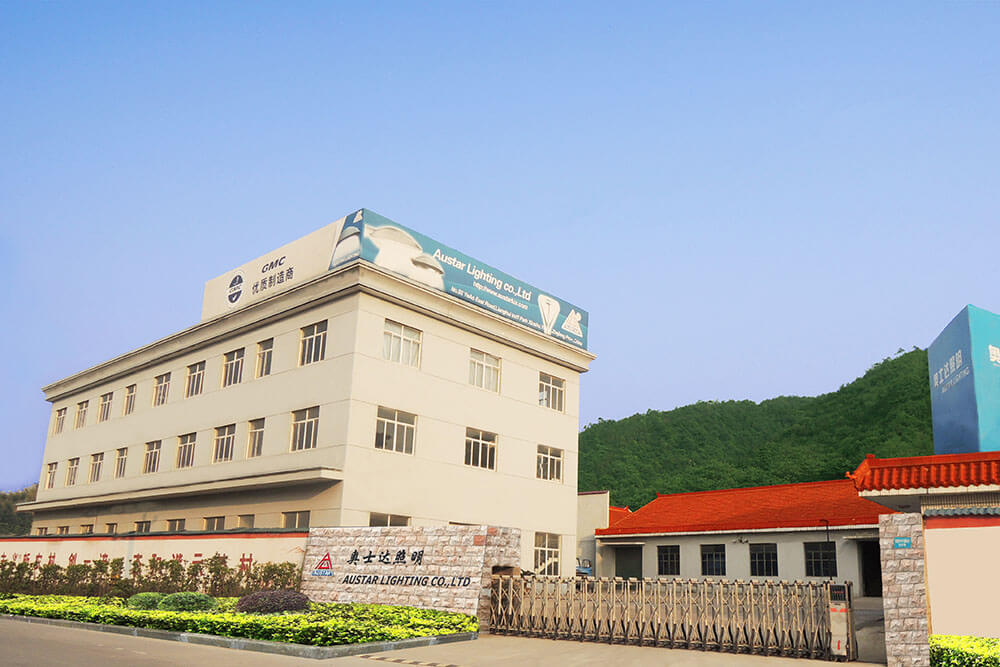
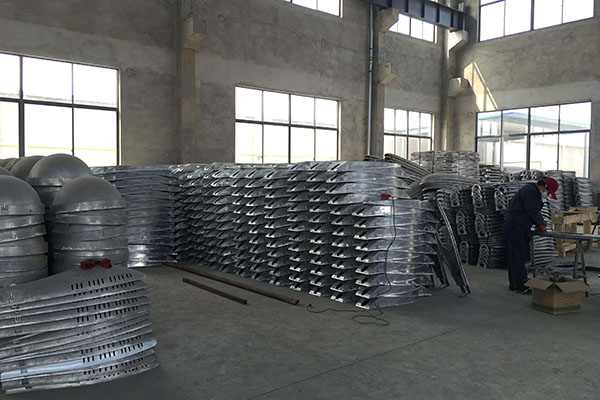
Our competitive advantage lies in our control over the entire production cycle. Unlike assembly-only operations, we handle everything from initial mechanical designs and thermal simulations to die-casting, electrostatic powder coating, and final photometric tests. This end-to-end oversight ensures consistent quality and allows us to support custom OEM and ODM developments efficiently.
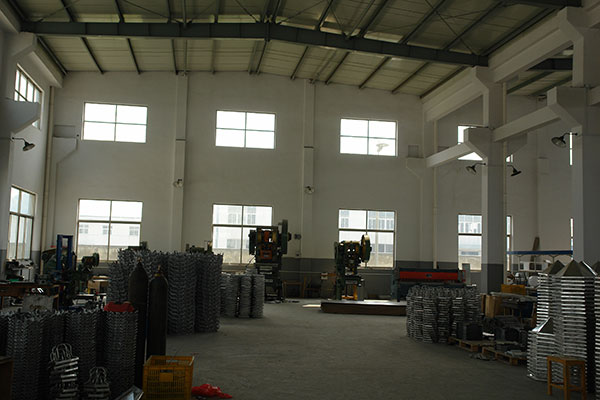
Industrial 1000T, 700T, & 300T cold-chamber machines.
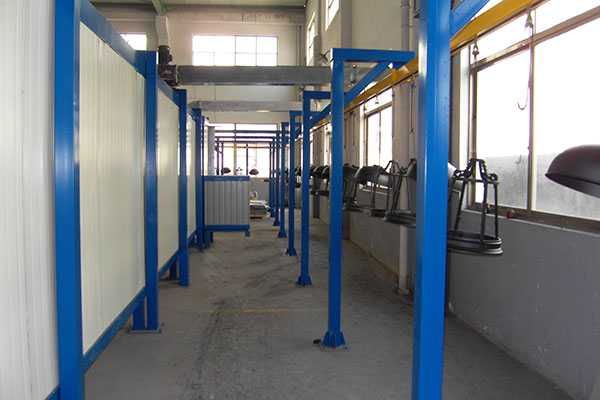
Automated spray line for robust corrosion resistance.
Three assembly lines alongside designated LED aging setups.
Operating environments for outdoor lighting vary significantly. A luminaire designed for a quiet residential park is ill-suited for a high-speed arterial roadway or a corrosive saltwater coastline. Our technical team works alongside project planners to optimize optics, thermals, and mechanical layouts for specific applications:
High-speed highways demand precise light distributions to prevent driver fatigue and avoid hazardous glare. By utilizing Type II and Type III asymmetric distributions, our LED street lights direct uniform light across wide multi-lane roads, ensuring a low Unified Glare Rating (UGR) and minimal light spill.
Salt spray and high humidity quickly corrode standard aluminum enclosures. We use premium low-copper aluminum alloys treated with chromate conversion coatings and marine-grade polyester powder finishes, verified in our automated salt spray chambers to guarantee long-term durability in marine environments.
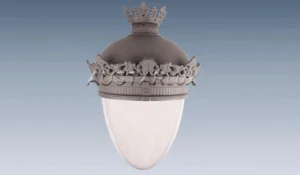
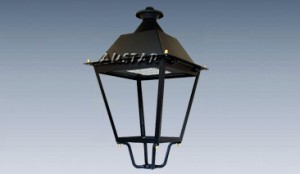
Urban heritage zones need lighting that complements historical architecture without sacrificing modern efficiency. Our traditional and classical urban lighting series feature classic styles integrated with modern LED technology, providing warm color temperatures (2200K - 3000K) that protect historical character while cutting energy consumption by up to 70% compared to traditional HPS lamps.
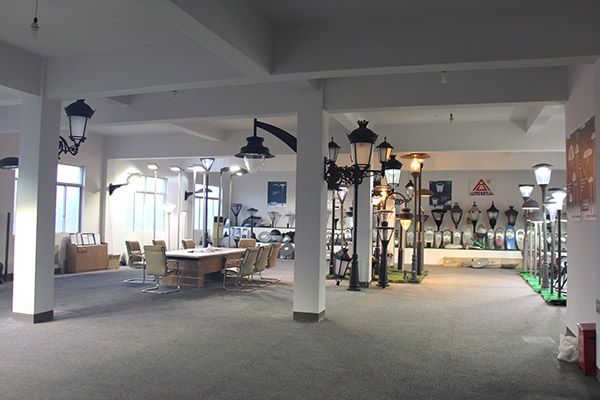
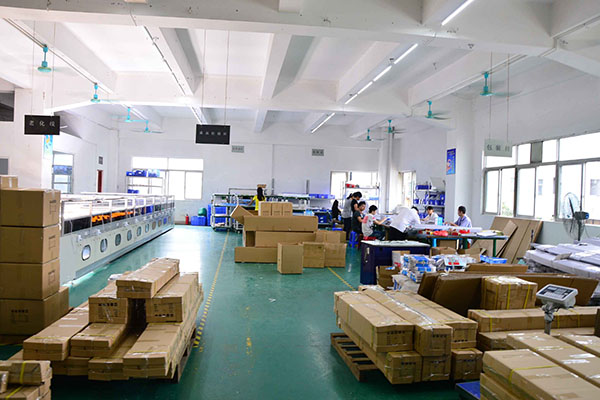
Take an inside look at our manufacturing processes, testing laboratories, and automated assembly operations in Ningbo, China.
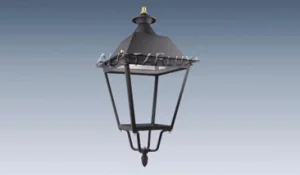
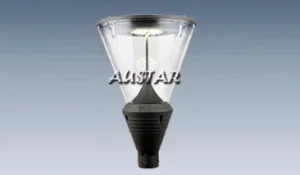
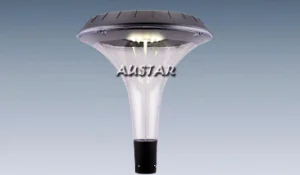
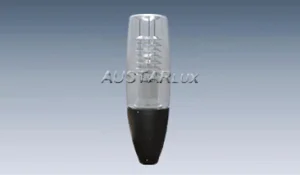
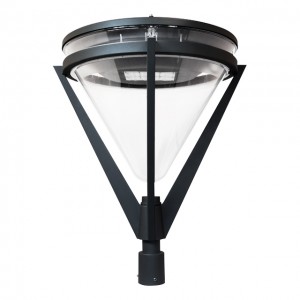
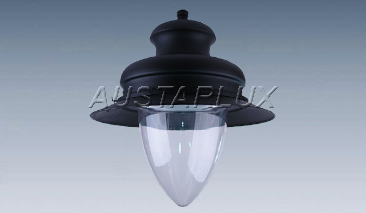
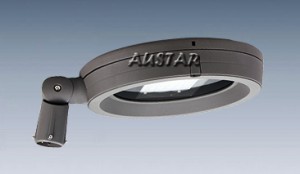
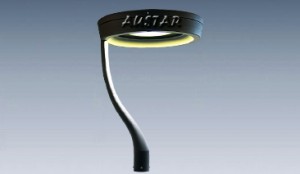
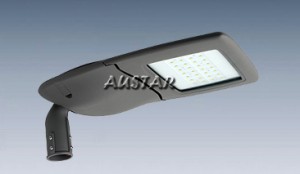
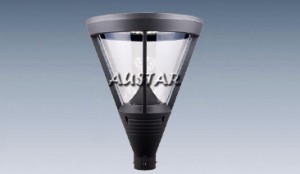
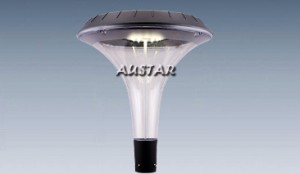
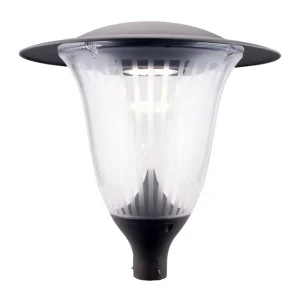
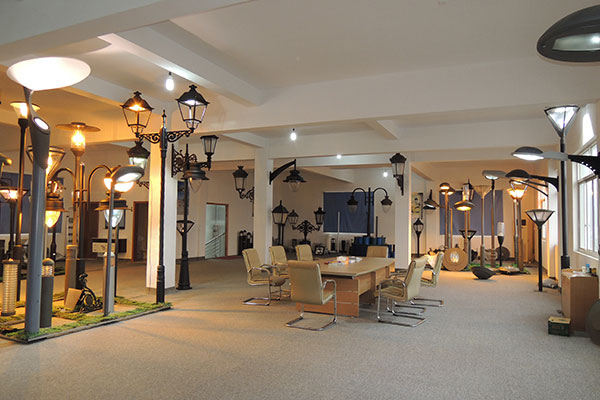
Our signature collections designed in collaboration with Italian industrial lighting designers, balancing visual design with thermal and mechanical performance.
As the outdoor lighting industry transitions toward high-speed digitalization, our R&D roadmap focuses on four key pillars designed to improve reliability and reduce operational overhead:
Through strategic partnerships with premium LED packaging suppliers, we are integrating next-generation Multi-Junction LED dies. Combined with minimized driver power loss and high-efficiency optical arrays, this allows us to deliver up to 180 lumens per watt, cutting electricity requirements for regional municipalities.
We are transitioning our product lines to support the Zhaga-D4i ecosystem. This industry-standard interface combines power delivery with intra-luminaire data communication, allowing cities to easily deploy sensors, control components, and communication nodes from multiple vendors.
To reduce the environmental impact of our production processes, we are adopting bio-based resin coatings and high-purity recycled aluminum. These materials maintain the structural strength of virgin die-cast aluminum while significantly reducing the carbon footprint of manufacturing.
Our design team uses advanced finite element analysis (FEA) and Ray-Tracing software to simulate thermal dissipation and light distribution before physical manufacturing begins. This modeling reduces the time required to design custom molds and ensures optimized thermal routes for heat dissipation, keeping junction temperatures below 75°C to protect components.
Get detailed answers regarding our production capacity, certifications, testing equipment, and ordering logistics.
We prioritize client communication. Our sales and engineering teams will reply with a detailed technical response within 12 hours on workdays.
We are a direct manufacturer. We operate both a specialized luminaire factory and a dedicated lamp post factory. We possess independent import and export rights and market our own products globally.
Our core product line focuses on outdoor LED streetlights, architectural garden lamps, plant lights, lamp posts, wall-mounted fixtures, and garden light poles, engineered for commercial and municipal applications.
Our luminaires are deployed in municipal street networks, highway bridges, public parks, industrial factories, logistics warehouses, marine wharves, and commercial developments.
Yes. We offer comprehensive OEM/ODM services. We can develop, simulate, and manufacture custom luminaires based on your 2D/3D engineering drawings or physical reference samples.
Our 10,000㎡ facility houses cold-chamber die-casting machines (1000T, 700T, and 300T), a fully automated electrostatic powder-coating spray line, 3 assembly lines, and 2 designated LED aging lines. This machinery supports an annual output of over 150,000 lighting sets.
We operate under a strict ISO9001 and ISO14001 management system. We conduct 100% inspections on all completed assemblies. Our testing facilities include advanced spectrum analyzers, a darkroom for photometric mapping, waterproof testing equipment, shock and impact testers, and high/low temperature chambers.
We employ approximately 100 staff, including 10 technicians and 5 senior engineers who supervise our product design, thermal simulation, and production quality control.
We negotiate terms during quoting, supporting FOB, CIF, CNF, and other standard Incoterms. For bulk production, we accept a 30% deposit with the balance due against the copy of the Bill of Lading (B/L). We support T/T and L/C payments.
We typically ship by sea. Our facility in Ningbo is located close to the Port of Ningbo, helping keep shipping rates competitive. We can also arrange air freight for urgent orders.
Our products are exported to North and South America, Germany, Japan, Spain, Italy, the United Kingdom, South Korea, Australia, Canada, and other international markets.
We partner with Italian industrial lighting designers to create our product styling. We then handle all mechanical engineering, thermal design, and mold fabrication in-house.
Our engineers can complete the design, mechanical simulation, and prototype fabrication of a new luminaire within one month.
We are located near the Ningbo and Shanghai sea ports, and the Ningbo and Hangzhou airports, allowing for straightforward global distribution.
Explore our second line of specialized luminaires, designed to meet specific municipal, environmental, and architectural criteria.
For inquiries about our LED streetlights, decorative garden poles, or customized project requirements, share your email with us. Our engineering team will follow up within 24 hours.
 Austar