Urban populations globally are expanding at unprecedented rates. To support this growth, smart city infrastructure is transitioning from conventional, power-hungry high-pressure sodium (HPS) and metal halide fixtures to highly optimized LED street lighting systems. These transitions are not merely to reduce energy consumption, but also to implement intelligent control networks (via IoT, NEMA, and Zhaga interfaces), enhance public safety, and minimize municipal carbon footprints.
Modern commercial street lighting requires robust thermal engineering, modular optical configurations, and high ingress protection (IP66/IP67) to withstand environmental challenges. Industrial districts, shipping ports, municipal highways, and remote pathways demand customized optical distributions (Type I, II, III, IV, or V) to maximize target area illumination while eliminating light pollution. As global standardizations tighten, commercial buyers seek manufacturing partners who maintain compliance with stringent regulatory frameworks like ENEC, CB, CE, and LVD.
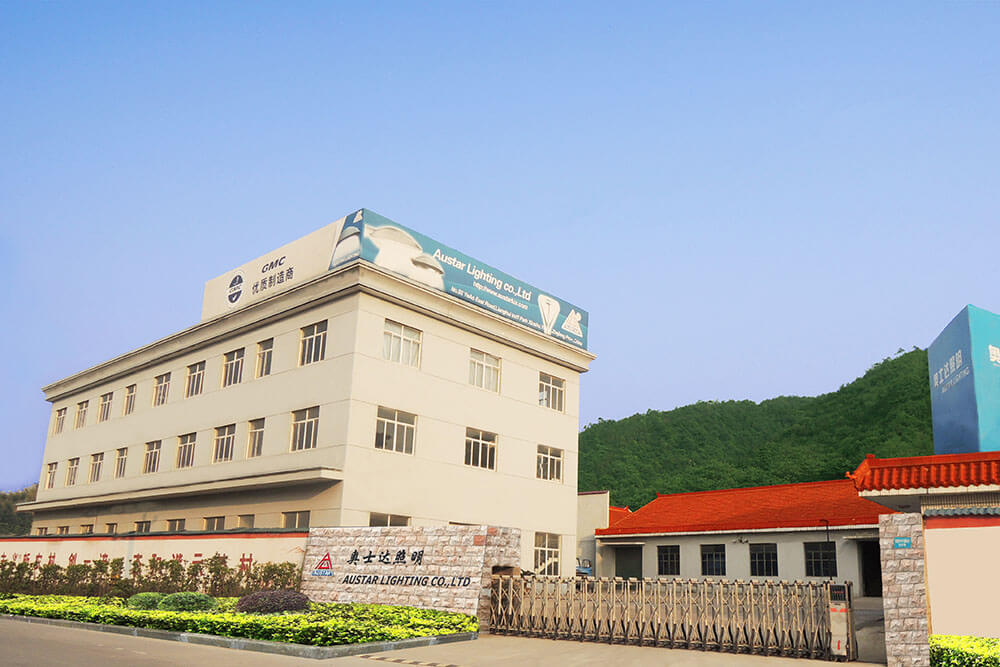
Strategically situated in Ningbo, China—one of the world's most advanced marine-logistics and manufacturing hubs—Austar Lighting Co., Ltd. leverages a highly optimized supply chain. Our factory operations combine high-capacity structural die-casting, automated electrostatic surface coatings, advanced SMT assembly lines, and severe-condition environmental testing under one roof. This concentration of processes minimizes shipping times and raw material bottlenecks, passing cost savings directly to international procurement teams.
Our infrastructure features specialized heavy machinery, including 1000T, 700T, and 300T high-pressure die-casting systems. These units allow us to produce high-density aluminum alloy housings that yield structural integrity and superior thermal heat dissipation (thermal conductivity > 200 W/mK). After casting, components are processed via a fully automated powder spray line, providing a uniform anti-corrosion barrier designed to survive marine climates, heavy salt-mist environments, and extreme UV exposures.
Integrated darkroom and spectroradiometer systems ensure target light distribution. Cooperating with renowned Italian designers, we develop high-efficiency PMMA optical lenses that deliver high lm/W efficacy and comply with international dark-sky regulations.
Operating under the ISO9001-14000 Quality Management System, every batch of luminaires undergoes 100% burn-in and driver aging cycles. Our line is certified under ENEC, CB, CE, and LVD certifications, ensuring rapid customs clearances.
With a dedicated engineering team of 10 technicians and 5 engineers, we turn custom conceptual drawings into physical luminaire samples and tooling molds in less than 30 days, optimizing layouts for local standards.
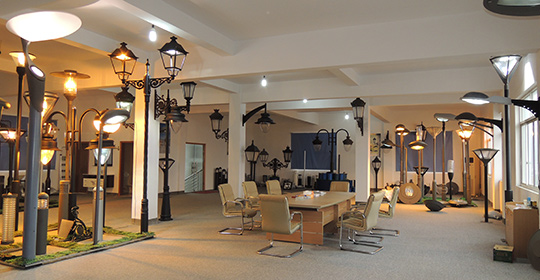
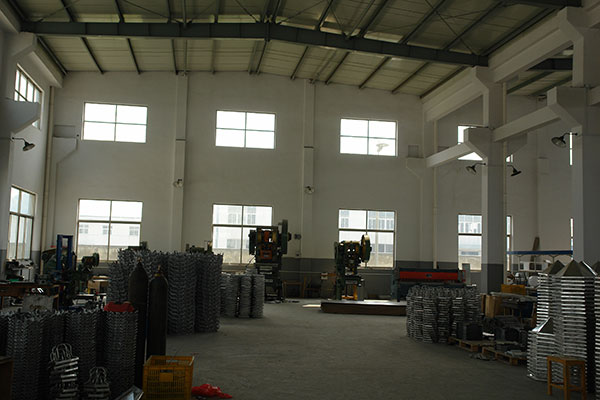
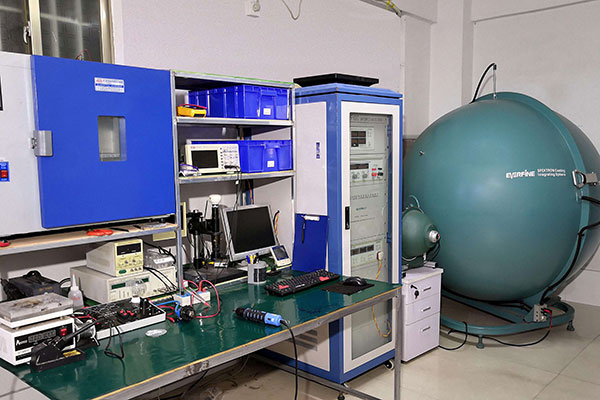
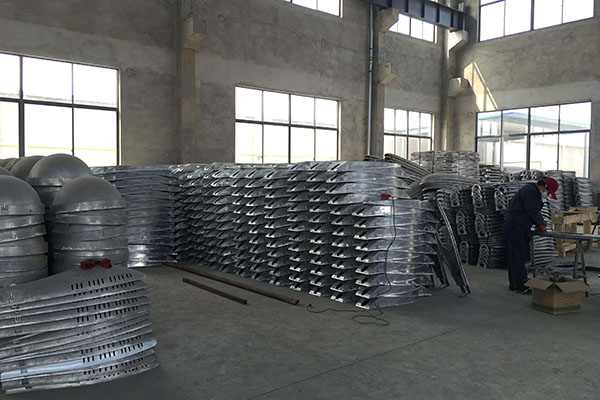
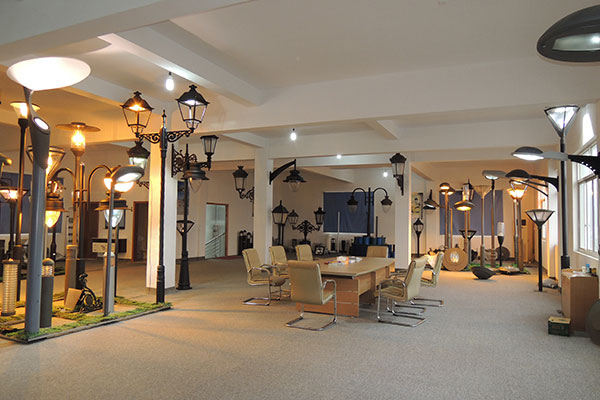
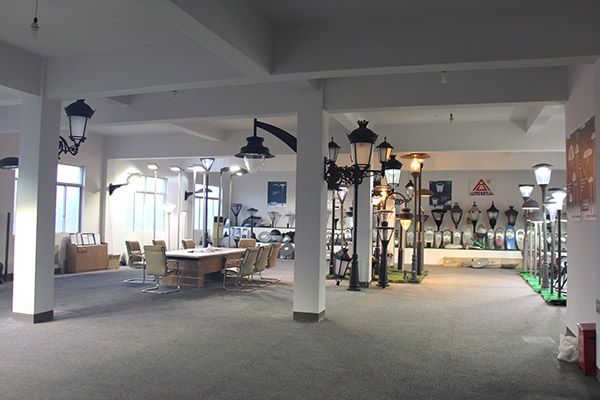
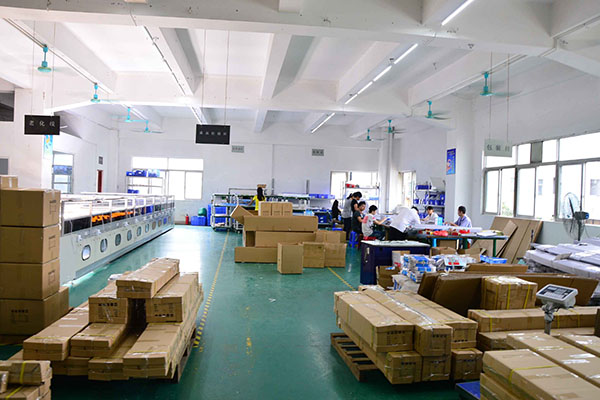
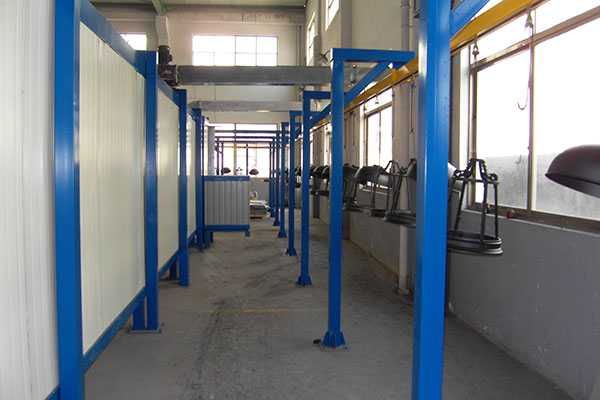
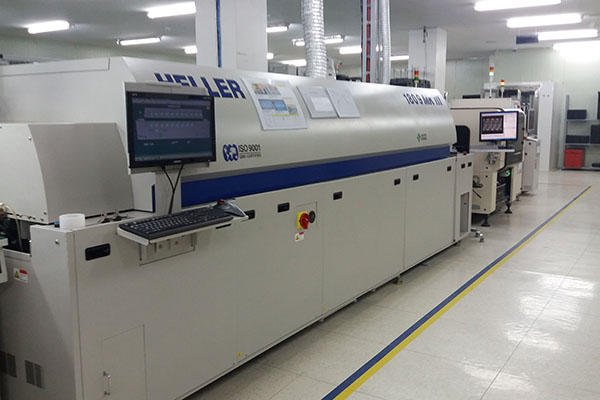
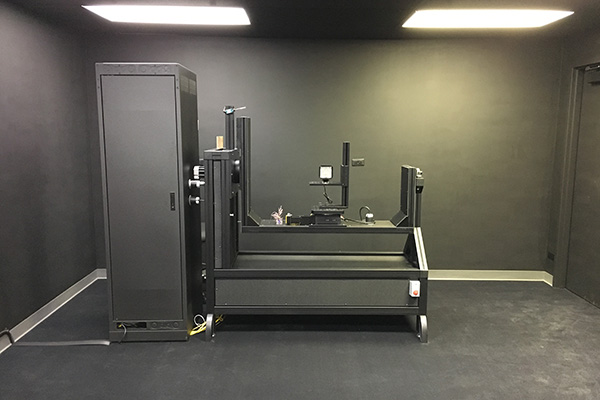
Take a digital walk-through of Austar Lighting's advanced machinery, automatic assembly flows, quality testing laboratories, and finished goods storage zones.
Industrial roadway fittings are no longer designed in isolation. They must be tailored to their specific environments. In northern regions, luminaires require thermal systems that handle thick snow and ice loads without mechanical stress or failure. Conversely, coastal projects in the Mediterranean, Southeast Asia, or the Middle East require hardware built to resist saline corrosion. To meet these demands, Austar uses C5-class corrosion protection alongside salt spray testing, ensuring long-term reliability in high-salinity zones.
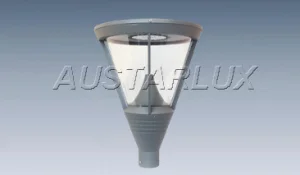
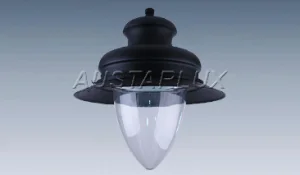
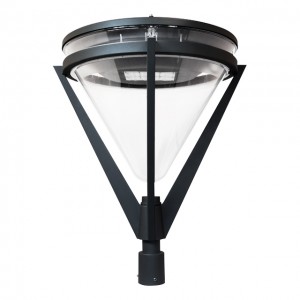
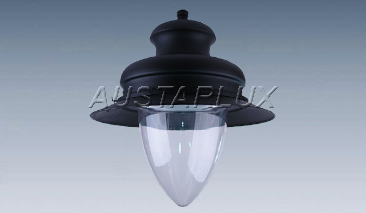
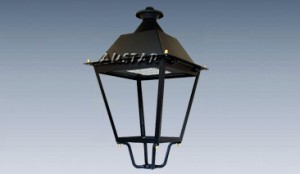
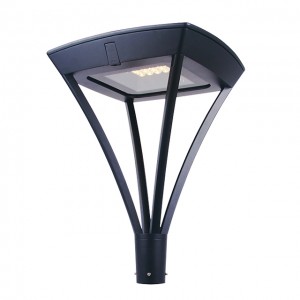
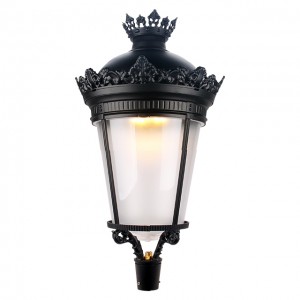
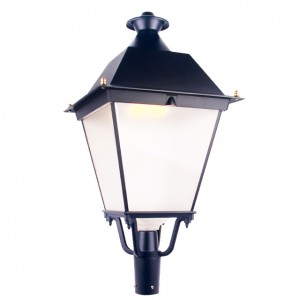
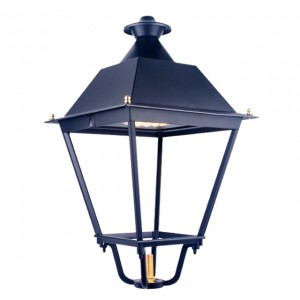
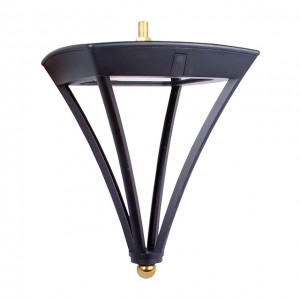
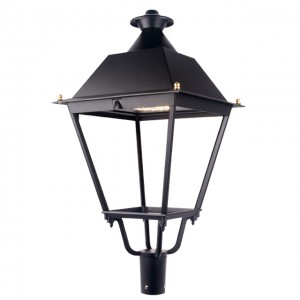
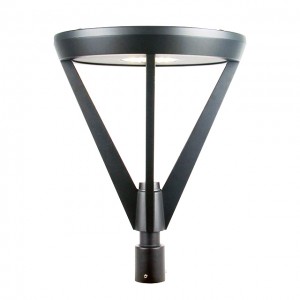
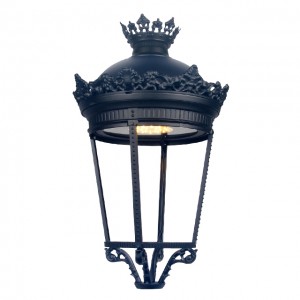
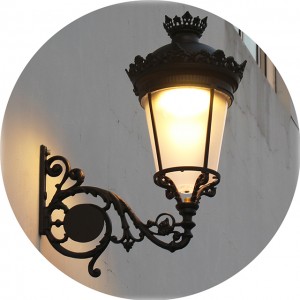
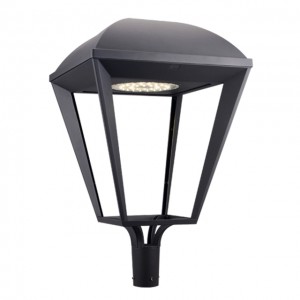
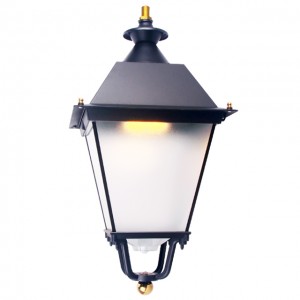
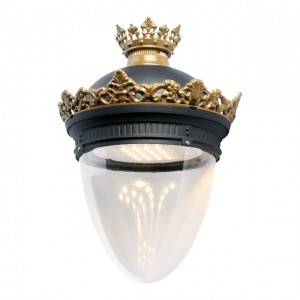
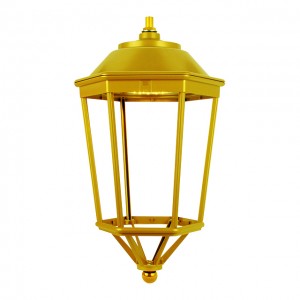
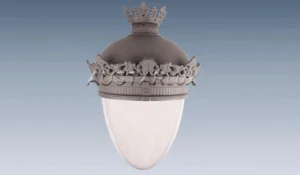
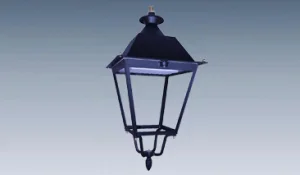
In municipal centers, public parkways, and historical districts, there is a strong demand for retro-styled lighting that houses modern LED components. High-efficiency luminaires like our Classical Street Series and Traditional Urban Series provide architectural continuity while reducing energy consumption by up to 70% compared to legacy lighting systems. These designs protect historical aesthetics while meeting modern energy efficiency targets.
The latest industry trends focus on integration with Smart Grid IoT frameworks. We provide custom solutions featuring Zhaga-standard receptacle bases, allowing municipalities to install photocells, motion sensors, and wireless communication nodes directly onto the luminaire. This prepares public lighting networks to adapt to future smart city developments.
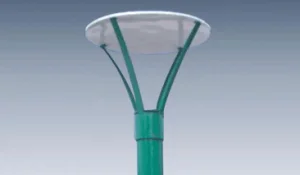
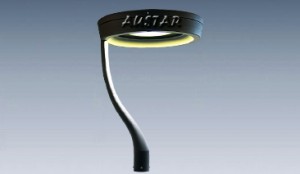
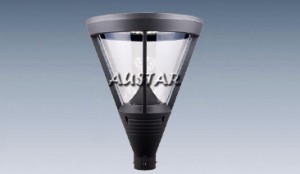
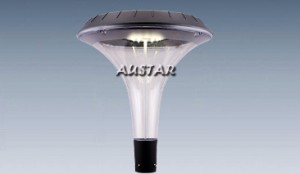
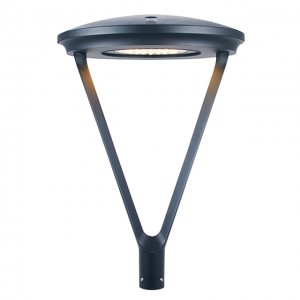
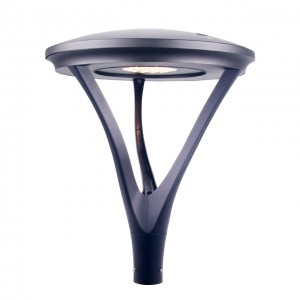
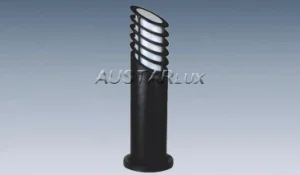
Designed for parks, residential squares, and walkways. Features anti-glare distributions and low heights to blend with landscape designs.
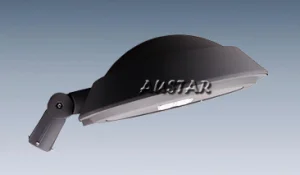
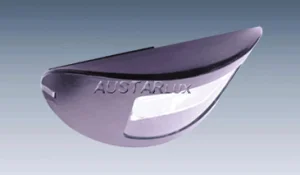
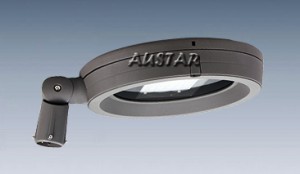
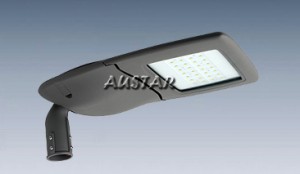
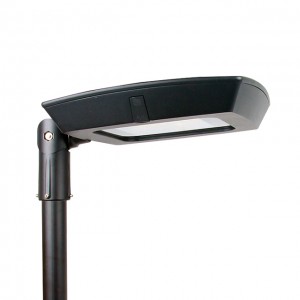
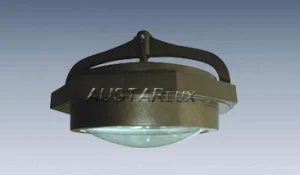
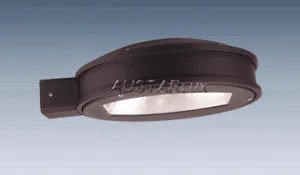
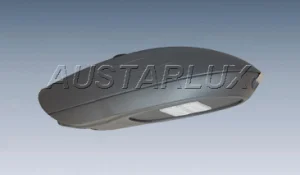
Engineered for structural highways, municipal roads, and expressways. Built with high-output LEDs, robust thermal venting, and wind-resistant shapes.
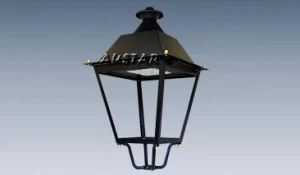
Combines classic architectural styles with modern optical engines, ideal for urban restoration and historical town centers.
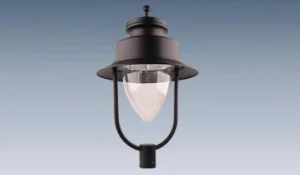
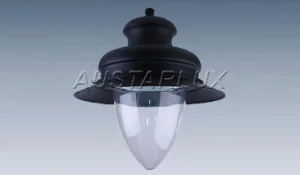
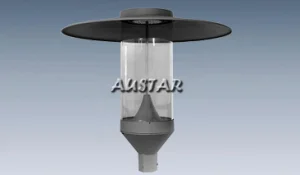
Provides retro-inspired pole-top luminaires that deliver even light distribution, replacing inefficient discharge fixtures.
Heavy-duty landscape posts designed to light pedestrian paths and define boundaries, built to resist impact and vandalism.
High-precision architectural floodlights for highlighting building facades, monuments, and key outdoor focal points.
For municipal buyers, EPC contractors, and international distributors, evaluating a manufacturing partner involves assessing structural capacity, quality standards, and technical compliance. A low initial purchase price can lead to high long-term maintenance costs if failures occur in the field. Procurement teams should evaluate suppliers on key performance metrics:
Austar addresses these requirements through our manufacturing processes. From incoming material inspections to final testing, our engineers monitor every stage of production. By using components from verified suppliers, we build luminaires designed for long operating lives, reducing total cost of ownership for municipal projects.
Whether you need custom ODM production, structural modifications, or standard municipal fittings, our engineering team is here to assist. Submit your requirements or project drawings and receive a reply within 24 hours.
Request Quotation & Spec Sheets Austar