Nagoya, the capital of Aichi Prefecture and the manufacturing heart of Japan, is currently undergoing significant urban architectural revitalization. From the major transit upgrades around Nagoya Station (Meieki) to the pedestrian-friendly updates in the historic Sakae District, lighting specifications have evolved far beyond basic visibility. Modern municipal installations demand strict integration with intelligent energy grids, visual comfort to minimize glare for aging populations, and structural resilience to withstand severe regional weather patterns.
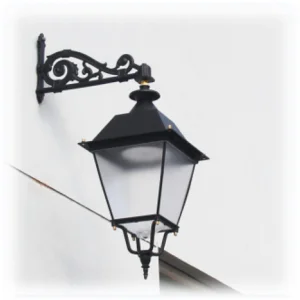
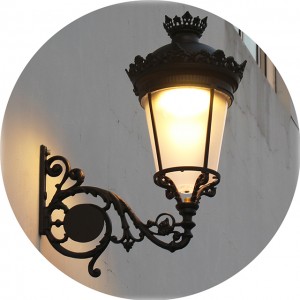
"Nagoya's Landscape Master Plan" requires outdoor light fittings to blend seamlessly with local heritage styles while adhering to modern structural standards. Structural engineering must account for seasonal typhoons, marine moisture from the Nagoya Port, and intense seismic parameters common to the Nankai Trough region.
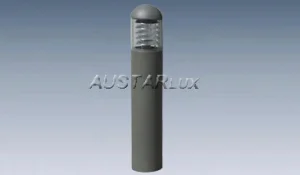
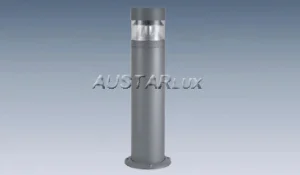
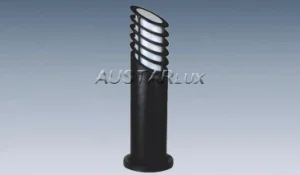
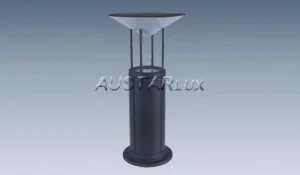
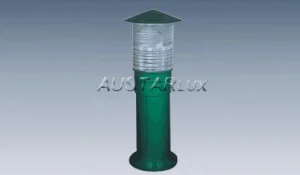
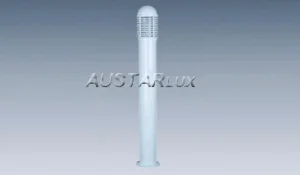
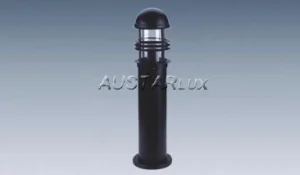
As a global hub for the automotive, aerospace, and advanced machinery industries, Nagoya's industrial parks require robust, high-lumen, explosion-proof, and corrosion-resistant lighting infrastructure. Meanwhile, urban areas focus heavily on Bollard lighting for pedestrian safety along river walks (such as the Hori River), public plazas, and institutional campuses. These bollards are not merely decorative posts; they serve as structural security physical barriers, wayfinding channels, and environmental sensors integrating smart city nodes.
Across the globe, municipal street and park lighting consumes up to 30-40% of public energy budgets. The global shift toward LED urban lighting is now in its second phase: transitioning from simple sodium-vapor replacements to IoT-enabled Smart Lighting Networks. As a leading manufacturer cooperating with Italian industrial designers, Austar Lighting bridges the gap between European design aesthetics and East Asian manufacturing efficiency.
Many general manufacturers neglect the impact of micro-climates on high-density LED arrays. Nagoya experiences humid, hot summers followed by near-freezing winter wind streams. This rapid thermal cycling degrades standard LED solder joints and accelerates driver failure. Our technical approach incorporates:
For municipal, commercial, and industrial projects in Japan, engineering procurement teams must navigate local product safety and construction codes. Austar Lighting is dedicated to helping partners clear these regulatory hurdles through standardized manufacturing processes and specialized compliance procedures:
We provide full IES file downloads and Dialux simulation services for Japanese lighting design firms. Whether designing a parking lot illumination plan for an industrial complex in Toyota City or a public pathway light in Sakae, we verify illuminance levels, uniformity ratios, and glare indices before the hardware leaves our factory.
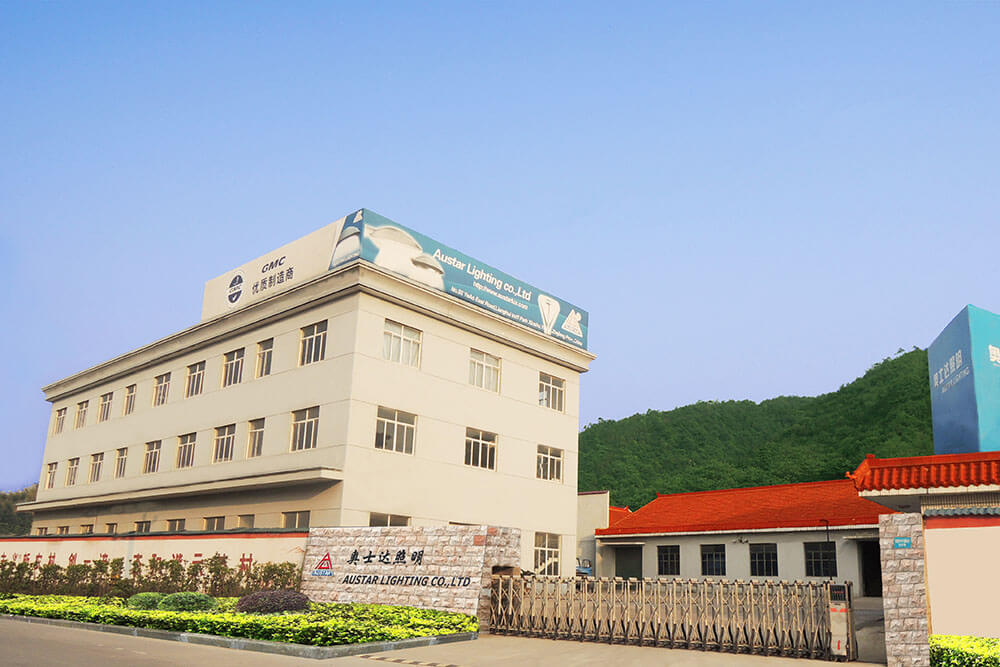
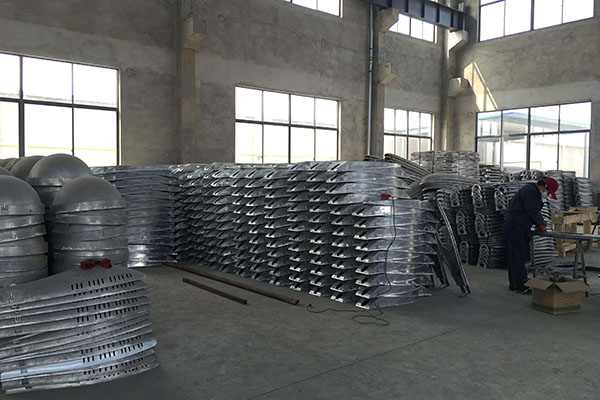
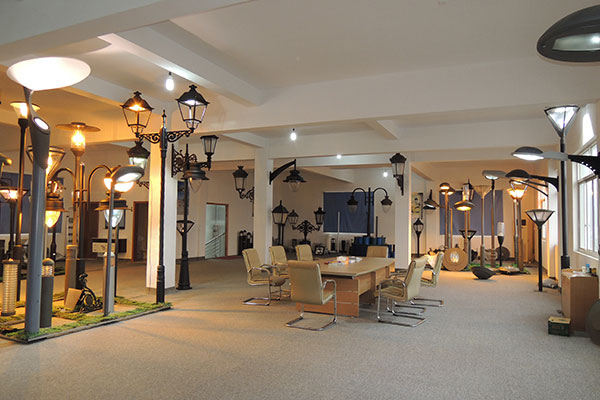
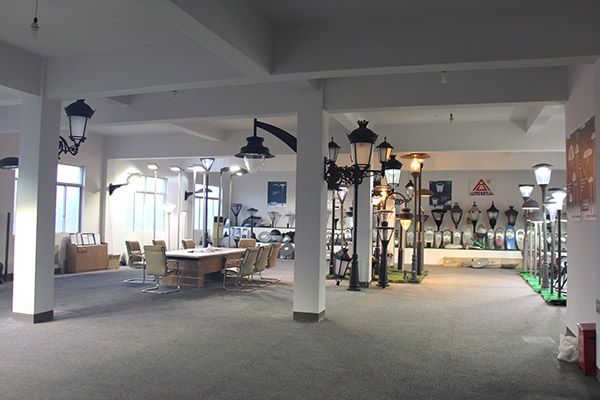
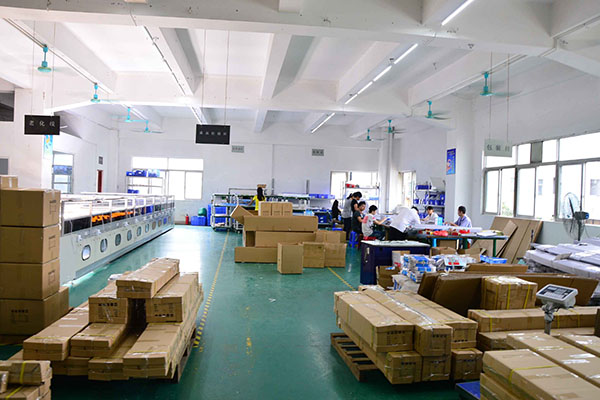
Austar Lighting Co., Ltd. is one of the most developed manufacturers in Ningbo, China. Established in 2003, occupying a 10,000㎡ production area with more than 100 dedicated employees, Austar Lighting Co., Ltd. specializes in producing LED Street lighting and outdoor garden lighting. Our annual production capacity exceeds 150,000 pieces. Cooperating closely with Italian lighting designers, we constantly pursue innovative designs, expanding our market reach to 55 countries and regions.
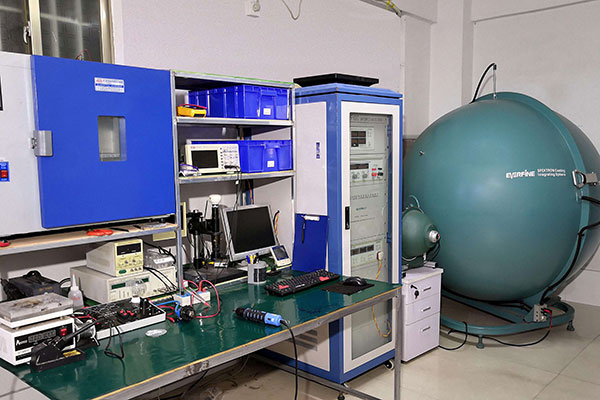
To ensure our products meet your highest quality expectations, we use advanced equipment such as photoelectric integrating systems, electric current testing equipment, salt spray testers, EMC facilities, and LED driver-load aging machines. All products have obtained ENEC, CB, CE, and LVD certifications. Our strong QC team works diligently along production lines according to the ISO9001-14000 quality control system. We warmly welcome OEM and ODM projects.
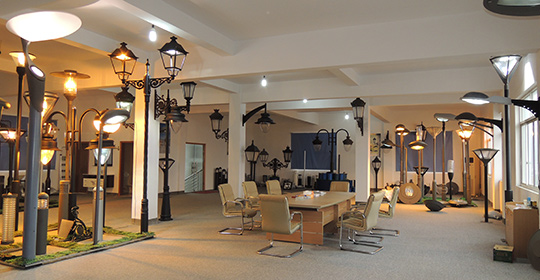
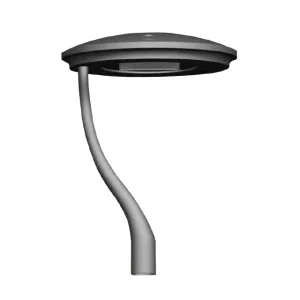
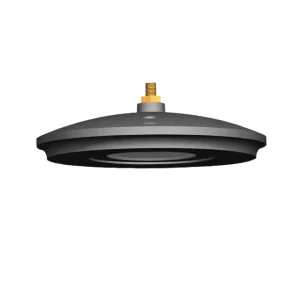
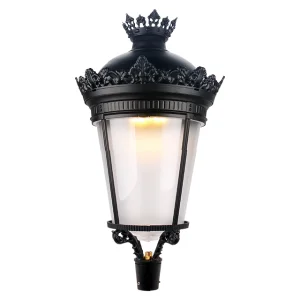
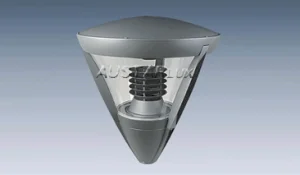
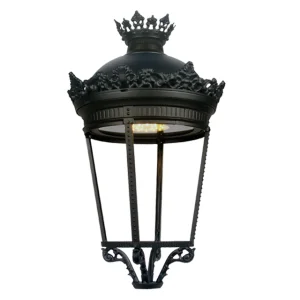
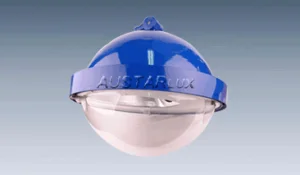
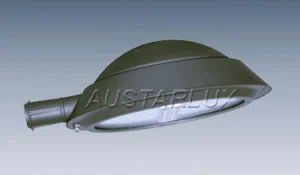
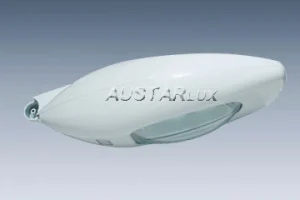
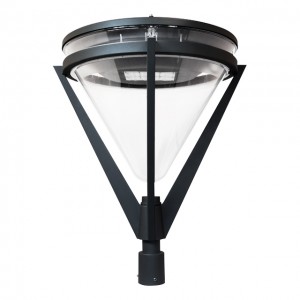
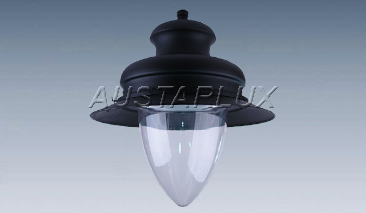
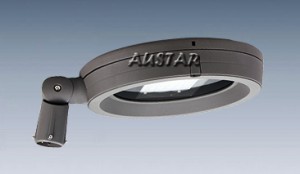
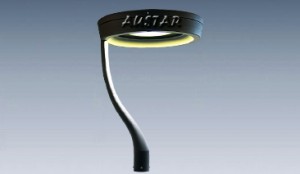
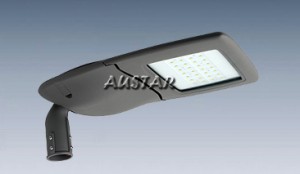
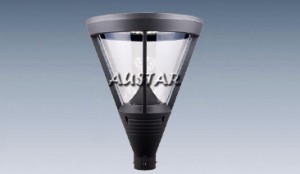
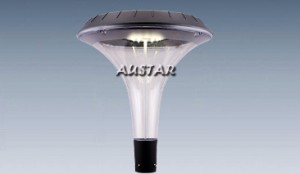
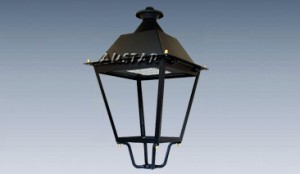
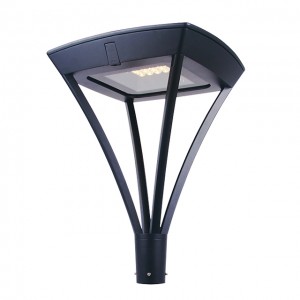
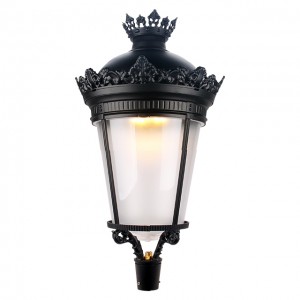
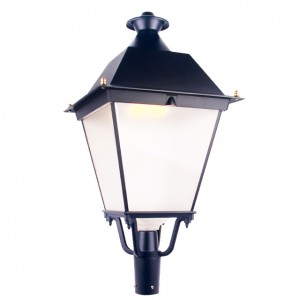
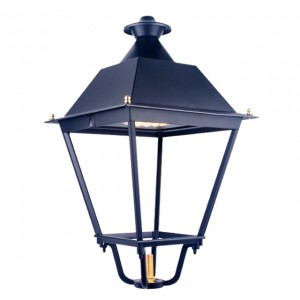
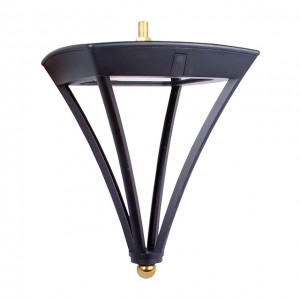
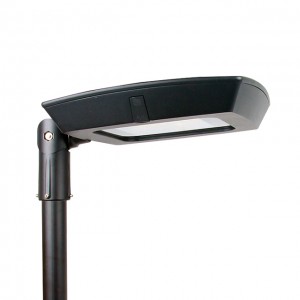
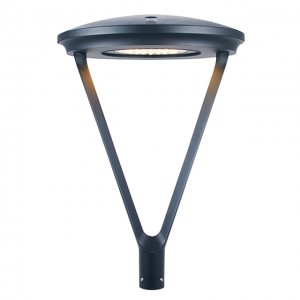
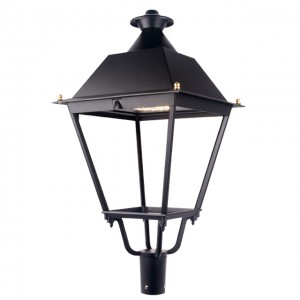
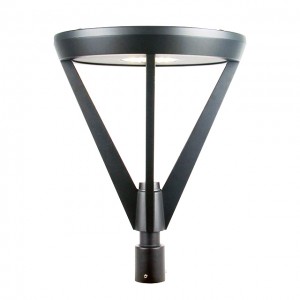
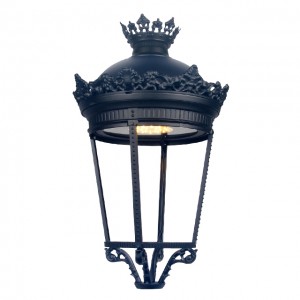
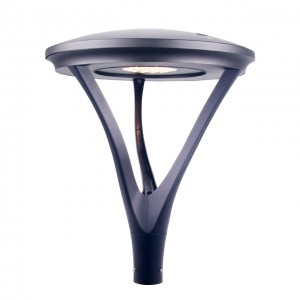
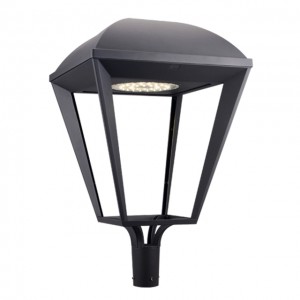
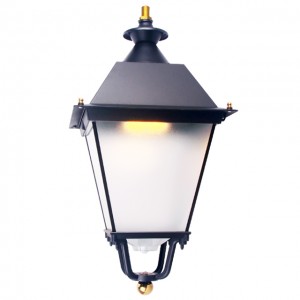
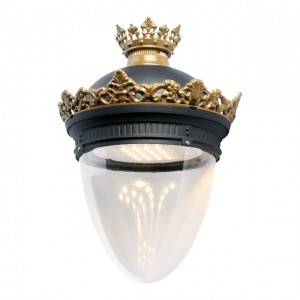
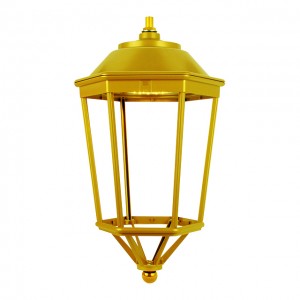
Our current production capabilities allow us to supply a diverse catalog of high-performance fixtures:
Austar has built an outstanding global reputation because our clients know they can depend on our high product quality, short manufacturing lead times, and comprehensive after-sales service.
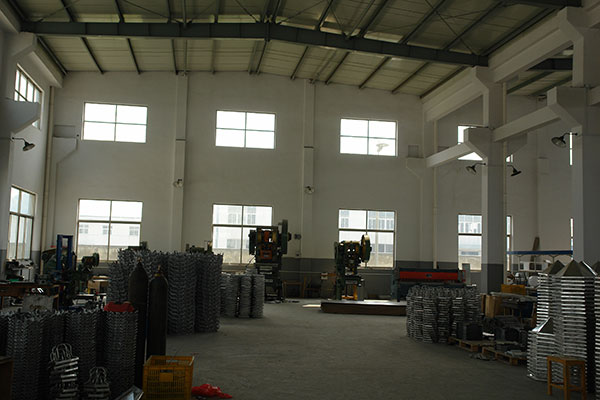
Our production complex features highly specialized machinery to handle metal fabrication, surface treatment, precision assembly, and rigorous verification. This includes 1000T, 700T, and 300T die-casting machines, a fully automated powder spraying line, three assembly lines, and two specialized LED aging lines. For quality assurance, our testing lab runs a spectrum analyzer, darkroom (goniophotometer), IP rating waterproof tester, mechanical shock tester, impact tester, and high/low temperature environmental chambers.
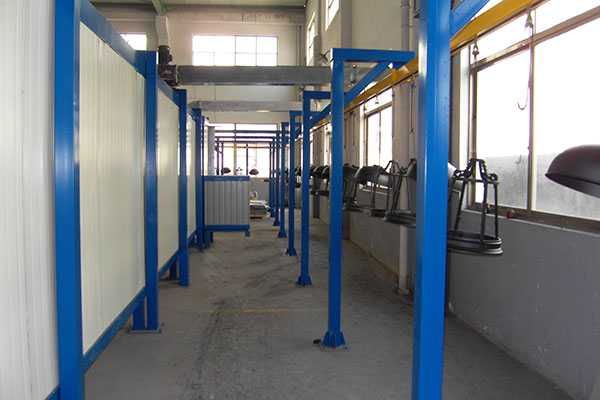
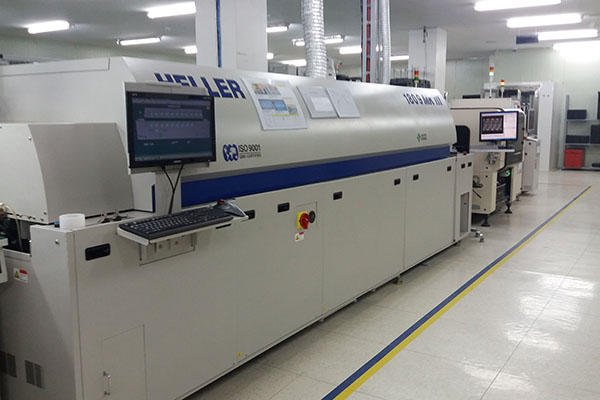
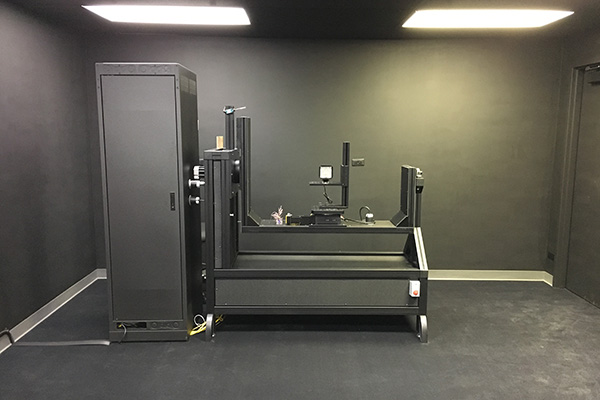
As smart city frameworks evolve, outdoor luminaires are transitioning into multi-functional city nodes. Austar's product development focuses on integrating modular sub-systems designed for Nagoya’s upcoming transit upgrades:
 Austar