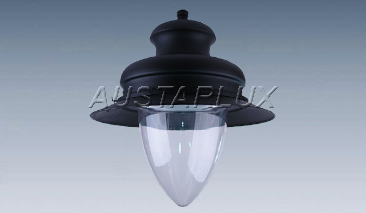
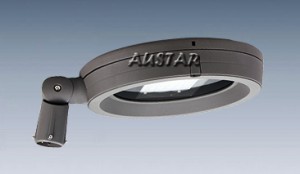
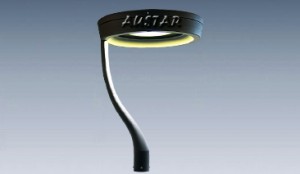
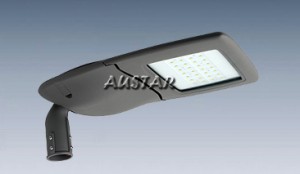
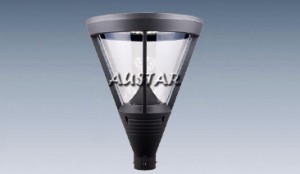
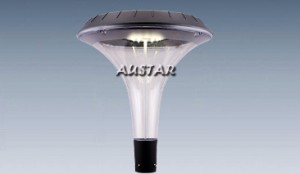
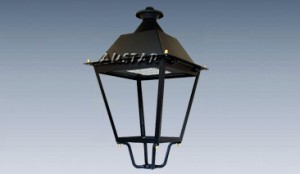
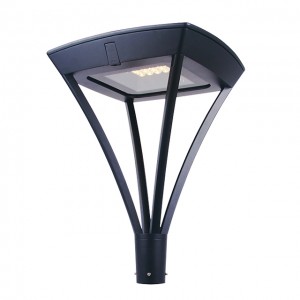
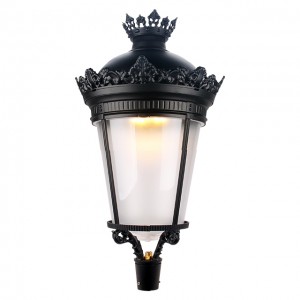
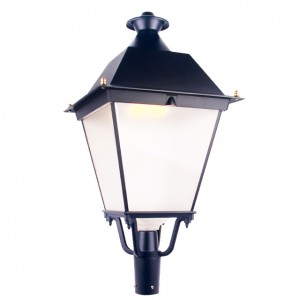
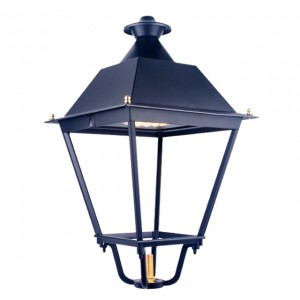
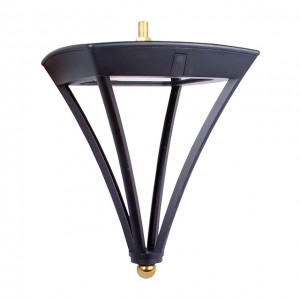
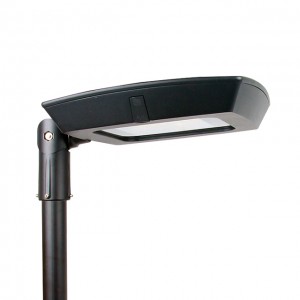
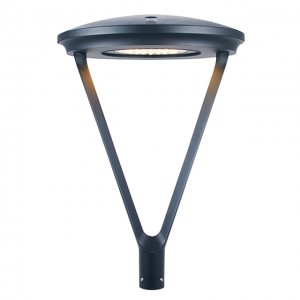
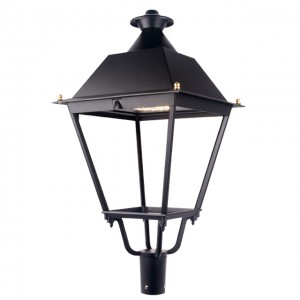
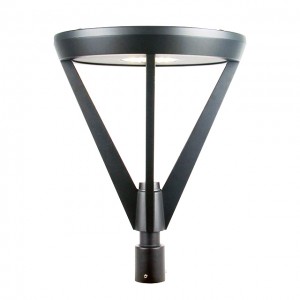
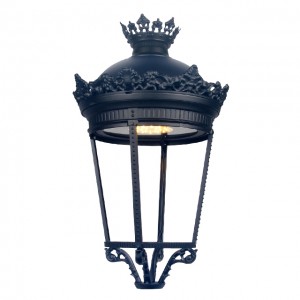
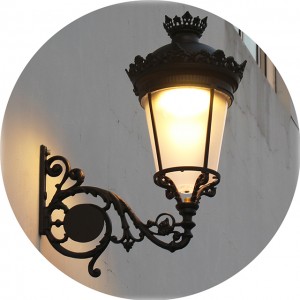
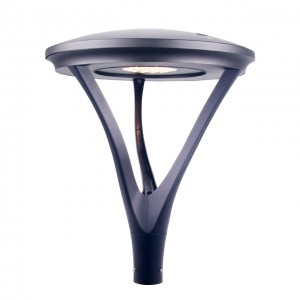
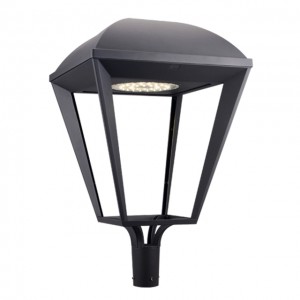
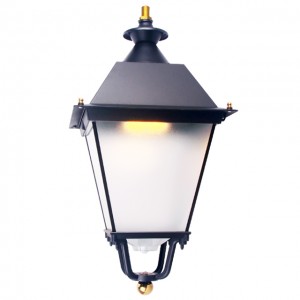
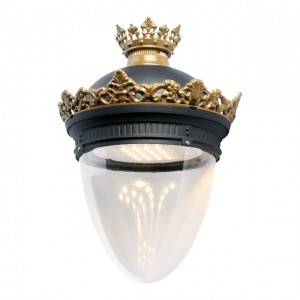
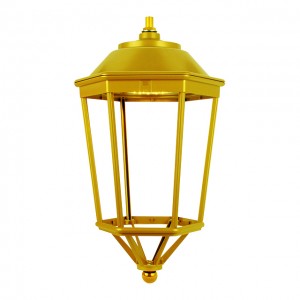
Classical Luminaires Factory & Factories in Philippines

High-End Italian Heritage Aesthetics & Smart Infrastructure Solutions Built for Tropical Resilience

Comprehensive Analysis: The Philippine Architectural Luminaire & Bracket Landscape

The Philippines is undergoing a historic infrastructure renaissance, driven by both private township developments and public sector works under programs like "Build Better More." In this dynamic real estate and infrastructure environment, classical luminaires have transitioned from simple aesthetic selections to vital engineering elements. The country's historical preservation laws (such as Republic Act No. 10066) mandate that heritage districts in cities like Manila (specifically Intramuros and Escolta), Vigan, and Iloilo maintain their original Spanish-colonial visual identities. This requirement intersects with a modern need: retrofitting these spaces with high-performance, energy-efficient LED street lighting systems.

Information Gain: Critical Technical Requirements for Philippine Architectural Projects

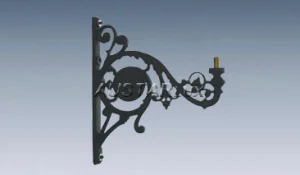
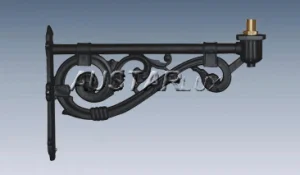
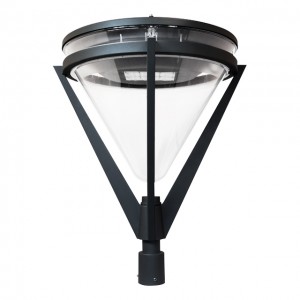
Unlike interior projects, outdoor lighting in the Philippines must survive some of the most aggressive meteorological conditions globally. The archipelago is subject to an average of 20 typhoons per year, extreme ambient humidity (often exceeding 90%), and high salinity from maritime winds. Specifying sub-standard brackets or luminaire housings results in rapid galvanic corrosion, mechanical failure under high wind loads, and electrical short-circuits. High-quality classical street lighting poles, brackets (such as BRK series), and post-top lanterns require specific materials (such as EN AC-47100 or marine-grade die-cast aluminum alloys) alongside specialized surface protection technologies (C5-M class corrosion protection).

Philippine Localized Application Scenarios

To ensure visual consistency and safety across diverse Philippine municipalities, engineers and architects categorize outdoor classical illumination into three main scenarios:

  • Heritage Parks & Tourist Corridors: Pedestrian-focused zones requiring low-glare, warm color temperatures (2700K to 3000K) to replicate the historical gas-lantern look, but integrated with modern asymmetric optics.
  • Urban Coastal Esplanades: Public parks near waterfronts (like the Manila Baywalk or Iloilo Esplanade) where brackets are continuously exposed to saltwater spray. These require double-layer thermosetting powder coating and IP66 sealing.
  • Mixed-Use Commercial Townships: Mega-developments by leading Philippine developers (e.g., Ayala Land, Megaworld, SM Prime) seeking to blend old-world European charm with smart-city elements like NEMA sockets, photodetectors, and motion sensors.
Material Property Sand-Cast Grey Iron (Traditional) Standard Extruded Aluminum High-Pressure Die-Cast Aluminum (Austar Standard)
Wind-Load Resistance (up to 250 km/h) Brittle, high risk of micro-fractures under extreme dynamic stress. Good, but limited complex aerodynamic shapes. Excellent structural integrity and custom aerodynamic profiling.
Corrosion Rate (C5-M Coastal Zones) High; requires frequent painting to prevent red rust. Moderate; subject to pitting corrosion without treatment. Highly resistant; protected by chemical conversion coatings.
Weight Profile Extremely heavy; increases foundation costs. Lightweight; lacks traditional solid feel. Optimized strength-to-weight ratio; reduces pole load.
Aesthetic Versatility Good detail, but rough finish. Poor detail definition for ornate classical designs. Flawless reproduction of complex Italian classical details.

China Industry 4.0: Supply Chain Resilience & Efficiency Advantages

As infrastructure timelines compress, developers in Manila and Cebu cannot afford long lead times or QC failures. Austar Lighting Co., Ltd. represents the pinnacle of Chinese Factory 4.0 manufacturing. Established in 2003 in the industrial powerhouse of Ningbo, China, we operate a 10,000㎡ state-of-the-art facility staffed by over 100 highly skilled personnel. Our annual production capacity exceeds 150,000 sets, allowing us to support large-scale government and private developments smoothly.

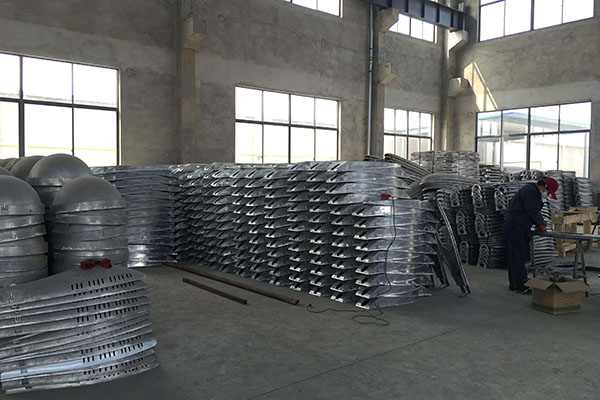
Our partnership with leading Italian lighting designers ensures that every outdoor classical fixture and bracket we manufacture merges European design with heavy-duty durability. We do not simply cast metal; we apply rigorous science to our production. Our factory features 1000T, 700T, and 300T high-pressure die-casting machines, fully automated electro-powder spraying lines, and specialized laboratory environments.

To guarantee performance in high-humidity markets like the Philippines, our quality control includes testing via photoelectric integration systems, salt spray testers (ISO 9227), EMC testing facilities, and specialized LED driver-load aging machines.
20+
Years Experience
150K
Annual Sets
55
Countries Exported
100%
Quality Checked
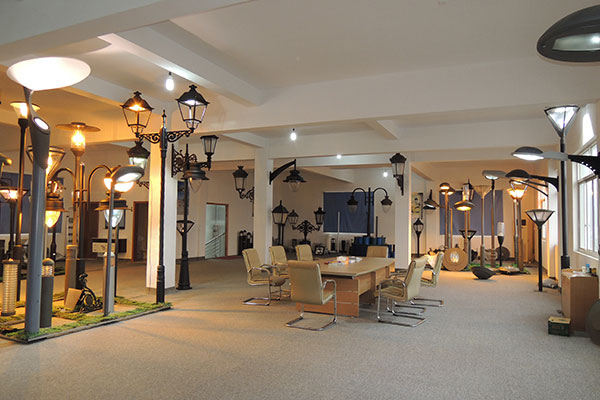
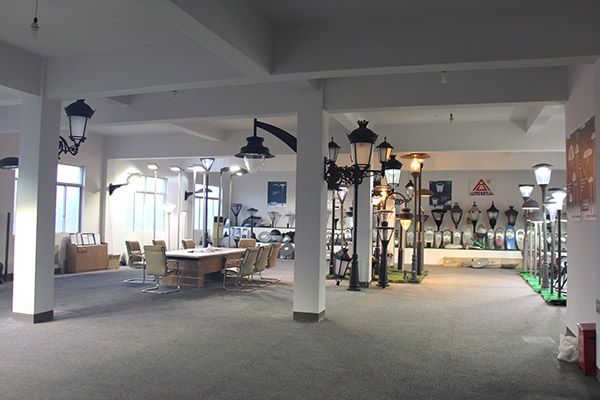
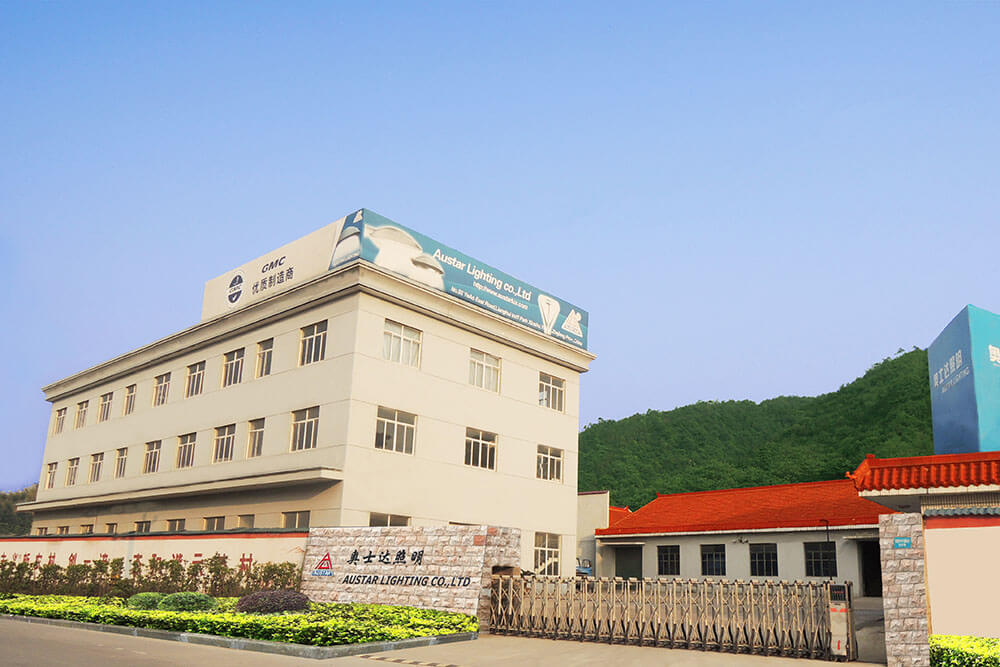
Austar Lighting Factory Headquarters

State-of-the-Art Factory Tour & Machinery

Take a look inside our high-tech Ningbo facility. From precision casting to automated paint-finishing and strict aging tests, we control every step to ensure world-class standards.
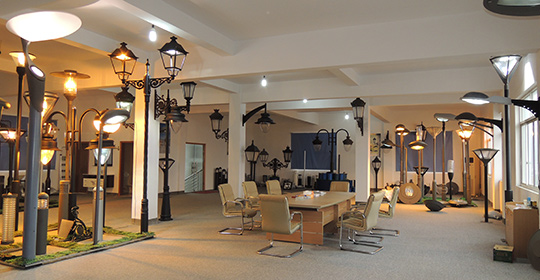
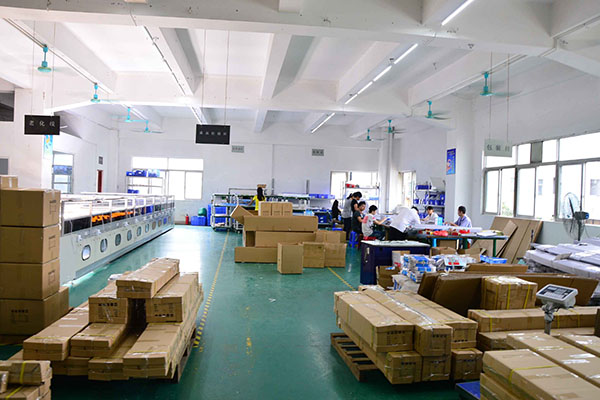
Austar Assembly Line

Advanced Manufacturing Capabilities

Our factory meets ISO9001 and ISO14001 certification requirements. For finished products, we perform 100% inspection based on international guidelines. With in-house mold creation, we can design, model, and assemble completely customized classical luminaires and specialized brackets within just one month.
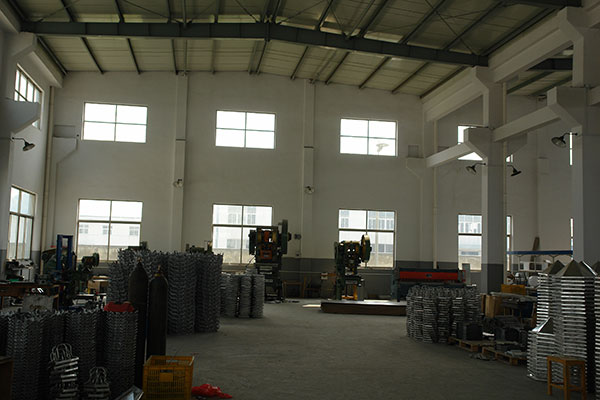
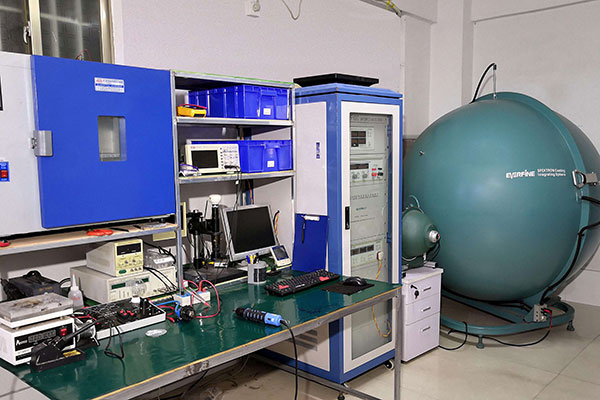
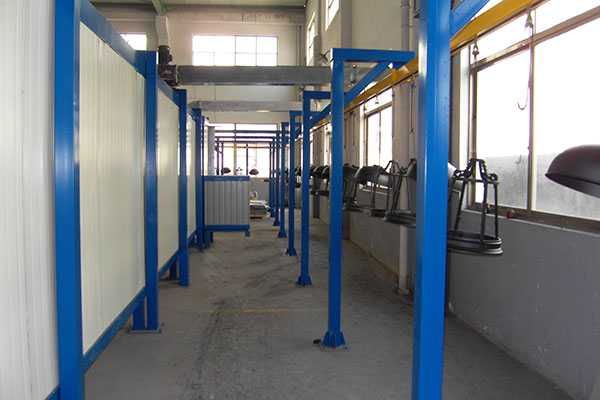
  • Automated Powder Coating: Offers robust UV-resistant protection suited for tropical climates.
  • Die Casting (1000T / 700T / 300T): Allows us to manufacture structural items that withstand intense wind pressure.
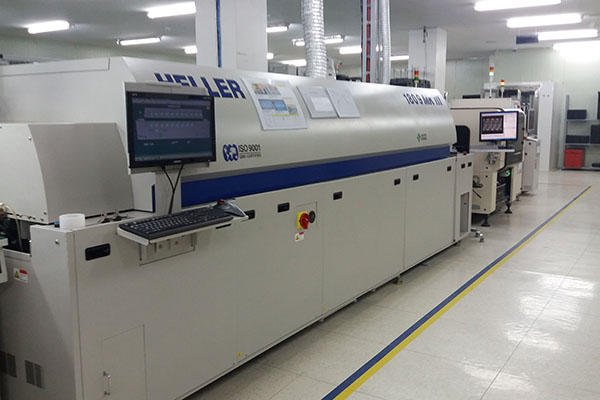
  • LED Aging Lines: Every batch undergoes full thermal and electrical load testing to prevent field failures.
Precision Molding Stage
High Pressure Die Casting Area
Machining & CNC Finishing
Chemical Treatment & Surface Cleaning
Electrostatic Coating Chamber
Assembly & Quality Check Stations
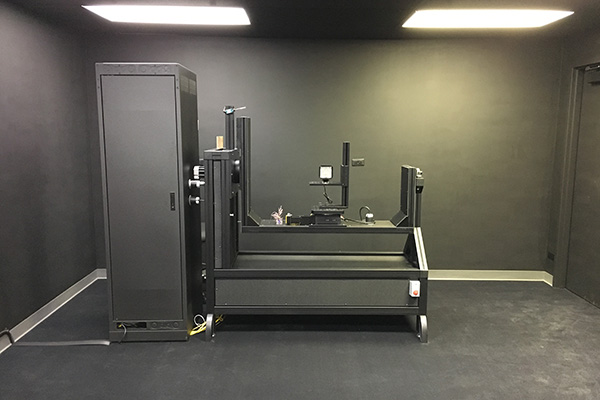
Photometric Testing Darkroom
Environmental Simulation Chambers
Logistics Center Ready for Export

Watch Our Production Line in Action

Global Corporate Procurement & Technical Requirements

B2B buyers, municipal engineers, and multinational procurement organizations operate under strict performance frameworks. When sourcing classical luminaires and decorative mounting systems, projects require compliance with major international standards to ensure durability, photometric efficiency, and electrical safety.

Key Compliance Certifications Explained

  • ENEC (European Norms Electrical Certification): Confirms that our luminaires comply with European safety standards (EN 60598 series). This is a vital mark of safety and component reliability for global tenders.
  • CB Scheme (IECEE): Facilitates the mutual recognition of safety test reports for electrical equipment globally. Austar’s products carry CB certificates, simplifying local compliance procedures in the Philippines (via the Bureau of Product Standards - BPS).
  • CE & LVD (Low Voltage Directive): Ensures that our electronic drivers, surges, and electrical layouts prevent electrical shocks and protect against short circuits.
  • IP66 Sealing: Crucial for tropical environments. The IP66 rating guarantees that dust cannot enter the housing, and that water projected in powerful jets against the enclosure from any direction will have no harmful effects.
  • IK08/IK09 Impact Resistance: Our housings and polycarbonate/glass optics are engineered to withstand physical impacts from road debris, vandalism, and falling tree branches during tropical storms.

Custom OEM/ODM Project Delivery Timelines

One of Austar's key strengths is our rapid prototyping and custom mold engineering. When working on heritage restoration projects, off-the-shelf brackets rarely fit the existing historical stone pillars or cast-iron utility poles. Our engineering team can develop custom components based on pictures, architectural sketches, or physical samples:

  • Design & 3D Prototyping: Completed within 7 to 10 working days, including wind-load simulation.
  • Tooling & Mold Production: Complete cast molds are manufactured within 30 days.
  • Sample Delivery: Initial samples are cast, powder-coated, assembled with drivers, and shipped via air transport within 5 to 7 days for local inspection.

Frequently Asked Questions

Everything you need to know about our custom classical luminaire manufacturing, logistics, and technical specifications for the Philippine market.

How long does it take to receive a response after sending an inquiry?
We reply within 12 hours on workdays. For technical questions or customized design requests, our engineers will join the discussion to provide structural assessments.
Are you a manufacturer or a commercial trading company?
We are a manufacturer. We operate both a specialized luminaire factory and a dedicated lamp post/bracket casting plant in Ningbo, China. We manage our own export operations directly, ensuring competitive pricing and clear communication.
What products do you manufacture?
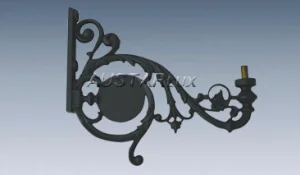
We specialize in outdoor LED street lights, classical garden lamps, post-top lanterns, architectural wall lights, decorative lighting poles, and specialized brackets (e.g., BRK series).
What are the primary applications for your lighting fixtures?
Our products are designed for public streets, bridges, heritage parks, urban esplanades, commercial developments, warehouses, and shipping terminals.
Can you manufacture custom designs?
Yes. We can design and manufacture components based on customer drawings, CAD files, or physical reference samples.
What is your factory’s annual capacity?
Our 10,000㎡ plant is equipped with 1000T, 700T, and 300T die-casting machinery, an automated powder coating line, three assembly lines, and two LED aging lines. Our annual output of luminaires and poles reaches 150,000 sets.
How do you ensure product quality?
We hold ISO9001 and ISO14001 certifications. We perform quality checks at each stage of production and carry out a 100% inspection on every finished lot based on international standards. Our testing equipment includes spectrum analyzers, a photometric darkroom, waterproof testing devices, impact testers, and high/low temperature chambers.
How many technicians and engineers do you employ?
We have a team of approximately 100 people, including 10 specialized technicians and 5 senior structural and optical engineers.
What payment terms do you offer?
We offer FOB, CIF, CFR, and other standard terms. For mass production orders, we require a 30% deposit, with the remaining balance due against the copy of the Bill of Lading (B/L). We accept T/T and L/C payment methods.
How are products shipped to the Philippines?
We typically ship by sea. Our factory is located near the Port of Ningbo, which offers direct routes to Manila, Cebu, and Davao. For urgent samples or components, air freight can be arranged.
Where do you source your luminaire designs?
Our designs are developed by our in-house engineering team in partnership with Italian lighting designers. We also design and manufacture all of our casting molds in-house.
How quickly can you develop a new fixture design?
We can design and produce a new prototype fixture within one month.
Which ports are closest to your factory?
The Port of Ningbo and the Port of Shanghai are our primary sea gateways. The closest airports are Ningbo Lishe International Airport and Hangzhou Xiaoshan International Airport.

Ready to Engineer Your Philippine Lighting Project?

Get in touch with our engineering and sales teams to request a customized quotation, obtain catalog details, or request design drafts for your historical or smart-city developments.

Send Inquiry Now