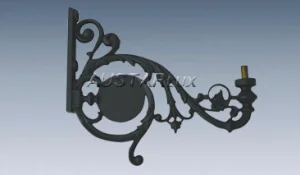
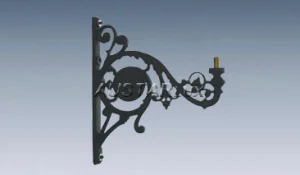
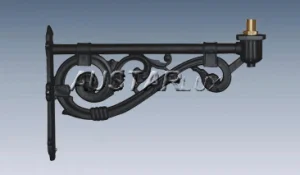
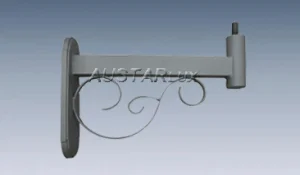
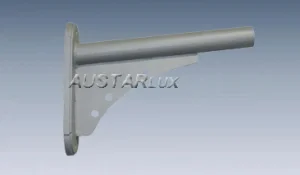
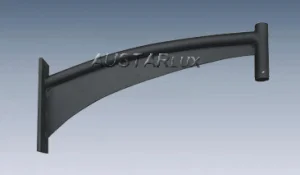
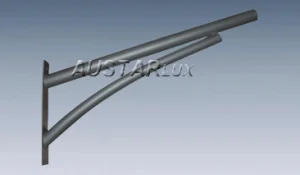
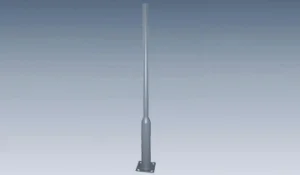
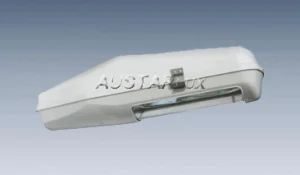
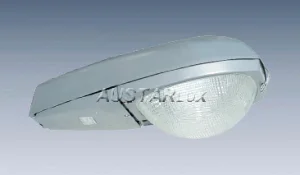
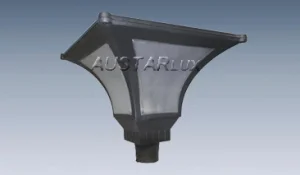
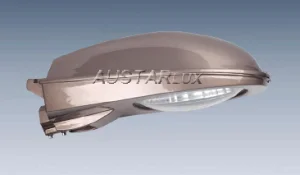
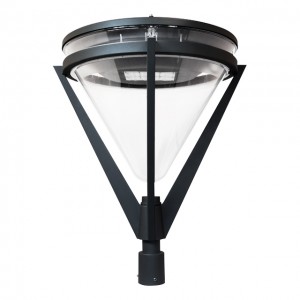
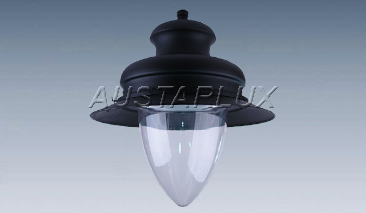
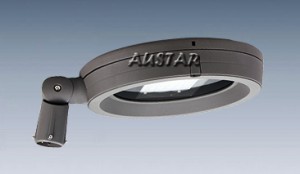
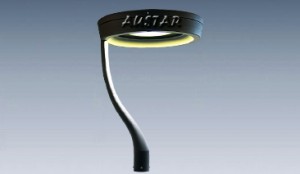
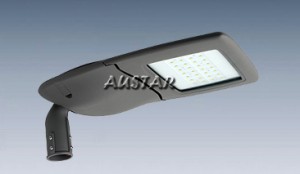
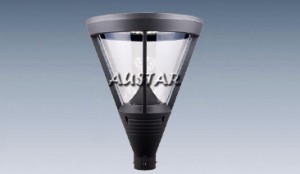
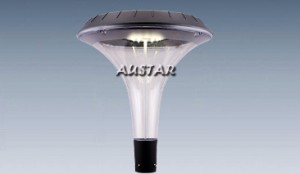
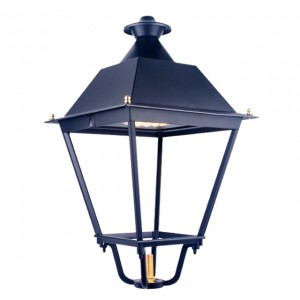
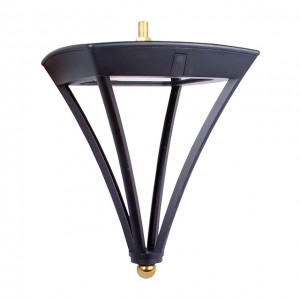
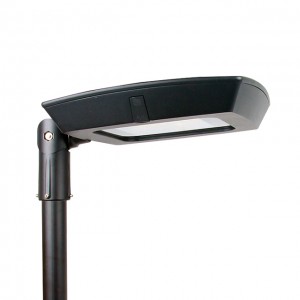
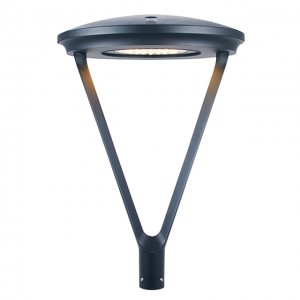
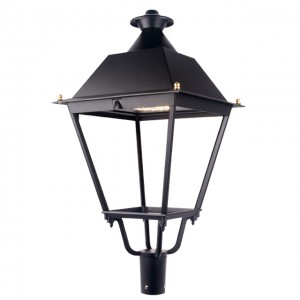
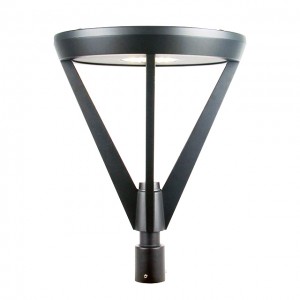
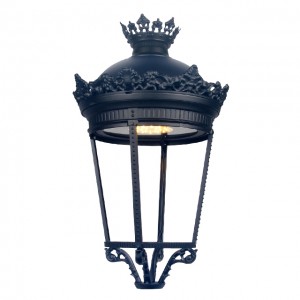
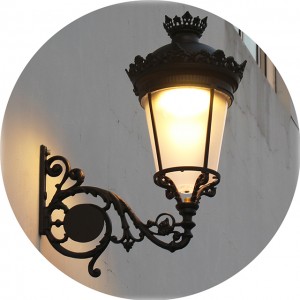
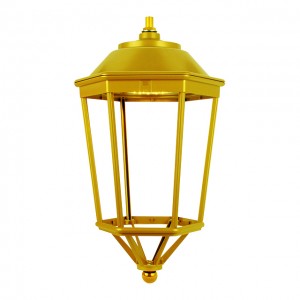
Engineered for Germany's municipal infrastructures, structural building frameworks, and Smart City retrofits.
An In-Depth Engineering & Procurement Analysis of Urban Infrastructure Mounting Systems
In the modern landscape of civil engineering and urban development, the mechanical bracket serves as a critical nexus point for structural integrity, utility distribution, and smart city architectures. In Berlin, a region characterized by its strict alignment with Eurocodes, DIN standards, and the European Union's structural execution regulations (such as EN 1090-2), procurement of these components is subject to intense technical scrutiny. Berlin's transition towards decentralized smart grid lighting, advanced transit systems (including the expansion of the S-Bahn and U-Bahn infrastructures), and renewable building integration requires mounting hardware that is not simply supportive, but is mathematically validated against high wind loads, corrosive elements, and dynamic stress vectors.
Historically, the Berlin metropolitan area has relied on a mix of local sheet metal fabrication houses and global supply loops to source structural mounts. However, as the complexity of public works increases, the demand has shifted toward systems that integrate high-precision die-casting (specifically utilizing aluminum alloys like ADC12 and EN AC-44300) with hot-dip galvanized structural steel (S235 and S355). This technical paper evaluates the current industrial market for brackets in Berlin, highlights the dynamic synergy between local European specifications and high-scale manufacturing hubs, and outlines the physical metrics essential for selecting long-term urban bracket assemblies.
Selecting the appropriate metallurgical substrate is primary to securing urban fixtures for a designed 25-to-50-year lifecycle. The industry classifies brackets based on three core manufacturing technologies:
Furthermore, protective surface treatments must comply with DIN EN ISO 1461 for hot-dip galvanizing, prescribing minimum coating thicknesses (typically 55 to 85 microns depending on substrate thickness) to ensure resistance to the salt-spray testing procedures defined under ISO 9227.
For light pole and camera bracket design in Berlin (Wind Zone 2), brackets must withstand characteristic wind speeds up to 25 m/s. Calculations must account for the projected surface area (EPA), drag coefficient (Cx), and the lever arm distance of the mounted device to avoid structural shear failure at the weld joints.
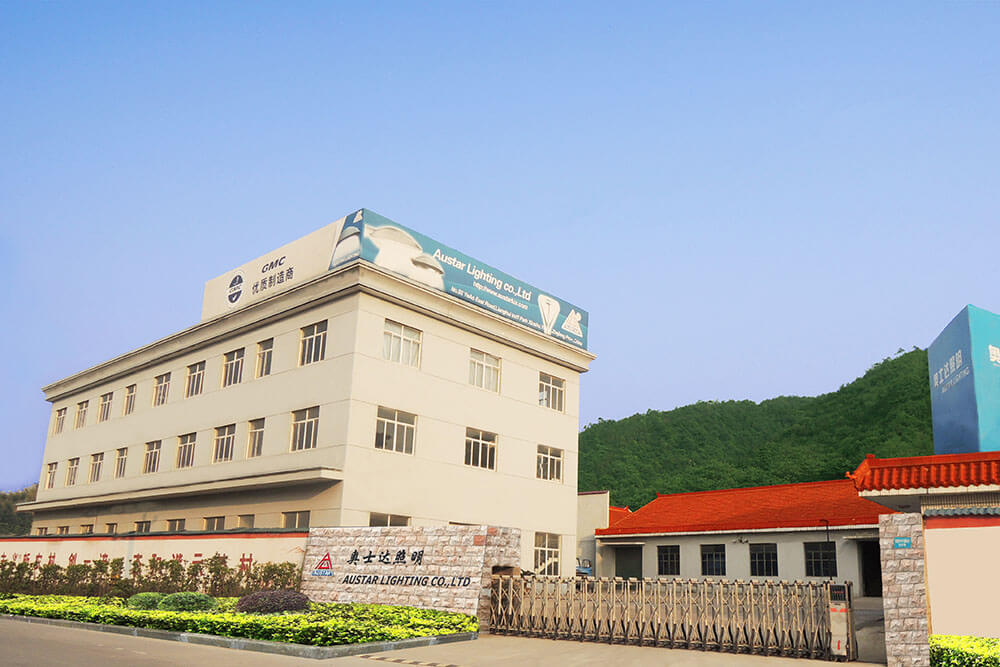
To maintain competitiveness in large-scale municipal tenders, global procurement departments utilize a hybridized structural model: European design refinement coupled with advanced, large-scale production facilities in Ningbo, China. Austar Lighting Co., Ltd. exemplifies this approach. Established in 2003 and operating a 10,000㎡ state-of-the-art production facility, Austar utilizes automated 1000T, 700T, and 300T die-casting machinery, fully integrated automated spray lines, and dedicated LED driver-load aging systems.
This dual-hemisphere structure bridges the gap between design flexibility and raw manufacturing efficiency. By collaborating with top-tier Italian lighting designers, Austar infuses aesthetic innovation with heavy industrial utility. The result is a production line capable of generating over 150,000 sets annually, exporting to 55 countries and regions under strict ISO9001-14000 quality management. By using sophisticated checking equipment (such as photoelectric integrating systems, salt spray testers, and EMC chambers), the manufacturing cost efficiency of China's industrial clusters directly benefits Berlin’s infrastructure projects without sacrificing safety or compliance.
Located in the lighting manufacturing hub of Ningbo, Austar operates vertical production lines featuring raw die-casting, CNC machining, automated pretreatment, and electrostatic powder coating. This setup enables rapid custom tool development (often within 30 days) to match bespoke architectural drawings submitted by Berlin planning offices.
Every municipal fixture and mounting arm undergoes rigorous verification, ensuring 100% compliance with international standards, backed by certified laboratories for ENEC, CB, CE, and LVD.
Within Berlin's urban planning frameworks, specialized bracket mounting configurations are utilized across key application profiles:
The bracket manufacturing sector is transitioning from standard catalog configurations to smart structural units. Generative AI design algorithms allow engineers to optimize metal thickness and geometry based on simulated stress points, reducing total raw material weight while keeping structural integrity intact.
Additionally, circular metallurgy is steering factories toward the use of 100% recycled aluminum alloys, significantly decreasing the product's embedded carbon footprint to meet the strict public procurement guidelines mandated by Germany’s Federal Environment Agency (Umweltbundesamt).
Under the hood of Austar's Ningbo production hub: advanced die-casting and precision engineering.
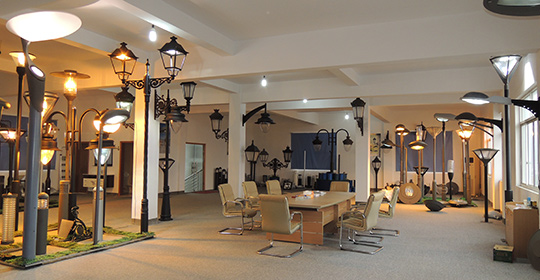
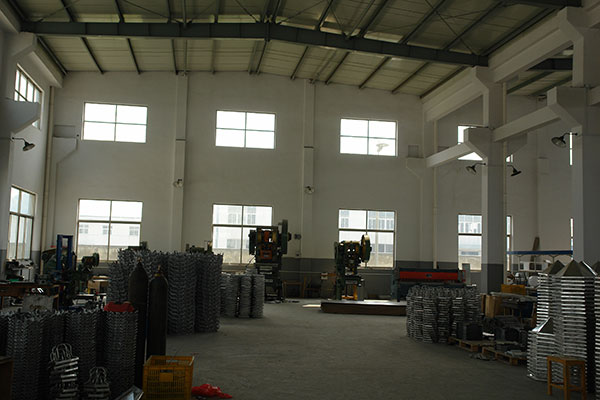
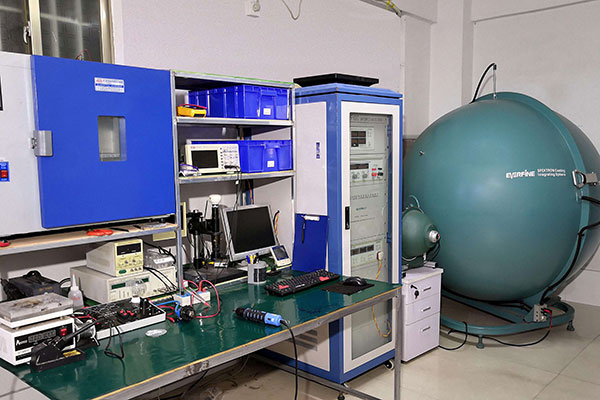
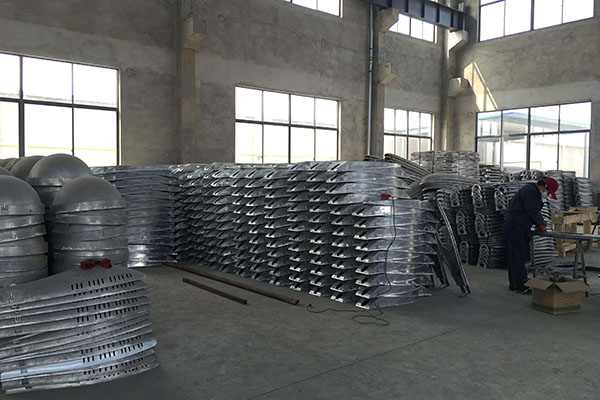
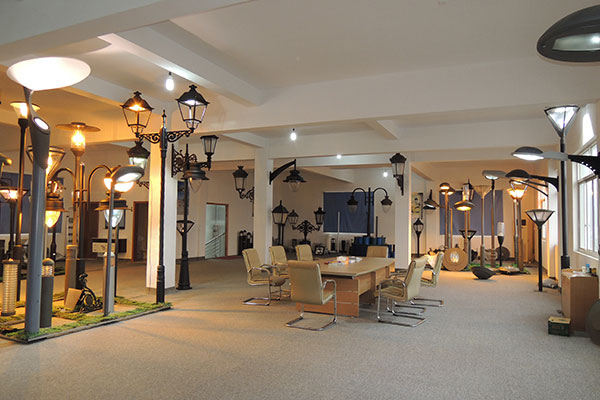
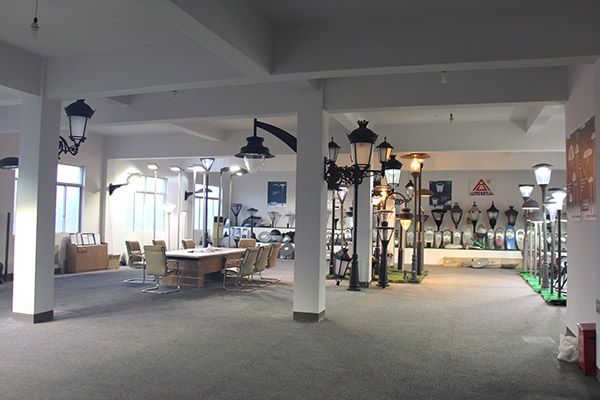
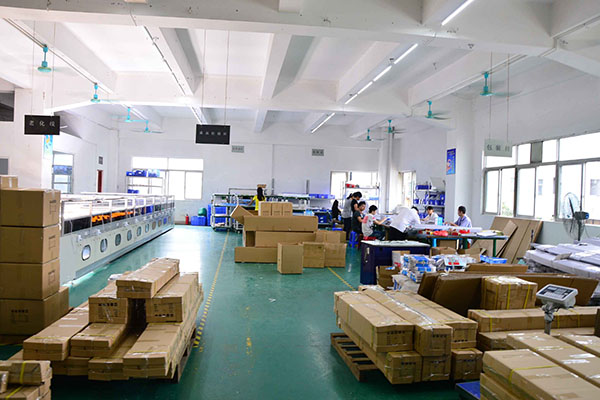
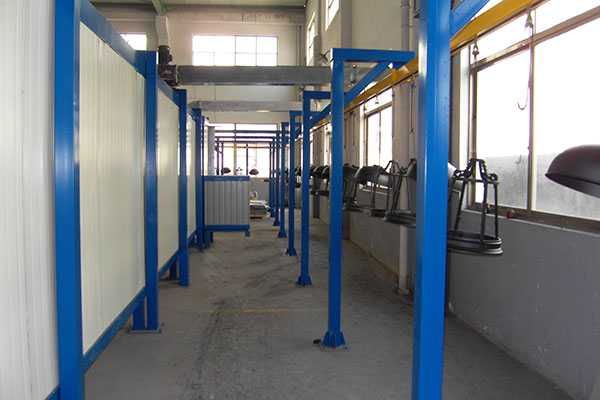
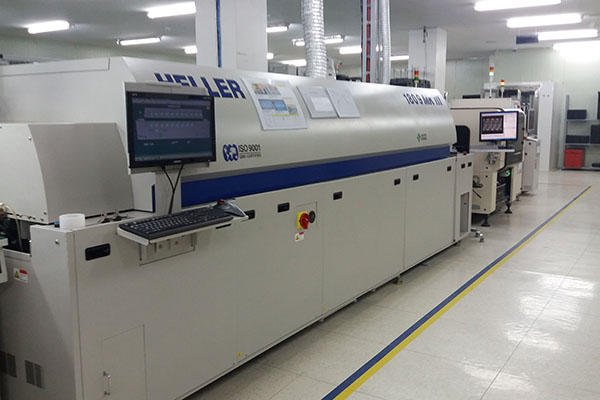
Watch our complete manufacturing sequence, from design modeling and precision die-casting to stress validation and logistics.
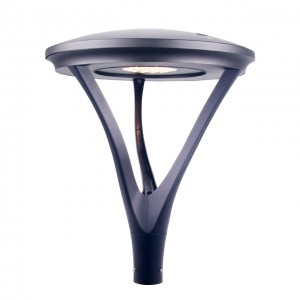
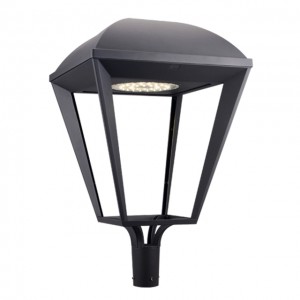
Precision luminaire integration systems designed to meet German DIN EN 60598 and municipal guidelines.
Ancillary adapters, bracket columns, and specialty utility fixtures.
Classic and modern design parameters integrated with advanced engineering frameworks.
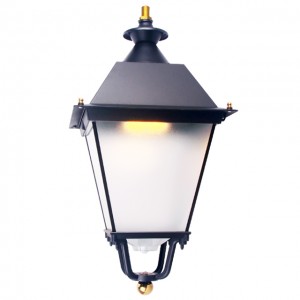
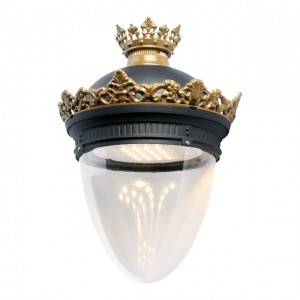
Classic design profiles integrated with modern mechanical requirements for heritage areas.
Technical answers regarding materials, logistics, customization capabilities, and compliance standards.
 Austar