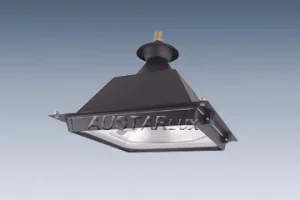
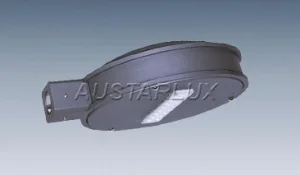
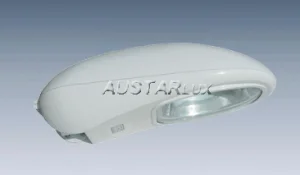
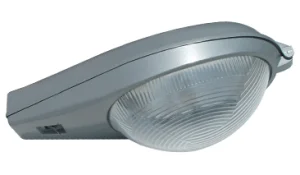
Municipal infrastructure is undergoing a generation-defining paradigm shift. The integration of solid-state LED systems and intelligent sensory arrays has transformed standard outdoor lighting into the nervous system of modern smart cities.
Historically, municipal roadway lighting relied heavily on High-Intensity Discharge (HID), High-Pressure Sodium (HPS), and Metal Halide lamps. While these conventional technologies provided sufficient raw lumens, their massive energy consumption, high harmonic distortion, and short lifespans placed a significant operational strain on city maintenance budgets. Modern roadway illumination demand has transitioned entirely toward high-precision light-emitting diodes (LEDs) optimized for precise photometrical delivery.
Today's smart roadway installations act as multi-sensor hubs. By utilizing integrated NEMA or Zhaga receptacles, outdoor luminaires are no longer simple power loads. They are critical nodes housing ambient sensors, traffic management cameras, air quality monitors, and 5G cellular communication small-cells. As a global procurement authority, choosing the right supplier means evaluating how their products accommodate these rapidly changing communication modules, environmental stresses, and electronic load constraints.
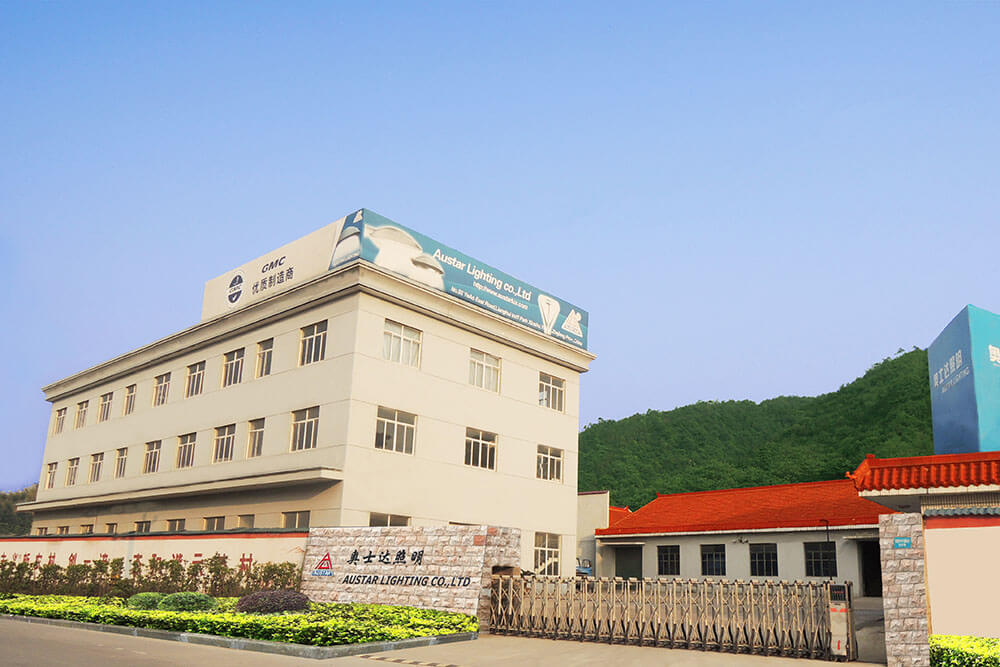
The absolute dominance of China-based manufacturers in the lighting sector is not simply due to pricing, but rather the density of specialized localized supply chains, technical innovation, and advanced material logistics.
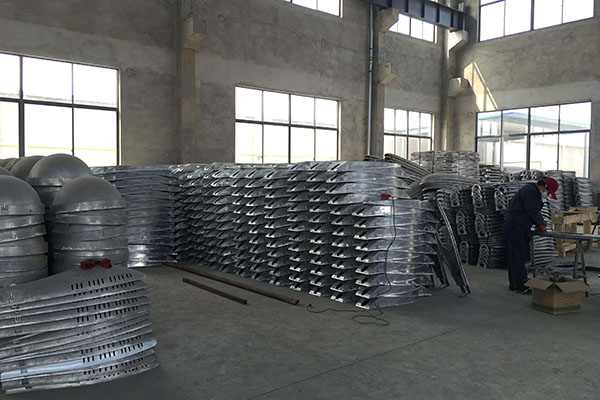
Our facility in Ningbo, Zhejiang Province, sits at the heart of the world's most advanced lighting engineering clusters. Access to localized aluminum die-casting refineries, precision mold manufacturers, and automated PCB assembly centers enables rapid prototyping and production scale. This geographic integration minimizes material transit times and maximizes cost efficiencies that are passed directly to municipal buyers.
Thermal dissipation is the primary factor dictating the performance lifetime of high-power LED systems. By utilizing raw high-purity aluminum alloys and advanced aerodynamic convection fin layouts, Chinese factories ensure junction temperatures remain well below critical thresholds (usually < 65°C), protecting driver boards and individual diodes from lumen degradation.
Austar Lighting bridges local manufacturing power with Western design aesthetics through long-standing collaborations with Italian industrial lighting designers. This results in architectural structures that fit beautifully into historic European centers and contemporary North American highways alike, ensuring compliance with both local aesthetic codes and structural load safety standards.
"Selecting a supplier that commands a direct, localized vertical integration (from raw die-cast tooling to photoelectric verification) significantly reduces long-term operational liabilities. Austar's localized Ningbo infrastructure guarantees exactly this degree of oversight."
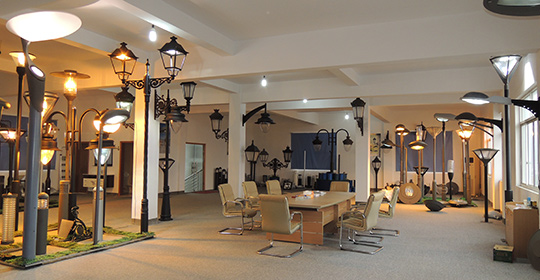
For municipal authorities, highway concessions, and commercial developers, procuring roadway luminaires requires stringent conformance to safety and performance certifications. A mistake in driver protection ratings or structural testing can lead to catastrophic public safety liabilities and massive recall costs.
Ensure your chosen products carry ENEC, CB, CE, and LVD certifications. These verify that the luminaire has been independently tested for safety, EMC compliance, and performance longevity under sustained operation.
Roadway environments demand high dust and liquid resistance. Our luminaires are engineered to IP66 standards, alongside IK08/IK10 mechanical impact protection, ensuring physical durability against environmental debris and acts of vandalism.
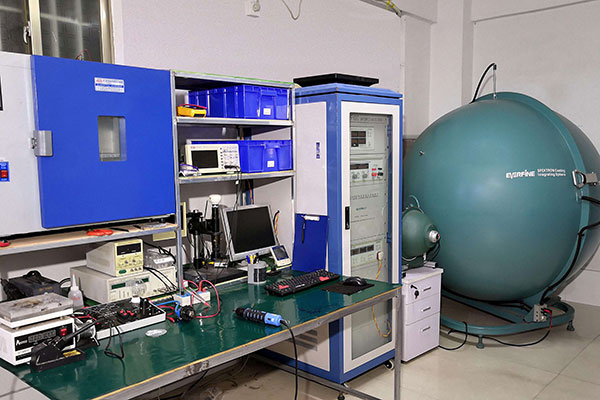
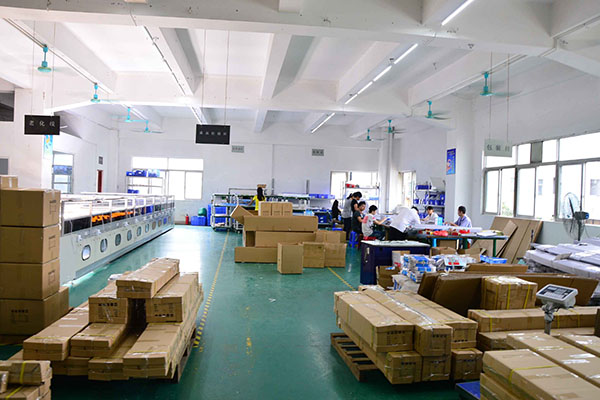
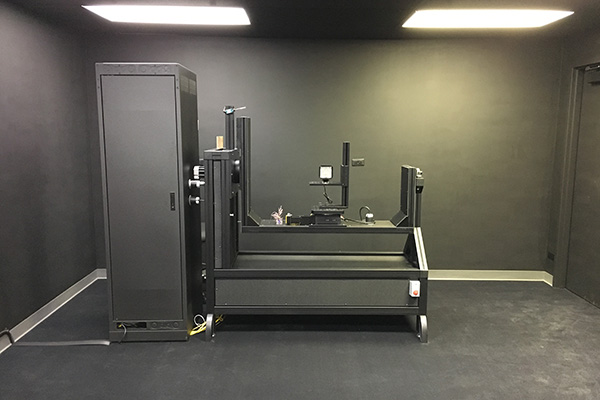
Every batch of drivers and diodes at Austar undergoes comprehensive aging tests, salt spray corrosion testing, and high/low temperature cycles in our in-house ISO9001-14000 verified laboratories.
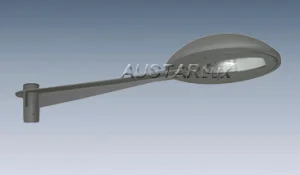
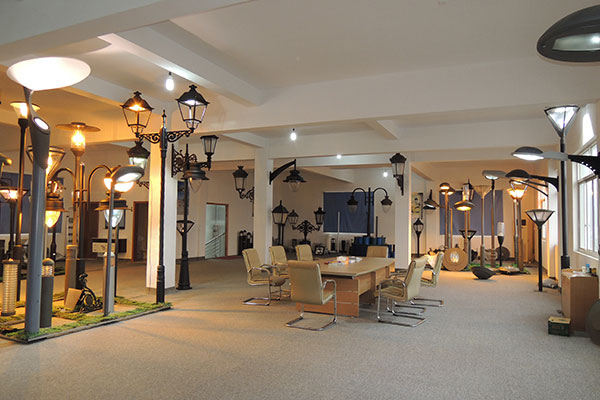
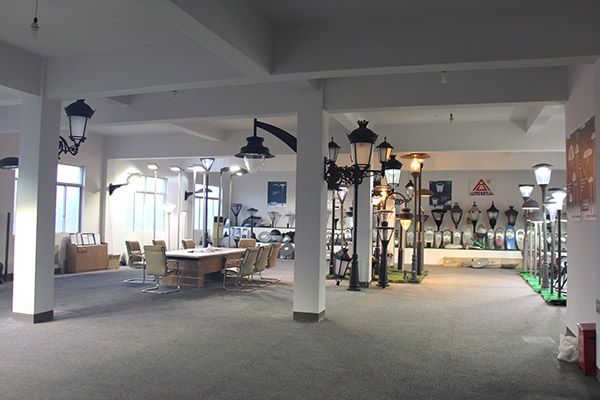
Lighting is highly contextual. A multi-lane highway has vastly different optic distribution demands compared to a historic European alleyway. Our comprehensive catalogue addresses these complex lighting tasks with dedicated sub-series.
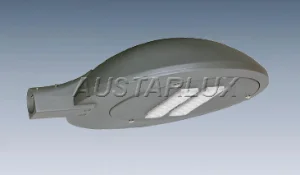
Requires asymmetric optics (Type II and Type III distributions) with high lumen packages and minimal glare. Glare index control is paramount to guarantee drivers have clear visibility and zero optical fatigue at high travel speeds.
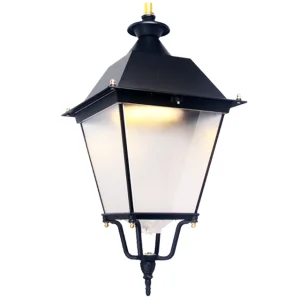
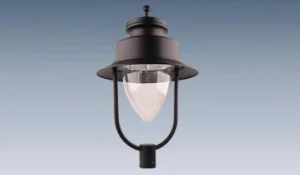
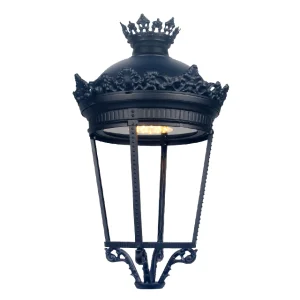
Historic cities require lighting solutions that respect traditional architecture. Our Classical Street Lighting and Fernandino Spanish/European series pair ornate classic outer casings with modern, ultra-efficient LED cores.
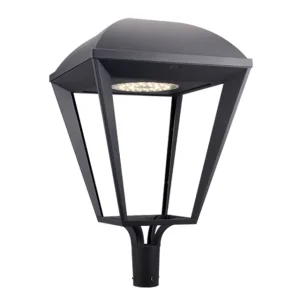
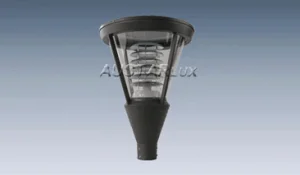
Focus shifts toward visual comfort, low mounting heights, and warm color temperatures (2700K - 3000K). Solutions like our Villa Valberg Urban Amenity Series prioritize neighborhood harmony and Dark Sky compliance to eliminate light pollution.
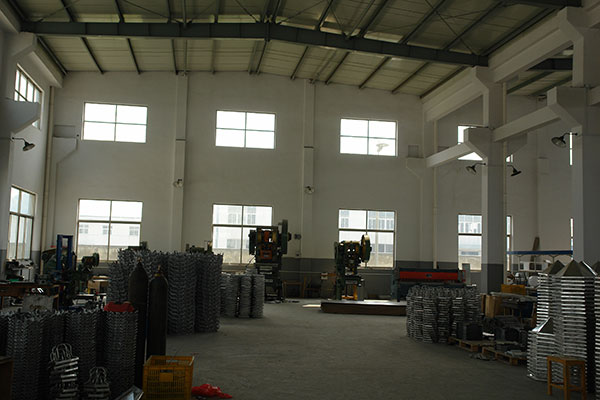
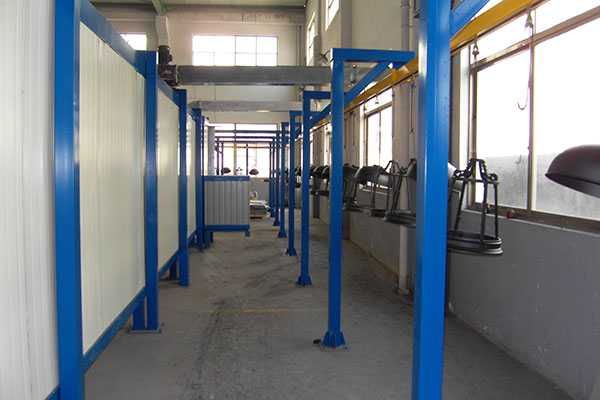
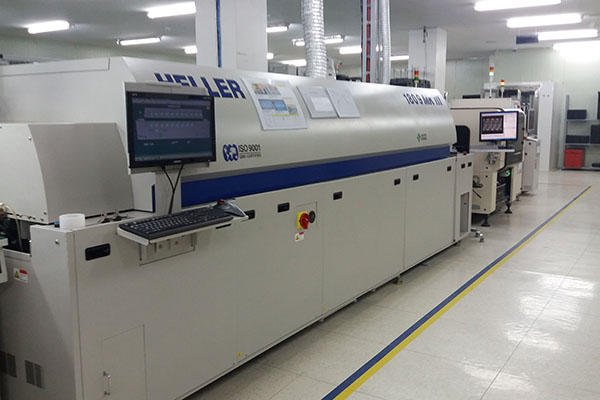
Spanning 10,000 square meters of manufacturing space, the Austar manufacturing base houses the entire lifecycle of outdoor luminaires, ensuring total oversight from raw aluminum ingots to finished, sealed optical fixtures.
Practical advice and engineering feedback for infrastructure designers, procurement officers, and engineering leads.
Get instant access to detailed photometric files, certification test reports, and factory direct container pricing. Our team of optical engineers will respond within 24 hours.
Contact Our Engineering Office
 Austar