 Austar
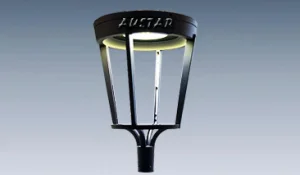
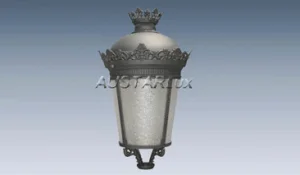
Whitepaper: Industrial Standardizations of IP66 and IK10 Municipal Street Lighting
Urbanization, population expansion, and the rise of smart city architectures have transformed public road networks from basic paths into critical, high-tech environments. To ensure long-term functionality, municipal lighting must withstand environmental wear and physical impact. For bulk importers, civil engineering firms, and municipal procurement directors, choosing IP66 and IK10 certified street lights is crucial for maintaining durability, keeping operational costs low, and ensuring public safety.
1. The Technical Paradigm of IP66 and IK10 Classifications
Standard municipal luminaires face constant exposure to physical and environmental hazards. In modern lighting engineering, IP66 (Ingress Protection) and IK10 (Impact Protection) are essential certifications that define a fixture's resistance to debris, water, and mechanical force.
- IP66 Rating Explained: The first digit "6" represents complete dust-tight construction, preventing any solid particulates or fine dust from entering the optical chamber. The second digit "6" indicates protection against high-pressure water jets (100 kPa from a 12.5mm nozzle at a distance of 3 meters) from any direction. This makes it ideal for areas prone to heavy rain, typhoons, and coastal fog.
- IK10 Rating Explained: Defined under IEC 62262, the IK10 rating indicates protection against 20 Joules of mechanical impact. This is equivalent to dropping a 5.0 kg steel mass from a height of 400 mm directly onto the housing. It provides strong resistance against vandalism, accidental impacts, and falling debris in high-density urban areas.
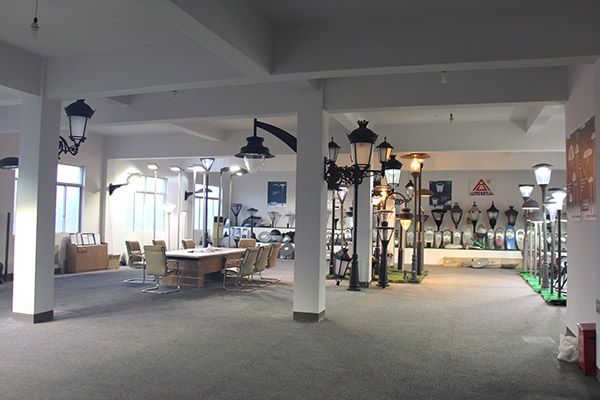
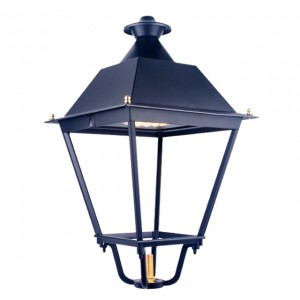
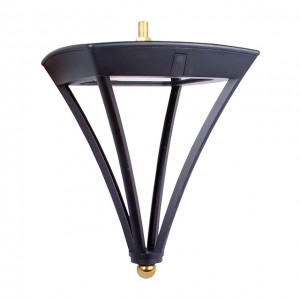
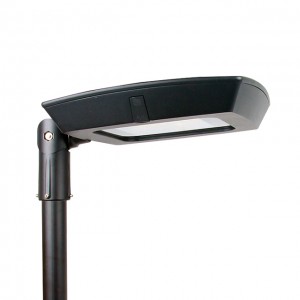
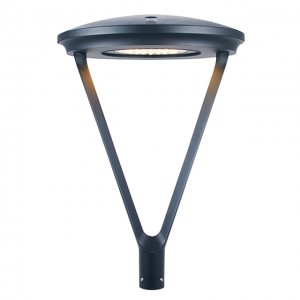
By using premium die-cast aluminum alloys (ADC12) combined with tempered glass lenses and specialized silicone gasket seals, Austar Lighting ensures that our entire street light portfolio meets these structural requirements. This prevents water leaks, optical clouding, and housing failures over a long service life.
2. Global Market Demands and Municipal Procurement Trends
B2B procurement has shifted from simply comparing upfront costs to analyzing the **Total Cost of Ownership (TCO)** and **Information Gain** on product performance. Modern buyers require street lights that deliver high energy efficiency along with structural durability. Standard specifications now call for at least **140 lm/W to 160 lm/W** system efficacy, combined with robust protection ratings, to lower energy use and minimize maintenance visits.
In Europe and North America, strict environmental policies mandate the reduction of light pollution (Dark Sky compliance) and the use of sustainable, recyclable materials. Austar’s partnership with Italian lighting designers allows us to blend high-tech optical engineering with sleek, modern designs that match modern urban spaces. Additionally, the integration of smart IoT sockets (such as NEMA 3-pin, 5-pin, or 7-pin, and Zhaga Book 18 interfaces) allows cities to easily upgrade to smart lighting networks in the future.
3. Macro Industry Solutions for Diverse Environments
Austar’s IP66 and IK10 luminaires are built for reliable performance across a range of challenging environments:
- High-Speed Expressways & Highways: High wind loads and constant vibration from heavy traffic demand strong mechanical structures. Our double-clamp poles and impact-resistant housings prevent vibration fatigue and optical misalignment.
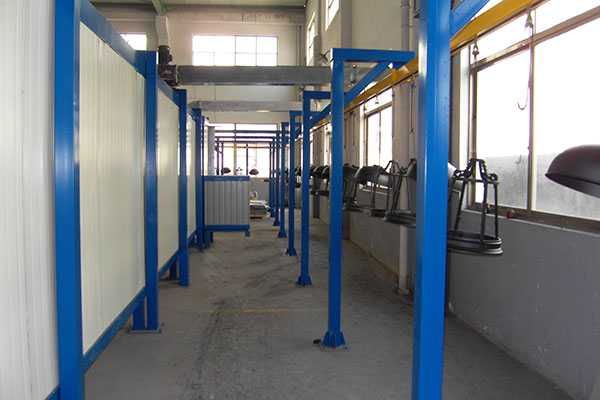
- Extreme Coastal Regions: Marine salt spray can quickly corrode standard aluminum. Austar applies multi-layer anti-corrosion powders tested under ASTM B117 salt spray standards, ensuring long-lasting performance in coastal areas.
- Vandalism-Prone Urban Centers: In high-activity urban areas, parkways, and public squares, our IK10 impact-resistant tempered glass and reinforced polycarbonate optics protect fixtures from vandalism and physical damage.