Engineered for high wind load compliance and structural endurance across the Greater Toronto Area (GTA).
The City of Toronto, with its extensive network of over 1,500 parks and public green spaces including High Park, Trinity Bellwoods, and the revitalized Toronto Waterfront, demands robust and high-performing lighting infrastructures. Municipal lighting here goes far beyond simple nocturnal illumination; it plays an integral role in the city's TransformTO Net Zero Strategy. Selecting an optimal park lighting supplier involves strict alignment with municipal performance criteria.
Urban design guidelines in Ontario emphasize pedestrian security, visual comfort, and dark-sky preservation. The deployment of commercial-grade LED fixtures must address challenges such as high seasonal temperature differentials (ranging from winter lows of -30°C to summer peaks of +35°C), corrosive road-salt mist near major transit arteries, and high humidity from Lake Ontario.
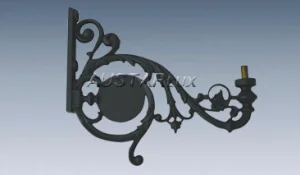
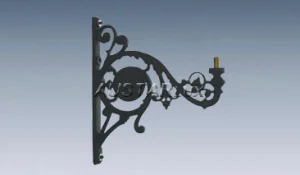
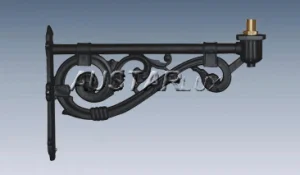
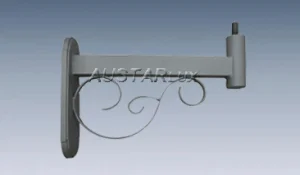
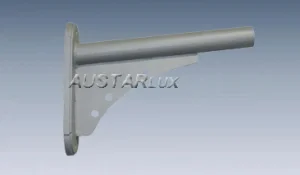
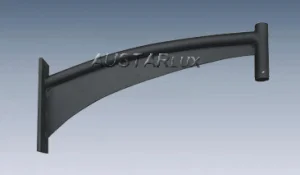
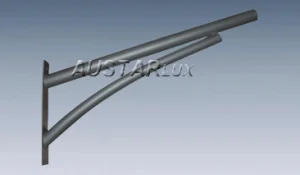
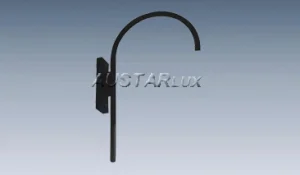
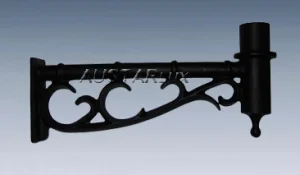
For engineering firms, urban landscape architects, and municipal procurement officers, the selection criteria for brackets (such as the BRK series) and luminaires revolve around structural reliability. Every post-top bracket and fixture must comply with the Ontario Building Code (OBC) concerning structural wind load limits, ensuring safe operation during severe wind and ice storm events typical of Southern Ontario winters.
When specifying street and park lighting in Toronto, the bracket system is the critical mechanical link between the vertical support column and the optical engine. A failure in bracket design leads to safety hazards and increased municipal liability. Professional engineers look closely at:
How Austar Lighting integrates design innovation, rapid tooling, and rigorous QC to support global municipal systems.
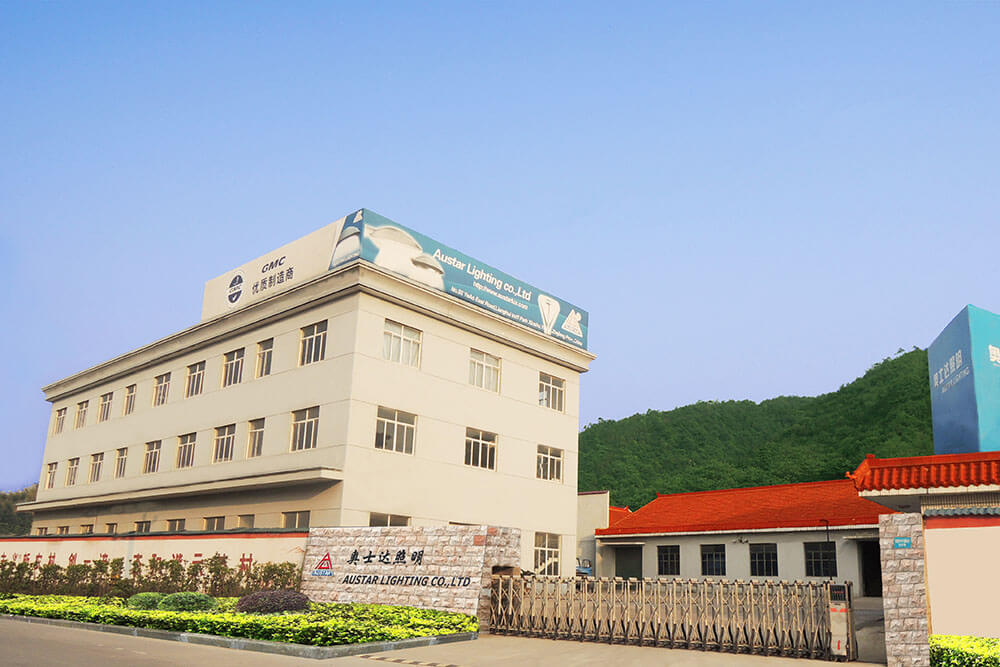
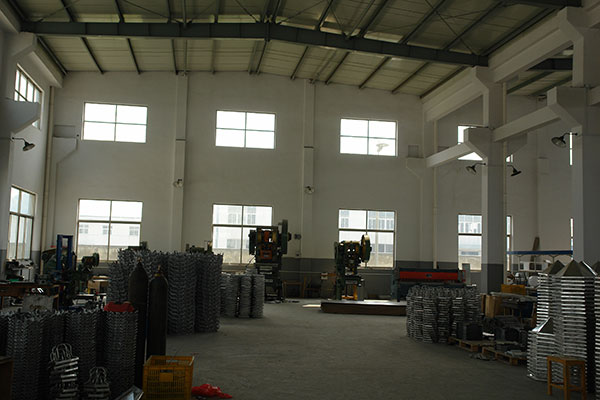
Based in the manufacturing hub of Ningbo, China, Austar Lighting Co., Ltd. represents the standard of modern Industry 4.0 integration. Established in 2003, our 10,000㎡ production facility is equipped with automated die-casting chambers featuring 1000T, 700T, and 300T cold-chamber machines. This range of equipment allows us to cast heavy-duty street lighting frames and brackets with high precision, eliminating internal micro-voids and structural weaknesses.
By collaborating directly with Italian industrial lighting designers, we bridge the gap between elegant European styling and high-volume, cost-effective manufacturing. With an annual production capacity exceeding 150,000 units, we serve municipal and private procurement networks across 55 countries and regions, including extensive exports to Europe, the United States, and Canada.
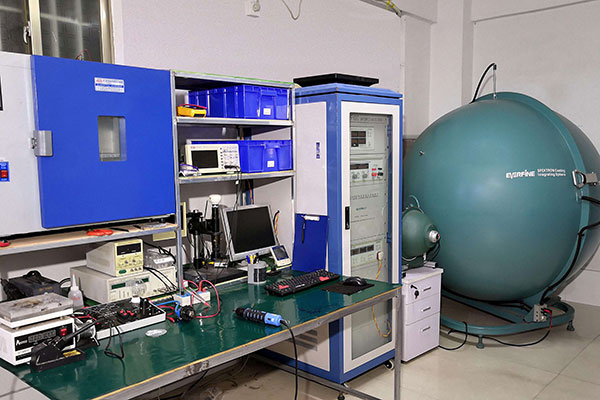
Our manufacturing philosophy focuses on engineering precision. To ensure performance in regions like Southern Ontario, our products undergo comprehensive quality screening. Our testing protocols include:
Established Year
Production Facility Area
Annual Units Produced
Exporting Countries & Regions
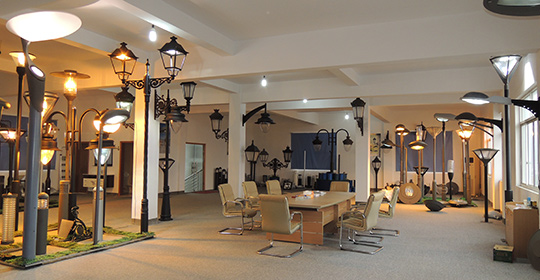
A look inside our production facilities, testing centers, and die-casting shops in Ningbo.
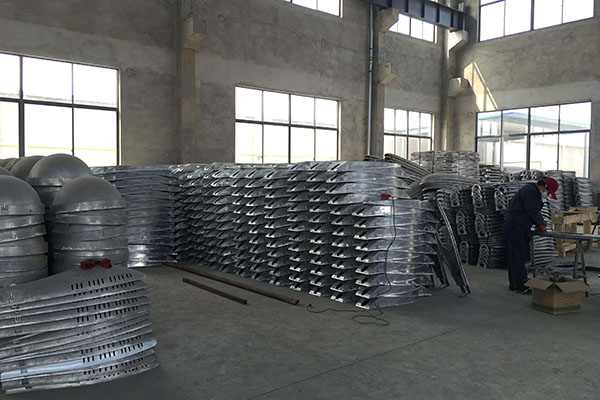
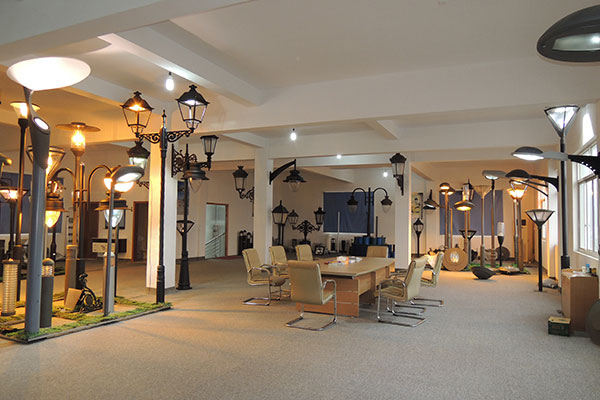
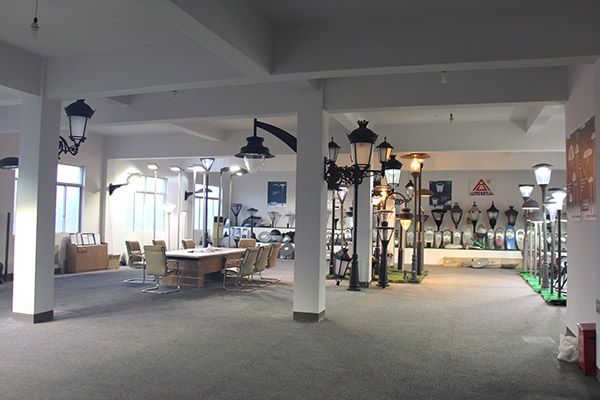
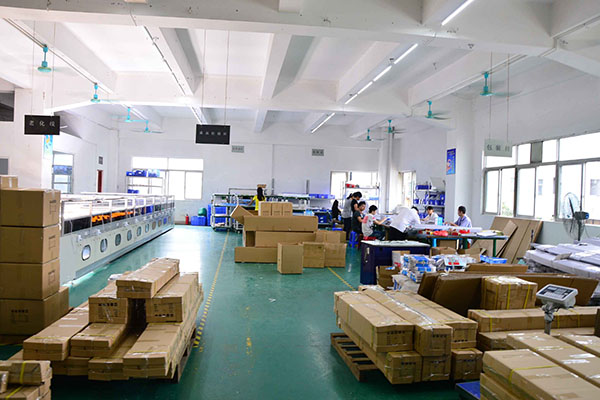
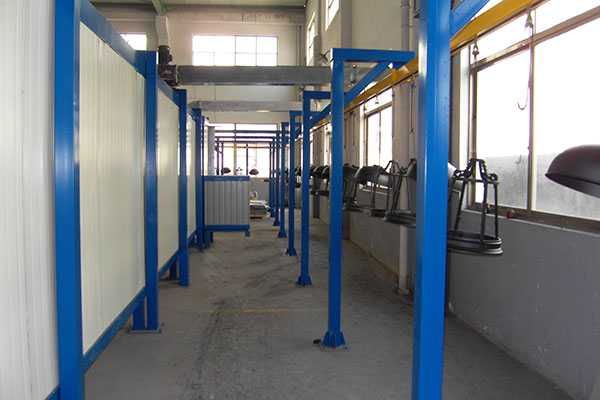
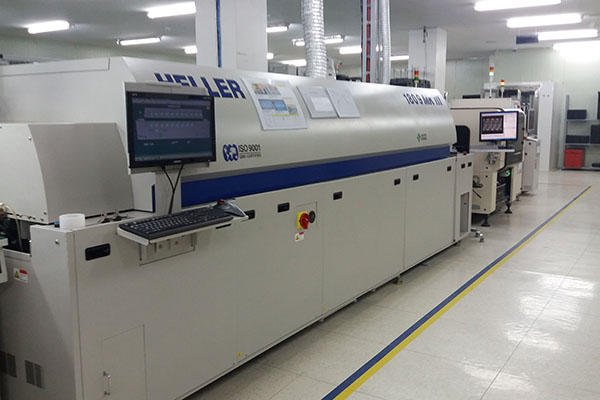
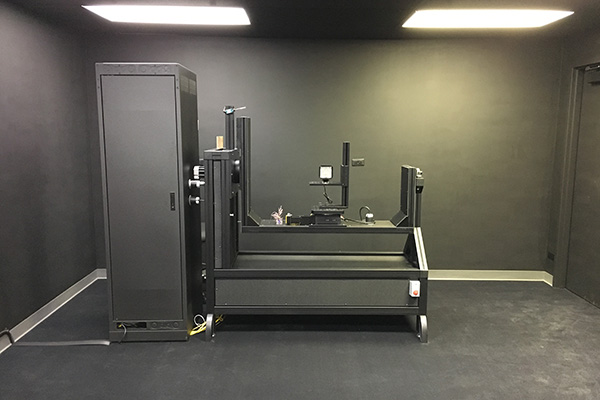
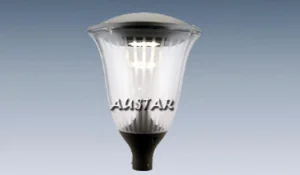
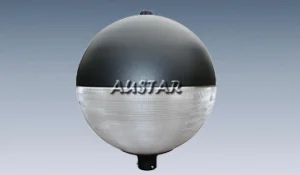
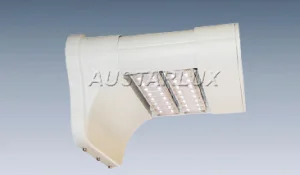
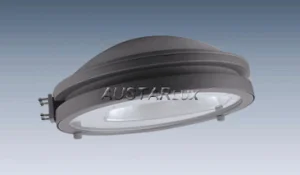
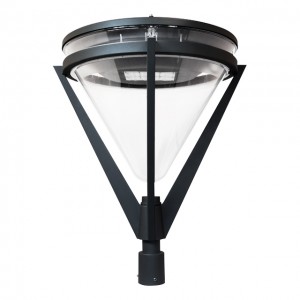
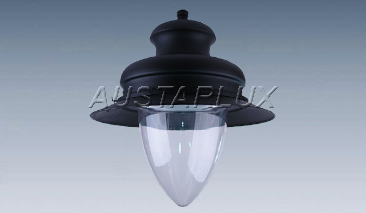
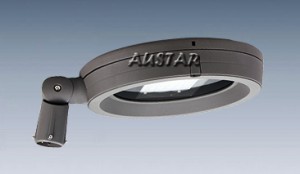
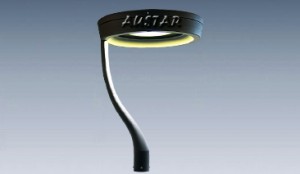
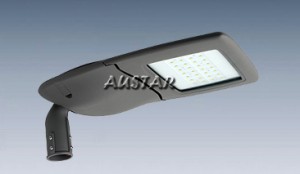
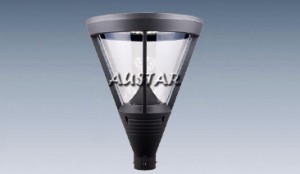
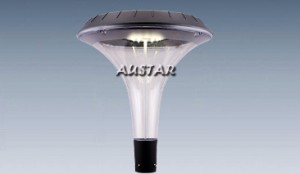
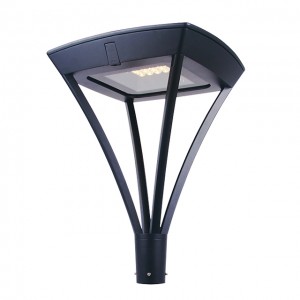
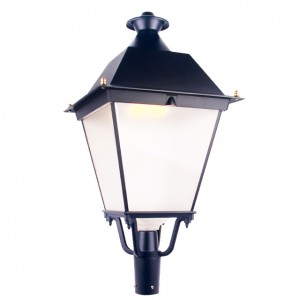
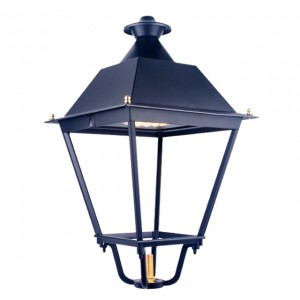
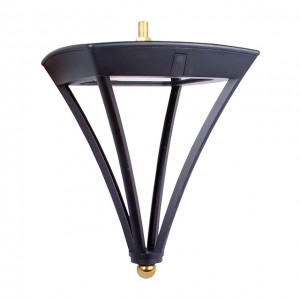
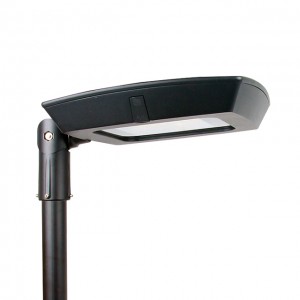
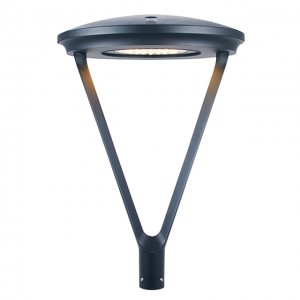
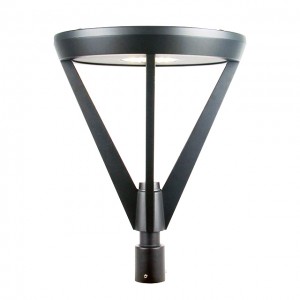
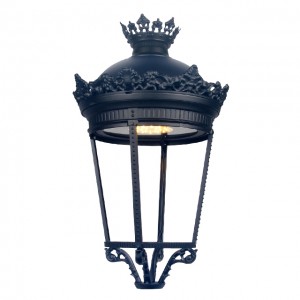
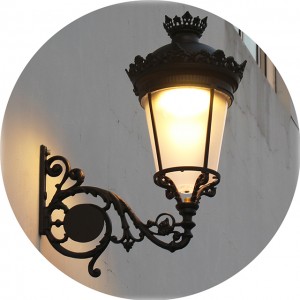
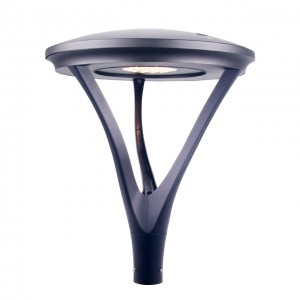
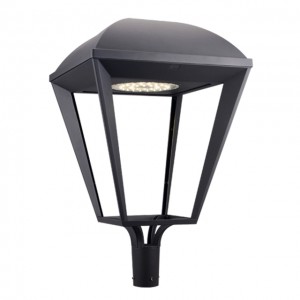
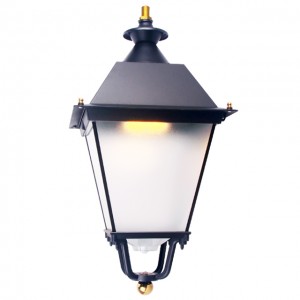
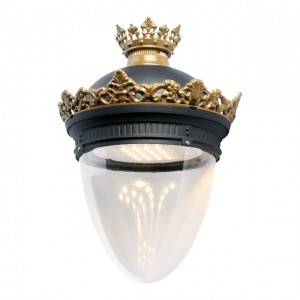
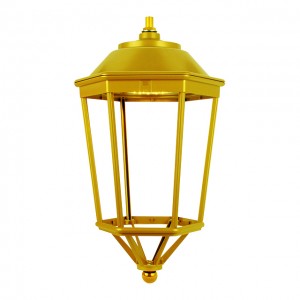
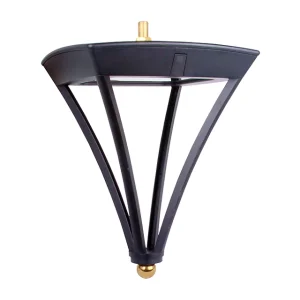
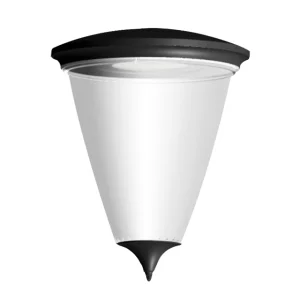
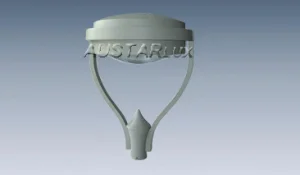
Architectural bracket fittings and heavy-duty urban luminaires built for municipal configurations.
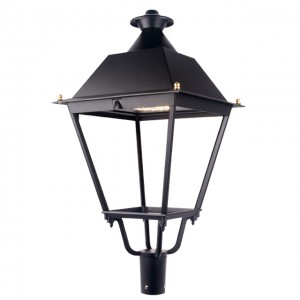
Effective lighting design requires selecting fixtures tailored to specific architectural context and urban density. For the Toronto market, we focus on four primary application profiles:
As cities globally transition into smart nodes, public lighting systems are becoming multi-functional infrastructure assets. Our R&D focuses on incorporating NEMA and Zhaga standard receptacles directly into luminaire designs. This allows municipal operators to integrate smart photodetectors, motion sensors, and wireless IoT transceivers for real-time monitoring and adaptive dimming.
At the same time, dark-sky compliance remains a major focus. Excessive light spill disrupts nocturnal ecosystems and wastes energy. By using precision-molded PMMA lenses, our luminaires direct light downward, maintaining a Backlight-Uplight-Glare (BUG) rating of U0 or U1. This helps minimize atmospheric light pollution while directing illumination precisely where it is needed on the ground.
Cooperating with Italian industrial lighting designers, we maintain an innovative product catalog exported globally.
Take an interactive tour inside our production processes and automated assembly operations.
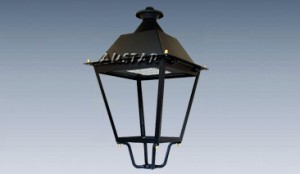
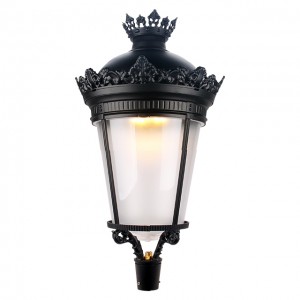
Classical aesthetics combined with modern LED technology for historic streets and public plazas.
Detailed technical, shipping, and commercial information for engineers and sourcing managers.
We guarantee a comprehensive technical reply within 12 hours on business days.
We operate integrated manufacturing assets, including a dedicated lamp factory and a separate steel/aluminum lamp post and bracket production factory. We manage our own export operations directly from Ningbo, China.
We produce outdoor LED street lights, LED garden lamps, post-top luminaires, mounting brackets, architectural wall lights, and structural garden light poles.
Our products are installed globally across streets, public highways, pedestrian bridges, municipal parks, industrial warehouses, and commercial shipping docks.
Yes, we specialize in OEM/ODM development. We can manufacture components and full assemblies based on engineering drawings, 3D CAD files, or physical reference samples.
Our facility covers 10,000㎡ and houses cold-chamber die-casting machines (1000T, 700T, and 300T capacities), an automated powder coating line, three assembly lines, and two dedicated LED burn-in aging lines. Our annual output exceeds 150,000 sets.
We operate under a strict ISO9001-14000 quality management system. In addition to in-process inspections, 100% of finished products undergo standard testing. Our labs feature a spectrum analyzer, darkroom goniophotometer, waterproof ingress testing equipment, mechanical shock and impact testers, and thermal cycling chambers.
We quote FOB, CIF, or CNF. Standard payment terms are a 30% deposit via T/T, with the remaining balance due against the B/L copy. L/C is also accepted. Shipments are processed via Ningbo or Shanghai ports, with air freight options available for urgent projects.
Our in-house design and engineering team can develop new mold configurations and produce functional prototypes within 30 days.
Explore our structural bracket configurations and post-top mounting components.
 Austar