Area Lights are becoming essential for safer streets, warehouses, campuses, ports, and commercial sites. Their value is practical: broad coverage, controlled glare, reliable operation, and manageable energy use.
The International Energy Agency reports that lighting represents about 15% of global electricity consumption. The U.S. Department of Energy also projects that solid-state lighting could deliver major energy savings as LED adoption expands. These figures explain why global buyers are examining more than price. They are comparing optical performance, thermal design, surge protection, warranty support, and documented testing.
China remains a major production center for Area Lights. Its manufacturers offer diverse housings, LED packages, photocells, smart controls, and project-specific beam distributions. However, factory capability is not always obvious from a polished website. A bright sample can still produce uneven lux levels across a parking lot. A low quoted price can hide weak drivers or unclear replacement policies.
Lighting designer Richard Kelly is widely credited with saying, “Light is the most powerful tool in the hands of a designer.” That principle still matters. Good Area Lights should serve people, not merely produce impressive lumen numbers.
This guide reviews China’s top ten Area Lights manufacturers for global buyers. It considers product range, photometric documentation, manufacturing experience, certifications, customization, delivery capability, and after-sales reliability. The evaluation is useful, but not perfect. Supplier rankings change, and one factory may suit a highway project better than a logistics yard.
Buyers should request IES files, LM-80 or TM-21 evidence where applicable, ingress ratings, surge specifications, and real installation references. Clear questions reveal more than attractive catalogs. The right decision begins with measured performance, not promises.
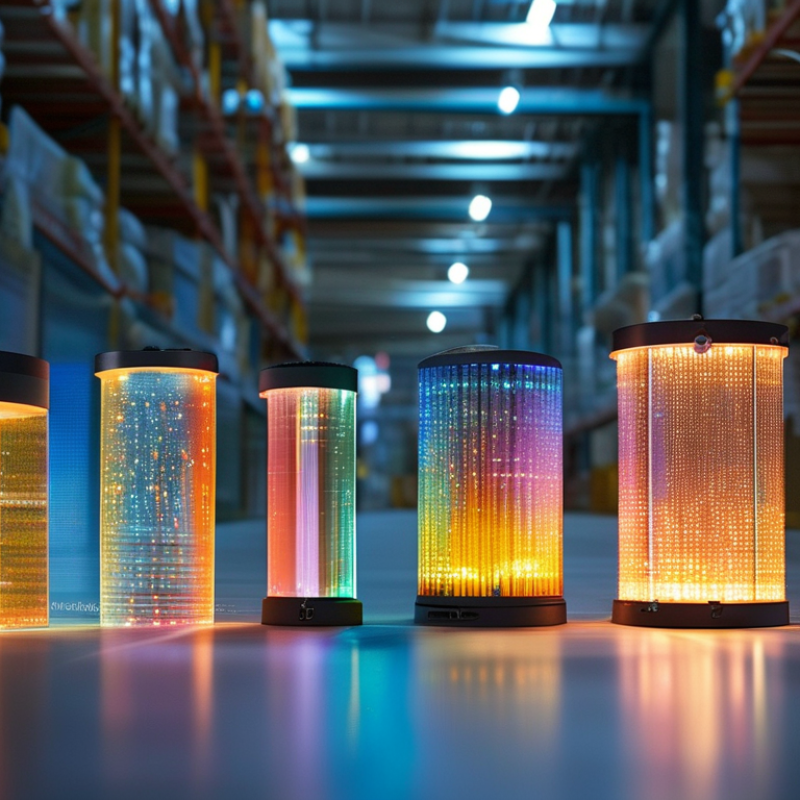
China’s area light manufacturing landscape is built around mature supply chains and flexible production. In factory visits, buyers often see aluminum die-casting, LED assembly, powder coating, and packaging within one industrial zone. This proximity can shorten lead times and simplify quality checks. It also creates pressure to compare factories carefully. Some suppliers produce complete fixtures, while others outsource drivers, lenses, or thermal components.
Experienced manufacturers usually provide photometric reports, thermal testing records, and samples before mass production. Ask for details about beam angles, lumen maintenance, ingress protection, and operating temperature. Export-ready suppliers should understand IEC requirements and the certification rules of the destination market. Clear drawings matter. A small mismatch in mounting holes can delay an entire installation.
Price alone is a weak filter. A cheaper driver may increase flicker, heat, or early failure. The process is not flawless. Even capable factories can miss a coating defect or change a component without clear notice. Buyers should approve a golden sample, define inspection points, and verify batch consistency before shipment. Factory communication is another practical test. Do engineers answer technical questions directly? Do production photos match the agreed specifications? These details reveal reliability better than polished sales material. A careful sourcing decision should balance factory experience, testing discipline, customization ability, and after-sales responsiveness.
Selecting the top 10 Chinese area light manufacturers requires more than comparing catalog prices. A reliable evaluation begins with factory evidence, not polished websites. Auditors should review production lines, aging-test records, and quality-control procedures. They should also inspect samples under real operating conditions.
Performance data must be verified independently where possible. Key checks include lumen output, beam distribution, color consistency, power factor, surge protection, and thermal stability. For outdoor projects, IP and IK ratings need supporting test reports. A serious manufacturer can explain driver selection, housing materials, heat dissipation, and expected maintenance cycles. Clear documentation matters.
Experience also appears in small details. Can the supplier provide a sample with the requested mounting bracket? Are serial numbers traceable to inspection records? Does packaging protect the lens during a long sea shipment? These practical answers reveal more than sales language. Production capacity, lead-time accuracy, spare-part support, and communication during design changes should be reviewed together. Not every factory will perform equally across every project.
A careful selection process still has limits. Test results may reflect controlled conditions rather than dusty roads or coastal air. Buyer feedback can also be incomplete. Therefore, the final list should combine site experience, technical verification, factory visits, and transparent after-sales records. A low price may look attractive, but unstable drivers and weak heat management can create expensive replacements later. "Top" should mean dependable evidence, not impressive claims.
China’s area-light sector includes factories with different technical strengths. The first profile focuses on high-output road luminaires, using die-cast aluminum housings and replaceable LED modules. Another specializes in warehouse lighting, offering narrow beams for aisles and high ceilings. A third develops solar area lights with lithium batteries, while a fourth supplies floodlights for sports grounds and logistics yards. The fifth emphasizes smart controls, including motion sensors, daylight dimming, and wireless monitoring. The sixth produces corrosion-resistant fixtures for ports and coastal projects. The seventh serves municipal tenders with standardized photometric files. An eighth combines lighting with cameras or environmental sensors. The ninth focuses on compact commercial wall packs. The tenth offers private-label production, flexible packaging, and small-batch customization.
Performance still requires careful checking. The International Energy Agency reports that lighting represents about 15% of global electricity consumption, making efficiency a serious procurement issue. The U.S. Department of Energy’s 2023 solid-state lighting research report highlights efficacy, thermal management, controls, and lifetime testing as continuing priorities. Buyers should compare delivered lumens, not advertised watts. Ask for LM-79 photometry, LM-80 or TM-21 data, surge protection ratings, and test reports from recognized laboratories. A claimed 170 lm/W may describe the LED package, not the complete fixture. That difference matters. I have also seen impressive samples fail during thermal testing or coastal exposure. Factory audits, sample aging, driver verification, and warranty terms remain essential, even when the datasheet looks complete.
China’s top area-light manufacturers differ sharply in product range. Strong suppliers usually offer LED floodlights, high-bay fixtures, street lights, tunnel lights, and solar options. This variety helps global buyers match beam angles, wattage, mounting methods, and outdoor conditions. A narrow catalog is not always a weakness. Specialization can improve optical consistency and thermal design.
From factory evaluations, quality depends on repeatable testing rather than attractive samples. Check aluminum housing thickness, powder-coating adhesion, surge protection, driver stability, and lumen maintenance. IP65 or IP66 ratings matter for rain exposure, while IK ratings indicate impact resistance. Ask for photometric files and test reports. Certification should match the destination market, such as CE, RoHS, UL, or other accepted requirements. Certificates must cover the actual model, not just a similar product. This detail is often missed.
Production capacity requires deeper evidence. Review SMT lines, die-casting equipment, aging-test racks, integrating spheres, and final inspection records. Ask whether key components are stocked or purchased after receiving an order. Monthly output figures can sound impressive, yet capacity may fall during peak seasons. Factory audits, sample approval, and a small pilot order reduce this risk. I have seen reliable suppliers make early mistakes with labeling or regional plugs. That is normal, but their corrective response matters. A transparent manufacturer shares defect rates, lead times, warranty terms, and corrective-action records without hesitation.
Global buyers should assess area lights through verified performance, not catalog brightness. The International Energy Agency reports that lighting uses about 15% of global electricity. Efficiency therefore affects operating budgets and carbon targets. Ask for tested lumens, efficacy, power factor, and lumen maintenance data. A high wattage is not automatically better.
Request LM-79 photometric reports and LM-80 or TM-21 data where applicable. Check the actual test laboratory, report date, sample model, and test conditions. Review IP and IK ratings for rain, dust, and impact exposure. Confirm surge protection, thermal management, color consistency, and the operating voltage range. The U.S. Department of Energy’s solid-state lighting research repeatedly highlights efficacy, reliability, and controllability as key development priorities. Do not trust a polished PDF alone.
Factory evaluation should include calibrated equipment, component traceability, aging tests, and sample-to-sample consistency. Buyers should compare a production sample with the approved prototype. This step is often missed. It should not be. Calculate total cost using energy use, replacement frequency, freight, duties, installation, and warranty support. Request a pilot order before a large contract. Define inspection rules, delivery tolerance, spare-part availability, and technical response times in writing. No checklist is perfect. Weather, installation height, and maintenance habits can still change real results.
: Mature supply chains often place die-casting, LED assembly, coating, and packaging nearby. This can shorten lead times. However, factory capabilities vary, so compare suppliers carefully.
Suppliers may produce road luminaires, warehouse lights, floodlights, wall packs, and coastal fixtures. Some also offer solar systems, sensors, wireless controls, or small-batch customization. The right option depends on the site.
Request photometric reports, thermal test records, lumen maintenance data, and operating temperature details. Check the tested model, laboratory, report date, and test conditions. A polished PDF is not enough.
Compare delivered fixture lumens and efficacy, rather than advertised wattage alone. A high wattage does not automatically produce better illumination. Package performance and complete-fixture performance may differ.
Review ingress protection for rain and dust, plus impact protection where equipment faces physical contact. Confirm surge protection, corrosion resistance, and the operating voltage range. Coastal projects need extra attention.
Check calibrated equipment, component traceability, aging tests, and production records. Ask whether engineers answer technical questions directly. Then compare the production sample with the approved prototype.
A golden sample defines the agreed housing, mounting holes, driver, lens, color, and finish. It helps reveal later component changes or coating defects. Small mismatches can delay installation.
Define inspection points, delivery tolerance, warranty coverage, spare parts, and technical response times. Request a pilot order before committing to large quantities. No checklist is perfect. Real weather may still expose weaknesses.
China has become a major manufacturing hub for Area Lights, offering global buyers a broad selection of products for streets, parking lots, warehouses, industrial sites, and public spaces. This article explores China’s area light manufacturing landscape and explains how leading suppliers can be evaluated through product design, engineering capability, manufacturing experience, quality control, certifications, customization services, and production capacity. It also presents a practical comparison of the top 10 manufacturers without focusing on brand promotion, helping readers understand the differences in product range, performance, reliability, and delivery capability.
For international buyers, selecting the right supplier requires more than comparing prices. Buyers should review technical specifications, lighting efficiency, material quality, testing procedures, compliance documentation, warranty terms, communication standards, and after-sales support. The article concludes with useful guidance on requesting samples, verifying factory capabilities, confirming production schedules, negotiating purchasing terms, and building a dependable sourcing strategy for Area Lights from China.

Austar