As the gardening and landscaping trends evolve, the yard lamp industry is experiencing a remarkable transformation. According to renowned lighting expert Dr. Alice Greene, “Yard lamps are no longer just functional; they are a statement of personal style.” This insight highlights the growing importance of aesthetics in outdoor lighting choices.
With sustainability in mind, many buyers gravitate towards energy-efficient yard lamps. Solar-powered options are increasingly popular, appealing to eco-conscious consumers. Brands are innovating to create designs that blend technology and art, catering to diverse tastes.
However, not all trends will suit every backyard. The selection process can be overwhelming. Buyers must consider their home's architecture, local climate, and community standards. The challenge lies in finding a balance between creativity and practicality. Investing in a yard lamp should reflect personal values and contribute to a harmonious outdoor space.
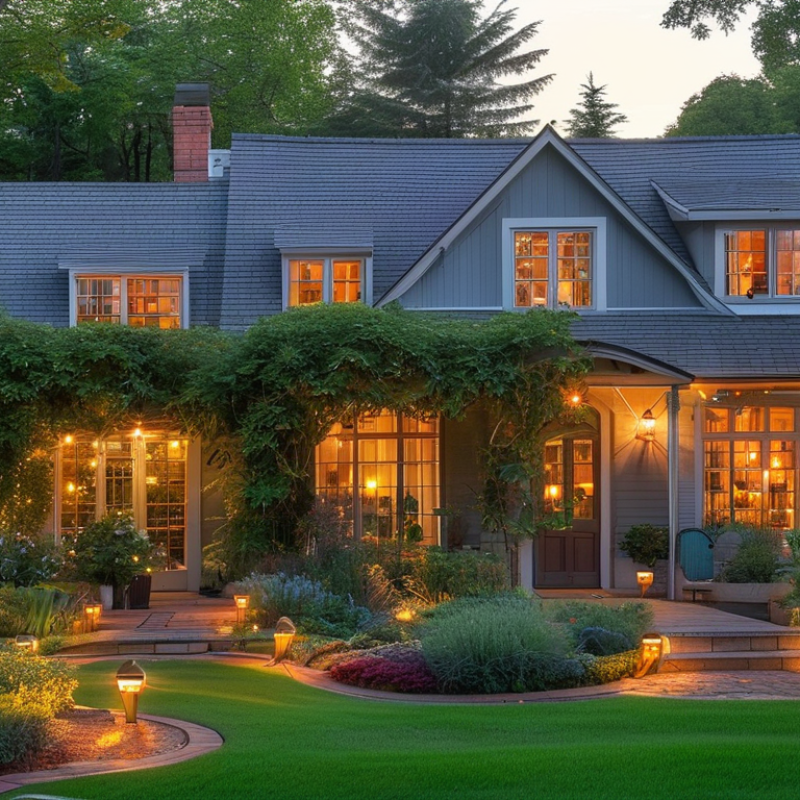
As we look to 2026, the demand for eco-friendly yard lamp materials continues to rise. Buyers are increasingly interested in innovative designs that also promote sustainability. Many manufacturers now explore alternatives like bamboo and recycled plastics. These materials reduce environmental impact while adding unique aesthetics to outdoor spaces.
Solar-powered yard lamps are gaining traction. They utilize renewable energy and can significantly lower electricity bills. Yet, some buyers find performance inconsistent in cloudy weather. This contrast reveals the need for further advancements in solar technology. Incorporating LED fixtures can enhance brightness and energy efficiency.
Recycled metals are emerging as a popular choice too. Not only are they durable, but they also bring a rustic charm to gardens. However, sourcing these materials sustainably is crucial. Buyers should inquire about the production processes to ensure authenticity. Each choice reflects a commitment to both style and ecological responsibility.
| Material | Eco-Friendly Option | Durability (Years) | Average Price (USD) | Design Style |
|---|---|---|---|---|
| Recycled Aluminum | Yes | 20 | 150 | Modern |
| Bamboo | Yes | 10 | 100 | Rustic |
| Solar Panel | Yes | 15 | 200 | Contemporary |
| Glass and Metal | No | 25 | 180 | Industrial |
| Upcycled Plastic | Yes | 12 | 80 | Vintage |
As home automation continues to rise, smart technology in yard lamps is shaping consumer choices in 2026. Studies show that 70% of homeowners prioritize energy efficiency when selecting outdoor lighting. Smart yard lamps can be equipped with sensors to adjust brightness based on natural light. This feature enhances both aesthetics and utility.
Research also indicates that 65% of buyers are willing to invest in smart LED technology that can be controlled via mobile apps. Integration with home assistants provides convenience. Homeowners can manage their yard lighting remotely. However, not all consumers are technologically savvy, which presents a barrier to widespread adoption. Educating buyers about these features is essential.
Moreover, the market is witnessing a shift towards sustainability. Nearly 50% of consumers prefer solar-powered yard lamps. These options reduce carbon footprints and lower energy costs. However, the initial investment remains a concern for many. Brands must address these economic considerations while promoting the long-term benefits of smart technologies in outdoor lamps.
The outdoor lighting industry is on the rise. According to a recent report by MarketsandMarkets, the global outdoor lighting market is projected to reach $25.3 billion by 2026. This represents a compound annual growth rate (CAGR) of 6.4% from 2021 to 2026. Factors driving this growth include urbanization, increased public space usage, and a growing focus on energy-efficient solutions.
Energy-efficient lighting, such as LED technology, is becoming increasingly important. In 2021, LEDs accounted for about 70% of the market share in outdoor lighting. As cities prioritize sustainability, consumers are looking for products that offer lower energy consumption and reduced environmental impact. However, the transition to energy-efficient options can be challenging. Some users may find the initial costs of these products to be high. Education on long-term savings is crucial.
Additionally, the design of outdoor lighting continues to evolve. Innovative styles cater to diverse consumer preferences. Smart lighting technology is also gaining traction, integrating with home automation systems. However, not all products meet quality and durability standards. Buyers must exercise caution to avoid low-quality fixtures that may not withstand outdoor elements. Keeping up with these trends while ensuring quality remains vital for buyers in the global market.
As we look into the yard lamp trends of 2026, consumer preferences lean heavily towards sustainability and innovation. Recent studies show that 70% of consumers prioritize eco-friendly materials. Solar-powered models are gaining attention, appealing to environmentally conscious buyers. These lamps not only reduce energy consumption but also enhance outdoor aesthetics.
The design language for yard lamps is shifting as well. A report by the Outdoor Lighting Association indicates that 65% of consumers prefer minimalist designs with clean lines. Geometric shapes and simple silhouettes dominate the landscape. However, color choice is sparking debate. While natural tones remain popular, bold colors are emerging as a choice for those who seek individuality. This divergence suggests a need for brands to offer diverse options that cater to varying tastes.
Consumer data from 2026 also reveals a growing interest in smart technology. About 55% of buyers express willingness to invest in lamps with app controls and energy monitoring features. Yet, the complexity of technology can be off-putting for some. Striking a balance between user-friendliness and advanced features is essential for brands navigating this evolving market landscape.
As the yard lighting market evolves, energy efficiency becomes crucial. In 2026, buyers will face stricter energy efficiency standards. Meeting these regulations is essential for manufacturers and consumers alike. Sustainable practices enhance the overall appeal of outdoor lighting solutions.
Tips: Consider LED technology for your yard lamps. LEDs consume less energy and have a longer lifespan. This choice not only reduces electricity costs but also aligns with sustainability goals. Pay attention to the wattage and lumens to ensure compliance with energy standards.
The growing trend in solar-powered lights also reflects the shift towards energy efficiency. These types of lights use renewable resources. However, potential buyers should assess their area's sunlight exposure. Uneven sunlight can limit the effectiveness of solar solutions. Investing in high-quality solar lights may yield better results, despite the initial cost.
: Smart yard lamps enhance aesthetics and utility. They adjust brightness based on natural light.
Around 70% of homeowners prioritize energy efficiency when choosing outdoor lighting options.
They can be controlled via mobile apps for convenience and flexibility in managing outdoor lighting.
Yes, nearly 50% of consumers prefer them. They lower energy costs and reduce carbon footprints.
Not all consumers are technologically savvy. Education about smart features is essential for wider adoption.
Assess the area’s sunlight exposure. Uneven sunlight can limit solar lights' effectiveness.
Consider using LED technology. LEDs consume less energy and help meet energy standards.
The initial investment for smart yard lamps can be a barrier, despite long-term savings.
Pay attention to wattage and lumens in yard lamp specifications. This helps meet upcoming efficiency standards.
Yes, uneven sunlight can diminish their performance. Investing in quality solar options is advisable.
The article titled "2026 Best Yard Lamp Trends for Global Buyers to Consider" explores various advancements and trends shaping the outdoor lighting industry. It highlights material innovations focused on eco-friendly options, catering to environmentally-conscious consumers looking for sustainable yard lamp solutions. Moreover, the integration of smart technology is analyzed as a significant consumer trend, providing enhanced usability and connectivity for modern yard lamps.
In addition, the article discusses the projected growth of the outdoor lighting market, emphasizing design trends based on aesthetic preferences revealed by consumer data from 2026. Finally, it addresses energy efficiency standards, ensuring that yard lamps meet regulatory requirements, which is crucial for both manufacturers and buyers. Overall, the article presents a comprehensive overview for global buyers interested in the evolving landscape of yard lamps.

Austar