In today's fast-paced world, finding the best LED lamp can be challenging. Global buyers seek quality products that meet their needs. Renowned lighting expert Dr. Emily Smith once stated, "A good LED lamp should enhance both functionality and aesthetics in any space." This highlights the importance of choosing wisely.
LED lamps have revolutionized the lighting industry. They are energy-efficient and long-lasting. However, not all options are created equal. Some products may claim to offer superior quality but fall short in performance. Buyers need to evaluate efficiency, brightness, and design. A thoughtful choice can result in significant savings.
As demand grows, so does the variety of LED lamps available. Many options come with unique features and designs. However, navigating these choices can be overwhelming. Buyers must be cautious and informed. Quality does not always match the price tag. It's essential to research and reflect on what truly matters.
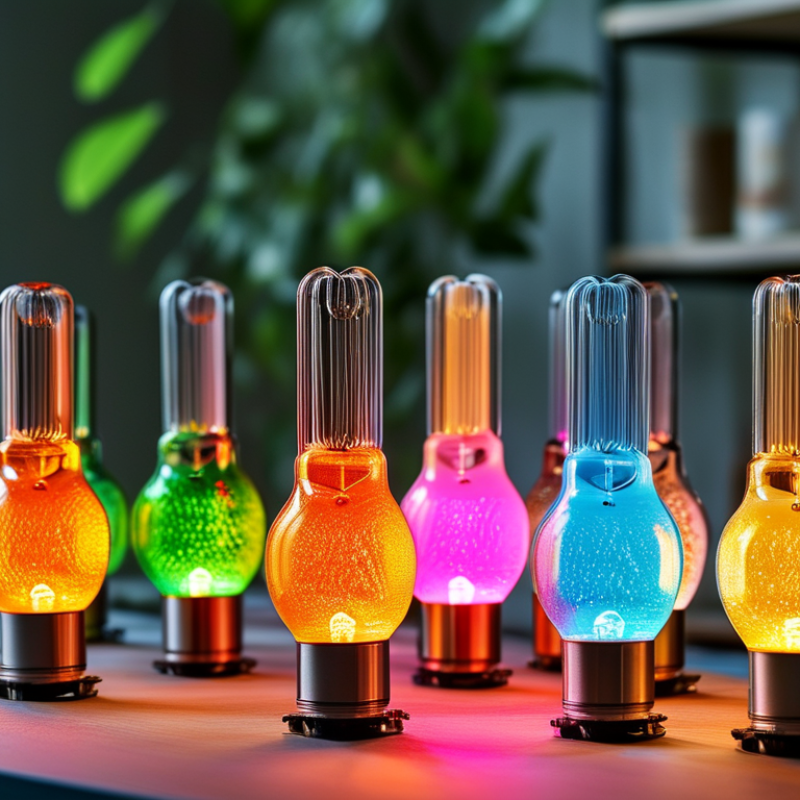
Popular Types of LED Lamps for Global Consumers
LED lamps have gained immense popularity among global consumers due to their energy efficiency and longevity. According to a report by the International Energy Agency, LED lighting can use up to 75% less energy than traditional incandescent bulbs. This dramatic reduction in energy consumption appeals to environmentally conscious buyers.
Among the various types of LED lamps, the most sought-after include recessed lights, bulbs, and smart LED solutions. Recessed LED lights are favored for their modern aesthetics and versatility in both residential and commercial settings. Smart LED options are becoming increasingly popular, allowing for remote control and scheduling through mobile devices. Despite their advantages, the high upfront cost of smart LEDs can deter some buyers.
Consumers must also consider color temperature and lumen output when selecting LED lamps. Warmer tones around 2700K create a cozy atmosphere, ideal for residential use. However, cooler tones, like 5000K, are preferred for workspaces due to their brighter nature. As the market evolves, some buyers report overwhelming choices, complicating their decision-making process. The balance between energy savings and upfront costs often leads to buyer hesitation. This reflects the need for better consumer education in the LED market.
Key Features to Consider When Choosing LED Lamps
When searching for quality LED lamps, understanding key features is essential. Brightness, measured in lumens, is a primary factor. According to the Department of Energy, a standard LED bulb offers about 80% more lumens per watt compared to traditional incandescent bulbs. This efficiency translates to energy savings and lower electricity bills.
Another crucial feature is color temperature, measured in Kelvin (K). Warm white light (2700K-3000K) creates a cozy environment, while cool white (4000K-5000K) is better for workspaces. A report from the Lighting Research Center indicates that users tend to prefer lighting that aligns with the task at hand. Additionally, look for LED lamps with a high Color Rendering Index (CRI). A CRI above 90 is ideal for environments where color accuracy matters.
Consider the design and durability of the LED fixture. Materials and build influence longevity. Heat dissipation affects performance. A study from the Alliance to Save Energy notes that poor heat management can reduce an LED’s lifespan by up to 20%. While many LED lamps promise longevity, manufacturers’ claims can sometimes be overstated. Exploring user reviews and independent testing results can provide clearer insights.
Comparative Review of Leading LED Lamp Brands
When searching for high-quality LED lamps, buyers often face a daunting array of choices. Leading brands provide various options but evaluating them can be tricky. Factors like energy efficiency, lifespan, and lumens output are crucial. It’s important to choose lamps that suit your specific needs, whether for home use or office lighting.
Tips: Look for certifications. Energy Star labels indicate better efficiency. A lamp’s color temperature affects mood; warmer light is cozier, while cooler light promotes focus. Consider the environment where you’ll use the lamp. A living room might benefit from softer lighting, while a workspace may need bright, clear light.
Many buyers overlook the importance of design. Aesthetic appeal matters; a lamp’s design should complement your space. Quality craftsmanship also impacts durability. Not all LED lamps are created equal; some may dim over time or flicker, which can be frustrating. Checking customer reviews can provide insight into real-world performance. It can be helpful to have a conversation with lighting experts for tailored advice before making a decision.
Pricing Analysis of Quality LED Lamps in the Global Market
When diving into the global market for LED lamps, understanding pricing can help buyers make informed choices. Prices can vary widely based on quality, features, and brand reputation. Generally, higher quality lamps might come with a higher price tag. However, not all expensive options guarantee the best value. Some budget-friendly products reflect good performance too.
Quality LED lamps have several features to consider. Look for factors like brightness, energy efficiency, and lifespan. A lamp with a lower wattage but high lumens provides great illumination while saving energy. Also, be cautious of overly cheap options. Sometimes, they lack durability or proper certifications. Investing in quality often leads to long-term savings.
Tips for buyers: Explore customer reviews and independent tests. This ensures you consider real-world performance. Compare warranties to gauge manufacturer confidence. Lastly, check energy efficiency ratings. It’s a pivotal factor influencing not just the initial cost but ongoing expenses. Consider these aspects thoroughly before making a decision.
Sustainability and Energy Efficiency of LED Lighting Solutions
When choosing LED lighting solutions, sustainability and energy efficiency stand out as top factors. LEDs use significantly less energy than traditional bulbs. This means lower electricity bills and a reduced carbon footprint. Each LED bulb can last up to 25,000 hours, which is much longer than incandescent options. This longevity reduces waste and lessens the frequency of replacements.
However, not all LED lamps are created equal. Some may not deliver the expected brightness or color quality, leading to disappointing experiences. Buyers should pay attention to lumens and color temperature when making a choice. It’s crucial to understand that even energy-efficient products can have varying levels of sustainability. Examining a product’s lifecycle can help consumers make informed decisions.
While the upfront cost of LED lamps can be higher, the long-term benefits are often worth it. Energy-efficient lighting provides significant savings over time. Still, some consumers may feel hesitant due to the initial investment. It’s essential to weigh short-term costs against long-term gains. With careful consideration, sustainable lighting can provide both quality and peace of mind.
FAQS
: Focus on brightness, color temperature, and durability. Brightness is measured in lumens, while color temperature affects ambiance.
They use less energy than traditional incandescent bulbs. This leads to lower electricity bills and reduced carbon footprint.
Color temperature, measured in Kelvin, affects mood. Warm white is cozy, while cool white is better for workspaces.
High Color Rendering Index (CRI) ensures accurate color representation. A CRI above 90 is ideal for tasks requiring color precision.
Yes, not all LED lamps are created equal. Some may dim or flicker over time, causing frustration for users.
While upfront costs may be higher, long-term savings on electricity can justify the expense. Consider overall benefits.
Check customer reviews and independent testing results. These insights reveal real-world performance and user satisfaction.
Aesthetic appeal matters. The design should complement your space while maintaining quality craftsmanship for durability.
LEDs can last up to 25,000 hours. This longevity reduces waste but varies by brand and usage conditions.
Not all LEDs are equally sustainable. Examine a product’s lifecycle to understand its environmental impact and efficiency.
Conclusion
In today’s market, the demand for high-quality LED lamps has surged among global consumers. Popular types include functional work lamps, decorative lamps, and outdoor lighting solutions, each catering to diverse needs. Key features to consider when selecting an LED lamp encompass brightness, color temperature, energy efficiency, and lifespan. These attributes play a significant role in ensuring that buyers make informed choices that suit their specific requirements.
A comparative review of leading LED lamp brands highlights their unique offerings and innovative technologies, while a pricing analysis reveals a wide range of options tailored to fit various budgets. Additionally, sustainability and energy efficiency of LED lighting solutions underscore their ecological benefits, making them a preferred choice for environmentally conscious consumers. Overall, the quest for the best LED lamp involves balancing quality, performance, and sustainability to achieve optimal lighting while minimizing environmental impact.

 Austar