As the world shifts towards sustainability, LED lights have gained significant attention. According to John Smith, an expert in energy-efficient lighting, "LED lights transform spaces while saving energy." This statement highlights the dual role of LED lights in both aesthetics and conservation.
Homeowners are increasingly recognizing the transformative benefits LED lights offer. They consume less energy, which reduces electricity bills significantly. Moreover, they have a longer lifespan compared to traditional bulbs. This results in fewer replacements and lower waste.
Despite their advantages, many people hesitate to make the switch. Some think the initial investment is too high. However, the long-term savings and environmental benefits often outweigh the upfront costs. With more awareness, LED lights could become the standard for homes everywhere.
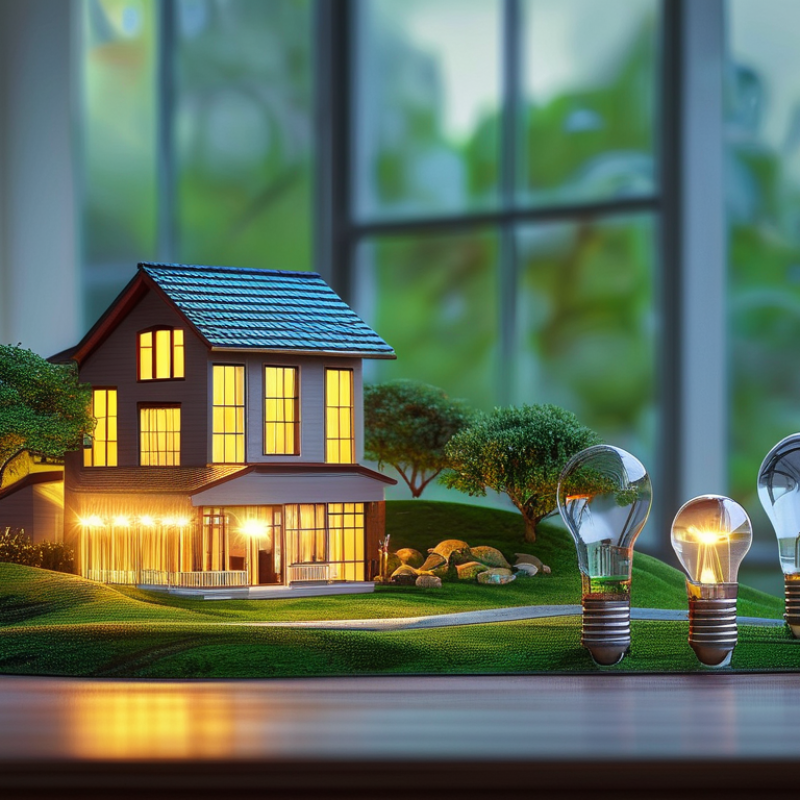
LED lights have become a popular choice for homes due to their energy efficiency. These lights use up to 75% less energy than traditional incandescent bulbs. According to the U.S. Department of Energy, LED lights can last 25 times longer. This longevity translates into significant savings on replacement costs and energy bills over time.
Moreover, the reduced energy consumption leads to a smaller carbon footprint. A report from the Environmental Protection Agency indicates that widespread use of LED lighting could save the country more than $30 billion in energy costs by 2027. This is an impressive figure that highlights the potential of LED technology in achieving energy efficiency.
Yet, while the benefits are clear, some consumers may still hesitate. Initial costs can be higher than traditional bulbs. However, the long-term savings often outweigh this upfront investment. It's important for homeowners to consider these factors when making lighting choices. With energy-efficient solutions like LED lights, a brighter, more efficient future awaits.
When comparing LED lights to traditional bulbs, lifespan and durability stand out as key advantages. LED lights can last up to 25,000 hours, whereas traditional incandescent bulbs typically only last about 1,000 hours. This means fewer replacements and less waste. The durability of LED lights is another plus. They are more resistant to breakage since they are made of sturdy materials, unlike fragile glass bulbs. This can be a crucial factor for homes with children or pets.
When considering lighting options, think about where you’ll install them. For example, in areas with frequent on-and-off switch use, LED lights perform far better. Their design allows them to handle rapid cycling without shortening their lifespan. Not all spaces require bright lighting, so using dimmable LEDs can tailor the ambiance.
Installation is another area that can lead to reflection. Make sure to choose fixtures that suit LED technology. Not all lighting fixtures are compatible with LEDs, which could lead to flickering or even damage. When transitioning to LED lights, evaluate your current fixtures to avoid costly mistakes.
LED lighting offers significant cost savings compared to traditional lighting options. The initial investment may seem higher, but the long-term benefits outweigh this concern. LED bulbs consume up to 75% less energy than incandescent bulbs. This reduction directly translates to lower electricity bills. Homeowners often notice a substantial decrease in monthly expenses after switching to LED lights.
Additionally, LED lights have a longer lifespan. While traditional bulbs last about 1,000 hours, LEDs can last up to 25,000 hours or more. Fewer replacements mean reduced waste and additional savings on purchasing new bulbs. Another economic benefit is their durability. LEDs are less prone to breakage due to their solid construction. This reliability can reduce maintenance costs over time.
Despite these advantages, some users may experience challenges when transitioning. The upfront cost can be a barrier. Not all households may find it easy to make the switch immediately. Some may miss the warm glow of incandescent bulbs. Learning to appreciate the brighter, cooler light of LEDs can take time. Overall, the financial and environmental benefits of using LED lighting in homes are compelling.
When it comes to home aesthetics, LED lights can transform spaces in remarkable ways. Their versatility allows you to create unique ambiances in any room. You can choose colors, brightness, and even styles that align with your taste. Imagine warm hues in the living room during cozy evenings or bright whites for a spacious kitchen feel. These options cater to various moods and activities.
In addition to aesthetics, LED lights shine in energy efficiency. They consume less electricity than traditional bulbs. This feature is significant for homeowners looking to reduce energy bills. However, not all LED products are of the same quality. It's essential to choose wisely to avoid flickering or color inconsistency.
LED lights are revolutionizing home lighting. One significant benefit is their ability to improve health and wellbeing. The quality of light emitted by LEDs mimics natural sunlight. This enhances mood and boosts energy levels, which can be especially beneficial during winter months when natural light is scarce.
Adaptability is another key advantage. LEDs can adjust in brightness and color temperature. Warmer hues promote relaxation, while cooler tones can enhance focus. This versatility allows homeowners to create the ideal ambiance for any activity. For example, dimmer settings are perfect for winding down at night, while bright settings are great for reading or working.
However, it's essential to choose the right LED quality. Not all LEDs are created equal. Some may flicker or emit harsh light, which can lead to eye strain and headaches. It's crucial to research product specifications. Finding reliable information can be challenging, but it's worth the effort. Proper lighting choices can profoundly impact daily life, both physically and mentally.
: LED lighting reduces energy consumption by up to 75%, leading to lower electricity bills.
LED bulbs can last up to 25,000 hours, while traditional bulbs last about 1,000 hours.
The upfront cost can be high, and some may miss the warm glow of incandescent bulbs.
LEDs offer color and brightness variations, creating unique ambiances for different rooms and moods.
Not all LEDs perform well. Poor quality may result in flickering or inconsistent colors.
LEDs mimic natural sunlight, enhancing mood and energy levels, especially in winter months.
LEDs can change brightness and color temperature, helping create the right atmosphere for any activity.
Proper placement is key. It helps avoid uneven lighting and enhances the look and feel of spaces.
While some experiments can yield delightful results, others may not turn out as expected.
Choosing the right specifications helps avoid issues like flickering and harsh light, which affect comfort.
LED lights offer a multitude of benefits for homeowners, primarily due to their superior energy efficiency. By consuming significantly less electricity than traditional bulbs, LED lights contribute to reduced energy bills while also minimizing environmental impact. Furthermore, they boast an impressive lifespan, often lasting up to 25 times longer than conventional lighting, which translates into less frequent replacements and lower maintenance costs.
Beyond economic advantages, LED lights enhance home aesthetics with a wide range of design options that can elevate interior and exterior spaces. Their quality of light promotes better health and wellbeing, as they can mimic natural light, reducing eye strain and improving mood. With their adaptability and versatility, LED lights not only serve functional purposes but also create inviting atmospheres in various settings, making them an excellent choice for any home.

Austar