7 Best Modern Lamps for Home and Office?

Time:2026-09-15 Author:Mason
0%

Choosing the right lighting can change how a room feels, works, and ages over time. A Modern Lamp is not merely a decorative object. It can shape evening comfort, reading focus, and the visual balance of a workspace.

This guide examines seven modern lamps for home and office settings. Each selection is considered through practical details, including brightness, color temperature, glare control, stability, materials, and adjustability. A warm lamp beside a fabric sofa creates a softer atmosphere, while a focused desk lamp can reduce shadows across paperwork. However, brightness preferences differ. There is no universal winner.

Small details matter.

The evaluation also considers how each lamp may perform after months of daily use. A polished metal finish can show fingerprints, and a slim base may feel unstable on a crowded desk. Energy efficiency, replaceable components, electrical labeling, and manufacturer guidance deserve attention. These points support safer, more informed buying decisions without overstating a product’s benefits.

Some impressions remain subjective. A lamp that looks elegant in a showroom may feel harsh beside a television. Another may photograph beautifully but offer limited adjustment. This guide acknowledges those compromises rather than hiding them. Product specifications and established lighting principles provide the foundation, while real-room use adds practical context. Whether you need focused task lighting, a welcoming bedside glow, or a flexible office fixture, these seven options reveal different strengths. Your room, habits, and tolerance for visual clutter should guide the final choice.
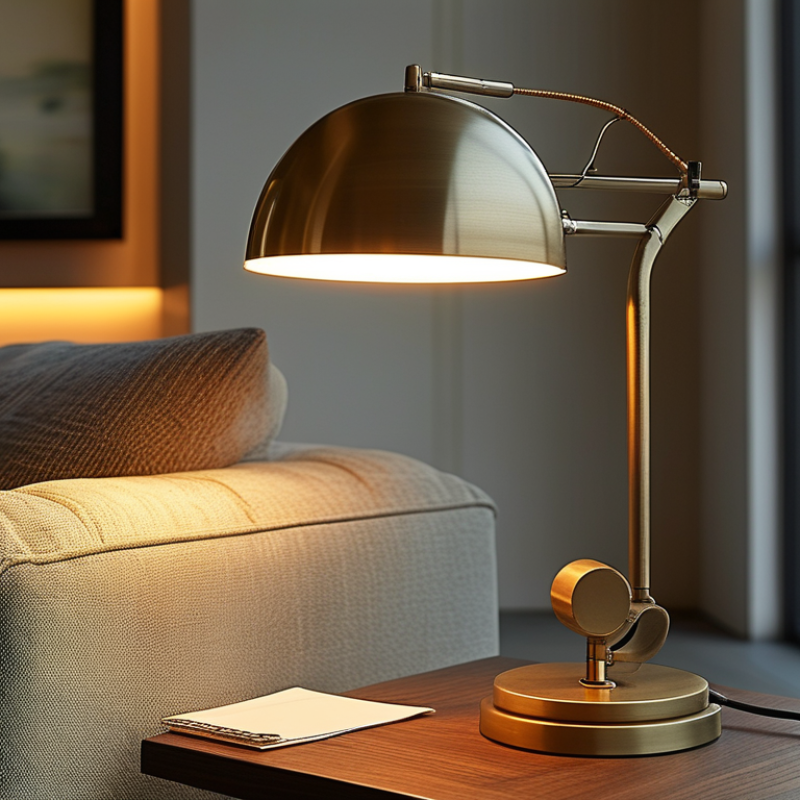
7 Best Modern Lamps for Home and Office?

What Defines a Modern Lamp for Home and Office Use

A modern lamp is more than a clean shape or a metallic finish. It should control light, reduce glare, and support real tasks at home or in the office. The seven strongest choices usually share adjustable brightness, efficient LEDs, stable color quality, compact proportions, and easy controls. Some also offer directional arms or diffused shades. These details matter near a laptop, reading chair, or kitchen table.

The U.S. Department of Energy reports that LED lighting uses at least 75% less energy and lasts up to 25 times longer than incandescent lighting. The International Energy Agency also identifies lighting as a major electricity-use category worldwide. A modern lamp should therefore combine efficiency with visual comfort, not just appearance. For desk work, Illuminating Engineering Society guidance commonly places illuminance near 300–500 lux, although the right level depends on age, screen brightness, and room surfaces. I still find this part imperfect. A lamp can meet a specification yet feel harsh beside a glossy monitor.

Tips: Choose adjustable color temperature for changing tasks. Warm light suits evening relaxation, while neutral light supports focused work. Check the lamp’s glare control, color-rendering rating, and replaceable parts. Avoid placing the brightest source directly behind the screen. Measure the desk before buying; impressive proportions can become inconvenient quickly. Test the switch with one hand. Small friction becomes daily frustration.

Key Factors for Comparing Modern Lamps

Comparing the seven best modern lamps starts with the room’s actual purpose. A desk lamp needs focused light, while a floor lamp should spread softer illumination. For reading, I look for adjustable arms, stable bases, and a color temperature near 3000–4000K. Warm light feels calmer, but cooler light can improve visual clarity during detailed work. Check the glare.

Brightness matters more than appearance. Compare lumens, not just wattage, because efficient LEDs produce different results. A small desk may need roughly 500–1,000 lumens, while a living room often needs layered lighting.

I also check color rendering, especially above 80 CRI, because poor light can make wood, fabric, and skin tones look dull. My own comparisons are not perfectly scientific; wall color and ceiling height change the result. Still, testing a lamp beside a book reveals more than a product photograph.

Material and control quality deserve equal attention. Metal shades can feel durable, but they may become hot near high-output bulbs. Frosted diffusers reduce harsh reflections on screens. Dimming should work smoothly without flicker, and touch controls should respond consistently. Look for electrical safety certification recognized in your region. Measure the desk. Check the glare. A beautiful lamp can still be tiring after two hours, especially when its light cannot be redirected.

Seven Modern Lamp Types and Their Best Uses

Seven Modern Lamp Types and Their Best Uses

Modern lighting works best when each lamp has a clear job. Pendant lamps suit dining tables and kitchen islands, creating focused pools of light. Floor lamps add height beside sofas or reading chairs. Table lamps soften bedrooms, consoles, and reception areas. Desk lamps support detailed office work, especially when their arms adjust easily. Wall sconces save floor space in narrow hallways and beside beds. Track lights highlight artwork, shelves, or task zones. Portable rechargeable lamps offer flexible light for balconies, meeting rooms, and temporary workstations.

Performance matters beyond appearance. The U.S. Department of Energy reports that LED lighting uses at least 75% less energy and can last up to 25 times longer than incandescent lighting. The International Energy Agency also identifies efficient lighting as a practical route to lower electricity demand. In my experience, a lamp with poor glare control can make a beautiful room uncomfortable. That mistake is easy to miss in a showroom.

Tips: Match the lamp to the task, not only the furniture. Choose warm light near sofas and bedrooms, but clearer light for desks. Check the color-rendering index for offices, kitchens, and artwork. Keep cords away from walkways. Dimming is useful, though compatibility can be surprisingly imperfect. A pendant placed too low may block conversation, while a desk lamp placed too far sideways can cast shadows across handwriting. Measure the surface before buying.

How to Choose a Lamp for Each Room or Workspace

7 Best Modern Lamps for Home and Office?

How to Choose a Lamp for Each Room or Workspace

A good lamp should match the room’s task, not only its furniture. In a living room, choose warm light around 2,700–3,000K. It softens wood, fabric, and evening conversations. For reading, place the lamp beside your chair, with the shade near eye level. This reduces glare on pages.

Workspaces need more control. The Illuminating Engineering Society commonly recommends about 300–500 lux for office tasks. Use an adjustable desk lamp, then check whether your hand creates shadows while writing. A wide, diffused shade works better than a small, harsh spotlight. Keep the light slightly to the side of your dominant hand. I still make this mistake when rearranging a desk.

Kitchens and study areas benefit from brighter, cooler light, often near 3,500–4,000K. Avoid placing a ceiling fixture directly behind your head. It can cast shadows onto the counter. The U.S. Department of Energy reports that LED lighting uses at least 75% less energy than incandescent lighting and lasts up to 25 times longer. That supports choosing efficient lamps with replaceable or long-life components. However, efficiency does not guarantee comfort. Check color rendering, dimming performance, and nighttime glare before buying. A 2024 workplace report from the International WELL Building Institute also emphasizes access to quality light and connection to daylight.

A window still matters. No lamp fully replaces it.

Safety, Placement, and Maintenance Guidelines

Modern lighting should look good, but safe placement matters more than decoration. The seven most useful choices are a task lamp, desk lamp, floor lamp, pendant lamp, wall sconce, reading lamp, and adjustable ceiling light. Place task lighting beside work areas, not behind your hands. This reduces shadows on keyboards, drawings, and tools. Keep floor lamps away from walkways, curtains, and unstable furniture. Pendants should hang high enough to protect heads, yet low enough to illuminate the surface. For offices, many lighting professionals target roughly 300–500 lux for general work, depending on the task and local standards.

Energy use deserves attention. The U.S. Department of Energy reports that LED bulbs use at least 75% less energy and last up to 25 times longer than incandescent bulbs. Choose the correct wattage, approved components, and compatible dimmers. Never cover a lamp with fabric or place it against bedding. NFPA research identifies electrical distribution and lighting equipment as important contributors to home fires, so damaged cords need immediate replacement. Do not repair hidden wiring casually. A qualified electrician should inspect uncertain connections. I have overlooked dust on heat vents before. It quietly increased heat and reduced brightness.

Tips: Clean shades and vents monthly with a dry cloth. Check plugs for warmth, discoloration, or cracking. Keep liquids away from desk lamps. Leave space around LED drivers and adapters. Test smart or rechargeable lamps before placing them near children. No checklist is perfect. Recheck placement after moving furniture.

FAQS

Which lamp works best above a dining table or kitchen island?

A pendant lamp creates focused light over the surface. Hang it high enough for clear conversation. Too low feels awkward.

Where should I place a floor lamp?

Place it beside a sofa, reading chair, or empty corner. It adds height and supports comfortable reading. Keep its base away from walking paths.

When is a table lamp most useful?

Use one on a bedside table, console, or reception desk. Its softer light makes bedrooms and seating areas feel calmer. A small shade can still create harsh glare.

What makes a desk lamp suitable for office work?

Choose an adjustable arm and a wide, diffused shade. Place it slightly beside your dominant hand. This helps reduce shadows across handwriting. I sometimes position mine poorly.

How can wall sconces help in small spaces?

Wall sconces save floor space in hallways and beside beds. They provide useful light without blocking narrow walkways. Check the mounting height before installation.

What are track lights best used for?

Track lights can highlight artwork, shelves, counters, or task zones. Aim each head carefully. Otherwise, the room may look unevenly lit.

When should I choose a portable rechargeable lamp?

Use one on balconies, meeting tables, or temporary workstations. It offers flexible light without a nearby outlet. Remember to charge it before important use.

What light color suits different rooms?

Warm light around 2,700–3,000K suits sofas and bedrooms. Clearer light around 3,500–4,000K supports kitchens and study areas. Personal comfort still matters more than a number.

How can I make a lamp more energy efficient?

LED lamps generally use much less energy than incandescent lamps. They can also last far longer. Check replacement parts and long-term durability. Efficient does not always mean comfortable.

What should I check before buying a modern lamp?

Measure the table, ceiling height, and available floor space. Check glare, color rendering, dimming compatibility, and cord placement. A beautiful showroom lamp may feel uncomfortable at home.

Conclusion

A Modern Lamp combines clean lines, practical function, and adaptable lighting for both home and office environments. This guide explains how modern design balances appearance with brightness, color temperature, energy efficiency, adjustability, and space requirements. It compares important factors such as light direction, control options, materials, durability, and ease of maintenance, helping readers understand which features matter most before making a choice.

The article presents seven useful lamp types, including task, desk, floor, table, pendant, wall-mounted, and smart lighting, with suggestions for their best applications. It also offers room-by-room and workspace recommendations, from focused desk lighting to soft bedroom illumination. Finally, the guide covers safe placement, stable positioning, proper cable management, cleaning, bulb replacement, and routine inspection, enabling users to enjoy comfortable, efficient, and reliable lighting while maintaining a polished modern atmosphere.


Mason

Mason

Mason is a seasoned marketing professional with a deep expertise in the company's offerings and a passion for driving brand awareness. With a strong background in digital marketing strategies, he has an innate ability to connect with diverse audiences and effectively communicate product benefits.......